

DashClicks Blog
The industry's top experts offer their best advice, research, how-tos, and insights—all in the name of helping you level-up your business and online marketing skills.
Join Us!
.svg)
.svg)
.svg)
.svg)
.svg)

The Strategic Benefits of Partnering With a White Label SEO Provider
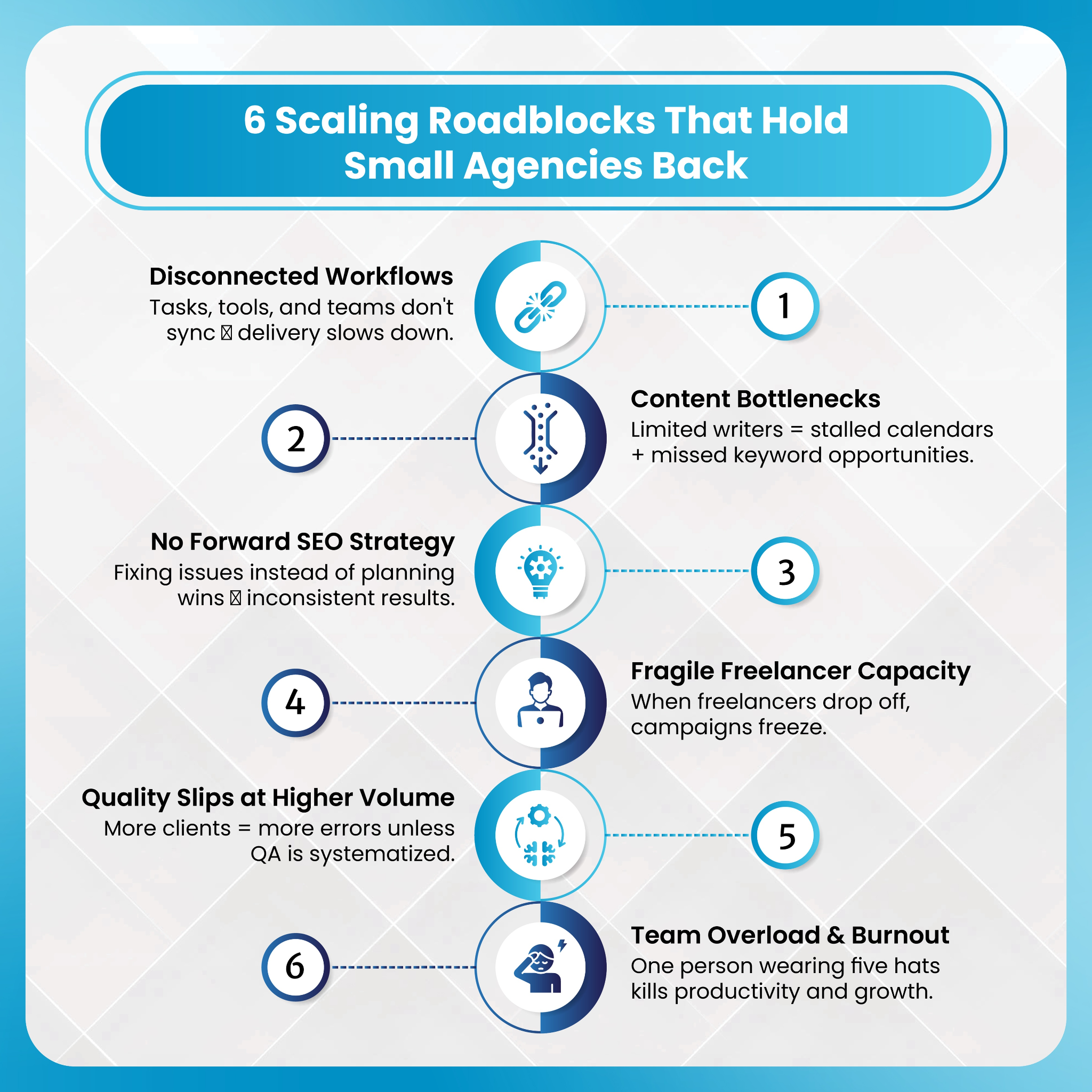
Operational overload remains one of the biggest barriers to agency growth. As search algorithms become more complex, agencies often struggle to maintain scalable execution while preserving profitability and strategic focus. Many firms spend so much time managing fulfillment that they lose the capacity to expand their client base or pursue long-term growth opportunities.
This challenge is driving a major shift in how agencies operate. Instead of building massive internal fulfillment teams, many are leveraging white label SEO partnerships to create scalable operational infrastructure. By outsourcing technical execution, agencies can stabilize delivery, improve margins, and focus on growth-oriented activities.
According to HubSpot, more than 60% of marketers identify generating traffic and leads as their top challenge. As demand for SEO services continues to rise, agencies that lack efficient fulfillment systems often experience operational bottlenecks that limit growth. This is why partnering with a white label SEO agency has become a strategic business decision rather than simply an outsourcing tactic.
A. White Label SEO Reduces Strategic Distraction for Agency Leadership
Agencies often lose growth momentum because leadership becomes trapped in fulfillment management instead of business expansion.
1. Reclaiming Leadership Bandwidth
Many agency founders spend a large portion of their time overseeing SEO execution rather than focusing on expansion. Reviewing technical audits, managing content timelines, and troubleshooting delivery issues quickly become operational bottlenecks that slow growth.
A partnership with a white label SEO agency removes much of that fulfillment burden. Instead of micromanaging campaigns, leadership teams can focus on sales, partnerships, client retention, and long-term strategy.
This shift creates a major operational advantage. When executives are no longer tied to day-to-day execution management, they can dedicate more attention to acquiring higher-value clients and building scalable revenue channels.
2. Separating Growth Functions From Production Functions
High-growth agencies typically separate client acquisition from fulfillment operations. When both functions rely on the same internal team, conflicting priorities emerge. Sales teams continue bringing in new accounts while production teams struggle to keep up with delivery demands.
Strategic SEO partnerships create a clearer organizational structure. Internal teams can focus on growth, account management, and client communication while the fulfillment partner handles technical optimization, content execution, reporting, and campaign production.
This separation improves operational clarity across departments and reduces the friction caused by overloaded internal resources.
3. Strategic Focus Improves Agency Expansion
When fulfillment systems become stable and predictable, agencies can scale more confidently.
Leadership teams make faster decisions because they are no longer concerned about operational capacity limits. Sales departments can pursue larger accounts without worrying whether internal teams can support additional workload.
This increased focus allows agencies to target more profitable clients, improve proposal quality, and accelerate business development efforts without sacrificing delivery quality.
B. White Label SEO Creates Operational Predictability During Agency Growth
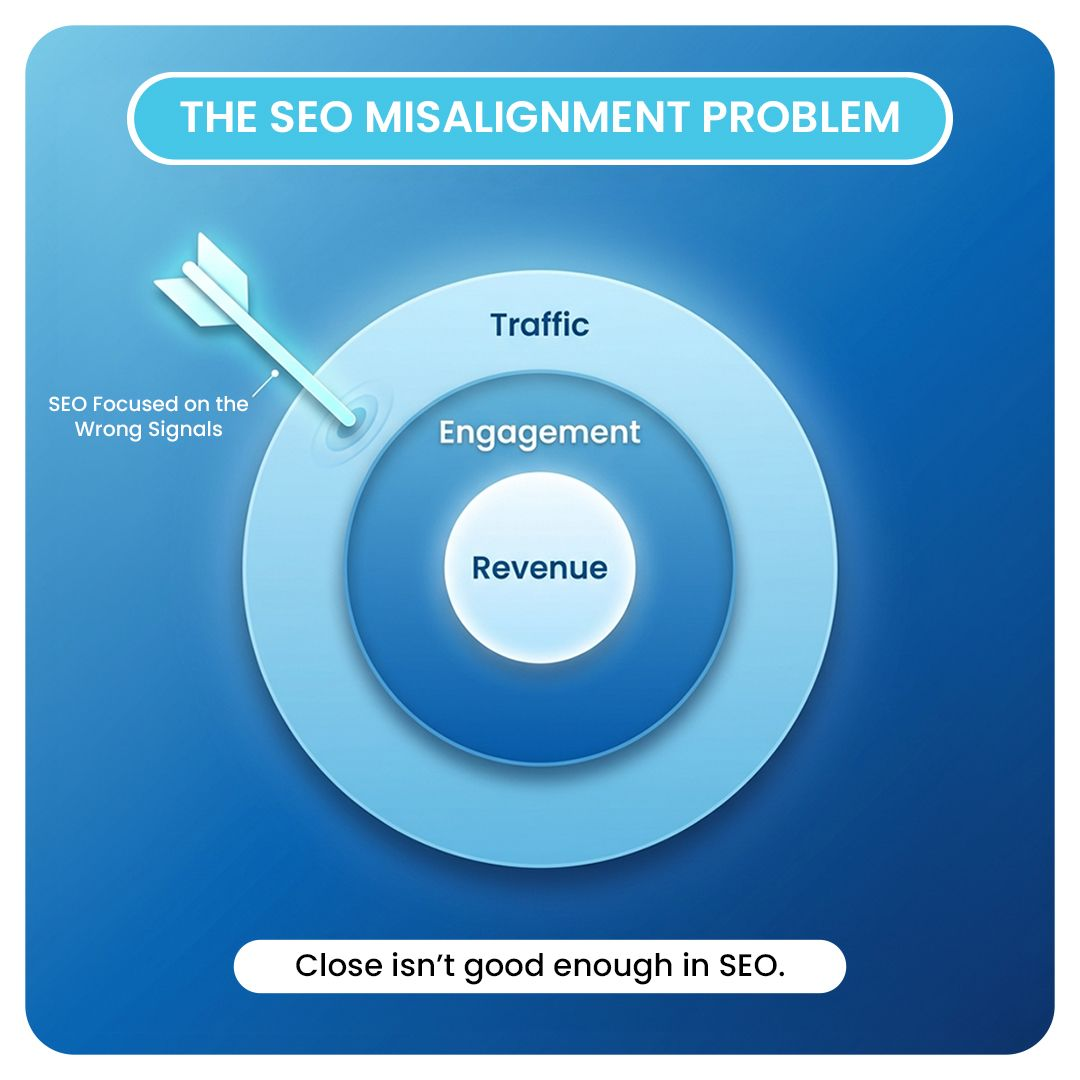
Agencies rarely fail because demand disappears. They fail because operations become unstable during growth periods, which results in misalignment in SEO strategy.
1. Eliminating Fulfillment Volatility
Internal fulfillment systems often become inconsistent as agencies scale. Sudden increases in client volume can create missed deadlines, reporting delays, and uneven campaign execution.
One of the biggest risks is overreliance on individual employees. Many agencies depend heavily on a few senior SEO specialists. When those employees leave or become overloaded, campaign quality suffers.
Using the best white label SEO services helps agencies stabilize execution by providing access to broader operational infrastructure. Campaign delivery becomes less dependent on individual internal bandwidth and more reliant on standardized systems designed for scale.
2. Creating Predictable Service Delivery Systems
Predictability is critical for sustainable agency growth. Standardized workflows ensure campaigns move consistently from onboarding and auditing to optimization and reporting.
With structured white label SEO management systems in place, agencies gain:
- consistent turnaround timelines
- standardized reporting processes
- clearer delivery expectations
- and easier capacity planning
Operational predictability reduces internal chaos and improves coordination between account managers, sales teams, and fulfillment departments.
Why Predictability Improves Agency Stability?
Consistent execution strengthens both client confidence and internal operations.
Clients trust agencies that consistently deliver reports, optimizations, and communication on schedule. Reliable fulfillment also improves revenue forecasting because leadership can accurately assess operational capacity and onboarding capability.
Most importantly, predictable systems reduce operational stress during expansion. Teams spend less time reacting to fulfillment problems and more time focusing on strategic growth initiatives.
C. White Label SEO Helps Agencies Protect Profit Margins at Scale
Revenue growth alone does not create strong agencies. Sustainable profitability does.
1. The Margin Compression Problem in Growing Agencies
Many agencies experience shrinking margins as they scale internally. Hiring SEO strategists, writers, technical specialists, and account managers significantly increases payroll expenses.
Software costs create additional pressure. Enterprise SEO platforms, reporting tools, auditing software, and analytics systems become increasingly expensive as client volume grows.
Internal expansion also creates hidden operational costs, including recruiting, training, employee management, and process oversight. In many cases, agencies discover that scaling internal SEO teams reduces profitability faster than expected.
2. Turning SEO Fulfillment Into a Scalable Cost Structure
White label fulfillment changes the economics of agency operations.
Instead of maintaining large fixed payroll obligations, agencies gain flexible fulfillment costs tied directly to active client accounts. This structure reduces operational liabilities and creates far more predictable margins.
Because pricing and fulfillment costs become easier to forecast, agencies can scale with greater financial clarity. Leadership teams know exactly how operational expenses align with recurring revenue.
This is one reason many firms rely on white label SEO management solutions to create more scalable operational models without dramatically increasing overhead.
3. Building a Leaner Growth Model
Lean agencies scale more efficiently because they avoid unnecessary operational bloat.
A strategic fulfillment partner allows agencies to increase revenue without proportionally expanding payroll, management layers, or internal infrastructure. The agency gains access to specialized SEO expertise without carrying the full financial burden of building large in-house departments.
This model improves long-term financial sustainability while preserving operational flexibility during market fluctuations.
D. Strategic SEO Partnerships Increase Agency Adaptability
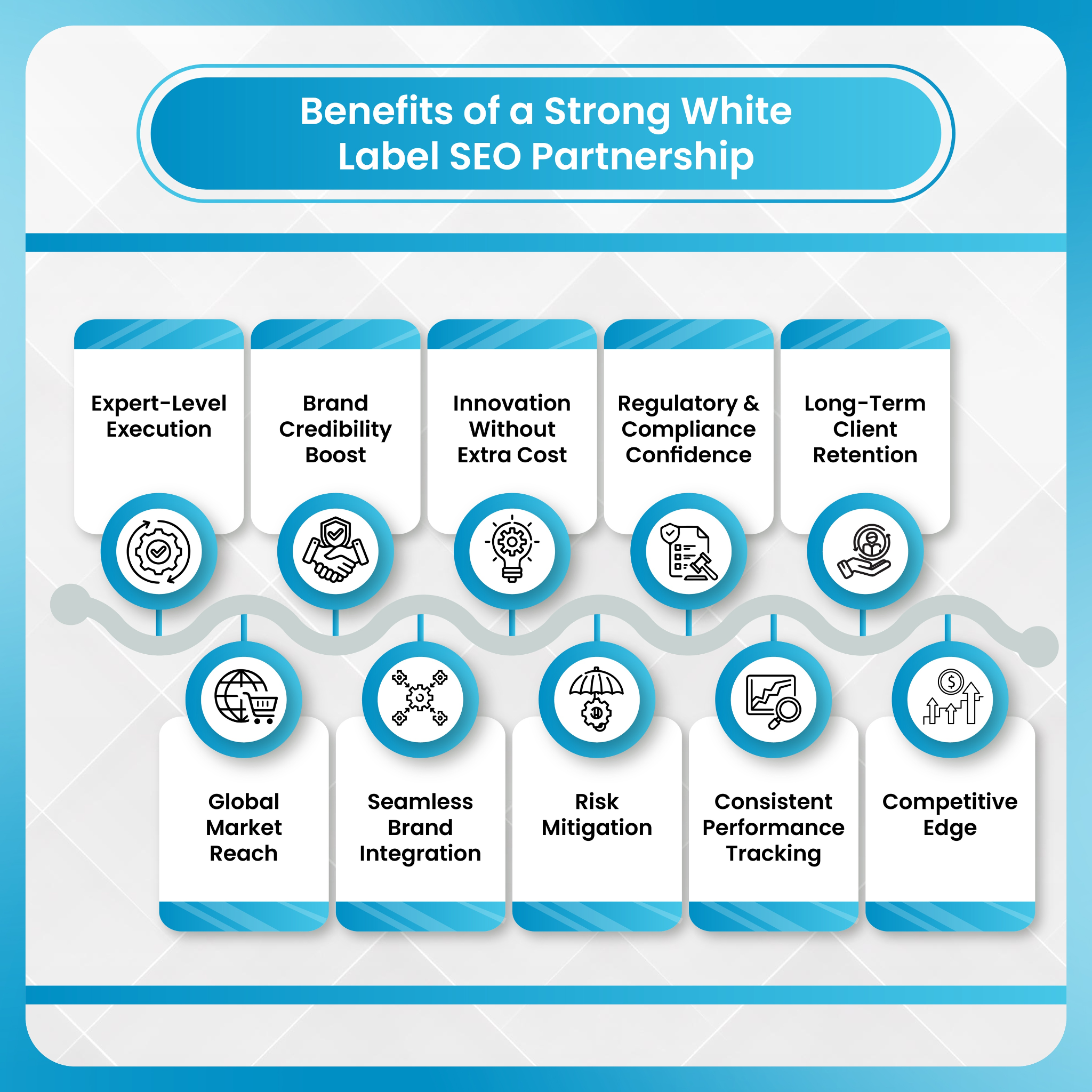
SEO changes faster than most internal agency teams can realistically adapt. A strategic white label SEO partnership gives agencies immediate access to evolving expertise and scalable execution without constantly rebuilding internal resources.
1. Accessing Evolving SEO Capabilities Faster
Modern SEO now includes AI-influenced search optimization, advanced technical SEO, UX-focused optimization, and increasingly sophisticated content strategies. AI-driven SEO adoption has accelerated significantly across agencies and enterprise marketing teams.
Keeping pace internally requires constant education, experimentation, and process development. For many agencies, maintaining this level of specialization across multiple disciplines becomes difficult while managing daily fulfillment demands.
Strategic partnerships provide immediate access to evolving capabilities without requiring agencies to continuously rebuild internal teams.
2. Reducing Strategic Risk During Industry Changes
Algorithm updates often create operational disruption for agencies managing fulfillment entirely in-house.
A white label SEO agency can typically adapt faster because its infrastructure is built specifically around ongoing SEO execution and optimization. Instead of pausing operations to retrain internal teams, agencies can continue delivering stable campaigns while their fulfillment partner adjusts strategies behind the scenes.
This flexibility reduces strategic risk during major industry shifts and helps agencies remain competitive without restructuring their operations.
3. Creating a More Agile Agency Model
Operational flexibility allows agencies to expand into new markets more easily.
Instead of hiring entirely new internal specialists, agencies can test new SEO services, verticals, or campaign types using existing fulfillment infrastructure. This creates a more agile business model capable of adapting quickly to changing demand.
As AI-driven SEO adoption accelerates across the industry, adaptability is becoming a major competitive advantage for growing agencies.
While bloated competitors spend months reorganizing their internal departments to meet new demands, the agile agency simply adjusts its sales focus, knowing the backend execution will seamlessly adapt to support the new direction.
E. White Label SEO Strengthens Client Confidence Beyond Rankings
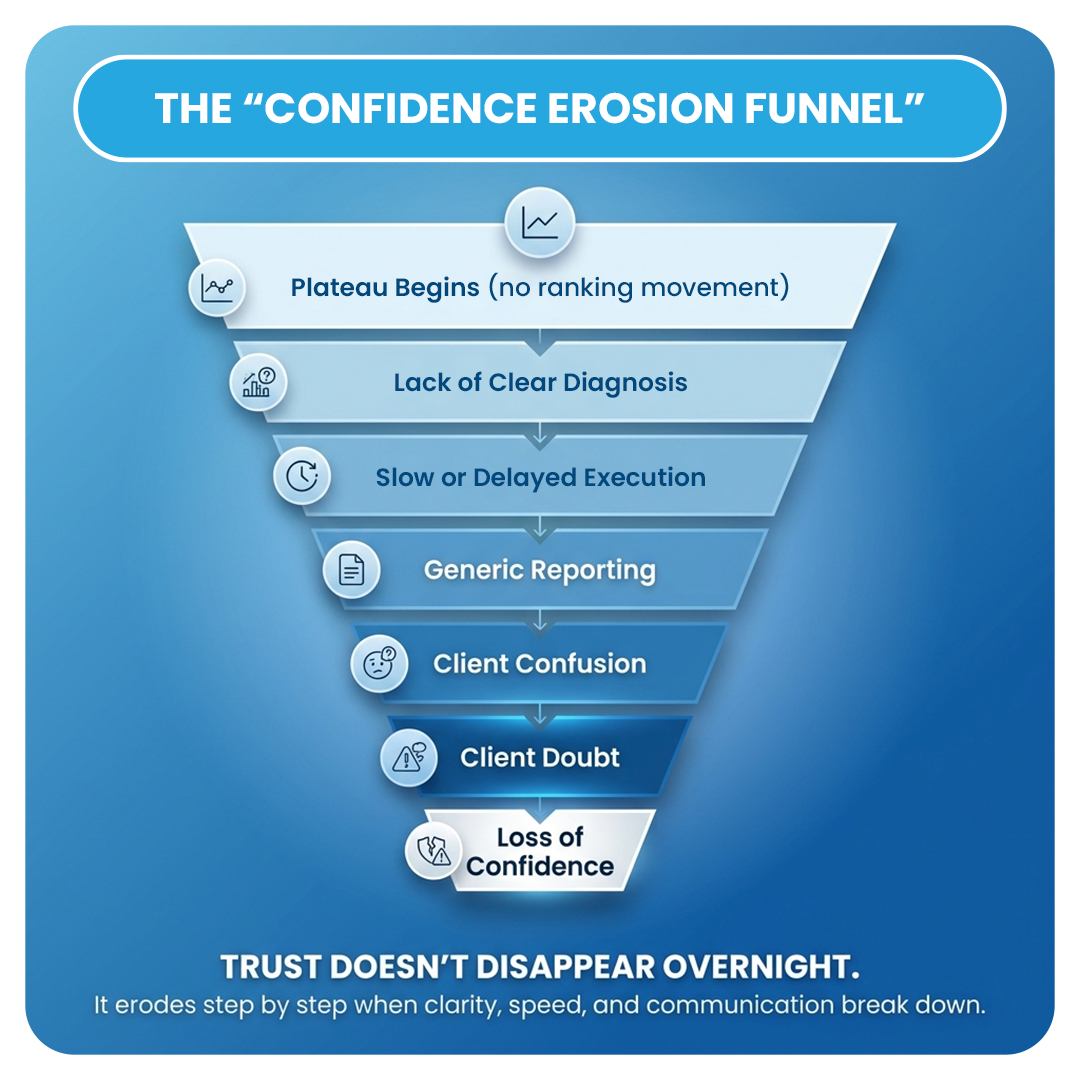
Modern clients increasingly evaluate agencies based on operational reliability, communication quality, and strategic execution rather than rankings alone.
1. Improving Perceived Agency Maturity
Clients associate operational structure with professionalism.
Consistent reporting systems, organized workflows, and reliable communication make agencies appear more established and trustworthy. Faster implementation timelines also reinforce the perception of operational competence.
When agencies operate with structured fulfillment systems, clients experience smoother communication, clearer expectations, and stronger confidence in campaign execution.
2. Delivering a More Enterprise-Level Client Experience
Larger clients expect organized onboarding systems, transparent reporting, and dependable timelines.
A structured white label SEO management framework helps agencies deliver a more enterprise-level experience regardless of internal team size. Clients benefit from:
- reliable execution schedules,
- clearer visibility into campaign performance,
- streamlined onboarding,
- and more professional communication processes.
This level of operational consistency improves both trust and long-term retention.
Why Operational Excellence Impacts Retention?
Client retention is often driven more by consistency than isolated ranking improvements.
Agencies that communicate clearly, meet deadlines, and maintain predictable workflows typically retain clients longer than agencies with inconsistent operations. Trust compounds when clients repeatedly receive reliable service experiences.
Operational excellence also increases referral potential. Satisfied clients are more likely to recommend agencies that deliver organized, dependable experiences.
F. White Label SEO Helps Agencies Build More Scalable Business Models
The long-term value of white label SEO is not fulfillment alone. It is the ability to build an agency that scales beyond dependence on the founder.
1. Moving Away From Talent-Dependent Scaling
People-heavy agency models create growth bottlenecks. Scaling depends entirely on hiring, training, and retaining increasingly specialized talent.
This creates operational fragility. If key employees leave, campaign delivery can quickly become unstable.
A white label SEO agency reduces dependency on individual internal performers by replacing fragile fulfillment structures with scalable operational systems.
2. Creating Infrastructure for Sustainable Growth
Sustainable growth requires repeatable systems.
Standardized onboarding processes, repeatable delivery models, and scalable account management structures allow agencies to grow without overwhelming internal teams.
When fulfillment infrastructure is already established, agencies can onboard new clients more efficiently while maintaining service consistency across accounts.
3. Increasing Long-Term Agency Valuation
Operational maturity directly impacts agency valuation.
Businesses with scalable systems, predictable recurring revenue, and efficient operational models are significantly more attractive to potential buyers or investors. Agencies built around stable infrastructure are viewed as lower-risk and more sustainable.
By reducing operational dependency on founders and internal specialists, strategic SEO partnerships help agencies create more valuable long-term business models.
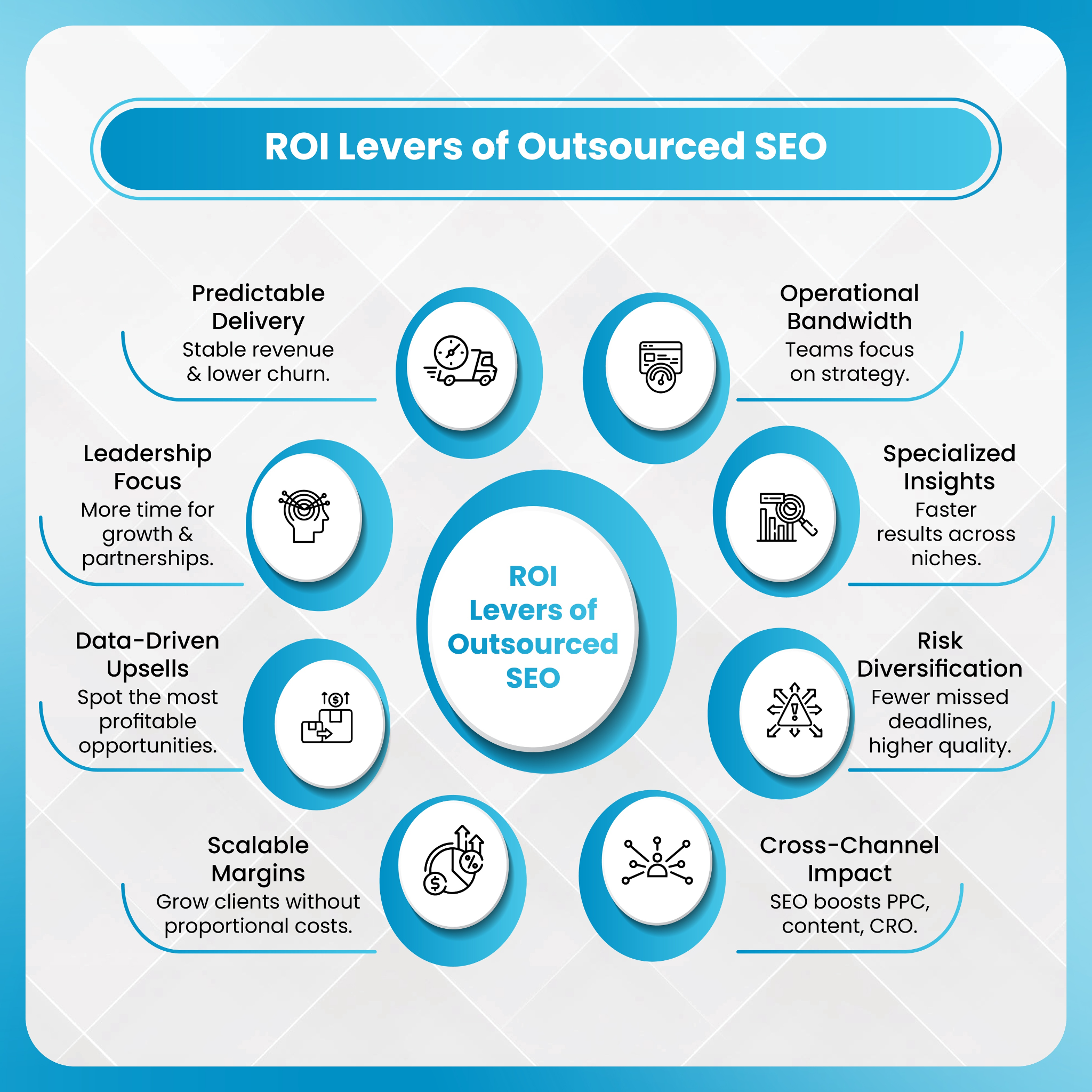
How DashClicks’ White Label SEO Services Support Scalable Agency Operations
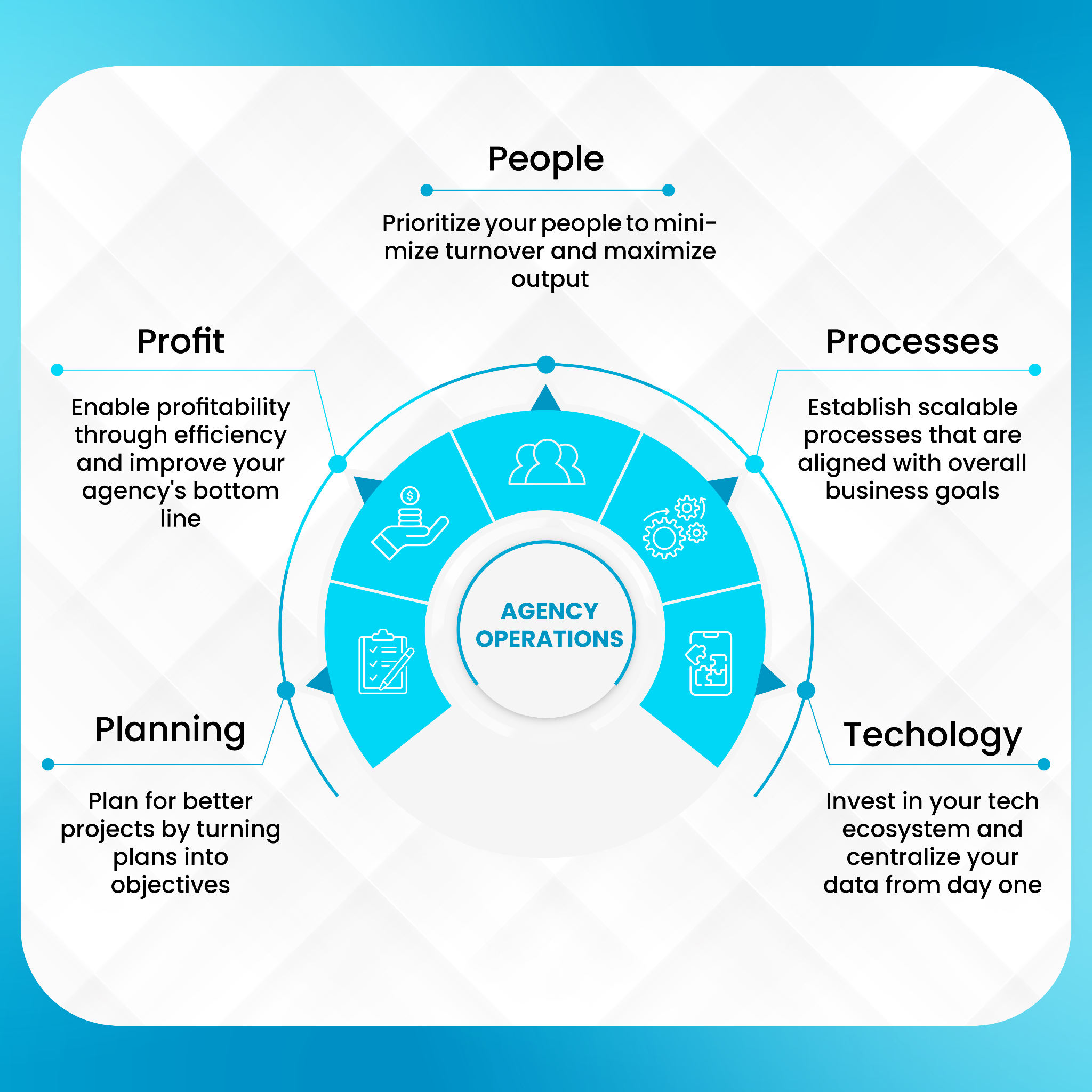
Agencies looking to build a highly structured backend frequently leverage DashClicks as their scalable fulfillment infrastructure. Rather than simply acting as a freelancer replacement or a generic outsourcing tool, the platform provides an operational execution layer designed specifically to support agency growth. By integrating its white label SEO management solutions, marketing firms gain immediate access to a centralized campaign management system that standardizes the entire fulfillment process.
The platform provides structured fulfillment systems covering every aspect of optimization. From deep technical SEO execution and site architecture improvements to rigorous content fulfillment workflows, the backend operational framework is built for high-volume consistency. Agencies can easily monitor progress through automated reporting dashboards that offer total transparency for both the agency and the end client.
Agencies using structured fulfillment systems can stabilize reporting cycles, delivery consistency, onboarding workflows, campaign execution quality, and operational coordination. Because workflow standardization is built directly into the software environment, agencies eliminate the delivery volatility that typically accompanies rapid scaling. This stable foundation functions as a true business architecture.
This structured approach changes how internal teams function, freeing internal leadership teams to focus more on strategy, retention, business development, upselling, and growth planning. By relying on DashClicks to handle the heavy lifting of daily execution, marketing firms can transition away from talent-dependent scaling and operate with the efficiency of a much larger enterprise.
Conclusion
The most scalable agencies are no longer trying to own every operational process internally. Instead, they are building strategic ecosystems that maximize efficiency, adaptability, and long-term growth potential.
White label SEO must be viewed as strategic growth infrastructure rather than a simple outsourcing tactic. When marketing firms utilize scalable operational support, they fundamentally alter their business trajectory. This business stability architecture ensures that client delivery remains flawless regardless of how rapidly the agency expands its client roster.
By shifting the execution burden, agencies guarantee operational predictability and secure their profit margins against the rising costs of internal payroll. This model ensures profitability protection while granting executives the vital leadership focus needed to drive the company forward. Furthermore, the immense scalability and adaptability provided by a specialized partner ensure long-term stability in an industry defined by constant algorithmic shifts.
The agencies that scale most successfully are not necessarily the ones building the largest internal teams. They are the ones building the most efficient operational ecosystems behind their services.
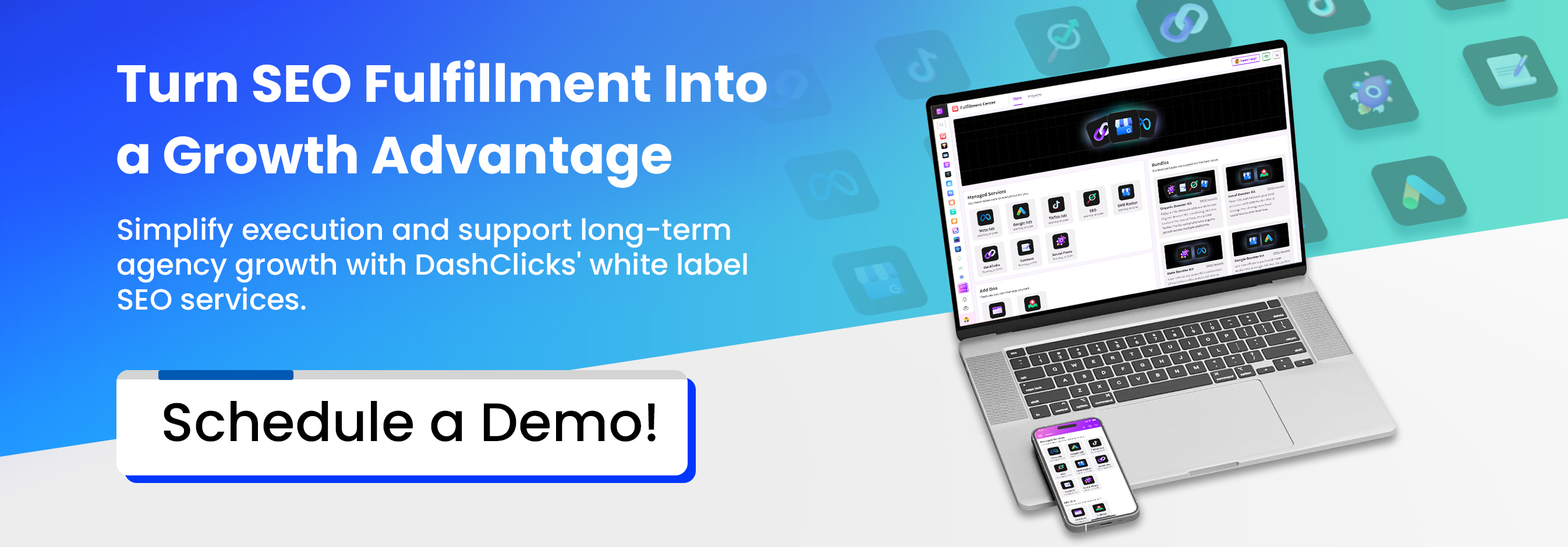

How White Label PPC Enables Predictable Growth in an Unpredictable Ad Economy
Advertising agencies currently operate in an environment characterized by intense margin pressure and platform instability. Managing client accounts requires navigating a reality where algorithms change overnight, and acquisition costs consistently escalate. The fundamental difficulty facing agencies is maintaining predictable growth when the advertising platforms themselves have become inherently unpredictable.
Google Search CPCs increased by 13% YoY in Q1 2024, according to Tinuiti’s Digital Ads Benchmark Report.
This rise in click costs fundamentally changes how agencies must operate. When baseline expenses escalate, the margin for error in campaign execution disappears. In Q4 2024, Google Search CPCs were still up 7% YoY despite slowing click growth, showing that acquisition costs continue rising faster than traffic opportunities.
This dynamic puts immense pressure on agency profitability. LocaliQ data found that 86% of industries experienced higher Google Ads costs in 2024.
Because these rising costs affect nearly every client portfolio, agencies cannot simply rely on basic campaign setups to demonstrate value. In this turbulent context, white label PPC functions as a risk distribution model. It allows agencies to reduce dependency on internal hiring cycles and spread operational pressure across specialized execution teams. By leveraging external specialists, agencies protect their margins when ad costs rise faster than retainer fees.
Agencies no longer lose clients solely because campaigns fail. They lose clients because performance becomes inconsistent, reporting becomes reactive, and internal teams cannot adapt fast enough to auction volatility.
Why White Label PPC Creates Predictable Agency Growth?
An unpredictable advertising market requires a highly predictable fulfillment system. That is where white label PPC services create a strategic advantage. Instead of scaling overhead alongside every new client, agencies gain a flexible fulfillment infrastructure that supports growth without increasing operational strain.
By partnering with a specialized white label PPC agency, agencies separate client strategy from daily campaign execution. As platforms become more automated and optimization demands increase, internal teams often spend more time managing bid adjustments, reporting, and platform changes than building agency-client relationship. White label fulfillment helps maintain campaign consistency while freeing account managers to focus on retention and growth.
Predictable agency growth also depends on standardized delivery. Established white label PPC providers operate with structured optimization processes, reporting systems, and campaign management workflows that help maintain service consistency as agencies scale. When delivery becomes more reliable, agencies improve retention stability and create a stronger recurring revenue foundation.
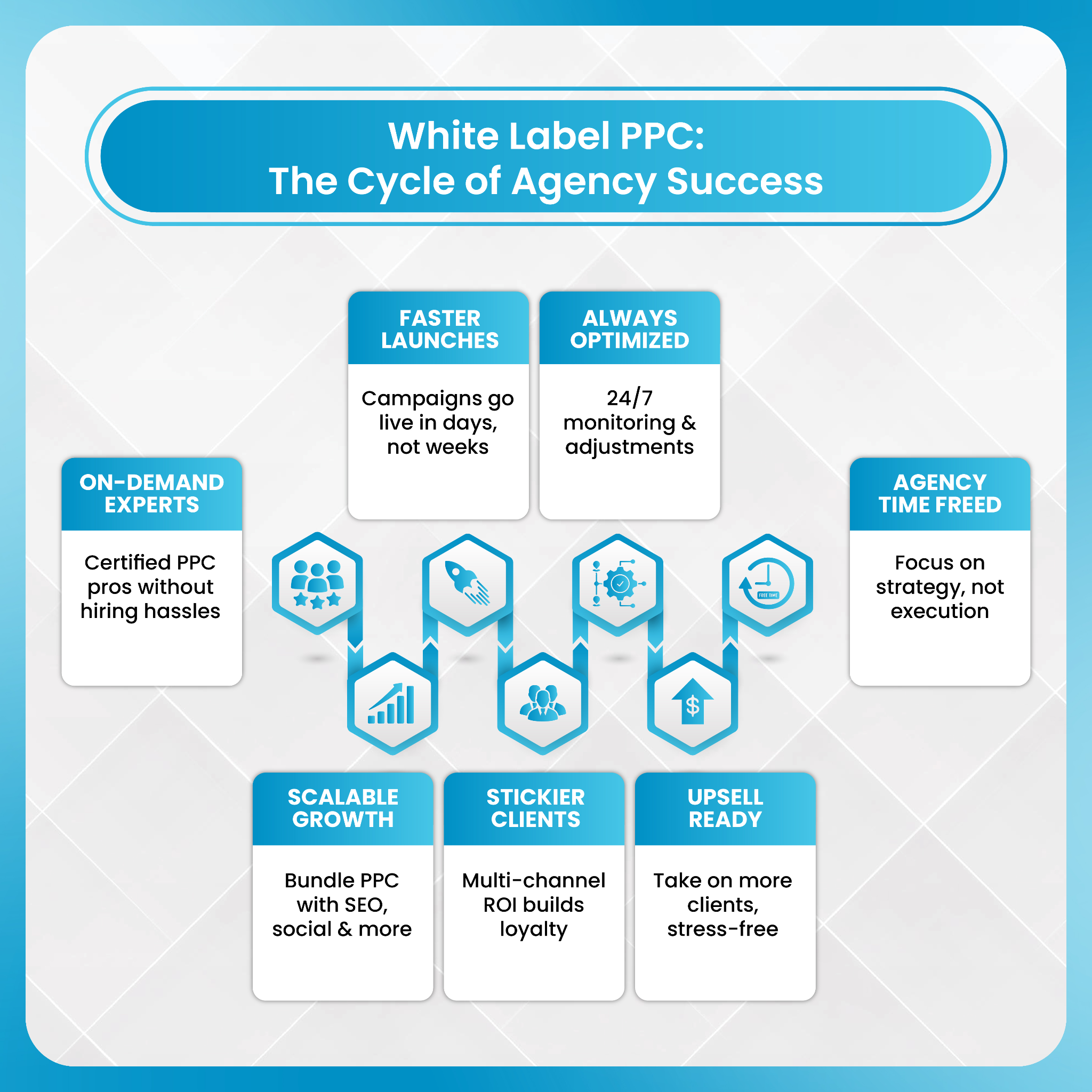
Agencies Are No Longer Competing on Campaign Setup: They Are Competing on Stability
There was a time when PPC success largely depended on campaign structure, keyword targeting, and ad creative. While those elements still matter, the competitive landscape has evolved.
Today, modern PPC management has fundamentally shifted. Success is no longer about launching ads. It is about stabilizing customer acquisition costs, lead quality, and return on ad spend despite continuous platform volatility.
Clients no longer evaluate agencies solely based on occasional performance spikes or isolated campaign wins. Instead, they increasingly value:
- Stable lead flow
- Predictable CPL trends
- Forecasting accuracy
- Faster optimization cycles
- Consistent reporting transparency
In many cases, “performance reliability” has become a stronger retention factor than short-term ROAS gains.
For example, an agency that consistently keeps cost-per-lead fluctuations within a 10–15% monthly variance may retain clients longer than an agency that occasionally produces exceptional ROAS but delivers highly unstable performance month-to-month.
This shift creates enormous pressure on internal PPC teams. Agencies are expected to continuously stabilize:
- CAC (Customer Acquisition Cost)
- Lead quality
- Conversion rates
- Budget efficiency
- Reporting accuracy
all while ad platforms themselves continue changing at an accelerated pace.
The reality is that clients increasingly associate operational consistency with agency competence. And that is where many internal teams begin to struggle.
Why Internal PPC Teams Become Financially Inefficient During Ad Market Volatility?
Building an internal media buying team sounds ideal in theory, but it often becomes a financial liability during periods of market instability.
Many agencies underestimate the hidden costs associated with scaling internal PPC operations, including:
- Senior PPC specialist salaries
- Recruitment expenses
- Training and onboarding delays
- Platform certification requirements
- Cross-channel specialization gaps
- Burnout caused by rapid platform updates
The challenge is magnified by how quickly advertising platforms now evolve.
Google Ads alone continuously introduces changes related to:
- AI-driven bidding automation
- Performance Max optimization
- Search intent interpretation
- AI-generated SERP features
- Audience modeling
- Attribution frameworks
At the same time, platforms like Meta, LinkedIn, YouTube, and Microsoft Ads each require specialized expertise and ongoing adaptation.
Media buyers face intense burnout from trying to keep pace with these rapid platform updates. Reuters reported aggressive bidding from Temu and Shein significantly inflated keyword CPCs across retail categories during Black Friday competition cycles.
This aggressive auction behavior forces internal teams to spend far more time analyzing bids just to maintain baseline results. This volatility directly compresses agency margins. Account managers must dedicate more optimization hours, conduct more reporting work, and hold more strategy calls, all while collecting the exact same retainer fees from the client. When it takes twice as long to achieve the same result, the agency loses money.
This creates the need for a fulfillment structure capable of absorbing operational volatility without continuously increasing internal overhead.
White Label PPC as an Operational Buffer Against Margin Compression
To survive in a fluctuating market, agencies must control their fixed costs while maximizing their service output. White label PPC helps agencies absorb market instability without scaling internal overhead.
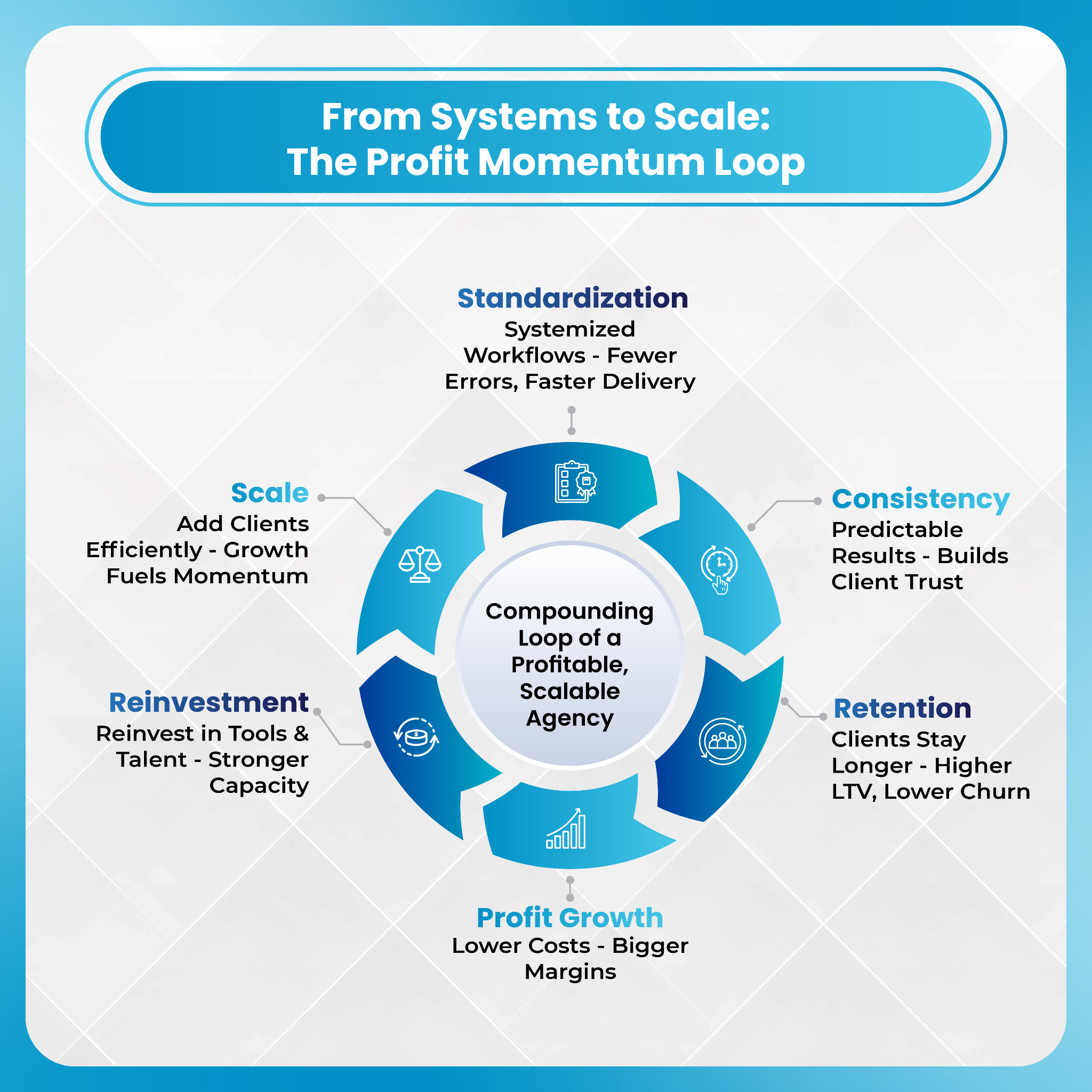
By transferring the execution burden to a specialized partner, agencies turn a fixed payroll expense into a flexible cost of goods sold.
A. Specialized Media Buying Expertise
Navigating complex ad networks requires deep specialization. Through white label PPC services, agencies gain access to channel-specific specialists who spend all day inside specific platforms. This dedicated focus allows for faster adaptation to platform changes, better bid calibration, and more advanced audience segmentation.
Specialization improves adaptation speed because experts do not have to split their attention across varying disciplines. A dedicated Google Ads specialist will identify an algorithm shift and adjust bidding strategies long before a generalist digital marketer even notices the drop in performance.
By utilizing specialized teams, the agency ensures that client budgets are managed by individuals who possess deep, tactical knowledge of the specific ad network. This reduces wasted ad spend and accelerates the timeline to achieve a positive return on investment.
B. Scalable Execution Infrastructure
Capacity bottlenecks kill agency growth. A white label PPC agency provides a highly scalable execution infrastructure. This translates directly to the ability to:
- Onboard more PPC clients simultaneously
- Launch campaigns faster
- Reduce dependency on individual account managers
- Expand service offerings without hiring immediately
- Maintain delivery consistency during rapid growth periods
Execution becomes elastic instead of fixed. If the sales team closes five new accounts in a single week, the white label provider easily absorbs the influx of work. Faster campaign launch cycles mean clients see activity sooner, which builds early momentum and trust. The agency can scale its revenue aggressively without needing to pause sales efforts while frantically attempting to recruit, hire, and train new media buyers.
C. Cross-Industry Optimization Intelligence
Operating in a vacuum severely limits optimization potential. White label providers often manage campaigns across numerous industries and hundreds of accounts simultaneously. This broad perspective creates faster pattern recognition, better budget allocation, and more efficient scaling frameworks.
We can view white label PPC providers as shared intelligence systems instead of outsourced labor. Because the white label team analyzes data across a massive aggregate portfolio, they can spot macroeconomic trends or platform-wide algorithmic shifts and apply preventative measures to your clients' campaigns immediately.
If a specific bidding strategy stops working for dental clients in one region, the white label team will proactively adjust similar campaigns across your portfolio. This cross-industry insight acts as an advanced warning system against performance degradation.
Operational scalability alone is not enough. Predictability also directly affects client retention.
Predictable Performance Creates Predictable Client Retention
Client churn is the most expensive problem an agency can face. There is a direct relationship between campaign consistency, reporting confidence, retention duration, and agency cash flow stability. When clients know exactly what to expect from their campaigns and their agency team, they stay. When ambiguity replaces clarity, clients start looking for other options.
Clients will often accept:
- Moderate CPL increases
- Seasonal fluctuations
- Temporary performance dips
- Platform-driven volatility
But they are far less forgiving of:
- Communication gaps
- Reactive account management
- Delayed optimizations
- Unclear reporting
- Unexplained performance swings
If a client has to ask the agency why the lead volume dropped last week, the agency has already lost a crucial degree of trust. White label PPC improves retention because it creates faster response times, more structured optimization, better reporting continuity, and significantly reduced delivery bottlenecks.

By implementing a framework of Retention Through Predictability, agencies establish a clear cadence that reassures the client. This means maintaining a predictable reporting cadence, predictable optimization schedules, predictable strategic recommendations, and predictable communication.
Consider a hypothetical scenario where an agency managing 15 PPC accounts internally struggles after CPC inflation increases optimization demands by 40 percent. The internal team burns out, reports are delayed, and clients become frustrated with the lack of strategic communication. After shifting fulfillment to a white label PPC partner, the entire dynamic shifts. Campaign turnaround time improves dramatically. Reporting consistency stabilizes. Account managers suddenly have the capacity to spend more time on client strategy and upselling instead of being bogged down by operational firefighting.
This operational predictability ultimately changes how agencies position themselves long-term.
The Agencies That Will Scale in the Next 5 Years Will Be Operationally Flexible
The digital marketing landscape of the future will punish rigid business models. The future advantage will not belong to agencies with the biggest teams or the most lavish offices. It will belong to agencies with flexible fulfillment systems, faster adaptation capacity, lower operational drag, and a much more stable delivery infrastructure.
Agencies must embrace the concept of “Variable Operations for Variable Ad Markets.”
When ad markets fluctuate, agencies need fulfillment systems that can expand or contract without damaging profitability. If a major platform update temporarily suppresses campaign performance across a specific sector, an agency with massive fixed payroll costs will bleed cash. An operationally flexible agency simply adjusts its variable costs.
White label PPC enables agencies to maintain that flexibility by creating:
- Leaner fixed operational costs
- Faster scalability
- Easier expansion into new verticals
- Multi-channel PPC capability
- Reduced hiring dependency
- Faster service diversification
It allows agencies to pivot and offer faster service diversification. If a client wants to test LinkedIn Ads, the agency does not need to hire a LinkedIn specialist; they simply leverage their white label partner. Agencies dependent entirely on internal fulfillment may eventually face slower adaptation cycles, reduced margins, and higher client churn during volatile advertising periods.
Predictable agency growth today depends less on controlling advertising platforms and more on building operational systems resilient enough to survive platform unpredictability.
How DashClicks’ White Label PPC Services Support Operational Stability?
Managing multiple paid search campaigns often creates internal friction for growing agencies. Every new client introduces unique onboarding workflows, optimization schedules, and reporting cycles. Without a centralized execution infrastructure, these fragmented processes lead to execution bottlenecks and strained resources.
Deploying a white label PPC agency solves this problem by standardizing backend delivery. When agencies leverage DashClicks as their operational infrastructure, they instantly gain a scalable framework for campaign setup, ongoing optimization, and data tracking. This distinct separation between client strategy and backend fulfillment execution stabilizes daily operations. Instead of treating every campaign launch as a custom project, agencies rely on structured onboarding workflows that guarantee execution consistency.
Delivery continuity relies heavily on transparent data management. Centralized operational systems provide unified reporting dashboards that consolidate campaign visibility across multiple client accounts. This dashboard-driven approach improves reporting continuity, ensuring account managers always have accurate performance metrics readily available without manually compiling spreadsheets.
By utilizing DashClicks as a backend delivery framework, agencies can scale their PPC volume without the dependency of hiring large in-house teams. Offloading the heavy lifting of campaign coordination and fulfillment standardization allows internal staff to reallocate their time to high-value activities. Freed from daily optimization tasks, agency teams can focus entirely on proactive client communication, long-term growth strategy, upselling, and account retention. Ultimately, this creates a stable environment where operational scalability happens naturally, completely untethered from internal capacity constraints.
Conclusion
The advertising economy is becoming increasingly volatile, making it extremely difficult for traditional agency structures to maintain healthy profit margins. Rapid CPC inflation and AI driven automation continuously reduce predictability on major ad platforms. To survive and scale, agencies require scalable systems instead of endlessly expanding internal teams that quickly become financial liabilities during market downturns.
Adopting a white label PPC framework is a fundamental business strategy. White label PPC enables agencies to protect margins, maintain campaign consistency, improve client retention, and scale rapidly without introducing severe operational fragility. By transforming fixed labor costs into flexible execution expenses, marketing firms secure their financial baseline regardless of how the ad auctions fluctuate.
The agencies that thrive over the next decade will not necessarily be the ones spending the most on ads. They will be the ones building the most resilient delivery ecosystems behind their PPC services.

How White Label SEO Simplifies SEO Operations for Agencies
Most agencies can technically deliver search engine optimization services to a handful of clients, but very few can deliver those same services consistently at scale. As an agency grows and acquires more clients, the operational complexity expands much faster than the overall efficiency of the team. Growth creates immediate fragmentation. You suddenly have more clients, more workflows, and a massive increase in coordination complexity across different departments. The real bottleneck holding back growth is not a lack of SEO skill alone. The core bottleneck is operational coordination.
SEO success inside agencies increasingly depends on systems instead of individual specialists. HubSpot reports that over 60% of marketers cite generating traffic and leads as their top challenge. Operational inefficiency is often the underlying issue here, not the strategy itself. When teams cannot execute efficiently, the strategy fails to materialize into actual traffic or leads.
As agencies grow, this inefficiency does not appear immediately. It accumulates silently as operational debt inside every SEO process.
The Hidden Operational Debt Inside Growing SEO Agencies
Operational debt refers to the hidden costs of taking shortcuts in processes, workflows, and systems to accommodate rapid growth. When an agency brings on new accounts without a rigid system, teams invent localized solutions to get the work done. Over time, these localized solutions create a massive web of disconnected processes. This debt forces teams to work harder rather than smarter.
1. Disconnected SEO Workflows
Disconnected SEO workflows occur when different account managers build custom processes for every single client. Instead of relying on unified standard operating procedures, team members use different execution styles. One specialist might track keyword progress in a private spreadsheet, while another uses specialized project management software. This creates severe inconsistencies across the agency.
When scaling an agency, you cannot afford to have unique workflows for every account. Scaling increases inconsistency because every new client adds another unique process to the pile.
If a team member goes on vacation or leaves the company, nobody else knows how to manage their specific accounts. The cause of this problem is a lack of centralized fulfillment guidelines from leadership. The effect is that quality control becomes impossible. Managers spend hours trying to understand what work has been completed rather than reviewing the quality of the work itself. When delivery looks different for every client, client expectations become misaligned, and churn rates inevitably rise.
2. Manual Reporting Cycles
Manual reporting cycles are one of the most significant sources of operational drag inside growing agencies. Agencies often rely on spreadsheet-heavy workflows where account managers pull data manually from Google Analytics, search console tools, and keyword trackers. This time-consuming reporting process can take hours for a single client each month.
When team members are manually compiling data, the presentation of key performance indicators becomes highly inconsistent. One manager might highlight traffic growth, while another focuses strictly on backlink acquisition. Reporting becomes an operational drag rather than a strategic asset. The fundamental reason this happens is that agencies treat reporting as a customized deliverable rather than a standardized infrastructure layer.
As the client roster grows, the end of the month becomes a chaotic scramble to assemble data. The time spent building reports directly cannibalizes the time teams should spend executing actual SEO tasks. By failing to systemize data presentation, agencies allow manual reporting to throttle their capacity for taking on new business.
3. Approval Bottlenecks
Approval bottlenecks emerge when an agency scales its client base but fails to distribute decision-making power. In many growing agencies, content approvals are constantly delayed because they require sign-off from senior personnel. You often see a senior SEO dependency or a founder bottleneck, where the agency owner insists on reviewing every single piece of content or technical audit before it goes to the client.
Scaling creates dependency layers. When a founder or a senior manager must approve every deliverable, that individual becomes the absolute limit to the agency's growth. The cause of this SEO bottleneck is a lack of trust in standardized quality assurance processes. Without a rigid framework for what constitutes "good" work, senior staff feel obligated to manually check everything. The effect is that execution velocity plummets. Content sits in a pending folder for weeks, link-building outreach stalls, and clients become frustrated with slow turnaround times. You cannot build a scalable operation if every task must pass through one or two highly constrained individuals.
4. Task Fragmentation
Task fragmentation happens when the core components of an SEO campaign are scattered across too many uncoordinated channels. A single campaign might have SEO tasks split across multiple software tools, independent freelancers, and internal teams. The content writers operate in one system, the technical team operates in another, and the link builders work out of private email inboxes.
This lack of centralized execution means that nobody has a complete view of the campaign's true status. Fragmentation slows execution velocity because team members must constantly chase each other down for updates. "Did the writer finish the blog?" or "Has the technical audit been implemented?" have become daily questions that waste valuable time. The root cause is that agencies treat SEO as a series of isolated tasks rather than a unified production line. The effect is a highly disjointed workflow where deadlines are missed simply because the handoff between the content team and the publishing team was poorly managed. Centralization is mandatory for speed.
5. Inconsistent SOPs
Inconsistent standard operating procedures guarantee that an agency will struggle to deliver uniform results. When an agency lacks centralized documentation, every new hire introduces workflow variance based on their previous experiences or personal preferences. Scaling amplifies inconsistency because you are multiplying this variance by every new employee you bring into the system.
If one account manager believes in aggressive on-page optimization while another prioritizes off-page link velocity, the agency lacks a unified product. The cause of this issue is a failure to document the agency's specific methodology. The result is unpredictable client outcomes.
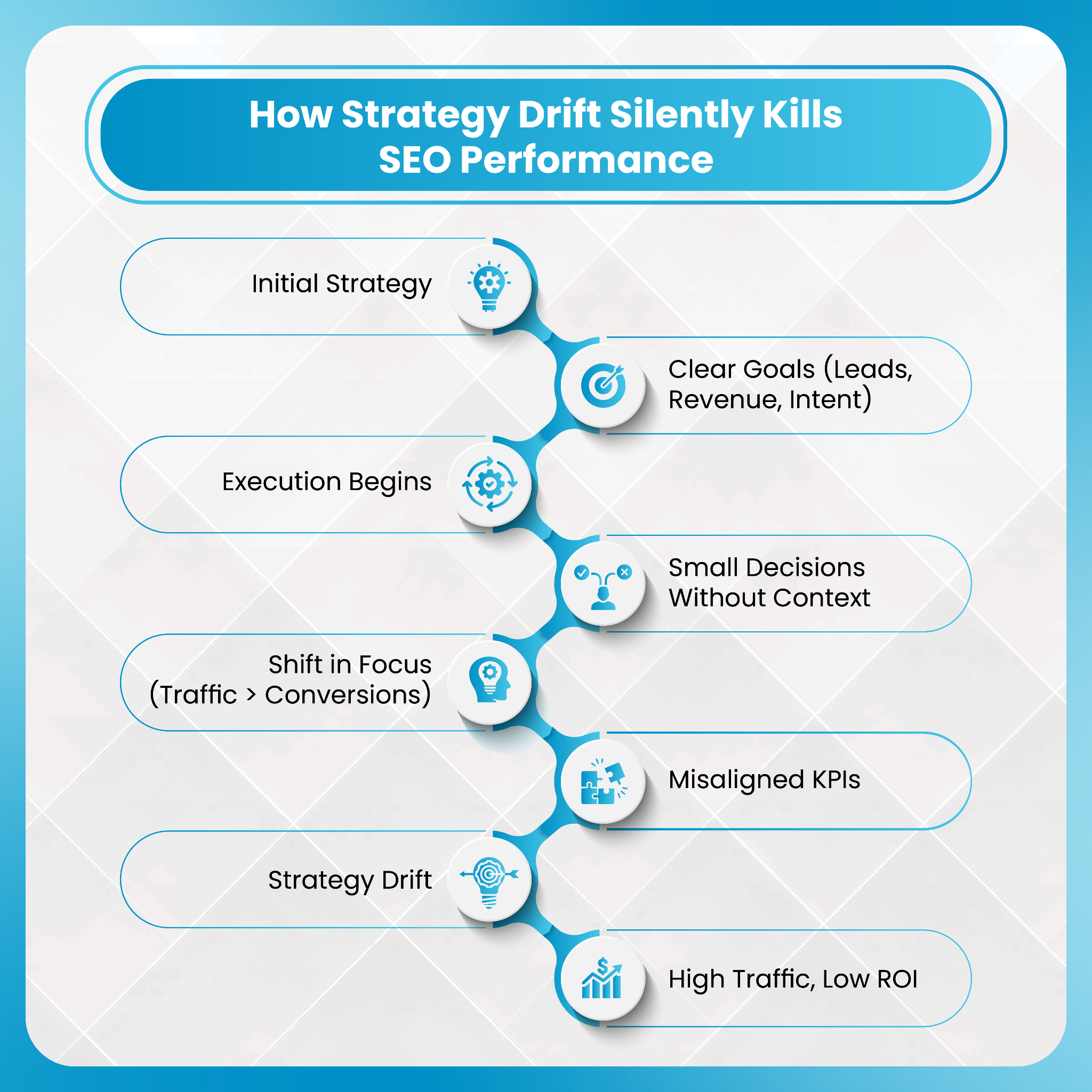
Operational complexity compounds faster than client acquisition. When your processes are inconsistent, training new employees takes months instead of days. As operational debt grows, most agencies assume the answer is hiring more SEO talent. In reality, that creates a deeper structural problem.
Why Most SEO Agencies Scale Inefficiently?
Hiring more SEO specialists increases coordination complexity. Adding more people to a broken system does not fix the system; it only makes the chaos more expensive. Agencies scale inefficiently because they try to solve operational problems with human capital.
1. Context Switching Overload
Context switching overload happens when an SEO manager is forced to juggle multiple accounts across entirely different industries in a single day. A manager might jump from a local plumbing campaign to an enterprise software account, and then to an e-commerce store. This drastic shifting of focus results in a severely reduced execution depth.
Context switching can significantly reduce productivity in knowledge-based work environments. When the brain is forced to constantly shift parameters, cognitive fatigue sets in rapidly. The cause of this overload is poor account distribution and a lack of structured, batched workflows. The effect is that managers do surface-level work on every account rather than deep, impactful optimization. They check off basic tasks just to survive the day but miss the nuanced strategic opportunities that actually drive organic growth. This inefficiency scales linearly with every new client added to their roster.
2. Internal Communication Overload
Internal communication overload paralyzes agencies that have not established clear operational frameworks. When workflows are fragmented, teams develop a heavy dependency on Slack channels, direct messages, and email threads just to figure out what needs to be done. This leads to more meetings, more status checks, and significantly slower execution.
Communication scales faster than output. If you have five people working on an account without a centralized system, the number of communication lines required to keep everyone aligned grows exponentially. The cause is a lack of a single source of truth for project status. If team members have to ask a project manager for an update, the system is failing. The effect is that highly paid SEO professionals spend half their day discussing the work rather than actually doing the work. You cannot scale profitability if your team is trapped in endless alignment meetings.
3. Dependency on Senior Talent
Dependency on senior talent is a major roadblock for agencies attempting to scale up their operations. In an inefficient agency, senior SEOs become bottlenecks for everyday tasks. Junior staff depend on detailed reviews and constant guidance because there are no step-by-step systems in place to guide their execution autonomously.
A lack of systems creates dependency. When the "how to" knowledge lives exclusively inside the head of a senior strategist, the agency cannot leverage its junior talent effectively. The cause is a failure to externalize senior knowledge into standardized operating procedures. The effect is that senior talent becomes overworked and burned out, while junior talent remains underutilized and frustrated. Scaling requires that junior staff can execute up to 80% of the work without direct supervision, which is only possible when execution steps are rigidly defined and systemized.
4. QA Bottlenecks
Quality assurance bottlenecks are the inevitable result of inconsistent execution. When an agency does not have standardized input criteria, the output will always require heavy scrutiny. This leads to more review cycles and an exponentially increased approval load for management.
Scaling multiplies QA friction. If an agency goes from delivering ten articles a month to one hundred articles a month, the time required for quality assurance does not just increase by a factor of ten; it often breaks the system entirely. The cause of this friction is that writers or technicians do not have clear boundaries or checklists to follow before submitting their work. The effect is that managers spend their days sending work back for endless revisions. This cycle degrades profit margins and frustrates clients who are waiting on deliverables that are trapped in internal review purgatory.
5. Inconsistent Execution Quality
Inconsistent execution quality destroys agency reputations. When there is a lack of standardized delivery, you see wildly different SEO styles applied to different accounts. One client might receive phenomenal link-building outreach, while another receives mediocre automated placements simply because different teams are managing them.
Most agencies do not fail because SEO is difficult. They fail because delivery complexity becomes operationally unmanageable. The cause of this inconsistency is treating SEO as an art form rather than a manufacturing process. The effect is that the agency cannot promise a specific baseline of quality to its clients. Client retention drops because the results are unpredictable.
To break this inefficiency loop, agencies must separate strategic SEO thinking from execution. That separation begins with a structured SEO operations layer.
How White Label SEO Simplifies Fulfillment?
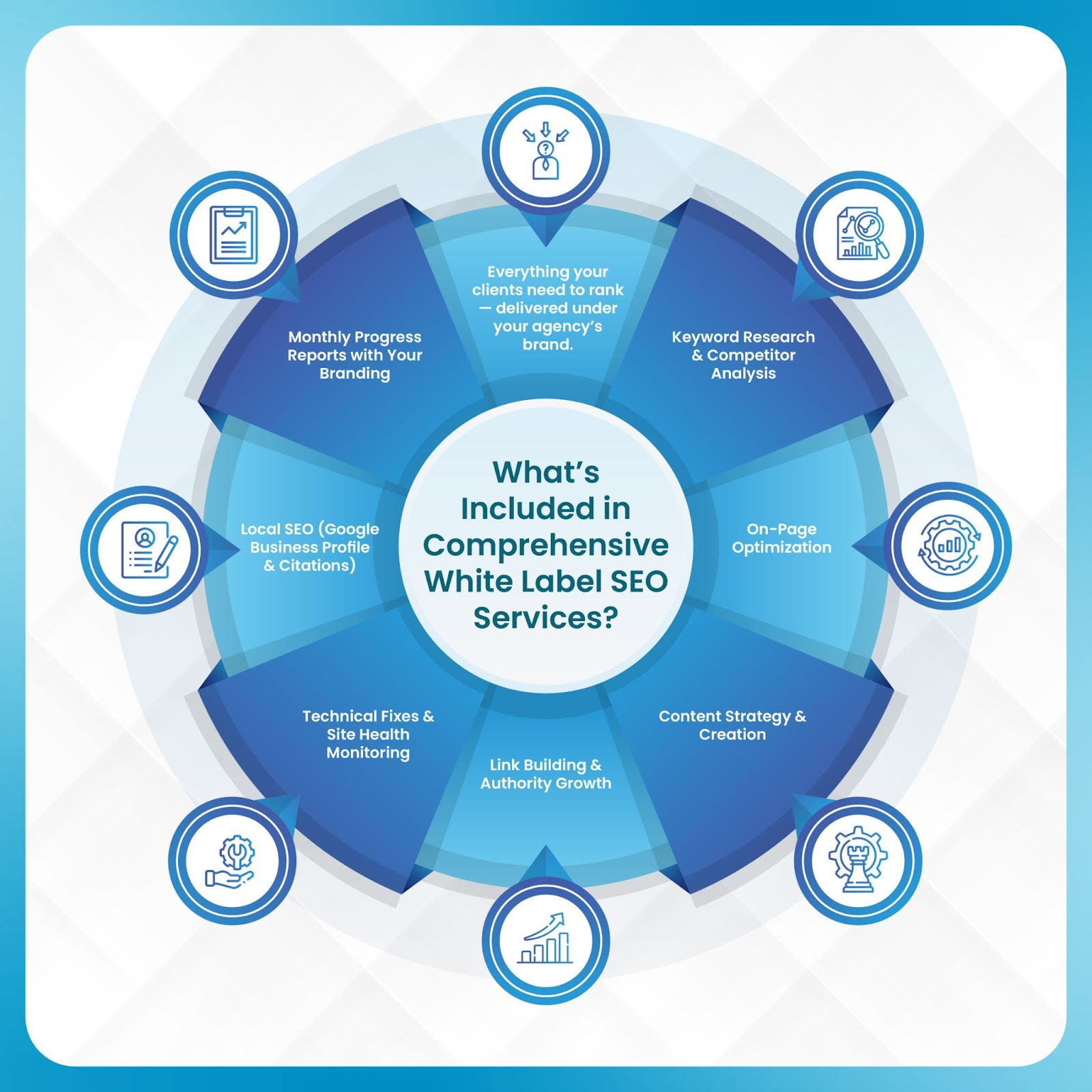
White label SEO creates a centralized operations layer. By partnering with a white label SEO agency, a growing firm can fully outsource the mechanical execution of campaigns while retaining full control over the strategic client relationship.
The 4-Layer SEO Operations Model
To understand how white label SEO management simplifies agency growth, you must break agency workflows down into four distinct layers.
1. Strategy Layer (Agency-Owned)
The strategy layer must always remain in-house. This is where the agency defines the core client goals and builds the overarching SEO roadmap. You identify the target audiences, finalize the keyword strategy, and handle the long-term growth planning. Keeping this layer internal ensures that the agency maintains its unique value proposition and preserves the direct relationship with the client. It is the brain of the operation, dictating the direction that the fulfillment layers will eventually take.
2. Fulfillment Layer (White Label SEO Core Value)
The fulfillment layer is the engine room of the campaign. This is where content creation, link building, technical SEO implementation, and on-page optimization take place. By offloading this layer to the best white label SEO services, agencies eliminate the need to manage writers, editors, and outreach specialists. The white label partner executes the roadmap defined by the strategy layer, turning concepts into tangible deliverables at scale without adding headcount to the agency.
3. Reporting Layer
The reporting layer involves gathering data and presenting it effectively. This includes tracking ranking updates, analyzing traffic insights, measuring ROI tracking, and handling dashboard automation. Many premium white label partners integrate directly with agency dashboards, meaning the reporting layer is updated automatically as fulfillment tasks are completed. This eliminates the end-of-month scramble and ensures clients always have access to accurate, professional performance metrics.
4. Communication Layer
The communication layer is how the agency interacts with the client. This involves providing client updates, summarizing performance metrics, and having strategic alignment discussions. Because the fulfillment and reporting layers are handled by the white label partner, agency account managers have significantly more time to focus purely on proactive communication. They shift from apologizing for delayed deliverables to discussing future growth opportunities.
White label SEO simplifies operations by centralizing the fulfillment layer and removing execution fragmentation.
This model solves major delivery bottlenecks because the white label partner brings their own optimized workforce. It eliminates workflow fragmentation because the partner uses standardized delivery systems. It solves resource instability by providing elastic capacity, and it ensures consistent turnaround times regardless of how many clients the agency signs. Agencies scale faster when fulfillment becomes a system instead of a collection of disconnected tasks.
With the SEO operations layer defining structure across strategy, fulfillment, reporting, and communication, the next challenge becomes execution at scale.
Eliminating Decision Fatigue in SEO Operations
Agencies waste scalability on repeated micro-decisions. Every time an employee asks what anchor text to use, which tool to run an audit through, or how to format a specific type of blog post, they are burning operational energy. Decision fatigue sets in rapidly when teams are forced to reinvent the wheel for every single client task.
White label SEO introduces rigorous standard operating procedures and standardized execution frameworks out of the box. Because a white label provider is built purely for scale, they have already mapped out every possible micro-decision in the fulfillment process. They do not rely on guesswork; they rely on strict procedural guidelines.
When an agency adopts this infrastructure, teams stop asking: “How do we do this?”
And start focusing on: “What needs to be delivered?”
By removing the burden of figuring out the "how," agency employees can redirect their cognitive energy toward strategy and client retention. They review deliverables against a known standard rather than managing the chaotic process of creation. Scaling fails when agencies scale decisions instead of systems. You cannot build a massive agency if every deliverable requires a committee meeting to determine the optimal approach. White label partnerships eliminate decision fatigue by turning SEO fulfillment into a predictable, measurable utility.
Standardizing Execution for Predictable SEO Delivery
Standardizing execution is the only way to achieve predictable delivery across dozens or hundreds of accounts. White label SEO providers utilize unified workflows for content production, technical SEO implementations, and complex link-building campaigns. They operate like factories, where raw inputs (keywords and strategy) are reliably transformed into high-quality outputs (published content and acquired links).
This rigid standardization removes delivery variation entirely. It does not matter if you send the white label team two tasks or two hundred tasks; the workflow remains identical, and the quality remains strictly controlled.
The impact of this standardization is massive. It guarantees predictable SEO outcomes because the work is executed perfectly according to best practices every time. Predictable outcomes lead to stronger client retention because clients are not experiencing wild swings in performance based on internal agency chaos. Furthermore, it guarantees a consistent turnaround time. Account managers can confidently tell clients exactly when a campaign will launch without worrying about internal bottlenecks or sick days derailing the timeline.
Simplifying Reporting into a Scalable System
Simplifying the reporting process transforms how an agency operates at the end of every month. Traditional agencies drown in manual data collection, pulling stats from multiple platforms into messy spreadsheets. White label SEO providers solve this by replacing manual reports with automated dashboards.
By implementing unified KPI frameworks, agencies ensure that every client is judged by the same foundational metrics. You no longer have custom reports for every account; you have a standardized view of traffic, rankings, and conversions. This creates a drastically reduced reporting workload for the internal team.
Reporting becomes infrastructure instead of a repetitive manual task. When reporting is automated and standardized, account managers simply log in, review the data, and prepare their strategic talking points for the client call. They are not building the report; they are analyzing it. This operational shift allows agencies to handle significantly more clients per account manager without sacrificing the quality of communication.
White Label SEO as Operational Infrastructure
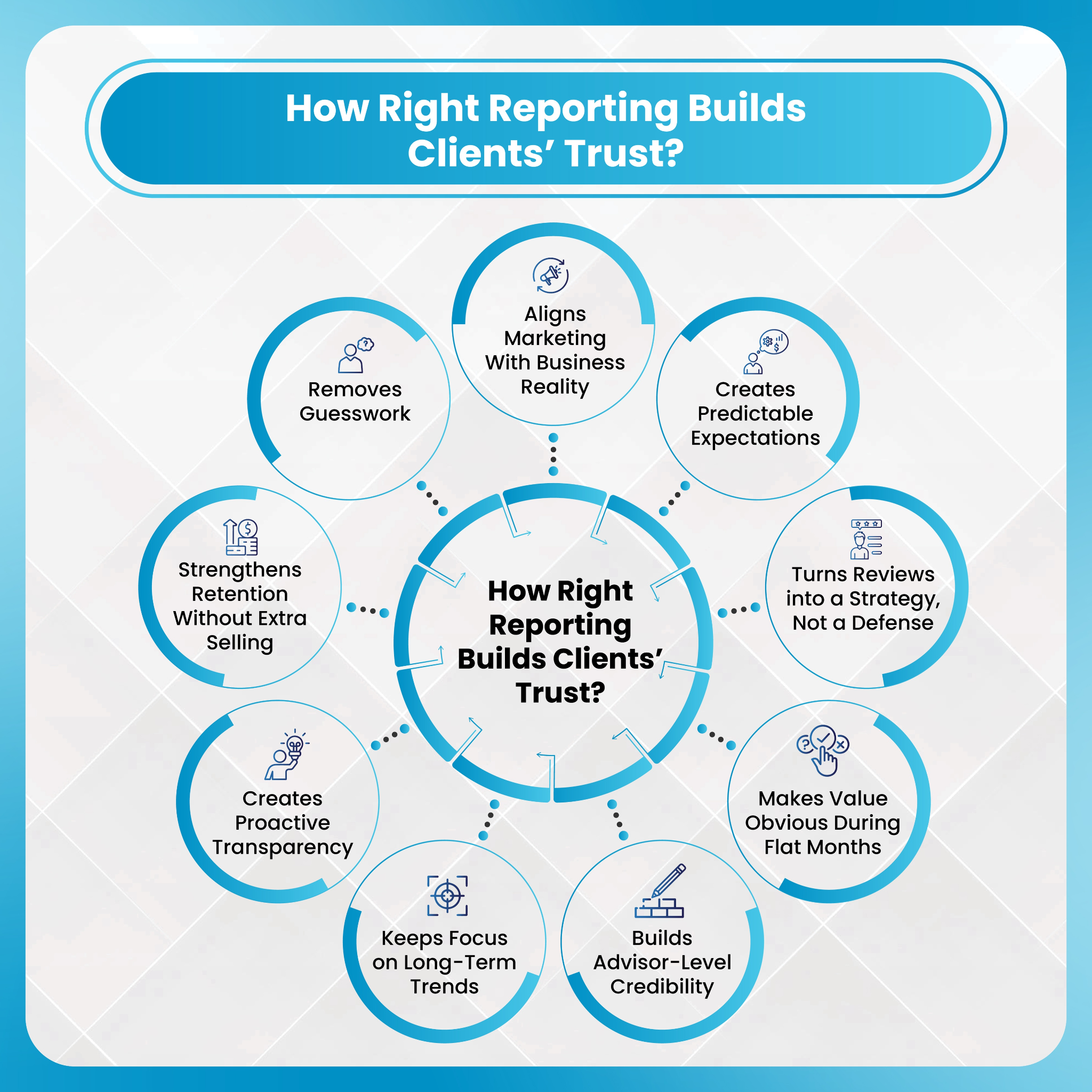
It is crucial to understand that utilizing a white label SEO agency is not temporary outsourcing. It is not equivalent to hiring a few freelance support members to help out during a busy month. Outsourcing is often a band-aid applied to a broken system. White label SEO is a permanent structural upgrade.
White label SEO acts as a scalable fulfillment infrastructure. You are essentially plugging your agency into a massive, highly optimized machine that is specifically engineered to handle volume. You are integrating their standard operating procedures, their specialized software, and their labor force into your business model seamlessly.
Agencies scale by reducing operational friction, not by endlessly increasing headcount. When you hire internally to solve fulfillment problems, you increase HR burdens, management overhead, and payroll risk. When you adopt white-label infrastructure, you acquire infinite execution capacity that scales up or down based exactly on your current client load.
With execution, reporting, and decision-making systemized, agencies finally operate like scalable SEO systems instead of service-heavy production teams.
How DashClicks’ White Label SEO Services Support Operational Scalability?
When building a scalable SEO operation, utilizing an established platform like DashClicks provides a massive structural advantage. DashClicks offers comprehensive white label SEO management that integrates directly into an agency's existing workflow.
They provide robust content fulfillment, deep technical SEO support, and highly structured link-building systems. Rather than managing disparate teams, an agency can route all fulfillment through this single hub. Furthermore, the platform offers automated reporting dashboards that eliminate the manual data gathering process entirely, ensuring clients have real-time access to their campaign metrics.
By enforcing workflow standardization across all campaigns, the platform functions as a scalable execution infrastructure. DashClicks functions as a centralized SEO operations layer that helps agencies scale delivery consistency without increasing operational fragmentation. You get the exact standardized processes needed to eliminate decision fatigue and QA bottlenecks, allowing your internal team to focus on strategy and account growth.
Conclusion
Scaling an SEO agency is fundamentally an operational problem, not a talent problem. Hiring more specialists to navigate a broken, fragmented system will only amplify your internal chaos. True growth requires systems that can handle volume without sacrificing quality.
Implementing white label SEO enables structured fulfillment, predictable delivery, and scalable execution. By removing the burden of daily task management and manual reporting, your team can focus exclusively on strategy and client relationships. Operational simplicity drives profitability more than team expansion. When your internal costs remain stable, but your capacity to deliver expands, your margins naturally improve.
The agencies that win in SEO are not those doing more work. They are the ones engineering less operational friction through scalable systems.

Managing 50+ Accounts Using White Label Facebook Ads Services
Scaling a marketing agency sounds like a dream until the operational reality sets in. At lower account counts, execution quality depends heavily on individual talent. A single skilled media buyer can comfortably manage a handful of clients, monitor performance, and keep reporting organized. But as the roster grows, better media buying is no longer the primary bottleneck. The operational chaos of handling multiple campaigns becomes the real issue at scale. Agencies must make a fundamental shift from basic campaign management to complex system orchestration.
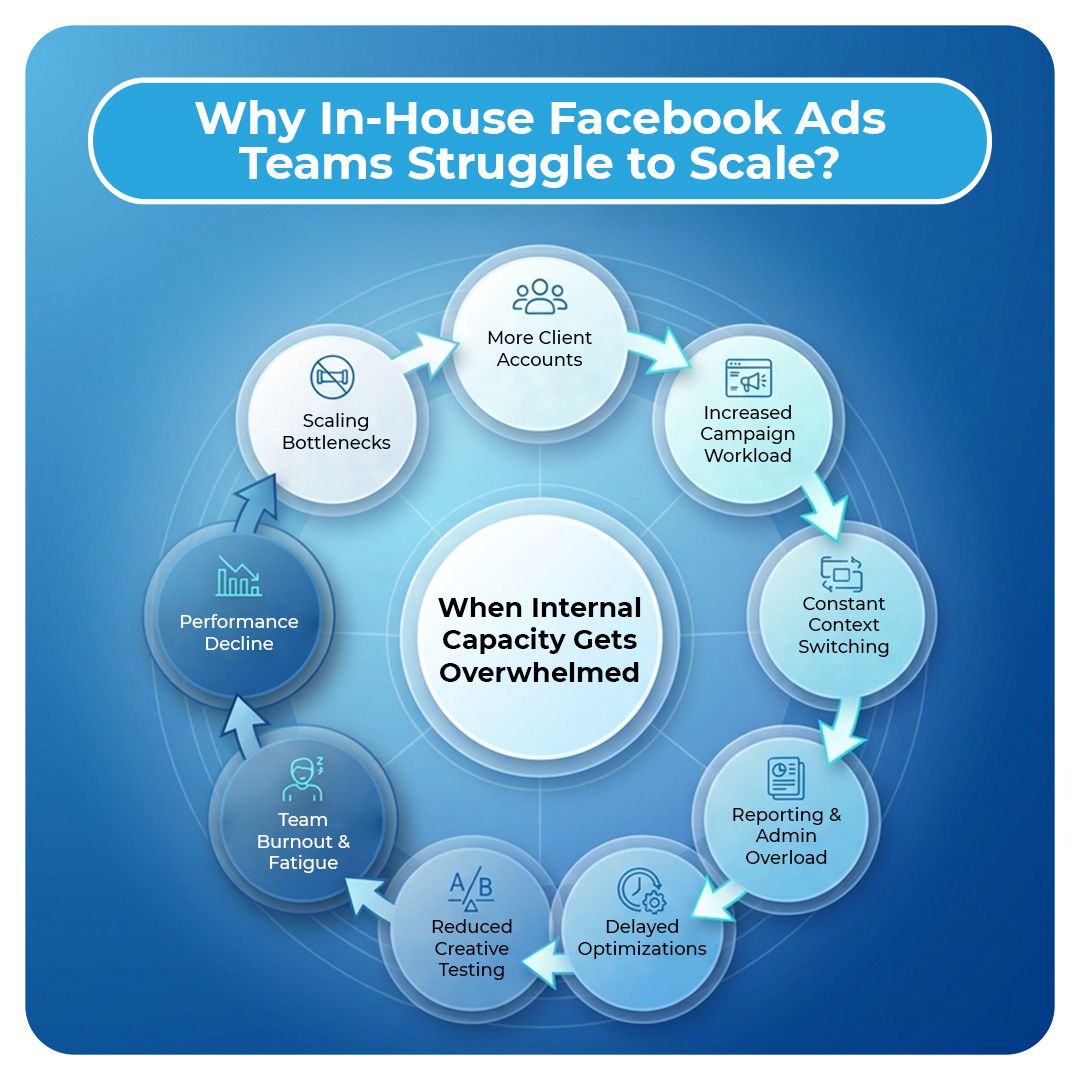
In-house teams frequently struggle under the crushing weight of endless reporting cycles, relentless optimization demands, constant client communication, and intense performance pressure. Marketing teams lose significant productive time every week due to fragmented reporting workflows and operational inefficiencies. At higher account volumes, operational structure matters significantly more than raw skill. Individual brilliance cannot overcome a broken system. Without a solid foundation, agencies find themselves trapped in a cycle of reactive firefighting rather than proactive growth.
Once agencies cross a certain threshold of accounts, the challenge stops being execution and becomes coordination. That is where structure starts to matter more than skill.
Why 50+ Ad Accounts Break In-House Teams?
When an agency reaches 50 or more active accounts, the internal friction multiplies exponentially. This friction happens because cognitive overload takes over. Media buyers must navigate across multiple industries, distinct marketing funnels, and varying key performance indicators simultaneously. They are constantly switching contexts between different promotional offers, completely different target audiences, and vastly different attribution models.
This continuous mental shifting comes with a steep cost. Frequent switching between accounts reduces optimization quality and strategic focus. It forces media buyers to spread their mental energy too thin. The operational breaking point happens when execution demand grows faster than internal capacity.
Context switching can reduce productive efficiency by up to 40% in knowledge-based work environments. As a result, optimization cycles become highly inconsistent. Delayed campaign launches have become a regular occurrence due to severe bandwidth limitations.
Furthermore, this environment creates severe reporting fatigue. When team members spend half their day pulling data from Business Manager instead of analyzing it, they end up making reactive instead of proactive decisions. This dynamic directly causes performance dilution. An attitude of "average good work" quickly replaces high-impact optimization. The agency stops pushing boundaries and simply tries to keep campaigns from crashing.
Media buyers abandon creative testing because they simply do not have the time to set up the experiments properly. The systemic failure is not a reflection of the team's talent. It is a direct result of an operational model that demands too much administrative multitasking from strategic thinkers.
The problem is not the number of accounts. The real issue is the lack of separation between strategy, execution, and reporting layers.
White Label Facebook Ads Services as the Execution Backbone
To survive and thrive at high volume, agencies must stop depending entirely on internal bandwidth. This is where white label Facebook ads services step in to become the operational fulfillment engine. By introducing a dedicated white label partner, agencies can clearly define role separation and rebuild their entire workflow around scalability.
In this upgraded operational model, the agency retains complete control over the high-level elements. The internal team handles overarching strategy, brand positioning, funnel direction, and all client relationships. Meanwhile, the white label Facebook advertising partner takes over the heavy lifting. The white label team handles granular campaign builds, daily optimization cycles, structured testing frameworks, and scaling operations. This precise separation removes execution bottlenecks across 50 or more accounts instantly.
For a practical operational example, consider how a new client launch functions under this model. The agency defines the funnel logic and offers details based on client goals. Then, the white label Facebook advertising team executes the campaign builds, sets up rigorous A/B testing, and manages the daily budget pacing. The agency simply reviews the generated insights and adjusts the broader scaling strategy as needed. This approach standardizes campaign build quality and maintains optimization consistency even during massive workload spikes. Execution becomes a reliable utility instead of a frustrating operational constraint. Standardized operational systems improve workflow consistency and reduce execution variability across teams. This allows internal strategists to focus entirely on growth rather than getting bogged down in ad set configurations.
Once execution is stabilized through white label support, the next challenge becomes how to organize internal decision-making without losing control.
The Operational Model That Makes Scale Work: Strategy vs Execution Separation
Agencies scaling successfully beyond 50 accounts operate with distinctly clear separation layers. This architectural shift protects the business from imploding under its own weight. The structure strictly divides the agency into two separate operational categories.
First is the Strategy Layer. This layer involves senior team members focusing on high value tasks. Their responsibilities include making profit decisions, providing creative direction, defining scaling logic, and mapping out client growth planning. Second is the Execution Layer. This side handles the repetitive but crucial tasks required to keep campaigns running. The duties here include deep campaign setup, daily account optimization, structural A/B testing, and compiling reporting operations.
There are several core reasons why this specific structure works so effectively. Primarily, it radically reduces decision fatigue among senior media buyers. When senior staff do not have to worry about naming conventions or pixel placements, their strategic choices become much sharper. Additionally, this model eliminates the agency's dependence on individual talent performance. If a star media buyer goes on vacation, the system does not collapse. It creates repeatable systems instead of ad hoc execution. Highly systemized businesses are significantly more scalable because operations become less dependent on individual performance.
By isolating strategy from daily button clicking, agencies build a resilient machine. The best white label Facebook ads partners fit perfectly into the execution layer, allowing the strategy layer to remain entirely in-house. This structure enables agencies to smoothly scale account volume without increasing operational chaos or hiring anxiety.
With execution handled externally and strategy centralized, agencies unlock a second-level advantage: operational consistency across all accounts.
How White Label Execution Prevents Scale Failure?
At 50 or more accounts, agencies typically experience three operational failures simultaneously if they lack the right infrastructure. These failures compound one another, creating a toxic cycle that threatens client retention and team stability. Understanding how to dismantle these three pillars of scale failure is crucial.
1. Performance Dilution
The first major failure point is performance dilution. When an internal team reaches maximum capacity, optimization quality becomes wildly inconsistent. Campaigns that once received daily attention might only be checked twice a week. Teams inevitably move from strategic optimization to a basic maintenance mode just to survive the week.
This problem occurs precisely because internal bandwidth becomes fragmented. A media buyer managing 15 complex accounts simply cannot apply the same level of rigorous testing to the fifteenth account as they do to the first. They lose the ability to spot subtle trends in cost per acquisition or click-through rate. The necessary creative refreshes get pushed to the back burner.
Ad fatigue sets in, causing costs to spike and return on ad spend to plummet. Without a dedicated execution team focusing solely on these metrics, the overall performance standard of the agency drops. The focus shifts from maximizing client revenue to simply ensuring the ads are delivering, which is a dangerous mindset for long term client retention.
2. Team Fatigue
The second failure point is severe team fatigue. In a chaotic operational environment, media buyers become overloaded with tasks that exceed their working hours. The mental toll of managing millions of dollars in ad spend across dozens of accounts is staggering. Because they lack time, reactive decisions rapidly replace proactive optimization. Instead of planning the next big campaign scale, they are rushing to pause underperforming ads before the client complains.
This sustained pressure leads directly to staff turnover. Burnout reduces execution quality across the board. Tired employees make mistakes, miss obvious optimization opportunities, and lose their passion for the work. Burnout and workload saturation are among the leading causes of reduced marketing team performance. When an agency relies completely on a small, exhausted group of people, the entire business model becomes incredibly fragile and highly susceptible to sudden talent departure.
3. Reporting Overload
The final simultaneous failure is reporting overload. As the client roster grows, the administrative burden multiplies. Teams spend significantly more time documenting results than they do actually improving the campaigns. Reporting complexity increases exponentially with account scale, especially when dealing with varied attribution models and custom client dashboards.
This dynamic creates a massive lag in execution. Delayed insights fundamentally reduce optimization speed. By the time a media buyer compiles the weekly report, analyzes the data, and presents it to the client, the optimal window to adjust the campaign has often already closed. They are operating on outdated information. Gathering data from multiple platforms, organizing it into spreadsheets, and formatting it for client presentation consumes hours of valuable strategic time every single week. It is a logistical nightmare that prevents talented marketers from doing what they do best.
4. Solving the Triad of Scale Failure
A robust white label Facebook ads services partner solves these interconnected issues by providing an unbreakable operational foundation. They introduce structured daily and weekly optimization frameworks that guarantee no account goes ignored. They utilize standardized campaign setup methodologies that eliminate careless errors. They enforce consistent testing cycles so creative rotation never stalls. Furthermore, they maintain a strict reporting cadence without causing any internal bandwidth loss for the agency.
The ultimate result is that agencies shift permanently from reactive firefighting to predictable execution systems. The team breathes easier, clients see better results, and reporting happens seamlessly in the background.
Operational stability changes how agencies grow because scale stops creating performance instability.
How DashClicks’ White Label Facebook Ads Services Support Scalable Operations?
When an agency looks to redesign its fulfillment infrastructure, finding a reliable partner is essential. DashClicks provides structured white label Facebook ads services built to handle agency-level volume. The platform works as an integrated fulfillment arm, reducing the daily friction of campaign management for internal teams.
Agencies gain access to dedicated fulfillment support that understands the nuances of complex ad scaling. The team handles the complete lifecycle of campaign setup and optimization under a fully white labeled model. This allows the agency to retain complete brand authority while the execution engine runs in the background. Whether an agency adds five clients or fifty, the standard of optimization stays consistent and reliable.
DashClicks also provides comprehensive reporting dashboards. This directly solves the reporting overload problem by automating data visualization. Agency owners and clients can view performance metrics in real time without forcing media buyers to spend hours building spreadsheets.
Conclusion
Managing 50 or more accounts is not a problem that is solved simply by hiring more media buyers. Throwing more people at a broken, chaotic system only creates more expensive chaos. Sustainable scale requires a fundamental operational redesign. It requires acknowledging that the old way of doing things will not survive the next phase of business growth.
Partnering with white label Facebook ads services provides the exact solution growing agencies need. These services offer massive operational absorption, taking the brunt of the daily workload. They guarantee consistent execution across all client accounts. They provide structured optimization frameworks that prevent performance decay. Most importantly, they lead to drastically reduced internal overload, allowing your best strategists to actually strategize.
Agencies that scale successfully do not rely on sheer willpower. They redesign campaign execution into a permanent infrastructure instead of depending entirely on internal bandwidth and individual talent capacity. By separating strategy from daily execution, agency owners can finally build a business that grows profitably and predictably.

How Agencies Improve Engagement Metrics Using White Label SEO
Search engine algorithms have evolved significantly over the past few years. Engagement metrics are becoming stronger quality signals than raw traffic volume. Many marketing agencies successfully drive thousands of visitors to client websites but fail to turn that initial attention into meaningful interaction. Traffic alone cannot sustain a business if those visitors leave immediately. Modern SEO success depends heavily on user experience, content relevance, and behavioral engagement.
Improving these metrics requires continuous optimization across technical performance, site architecture, and content strategy. This is where a white label SEO agency becomes essential. Partnering with external experts offers a scalability solution and a performance optimization system rather than a simple outsourcing arrangement. Agencies can tap into specialized knowledge to fix underlying issues that cause users to abandon a site.
Before improving engagement metrics, agencies first need clarity on which metrics actually matter and why they underperform.
The Engagement Metrics That Actually Impact SEO and Revenue
Not all engagement metrics matter equally. Some data points look impressive on a reporting dashboard but provide little value to the actual business bottom line. You must focus only on metrics tied directly to rankings, conversions, and client retention. Understanding these core indicators allows agencies to pinpoint exactly where users lose interest. It provides a clear roadmap for optimization.
Tracking the right data prevents wasted effort. Agencies often spend hours tweaking elements that do not move the needle. When you understand the behavioral signals that search engines reward, you can structure your campaigns to align with those goals. The best white label SEO services prioritize these specific metrics because they represent actual human satisfaction. When users are satisfied, search engines take notice. This directly translates into better visibility and stronger client results over time.
Let us look at the specific metrics that matter most.
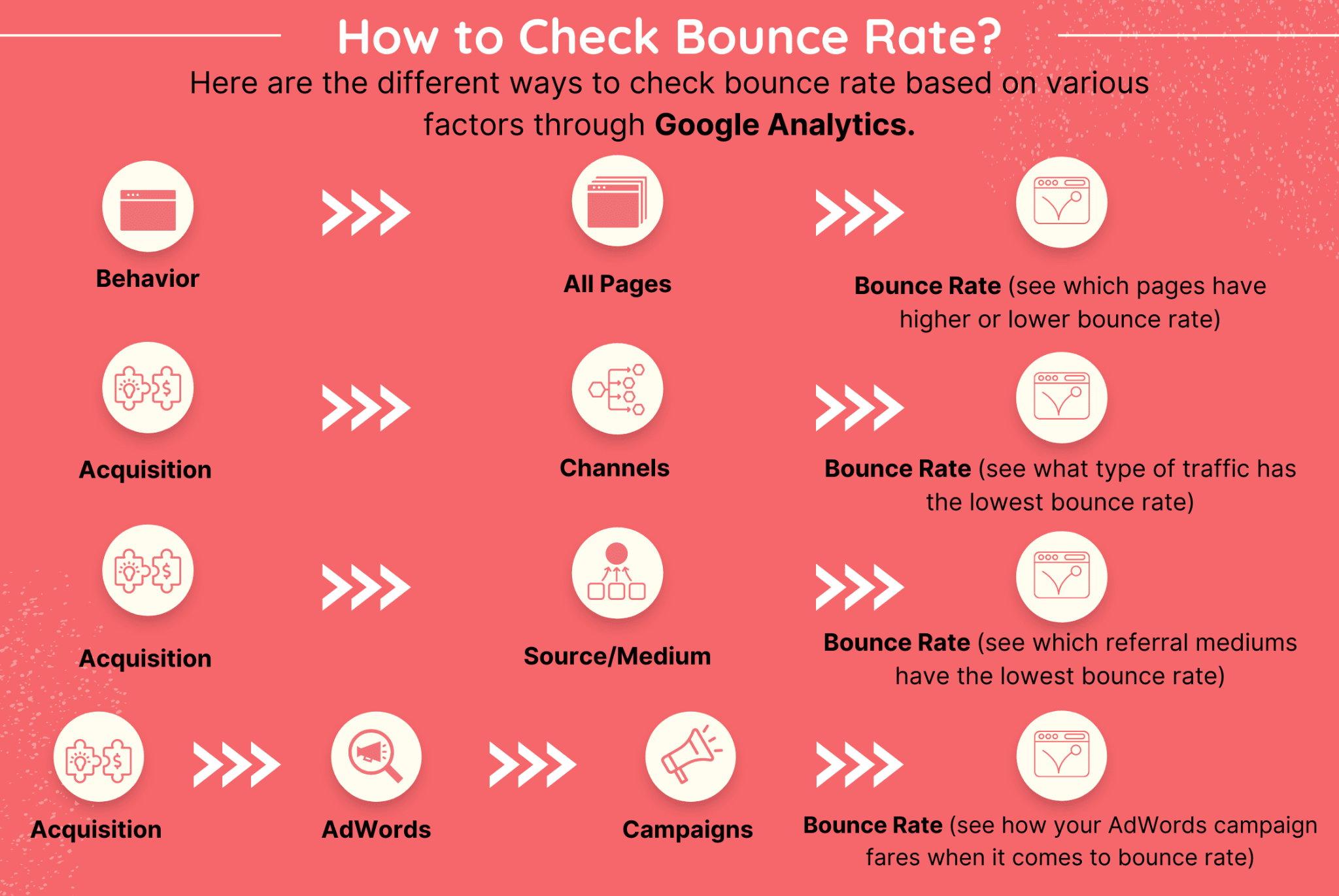
1. Bounce Rate (or Engagement Rate in GA4)
Bounce rate measures the percentage of visitors who leave a website after viewing only one page. In Google Analytics 4, this is evaluated through the engagement rate. A high bounce rate signals to search engines that the page did not meet the user's expectations. This often stems from poor intent alignment. If a user clicks a link expecting a tutorial but finds a sales page, they will leave immediately.
User experience friction also drives visitors away. A confusing layout, intrusive pop-ups, or hard-to-read text will frustrate users. Slow loading times are a massive contributor to high bounce rates. Users expect instant gratification. 53% of mobile users abandon pages that take longer than 3 seconds to load.
Google indirectly values reduced pogo-sticking behavior. Pogo-sticking happens when a user clicks a search result, quickly leaves, and clicks another result. This tells the search engine that the first page was not helpful. Agencies must ensure that the above-the-fold content provides immediate clarity. Visitors need to know they are in the right place the second the page renders.
2. Average Time on Page / Dwell Time
Dwell time is the amount of time a user spends on a page before returning to the search results. There is a strong relationship between dwell time and content quality. If a visitor stays on a page for several minutes, they are actively reading and absorbing the information. This sends a powerful intent satisfaction signal to the search engine.
Readability and structure heavily affect user retention. Massive blocks of text intimidate readers. Proper use of headings, short paragraphs, and bullet points makes the content accessible. Increasing dwell time is strongly associated with higher rankings in competitive SERPs.
Long-form structured content improves engagement because it thoroughly answers the user's questions. When a page provides comprehensive details, the user has no reason to return to the search results to find more information. They stay, read, and engage. Agencies must focus on depth and clarity to keep users on the page longer. This improves the overall performance of the campaign and builds trust with the reader.
3. Pages Per Session
Pages per session indicates how many individual pages a user visits during a single session on a website. Higher pages per session usually reflect stronger content relationships and navigation clarity. If a user reads a blog post and then clicks a link to a related service page, the website has successfully guided their journey.
A strong internal linking strategy is critical for improving this metric. Agencies should use topic clusters to group related content together. This naturally encourages users to explore multiple pages. A well-designed user journey architecture anticipates what the user will want to see next and provides an easy path to get there.
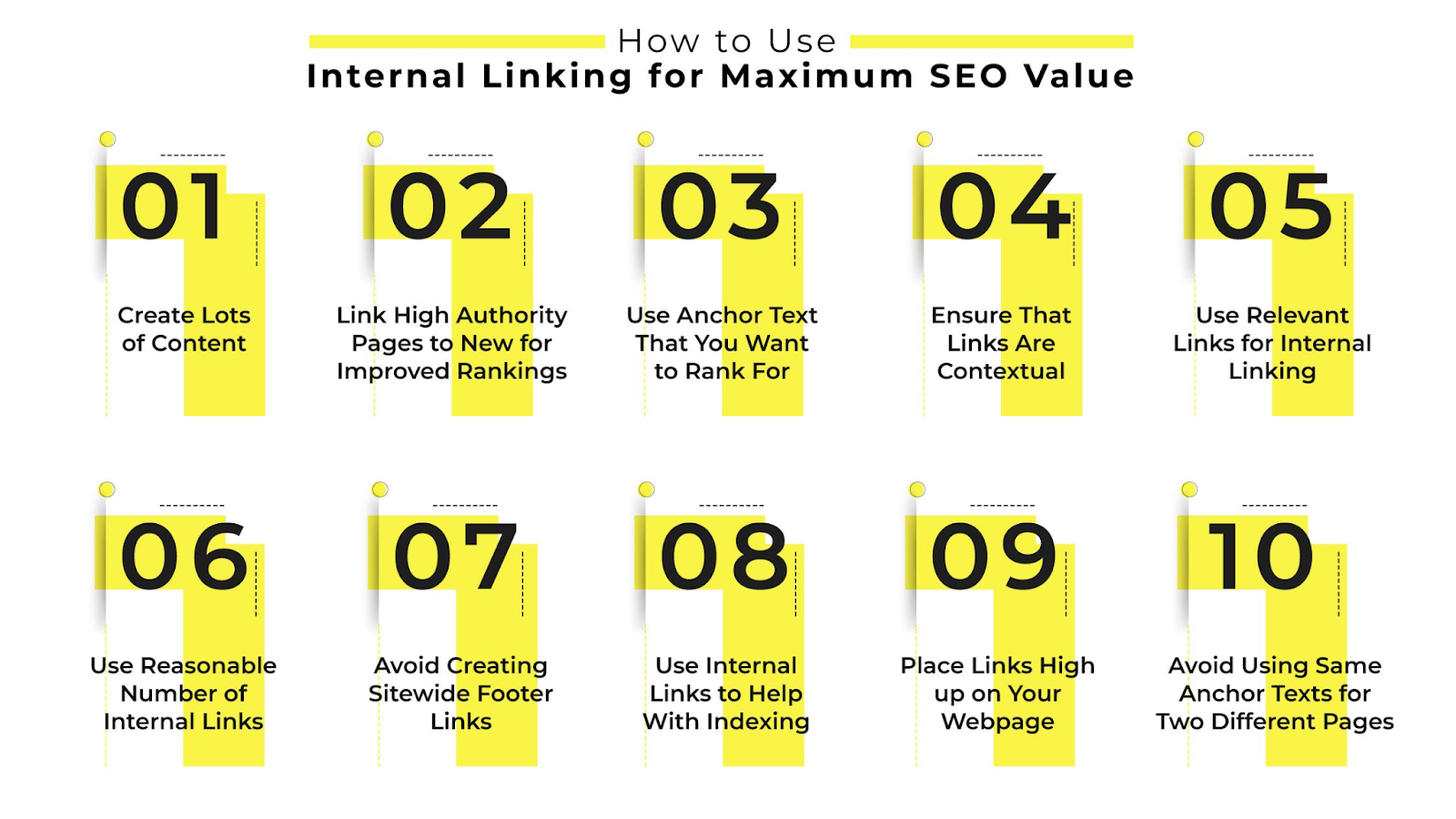
Content ecosystem design ensures that no page exists in isolation. Every piece of content should connect to a broader topic. When a site features a logical flow, users spend more time exploring. This decreases bounce rates and increases the likelihood of a conversion. It also helps search engine crawlers understand the structure and hierarchy of the website, which further boosts organic visibility.
4. Scroll Depth and Interaction Signals
Scroll depth measures how far down a page a user scrolls before leaving. This metric reveals whether people are actually consuming the content or just reading the headline. If most users drop off after the first paragraph, the introduction might be weak or the layout might be broken.
Agencies must also monitor click interactions. Are users clicking on images, expanding accordions, or interacting with interactive elements? Video engagement is another powerful signal. Tracking how much of an embedded video a user watches provides deep insights into their interest level.
Call-to-action interaction shows whether the page successfully motivates the user to take the next step. Micro-engagements are behavioral indicators of relevance and user satisfaction. They show that the user is actively participating in the experience. Optimizing for these micro-engagements keeps the user engaged and moves them closer to a final conversion. It requires careful placement of visual elements and compelling copy throughout the entire page.
5. Conversion-Linked Engagement
Traffic means very little if it does not lead to conversion activity. Conversion-linked engagement tracks actions that directly impact the business. This includes form fills, newsletter signups, phone calls, and product purchases. It also covers assisted conversions, where a piece of content helps a user make a decision later in their journey.
Technical performance plays a massive role in conversion rates. If a checkout page is slow, the user will abandon their cart. Websites loading within 1 second have approximately 3x higher conversion rates than slower sites.
Agencies must ensure that engagement leads to meaningful business outcomes. High traffic volume is useless if the site cannot convert visitors into customers. This requires a seamless technical foundation and persuasive messaging.
Knowing which metrics matter is only the first step. Most agencies still struggle to improve them consistently.
Why Do Agencies Fail to Improve Engagement Metrics?
Many agencies understand the importance of engagement conceptually but fail to execute strategies that improve it. They fall back on outdated methods that prioritize search engine bots over human beings. The landscape has shifted, but agency processes have not always kept up.
There are several common pitfalls that prevent agencies from delivering high-engagement websites. These issues range from a lack of resources to a fundamental misunderstanding of user intent. Identifying these failures is the first step toward correcting them. Once an agency recognizes its shortcomings, it can adopt better systems or seek external help.
Let us examine the specific reasons why agencies struggle to improve engagement metrics for their clients.
1. Traffic-First, Experience-Second Approach
Many agencies prioritize rankings and traffic volume above all else. They measure success by how many keywords rank on the first page and how many clicks the site receives. The post-click experience gets completely ignored. They assume that if they bring the traffic, the website will naturally do the rest of the work.
This approach has severe consequences. It leads to high bounce rates because the traffic is often unqualified or the landing page is poorly designed. It results in low conversion engagement because the user journey is broken. Finally, it causes weak client retention. Clients will eventually notice that their traffic has doubled but their sales have not changed.
Agencies must realize that traffic is only the beginning of the user journey. The experience the user has after they click the link determines the success of the campaign. Focusing solely on acquisition is a flawed strategy that ultimately hurts the client's business.
2. Lack of Content-Intent Alignment
Ranking for keywords without matching user expectations is a massive problem. Agencies often target high-volume keywords without considering what the user actually wants to achieve. If a user searches for informational content and lands on a hard-sell product page, they will leave immediately.
Thin and generic content exacerbates this issue. Users leave when search intent is not satisfied. If a page only provides surface-level information that the user already knows, they will hit the back button to find a more detailed resource.
Agencies must spend time analyzing the search engine results pages to understand the true intent behind a keyword.
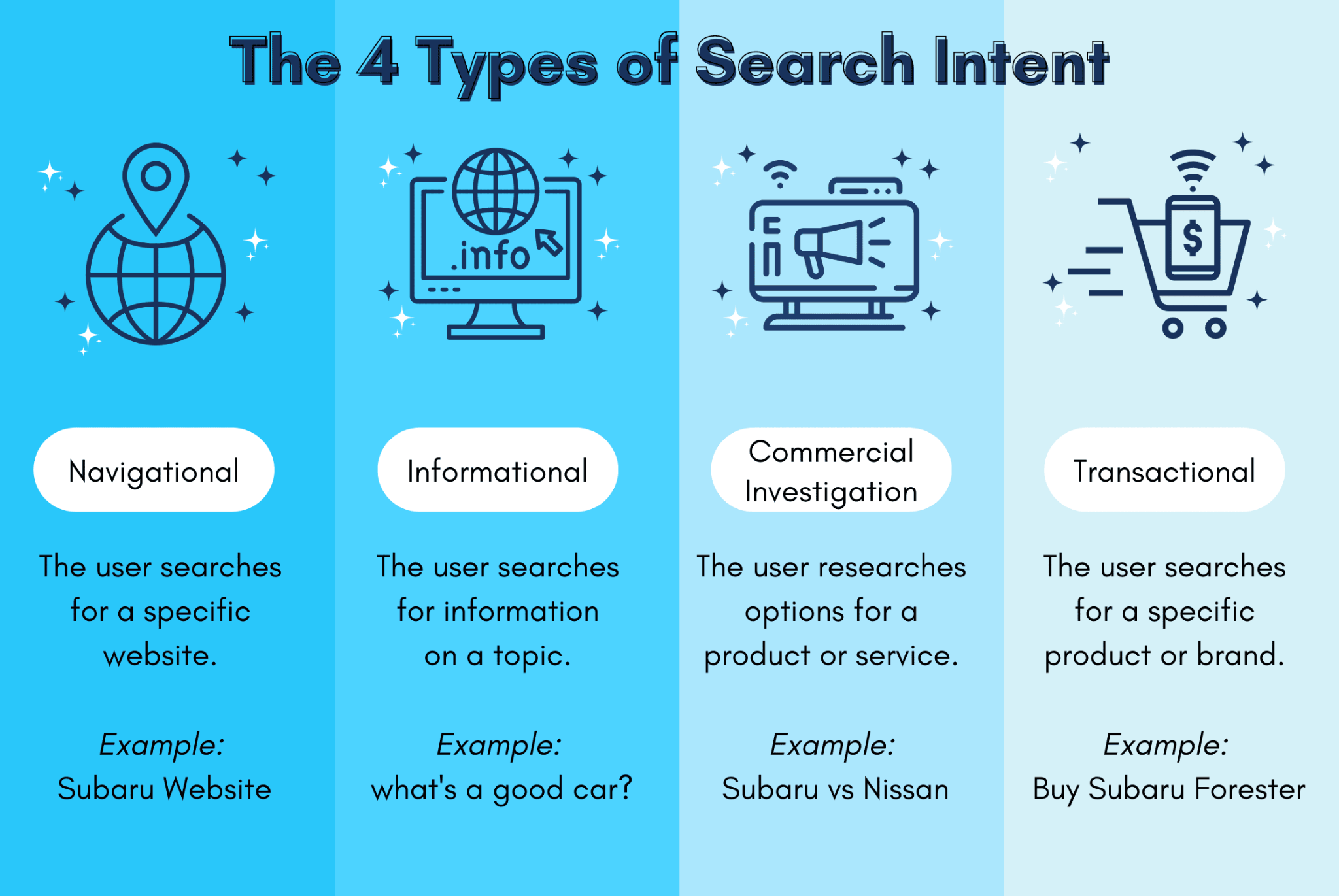
They must craft content that specifically answers the user's questions and solves their problems. Content-intent alignment is non-negotiable for improving engagement. If the content does not match the intent, all other optimization efforts will fail.
3. Poor UX and Technical Foundations
Technical SEO and UX directly influence engagement signals. An agency can write the best content in the world, but if the page takes ten seconds to load, no one will read it. Slow pages are a primary driver of high bounce rates.
Weak mobile optimization is another major failure point. The majority of web traffic comes from mobile devices. If a site features tiny text, unclickable buttons, or a cluttered layout on a smartphone, the user will leave. Broken user journeys also destroy engagement. Dead links, missing images, and confusing navigation menus frustrate visitors and drive them away.
Agencies must prioritize technical excellence. A fast, mobile-friendly, and intuitively designed website is the foundation of good engagement. Without this foundation, marketing campaigns will consistently underperform.
4. No Structured Testing or Iteration
Agencies rarely test headlines, layouts, or calls to action. They launch a page and leave it alone for months. Decisions are often assumption-driven instead of data-driven. A designer might choose a button color because it looks nice, not because data proves it converts better.
The impact of this approach is that optimization stagnates over time. The digital landscape changes constantly. User preferences evolve. A page that converted well last year might perform poorly today.
Agencies need to implement structured testing protocols. A/B testing different headlines, adjusting the placement of forms, and analyzing heatmaps are crucial steps. Continuous iteration ensures that the website adapts to user behavior. Without testing, an agency is simply guessing.
5. Resource Constraints and Skill Gaps
Improving engagement requires a diverse set of skills. Agencies often face limited in-house SEO expertise, CRO capability, and UX optimization skill. A small team of generalists cannot master every aspect of digital marketing.
It is incredibly difficult to scale these improvements across multiple clients. An agency might have the resources to optimize one major client's website, but they lack the bandwidth to do it for fifty clients simultaneously. Internal bottlenecks slow down execution and compromise quality.
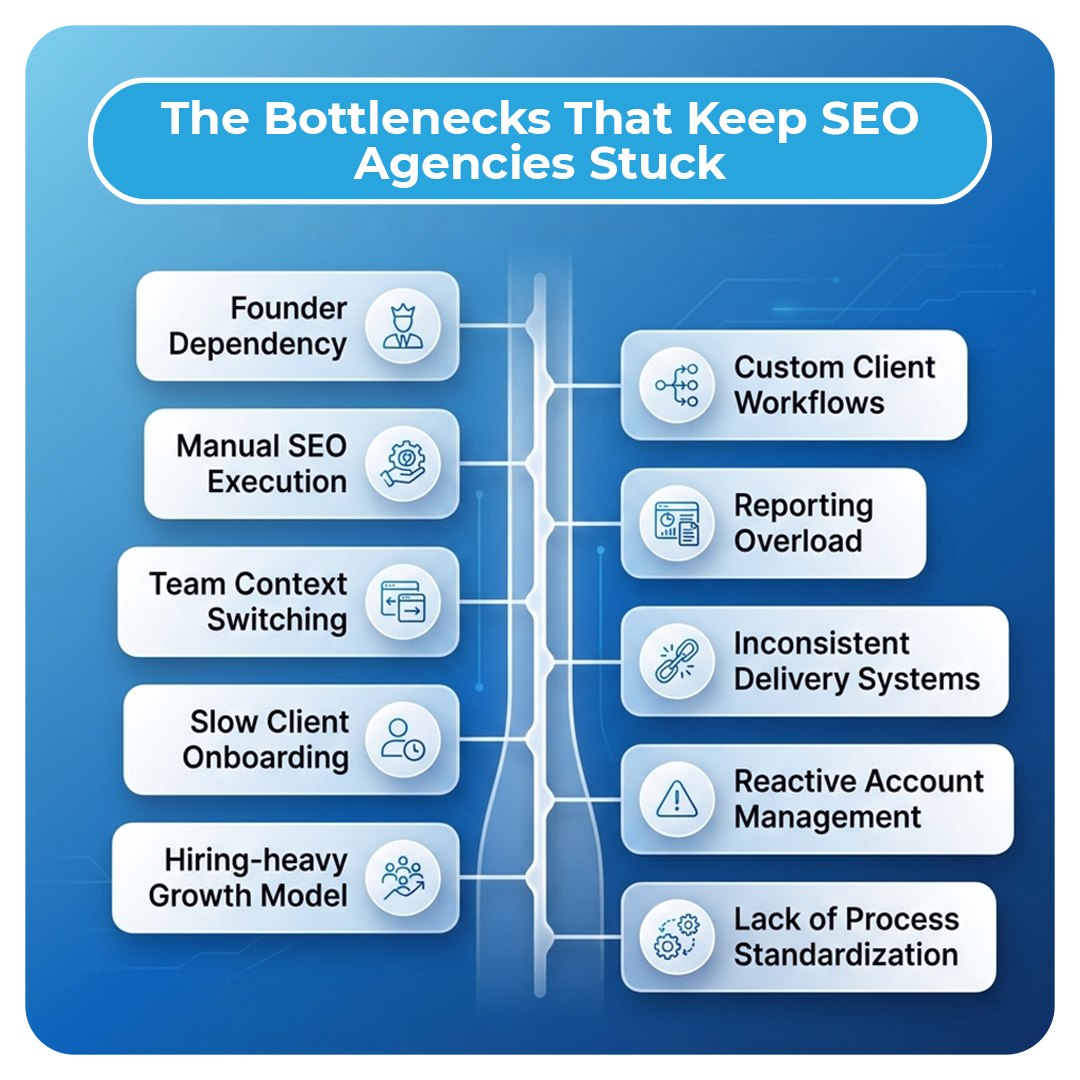
This is where white label SEO changes the equation, not just as support, but as a scalable performance engine.
How White Label SEO Improves Engagement Metrics at Scale?
White label SEO management provides agencies with the specialized skills and bandwidth they need to optimize engagement across their entire client portfolio. It allows an agency to expand its capabilities without hiring and training a massive internal team. This partnership model is built for scale and performance.
A reputable white label partner approaches SEO holistically. They do not just build links and tweak meta tags. They look at the entire user journey, from the initial search query to the final conversion. By addressing intent, content quality, and technical performance, they systematically improve the metrics that matter most. Here is how they achieve these results at scale.
1. Reducing Bounce Rate Through Intent and Experience Alignment
A white label team tackles bounce rates by rewriting above-the-fold messaging. The first few seconds are critical. The messaging must immediately confirm that the user is in the right place. Search intent alignment ensures that the content delivers exactly what the search query promised.
UX simplification and navigation clarity remove friction. If a user can easily find what they need, they are less likely to leave. This process also includes Core Web Vitals improvements, speed optimization, and mobile responsiveness. Industry benchmarks suggest that speed and relevance improvements alone can reduce bounce rates by 20–40%.
Users stay when expectations are met quickly. A fast, relevant page builds immediate trust. White label experts have the technical resources to audit site speed, compress heavy assets, and refine mobile layouts. They handle the complex backend work that internal agency teams often lack the time to execute.
2. Increasing Time on Site with High-Value Content
Comprehensive content reduces pogo-sticking and improves dwell time. White label partners employ professional writers who understand how to craft long-form structured content. They go beyond surface-level articles to create authoritative resources.
Scannability is a major focus. White label teams format content with descriptive headers, bulleted lists, and bold text. This allows users to quickly find the specific information they need. Storytelling techniques are used to make the content engaging and relatable.
Semantic SEO ensures the content covers related subtopics, providing a complete answer to the user's query. When a page is highly informative and easy to read, visitors spend significantly more time engaging with it. This signals to search engines that the page is a high-quality result, which helps secure long-term rankings.
3. Boosting Pages Per Session via Content Ecosystems
Contextual internal linking guides users naturally from one page to the next. White label SEO providers build topic clusters and pillar page models to structure a client's website logically.
Instead of isolated blog posts, they create interconnected content ecosystems. Strong internal linking strategies can increase pages per session by 30%+.
Users continue navigating when content relationships are clear. If an article about roof repair links to a specific page about roof repair costs, the user is highly likely to click. White label teams map out these user journeys in advance. They ensure that every piece of content includes strategic links to deeper resources or relevant service pages. This organized architecture keeps visitors engaged and moving through the conversion funnel.
4. UX Enhancements That Drive Micro-Engagement
Micro-engagements often influence conversion behavior. White label teams focus heavily on mobile-first optimization. They ensure that buttons are easy to tap and forms are simple to complete on smaller screens.
Visual hierarchy guides the user's eye to the most important elements on the page. Call to action clarity is essential. A button that says "Get a Free Quote" performs much better than a generic "Submit" button.
Readability improvements, such as increasing font size and adjusting contrast, make the content easier to consume. These small UX enhancements encourage users to scroll further, click more links, and interact with the page. White label experts have the design and technical skills to implement these changes efficiently across dozens of client sites.
5. Data-Driven Performance Tracking and Iteration
Positioning optimization as an ongoing system is vital for long-term success. White label agencies utilize GA4 engagement metrics to understand how users interact with a site. They use scroll tracking, heatmaps, and behavior flow analysis to pinpoint exactly where users lose interest.
This data fuels continuous testing of headlines, layouts, and CTAs. A white label team does not rely on guesswork. They use concrete data to make informed decisions. If a heatmap shows that users ignore a specific section of a page, the team will redesign or remove it.
This iterative process guarantees that the website improves over time. It adapts to changing user behaviors and ensures that engagement metrics continue to climb. Agencies benefit from this high-level analysis without needing to invest in expensive tracking software or specialized training.
6. The Scalability Advantage of White Label SEO
White label SEO allows agencies to scale their operations effortlessly. Parallel optimization across clients becomes possible. An agency can launch comprehensive SEO campaigns for ten new clients in a single week without missing a beat.
This model provides faster implementation. Experienced white label teams have established workflows and proven processes. There are no internal hiring bottlenecks. The agency does not have to spend months recruiting, interviewing, and training new employees.
White label teams provide high-level SEO expertise, UX capability, and content optimization at scale. They act as an invisible extension of the agency's internal team. This allows the agency to focus on client communication and business development while the white label partner handles the complex execution.
7. Impact on Client Retention and Agency Growth
Better engagement leads to better conversions, stronger ROI, and better client retention. When a client sees their phone ringing and their inbox filling with leads, they will remain loyal to the agency.
Reporting becomes tied to business outcomes instead of vanity metrics. Agencies can confidently present reports that show increases in form fills, longer dwell times, and lower bounce rates. This proves the true value of the marketing campaign.
When engagement optimization is executed correctly, agencies shift from traffic providers to growth partners. They become indispensable to their clients' success. This reputation for delivering actual results fuels agency growth through referrals and long-term contracts.
How DashClicks’ White Label SEO Services Support Engagement Optimization?
Partnering with a reliable platform simplifies the complex process of engagement optimization. DashClicks provides marketing agencies with premium white label SEO services and powerful software to scale faster. They function as a dedicated backend team, allowing agencies to focus on client relationships and sales.
DashClicks handles comprehensive white label SEO management. This includes deep technical SEO support to ensure fast load times and proper site architecture. Their team focuses heavily on content optimization, ensuring that every page aligns with user intent and features a strong visual hierarchy. By improving these fundamental elements, they help agencies systematically reduce bounce rates and increase time on page for their clients.
The platform also provides transparent reporting dashboards. Agencies can easily track engagement metrics and showcase clear performance improvements to their clients. DashClicks utilizes scalable fulfillment systems, meaning an agency can onboard multiple new accounts without experiencing operational delays.
Furthermore, their UX and performance optimization capabilities ensure that websites are fast, mobile-friendly, and designed for conversion. The platform acts as a structured execution layer that helps agencies improve engagement metrics consistently across multiple client accounts.
Conclusion
Engagement metrics are becoming the real SEO competitive advantage. Search engines now possess advanced capabilities to measure how human beings interact with digital content. Rankings alone are no longer enough to guarantee business success. If an agency only focuses on driving traffic without considering the user experience, they will ultimately fail to deliver meaningful return on investment. Agencies ignoring engagement risk stagnation and client churn.
White label SEO enables better execution, scalable optimization, and measurable engagement improvements. By partnering with dedicated experts, agencies can provide enterprise-level technical SEO, UX design, and content strategy to all their clients. This eliminates internal bottlenecks and ensures that every campaign is built on data-driven insights.
Agencies combining SEO, UX, and data-driven engagement optimization will outperform agencies focused only on rankings and traffic. Elevating the user experience is the only sustainable path forward in modern search marketing.

White Label PPC: Reasons Agencies Should Outsource
Pay-per-click advertising has transitioned from a stable and predictable marketing channel into a highly complex and algorithm-driven ecosystem. Marketing agencies currently face unprecedented volatility due to rapid advancements in artificial intelligence bidding models and constant platform shifts across major networks. Managing these elements requires resources that many internal teams simply do not possess.
Compounding this technical difficulty is the reality of rising costs and systemic inefficiencies that drain campaign budgets. Recent data highlights this growing financial pressure, showing that the average cost per click has reached approximately $5.26 across search networks. Furthermore, statistics reveal that 87 percent of industries have seen rising cost per click metrics, making profitable campaign execution significantly harder.
Because the complexity of pay-per-click management is increasing much faster than the average agency can train internal staff, relying on a white label PPC agency has become a necessity. Outsourcing is no longer a simple cost-cutting measure but rather a required strategic adaptation to survive in a volatile digital landscape. Beyond the obvious benefits, the real value of white label PPC lies in the less-discussed advantages that directly impact performance, scalability, and client retention.
The Strategic Value of Outsourcing PPC
Before examining the specific operational benefits, agencies must understand the fundamental shift in how digital advertising functions today. In previous years, an agency could hire a mid-level specialist to monitor keywords and adjust bids manually with reasonable success. That approach is completely obsolete. The introduction of machine learning algorithms by Google and Meta means that campaigns now require continuous data feeding, complex conversion tracking setups, and sophisticated audience segmentation.
Internal teams often become overwhelmed by the sheer volume of daily adjustments required to keep campaigns profitable. This overwhelming workload leads directly to employee burnout, operational bottlenecks, and ultimately, degraded client results.
By deciding to outsource these functions, an agency shifts the burden of technical execution to dedicated experts whose entire business model revolves around mastering these platforms. This transition allows the agency leadership to focus on high-level strategy, client relationship management, and business development. Scaling an agency requires operational leverage, which means finding ways to increase output and revenue without proportionally increasing internal headcount and overhead costs.
A reliable partner acts as a seamless extension of your team, providing the structural foundation needed to absorb new clients rapidly.
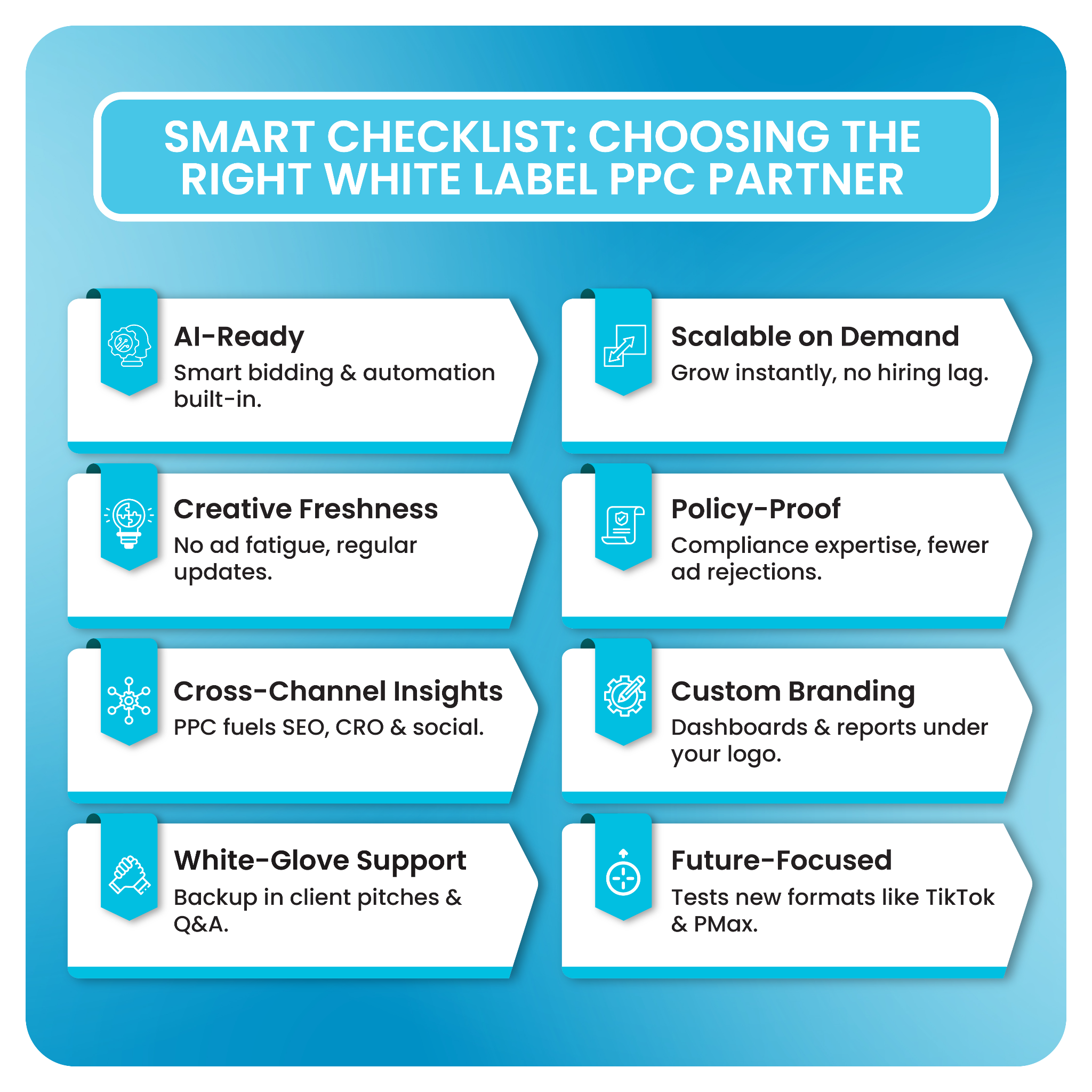
The following sections detail the precise operational and strategic reasons why agencies must rethink their fulfillment models and consider integrating external expertise into their core service offerings.
1. Faster Adaptation to Algorithm and Platform Volatility
Search engines and social media networks constantly update their algorithms and backend interfaces. Google and Meta frequently introduce new artificial intelligence bidding strategies, altering how campaigns optimize for conversions and manage budgets. When an agency relies solely on a small internal team, staying updated on every minor platform shift becomes nearly impossible alongside daily client management tasks.
This lack of awareness creates a severe problem when an unannounced algorithm update disrupts campaign delivery. The direct impact of a delayed reaction is a steep drop in performance, causing wasted ad spend and frustrated clients.
Consider a scenario where an agency fails to adjust its bidding strategy after a major matching update rolls out. The internal team might take weeks to identify the root cause of the declining metrics, resulting in thousands of dollars in inefficient spending. Outsourcing solves this problem by providing immediate speed and collective intelligence. Specialized white label PPC services employ large teams of analysts who manage hundreds of accounts simultaneously.
When a platform change occurs, these experts detect the anomaly across multiple campaigns instantly and deploy corrective measures within hours. This rapid adaptation prevents prolonged performance slumps and ensures that client accounts remain competitive regardless of backend volatility. Accessing this level of collective intelligence allows your agency to navigate algorithmic shifts smoothly. This protective speed leads naturally into the next critical benefit of maintaining performance stability.
2. Reduced Client Churn Through Performance Stability
Client retention is the foundation of a profitable marketing agency. However, pay-per-click volatility frequently causes erratic campaign results, which directly leads to client churn. When business owners see their lead volume drop or their acquisition costs spike unexpectedly, they exhibit highly emotional behavior. They demand immediate explanations, threaten to pause their budgets, or start looking for alternative agency partners.
This emotional instability is a direct consequence of inconsistent campaign execution. Industry benchmarks indicate that approximately 29 percent of advertising accounts generate zero conversions over a ninety-day period due to mismanagement and neglect.
To combat this devastating churn rate, agencies need a mechanism that guarantees consistent optimization. Dedicated fulfillment teams maintain structured optimization cycles that eliminate the massive peaks and valleys associated with internal mismanagement.
By applying standardized auditing procedures and continuous bid adjustments, these experts keep campaign metrics within an acceptable baseline of profitability. The impact of this stability is profound because clients who receive reliable, predictable lead flows rarely cancel their contracts.
Stable performance builds deep trust between the client and the agency, transforming a volatile service into a steady recurring revenue stream. Outsourcing provides the consistency required to keep business owners satisfied over the long term. This stability is further enhanced by the ability to leverage broader market insights.
3. Access to Cross-Industry Data and Pattern Recognition
A major structural flaw within most independent marketing agencies is the silo problem. An internal team usually manages a restricted portfolio of clients within a handful of industries. Because their data pool is limited, these specialists cannot easily identify broader market trends or apply successful tactics from unrelated sectors. They operate in a vacuum, relying on trial and error to improve an average conversion rate that typically hovers around 7.5 percent across most industries. This localized approach restricts growth and prevents agencies from delivering truly innovative strategies to their clients.
Partnering with a specialized provider eliminates this informational silo. Large fulfillment centers manage thousands of campaigns across every conceivable market sector, generating a massive reservoir of performance data. This cross-account data allows their analysts to utilize advanced pattern recognition when optimizing campaigns.
If a specific landing page structure or bidding tactic yields exceptional results for a plumbing client, the fulfillment team can immediately adapt and apply that insight to a roofing campaign. This cross-pollination of data means your clients benefit from strategies tested and proven on millions of dollars in ad spend. The ability to recognize and deploy winning patterns gives your agency a massive tactical advantage over competitors who rely solely on their isolated internal metrics. This vast experience also plays a critical role in navigating complex platform regulations.
4. Built-In Risk Mitigation Against Platform Policy Violations
Advertising platforms have implemented incredibly strict policies governing what businesses can promote and how they must phrase their messaging. Google and Meta utilize automated review systems that flag accounts for minor infractions, ranging from restricted medical terminology to aggressive financial claims. The problem for independent agencies is that these policies are vague and constantly changing.
The impact of a policy violation is severe, often resulting in immediate campaign suspensions or permanent account bans. When an agency gets a client account banned, the agency-client relationship is usually irreparably damaged, and the agency faces massive reputation loss.
Outsourcing provides a built-in layer of risk mitigation against these catastrophic events. Specialized partners employ dedicated compliance systems and maintain direct relationships with platform representatives. They understand the nuanced boundaries of advertising policies and structure campaigns to avoid automated triggers. If an ad does receive a flag, these teams possess the exact protocols required to submit successful appeals and restore functionality rapidly.
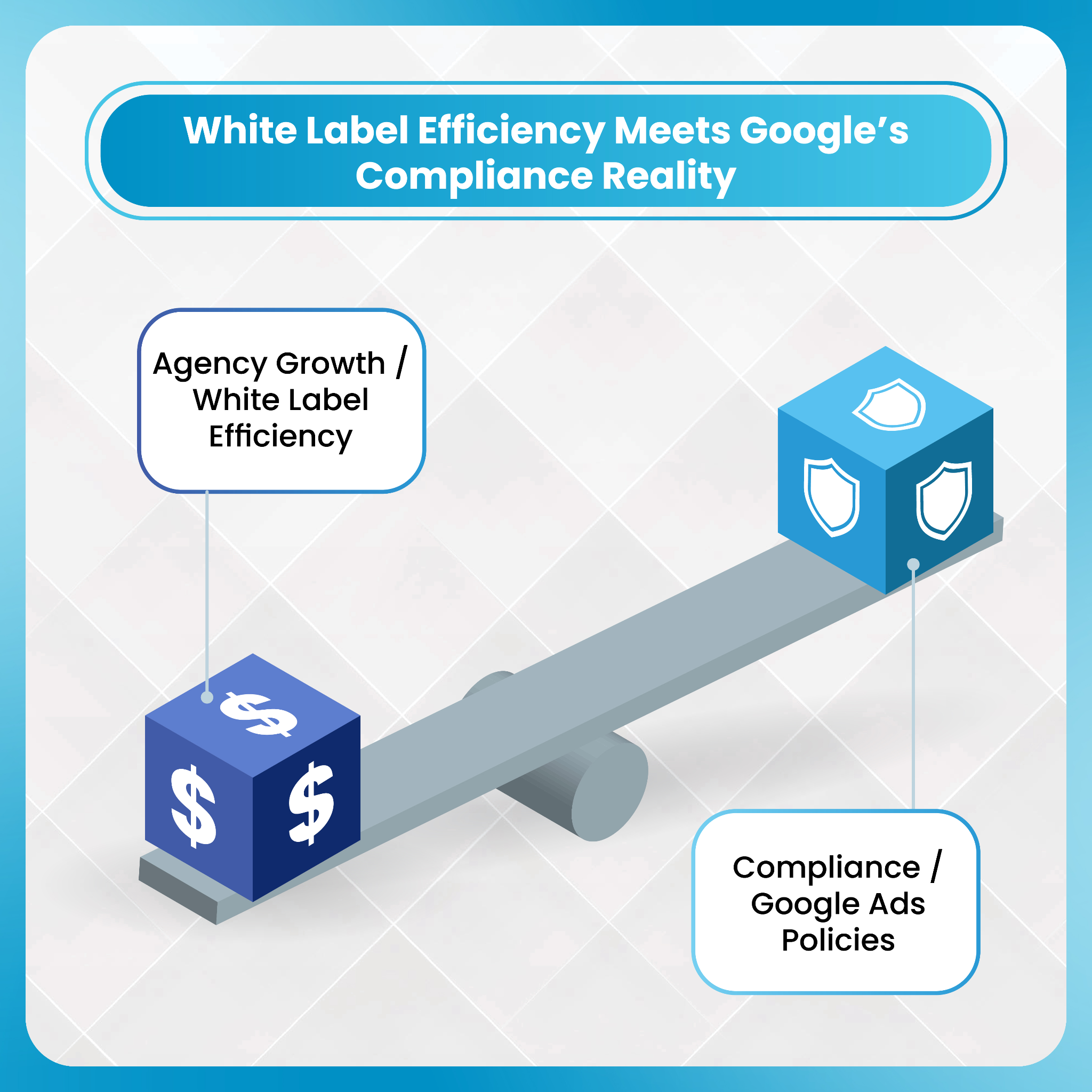
Having this robust risk management infrastructure transforms a major operational liability into a distinct competitive advantage. You can confidently onboard clients in highly regulated industries, knowing that your fulfillment partner will navigate the compliance maze safely. This secure foundation allows your agency to focus on growth, including the expansion into brand-new advertising territories.
5. Ability to Test Emerging Channels Without Internal Disruption
Digital marketing requires continuous innovation to remain effective. As audience attention shifts to new platforms like TikTok, programmatic video, or advanced connected television, agencies must offer these channels to stay relevant. However, testing emerging digital marketing channels is notoriously difficult for internal teams. Asking a specialist who only knows Google Search to launch a complex video campaign usually results in poor performance and wasted hours. Furthermore, the risk of testing unproven strategies on live client accounts is incredibly high, as initial failures can anger clients and trigger immediate contract cancellations.
Leveraging external fulfillment partners enables low-risk experimentation and rapid service expansion. Because these providers employ specialists across all major and emerging networks, your agency can offer new channels without investing months in internal training.
If a client wants to shift budget into a new video network, you simply coordinate with your partner to execute the strategy flawlessly from day one. This capability allows your agency to test new traffic sources without causing any internal disruption or sacrificing the performance of existing campaigns. Providing a diverse, multi-channel strategy secures larger client retainers and positions your agency as a forward-thinking market leader. This comprehensive approach also ensures that traditional campaigns remain tightly optimized.
6. Protection Against Hidden Inefficiencies in PPC Accounts
Even seemingly profitable campaigns often suffer from severe structural inefficiencies that drain client budgets silently over time. Internal teams usually focus their attention on top-level metrics like total leads or cost per acquisition, completely ignoring the granular details of keyword overlap, negative keyword conflicts, and geographical bid modifiers. This lack of deep internal auditing creates a leaky bucket scenario. Data indicates that businesses lose approximately $1,127 in wasted spend per month due to unoptimized campaign settings and irrelevant keyword matching.
A structured outsourcing model provides absolute protection against these hidden financial leaks. Professional fulfillment centers utilize rigorous auditing protocols and automated diagnostic tools to scrutinize every layer of an advertising account. They systematically identify and eliminate duplicate bidding, refine device targeting, and prune wasteful search terms that consume budget without generating revenue.
By continuously plugging these hidden leaks, the partner ensures that every dollar of the client budget works efficiently toward acquiring qualified leads. This meticulous attention to detail improves profitability margins for the client and makes your agency look exceptionally competent during monthly reporting meetings. Eliminating this technical debt allows agency owners to rethink their entire approach to business growth and staffing.
7. Operational Leverage Without Increasing Headcount Complexity
One of the greatest barriers to scaling a digital agency is the traditional hiring model. Finding, recruiting, and interviewing competent media buyers is a frustrating and expensive process. Once hired, these employees require extensive training, expensive software licenses, and ongoing management. The core problem is that internal hiring increases fixed overhead costs regardless of client retention.
If the agency loses three major clients in a single month, they must still pay the salaries of their internal specialists, instantly destroying the company profit margin.
Adopting a white label PPC model converts these dangerous fixed costs into highly scalable capacity. You only pay for fulfillment services when you have an active, paying client. This operational leverage allows you to pitch and close enterprise-level accounts without worrying about whether your current staff has the bandwidth to manage the workload.
Furthermore, it completely eliminates the training costs, human resources complexity, and retention headaches associated with managing technical employees. You gain the operational capacity of a massive enterprise agency while maintaining the lean, agile profit margins of a boutique firm. This flexibility proves especially valuable when dealing with accounts that experience massive shifts in market demand.
8. Superior Handling of Seasonal Volatility
Many industries experience extreme fluctuations in consumer demand based on seasonal changes. Retailers, home service contractors, and travel companies require highly dynamic campaign management during their peak seasons. The complexity of seasonal campaign management involves precise timing, budget pacing, and aggressive bid adjustments. Internal teams frequently miss the mark by reacting to seasonal PPC trends too late, launching holiday promotions only after competitors have already captured the majority of the market share.
To secure a dominant position, campaigns require a significant two to four weeks of early optimization advantage. Professional fulfillment teams utilize vast amounts of historical pattern data to anticipate these seasonal shifts accurately. They prepare localized landing pages, adjust automated bidding targets, and increase budget caps weeks before the consumer surge begins.
By the time the peak season arrives, the client campaigns possess strong quality scores and high ad ranks, resulting in cheaper clicks and maximum visibility. This proactive management guarantees that your clients capitalize entirely on their most profitable months.
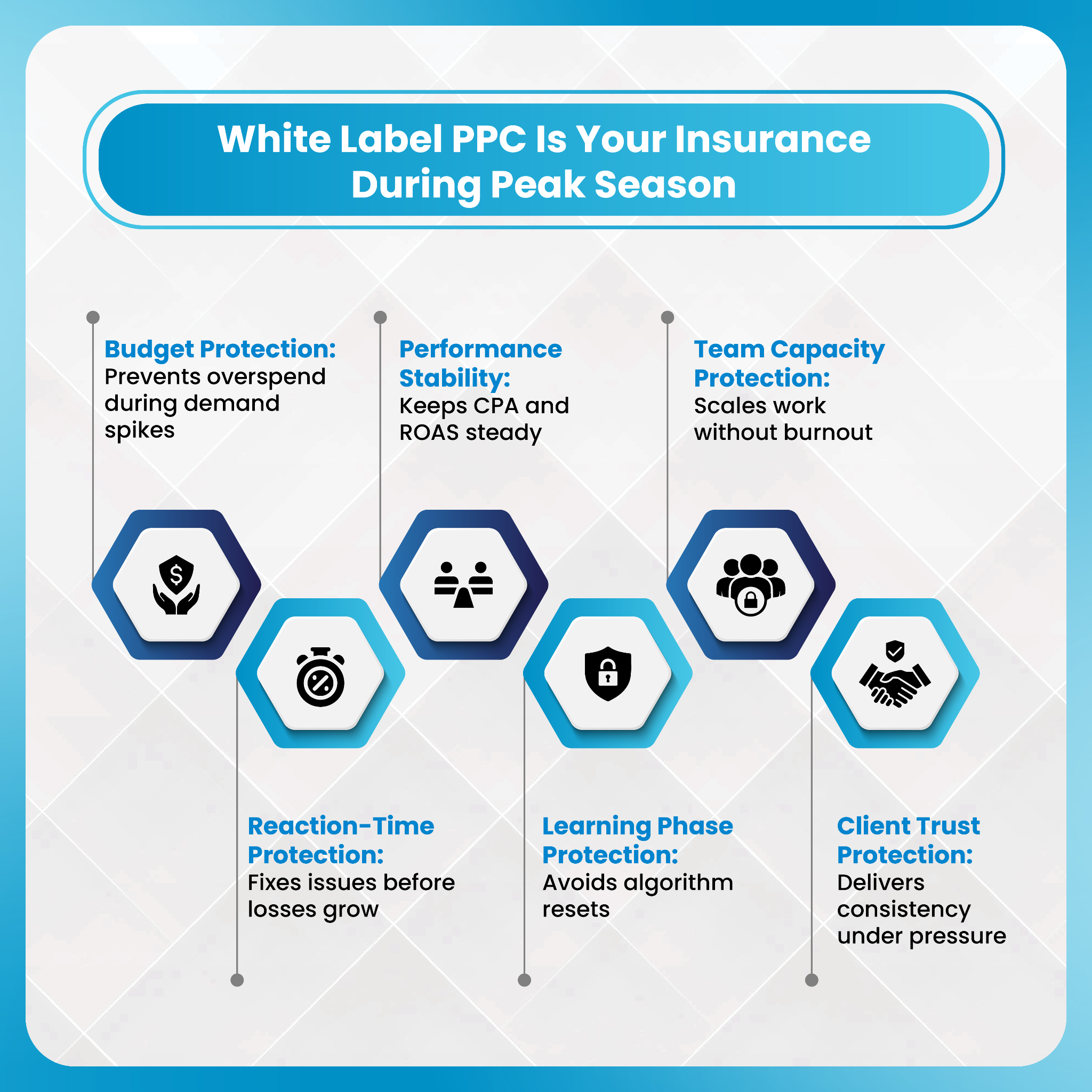
Providing this level of sophisticated seasonal execution solidifies the agency's value proposition and leads directly into how specific software platforms facilitate this growth.
Further Reading: Scaling Seasonal Campaigns with White Label PPC Without Sacrificing Quality
How DashClicks' White Label PPC Services Support Scalable Growth?
Finding the right partner to execute these complex strategies is the most critical decision an agency owner will make. Using a proven platform like DashClicks transforms a struggling agency into a highly efficient fulfillment machine. Its comprehensive execution engine is designed specifically for agency scalability. They handle the entire lifecycle of a campaign, starting with meticulous campaign setup and extending through ongoing daily management.
The real power of DashClicks lies in their structured optimization workflows and scalable fulfillment architecture. Their dedicated teams of specialists monitor platform algorithms continuously, applying data-driven adjustments that protect client budgets from market volatility. This allows agency owners to step away from the tedious backend work and focus entirely on closing new deals.
Additionally, the platform provides agencies with fully branded reporting dashboards. These dashboards offer clients complete transparency into their campaign metrics, fostering trust without requiring the agency owner to manually compile data spreadsheets every month.
By utilizing these white label PPC services, agencies convert fixed operational headaches into predictable, scalable growth. DashClicks functions as your invisible backend powerhouse, allowing you to confidently sell high-ticket advertising services knowing that a team of experts is dedicated to delivering exceptional results.
Strategic Infrastructure for Future Agency Success
Navigating the modern digital advertising ecosystem requires more than just basic technical knowledge. It requires speed, stability, and access to sophisticated data networks that independent agencies cannot easily replicate internally. Outsourcing your media buying operations to specialized partners is no longer a shortcut but a fundamental component of strategic infrastructure.
By embracing this model, agencies gain immediate protection against platform volatility and strict policy enforcement. They leverage cross-industry data advantages to improve client conversion rates, eliminate hidden account inefficiencies, and successfully test innovative traffic channels. Most importantly, shifting to an external fulfillment model removes the crushing burden of hiring and managing internal technical staff. You secure true operational leverage, allowing you to scale your client roster endlessly without compromising the quality of your deliverables.
Ultimately, deciding to outsource is about securing strategic leverage. It empowers agency owners to focus entirely on revenue-generating activities like sales and consulting while leaving the intricate, unpredictable mechanics of platform algorithms to dedicated experts.

No results found.
Please try different keywords.
Get Started with
DashClicks Today
Get found online, convert leads faster, generate more revenue, and improve your reputation with our all-in-one platform.
.svg)
Unlimited Sub-Accounts
Unlimited Users
All Apps
All Features
White-Labeled
Active Community
Mobile App
Live Support
100+ Tutorials
Unlimited Sub-Accounts
Unlimited Users
All Apps
All Features
White-Labeled
Active Community
Mobile App
Live Support
100+ Tutorials
Unlimited Sub-Accounts
Unlimited Users
All Apps
All Features
White-Labeled
Active Community
Mobile App
Live Support
100+ Tutorials


