

.svg)

.svg)
.svg)
.svg)
.svg)
.svg)
Pay‑per‑click (PPC) advertising is one of the most requested services agencies offer. Clients want leads, visibility, and measurable results. Google Ads remains the cornerstone of paid search and lead generation for businesses of all sizes, with nearly all PPC marketers using Google as a primary platform. In fact, 98% of PPC professionals report using Google Ads, making it far more popular than other paid channels.
But here’s the problem: while demand for PPC is strong, delivering Google Ads effectively and profitably is one of the hardest services to operate at scale. Rising costs, platform complexity, and evolving client expectations put agencies under pressure. Many firms want the revenue upside of PPC without the heavy overhead of managing campaigns themselves. That tension is driving more agencies toward white label PPC services. These models let agencies resell high‑performance PPC under their own brand without the operational burden.
In this blog, we’ll explore why agencies struggle with reselling PPC, how white label PPC can be a scalable solution, and how DashClicks supports agencies in delivering results clients love.
Why Agencies Fail to Resell PPC Successfully?
Selling PPC is rarely the issue. Most agencies can explain the value of Google Ads and close deals without much trouble. The real challenge begins after the contract is signed. Delivering PPC consistently, profitably, and at scale is where many agencies struggle.
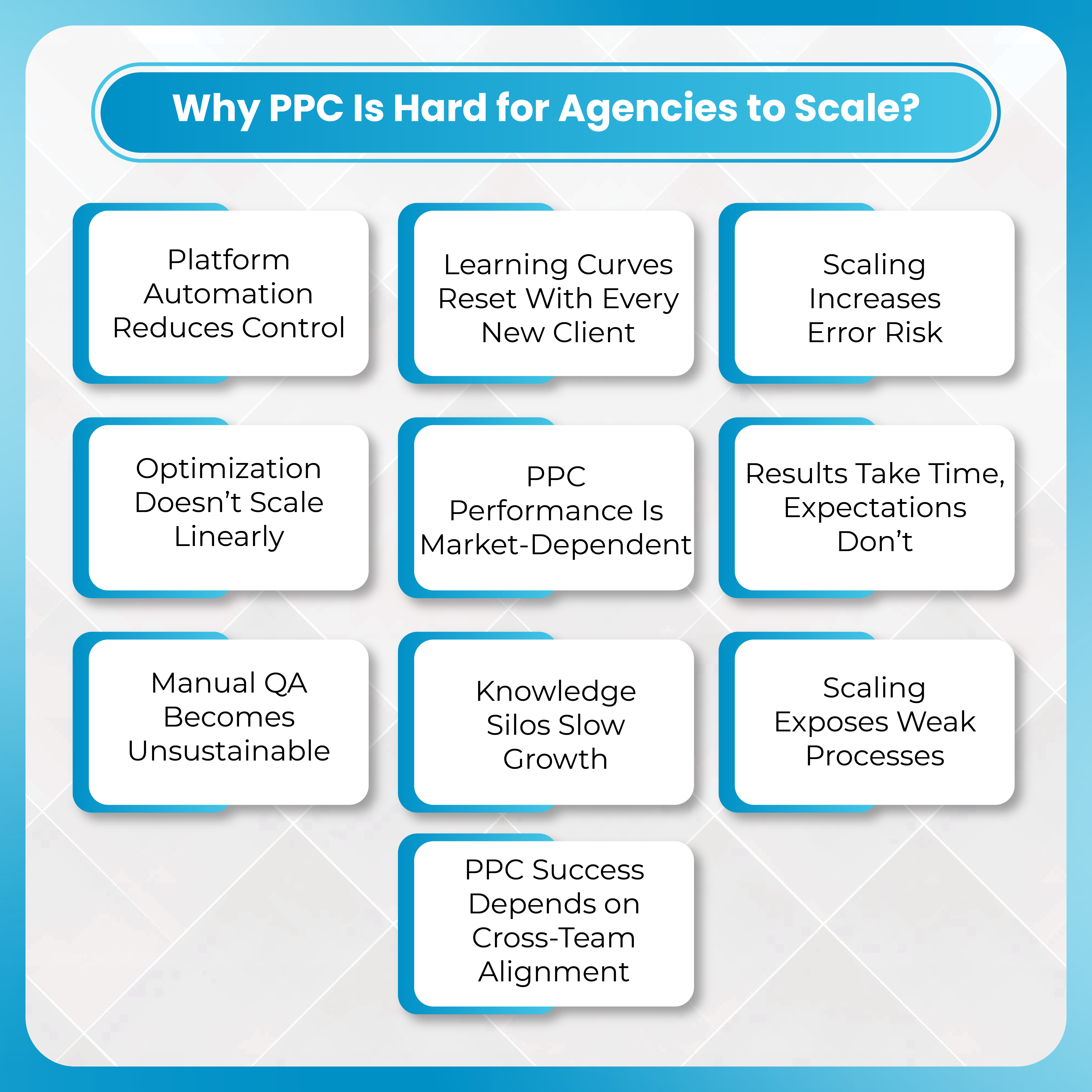
Google Ads is both powerful and demanding, and underestimating that reality often leads to poor results and a strained agency- client relationship. Below are the most common reasons agencies fail to resell PPC successfully.
1. Operational Complexity of Google Ads
Google Ads is not a one-time setup. Every successful campaign depends on ongoing strategy, testing, and refinement. Agencies must handle strategic campaign structures, detailed keyword mapping, bid strategies, ad extensions, negative keywords, and proper tracking for conversions and revenue. Each of these elements affects performance and cost.
On top of that, Google regularly updates its platform. New bidding models, automation features, policy changes, and interface updates require constant learning and adjustment. Teams without deep PPC experience often miss opportunities or make small configuration mistakes that lead to wasted spend and weak ROI.
Even tasks that seem basic, like conversion tracking or bid adjustments using auction insights, can go wrong without specialized knowledge. PPC performance is built over time through consistent optimization. A one-time setup may generate traffic, but it rarely delivers sustainable results.
2. In-House PPC Teams Are Expensive and Fragile
Building an internal PPC team sounds like a logical solution, but it comes with significant challenges. Skilled PPC professionals command high salaries, and agencies also absorb the cost of benefits, tools, training, and certifications. Recruiting experienced talent is competitive, and turnover is common.
Even when agencies secure strong talent, performance often depends on one or two key individuals. If those employees leave, take time off, or become overloaded, campaign quality drops quickly. This creates a fragile delivery model where results and timelines become unpredictable. That instability makes it difficult to scale PPC services with confidence.
3. Poor Performance Leads to Client Churn
Clients care about outcomes, not effort. When PPC campaigns are under-optimized, the signs are clear. Cost per acquisition rises, quality scores fall, and conversions slow down. At that point, clients do not blame the platform. They associate the results with the agency managing their ads.
Missed performance targets erode trust and shorten client lifecycles. Renewals become harder, budgets shrink, and churn increases. Instead of being a profitable service, PPC turns into a liability that drains time and damages the agency’s reputation.
4. Inconsistent Delivery Across Clients
PPC is both technical and strategic. When different strategists follow different approaches, results vary widely. Without standardized frameworks, campaign structures, and optimization routines, PPC delivery becomes inconsistent.
This inconsistency makes it difficult to package PPC as a repeatable service. Sales teams hesitate to sell PPC aggressively when outcomes feel uncertain. Over time, agencies either limit PPC offerings or avoid positioning it as a core service because they cannot guarantee consistent performance.
5. Weak Reporting Undermines Trust
Reporting plays a major role in client confidence. Many agencies rely on generic dashboards that highlight clicks, impressions, and spend without tying those metrics to business results. Clients want to understand how PPC impacts their goals, not just activity levels.
Effective reporting focuses on leads that convert, conversion value, revenue impact, and long-term ROI trends. When reports lack context and narrative, clients question the value they are receiving. That skepticism makes pricing discussions harder and limits opportunities to grow accounts.
6. Scaling PPC Breaks Internal Systems
As agencies onboard more PPC clients, complexity increases quickly. More campaigns mean more budgets, more keywords, more optimizations, and more reporting requirements. Without strong systems and processes, teams struggle to maintain quality.
At a certain point, delivery capacity hits a ceiling. Performance suffers before revenue scales, and PPC becomes a bottleneck instead of a growth channel. This is often where agencies realize that their internal model cannot support long-term PPC growth.
The issue is not a lack of demand for PPC. Businesses continue to invest heavily in paid search because it drives measurable results. The real problem is that many agencies lack a repeatable, efficient, and profitable way to deliver Google Ads at scale. This is exactly where white label PPC changes the equation.
How White Label PPC Enables Agencies to Resell and Scale PPC?
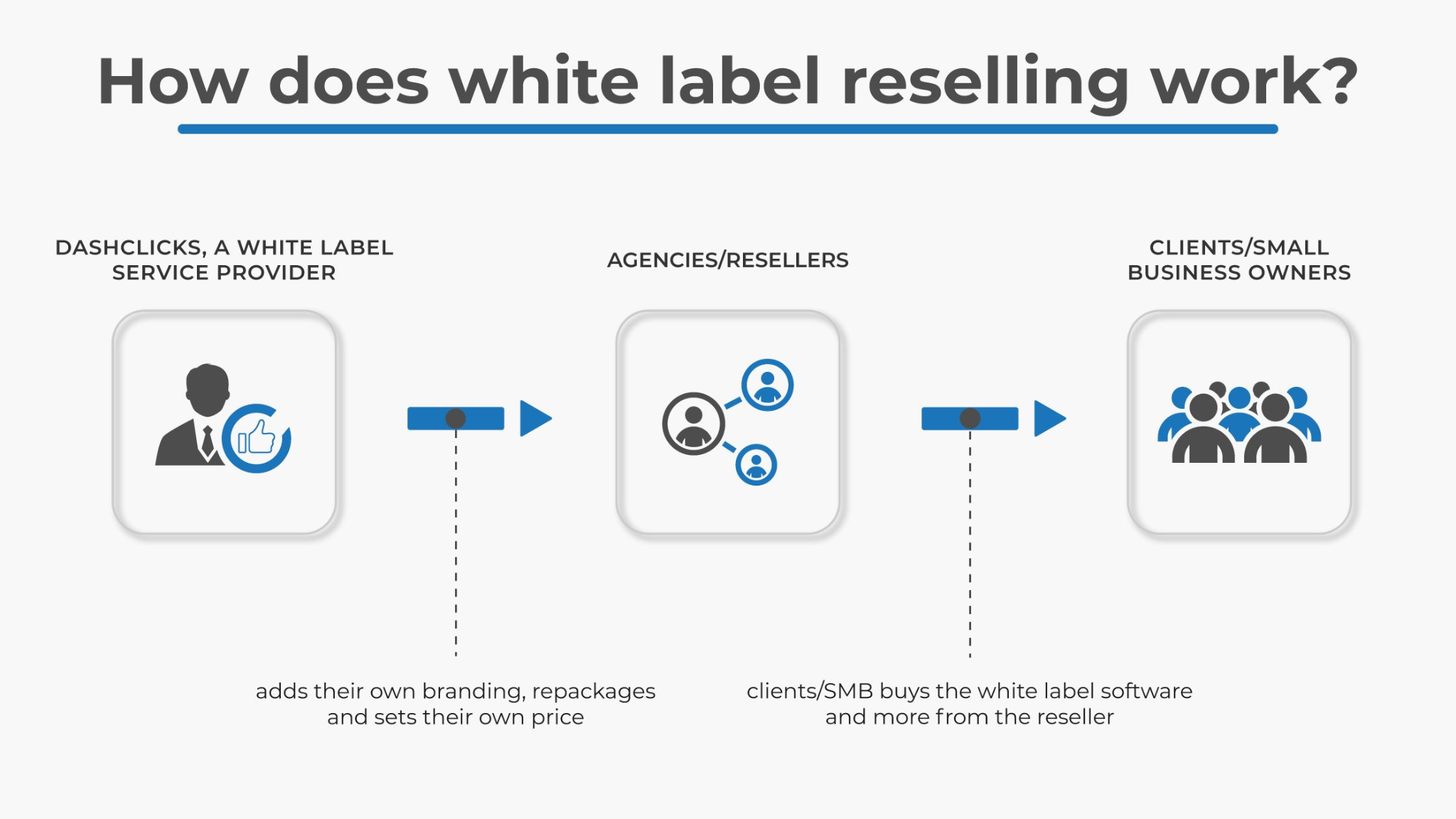
Rather than building and managing every PPC function internally, many agencies choose to partner with specialists who handle execution behind the scenes. White label PPC makes this possible by separating delivery from branding. Your agency stays front and center with the client, while experienced PPC professionals manage the technical work. This model removes operational strain and makes Google Ads far easier to sell and scale.
1. White Label PPC as a Reselling Model
White label PPC allows agencies to offer paid advertising as a core service without sacrificing control. Your agency retains full ownership of the relationship, including brand identity, pricing, and strategic positioning. Clients see your logo, your messaging, and your expertise.
Behind the scenes, a white label partner handles campaign setup, optimization, and ongoing management. This structure turns PPC into a repeatable, productized service. You can confidently sell PPC to new and existing clients using your own packages and margins, without worrying about delivery limitations.
2. Expert Google Ads Execution Without In-House Overhead
White label PPC partners are built specifically around Google Ads expertise. Their teams manage search, display, and remarketing campaigns, along with smart bidding strategies, keyword refinement, and ad copy testing.
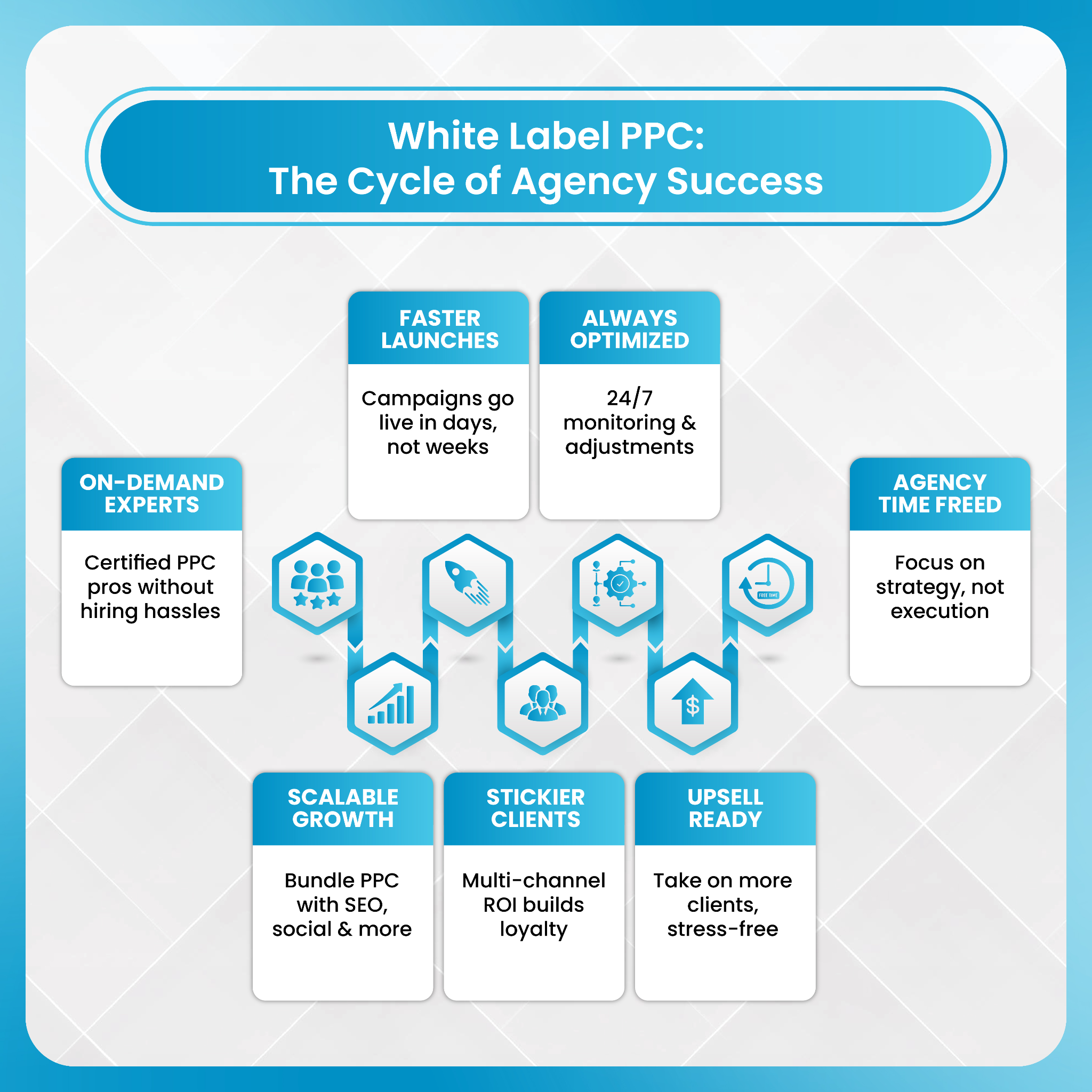
For agencies, this means access to senior-level PPC talent without the cost or risk of hiring internally. There are no salaries, benefits, or long onboarding cycles. Instead, you gain immediate access to specialists who live and breathe paid media. This reduces operational risk and ensures campaigns are managed by professionals who understand platform changes and performance nuances.
3. Performance-Driven Campaign Structures
One of the biggest advantages of white label PPC is consistency. White label teams rely on proven frameworks rather than improvised setups. Campaigns are structured with performance in mind from day one.
These standardized blueprints lead to stronger Quality Scores, more efficient cost-per-click, and higher conversion rates. Because the approach is refined through experience, results are more predictable and scalable. This consistency helps agencies deliver stable outcomes across accounts while building trust with clients over time.
4. Continuous Optimization and Testing
PPC performance does not improve on its own. To stay competitive in crowded ad auctions, campaigns require ongoing refinement. White label PPC teams continuously monitor and optimize accounts through search term mining to uncover new keyword opportunities and eliminate wasted spend. Bids are adjusted based on real-time performance data, competition levels, and conversion trends.
Ad copy and extensions are tested regularly to improve click-through rates and engagement. These ongoing optimizations keep campaigns aligned with client goals while adapting to changes in user behavior and platform dynamics. Over time, this steady refinement leads to stronger performance across key metrics such as cost per acquisition, return on ad spend, and impression share.
5. Advanced Tracking and Measurement
Accurate tracking is the foundation of effective PPC management. Without reliable data, agencies are left guessing about what is actually driving results. White label PPC services typically include proper conversion tracking, GA4 integration, and enhanced conversions to capture more accurate insights.
With clean and consistent data, agencies can clearly show how campaigns impact lead quality, sales, and revenue. This level of transparency helps shift conversations away from surface-level metrics and toward real business outcomes. Clear measurement builds trust and reinforces the agency’s strategic value.
6. White-Labeled Reporting That Supports Reselling
Reporting plays a critical role in client retention and account growth. White label PPC partners provide dashboards that are fully branded to your agency, ensuring a seamless client experience. These reports focus on meaningful business goals rather than vanity metrics like clicks alone.
By clearly highlighting wins, areas of improvement, and next steps, reporting becomes a storytelling tool instead of a data dump. Clients can easily understand progress and see how PPC supports their objectives. This clarity makes PPC easier to sell, renew, and expand over time.
7. Faster Onboarding and Easier Scaling
Speed and consistency matter when agencies want to grow. With white label PPC, standardized processes allow new clients to launch faster without lengthy setup or internal ramp-up. Campaign structures, tracking, and reporting follow proven workflows, which reduces delays and errors during client onboarding.
Because delivery is handled consistently by a dedicated team, agencies can take on more PPC clients without stretching internal resources. PPC becomes a reliable, repeatable line item in your service suite rather than a custom build for every account. This makes scaling simpler and far less stressful for your team.
8. Turning PPC Into a Profit Center
Predictable delivery transforms how PPC impacts the business. When performance and workflows are consistent, agencies gain better control over margins and costs. Client retention improves as results stabilize, and long-term relationships become easier to maintain.
White label PPC also increases lifetime value by making it easier to upsell, renew, and expand accounts. Instead of being a high-effort, high-risk service, PPC becomes a scalable revenue stream that supports sustainable agency growth.
How DashClicks’ White Label PPC Helps Agencies Resell Google Ads with Ease?
DashClicks provides a white label PPC services built specifically for agencies that want to grow without adding operational complexity. The platform is designed to handle the full scope of PPC delivery while allowing agencies to remain in complete control of their brand and client relationships.
With DashClicks, agencies work with dedicated Google Ads specialists who manage campaign setup, ongoing optimization, and long-term scaling. Every campaign is structured with performance in mind, ensuring strategies align closely with client goals, budgets, and growth targets.
Their platform also delivers white-labeled reporting that simplifies how results are communicated. Reports focus on meaningful outcomes and are easy to explain during client reviews, which helps reinforce value and support renewals. Because the service integrates smoothly into existing agency workflows, teams can offer PPC without adding internal strain or hiring additional staff.
This turnkey approach allows agencies to confidently expand their PPC offerings, scale revenue, and deliver consistent results. By removing the burden of in-house execution, DashClicks helps agencies provide high-value Google Ads services while protecting margins and keeping clients satisfied.
Conclusion: Reselling PPC Without the Pain
Google Ads is no longer a service agencies can manage on the side. The platform is complex, competitive, and constantly evolving. When agencies try to deliver PPC without the right systems, expertise, and processes in place, margins shrink and client trust erodes.
White label PPC offers a smarter path forward. It enables agencies to provide expert-level Google Ads management under their own brand, while maintaining consistency, performance, and profitability. With the right delivery model, PPC becomes easier to scale, simpler to manage, and far more effective for clients.
The result is steady growth, stronger client relationships, and a PPC service that operates as a true profit engine rather than a constant operational challenge.


.svg)


.svg)
.svg)
.svg)
.svg)
.svg)