

.svg)

.svg)
.svg)
.svg)
.svg)
.svg)
SEO has become increasingly complex for both agencies and the clients they serve. A single strategy discussion can involve rankings, organic traffic, content creation, backlinks, AI search, and technical SEO. For most clients, understanding which activities deserve the most attention can be challenging. Every recommendation sounds important, making it difficult to separate priorities from distractions.
The challenge is amplified by the amount of conflicting advice available today. Competitors suggest one approach, social media influencers promote another, and AI tools often generate recommendations that contradict what clients read elsewhere. As a result, many businesses become uncertain about where to invest their SEO budget and effort.
This confusion matters because SEO remains one of the most important digital marketing channels. According to BrightEdge, organic search drives 53% of all website traffic. When such a significant share of business visibility depends on SEO, clients naturally want confidence that resources are being allocated to the right initiatives.
This is where white label SEO services create value. By providing structure, consistent processes, and strategic direction, the best white label SEO services help agencies simplify decision-making and align clients around the activities that support meaningful business growth.
As SEO becomes more complex, many clients struggle to determine which initiatives deserve the most attention. Before agencies can align clients around the right priorities, they must first understand why SEO confusion is so common.
Why Clients Often Struggle to Understand SEO Priorities?
Most clients are not difficult on purpose. They struggle because SEO presents several genuine obstacles that make prioritization hard.
1. Too Many Moving Parts
Modern SEO covers content creation, technical SEO, link building, local SEO, user experience, internal linking, and more. Each of these areas has its own best practices and its own specialists. From the outside, every initiative looks equally important. A client who hears that internal linking, page speed, and content quality all matter has no easy way to rank them. So they often assume everything must happen at once, which stretches budgets and dilutes focus.
2. Conflicting SEO Advice
Clients rarely get their information from a single trusted source. Competitors share recommendations during sales conversations. Social media influencers promote shortcuts that promise fast wins. AI tools generate suggestions that sometimes contradict each other. Industry blogs disagree on best practices, and each one sounds authoritative. When every source claims to have the answer, clients end up more confused than informed.
3. Search Behavior has Changed
Rankings and traffic used to be the clearest signs of SEO success. That is no longer the case. Search results now include SERP features, AI-generated answers, local packs, and zero-click experiences that keep users on Google instead of sending them to a website. In fact, approximately 58.5% of Google searches now end without a click, according to data from SparkToro and Datos. A client who only watches rankings may miss the bigger picture entirely.
4. Difficulty Connecting SEO to Revenue
Clients understand leads, sales, and revenue because those numbers shape their business. What they often cannot see is how keyword research, content creation, technical fixes, and on-page optimization feed into those outcomes. The link between a meta tag fix and a new customer is not obvious. Without that connection, SEO can feel like an expense with unclear returns.
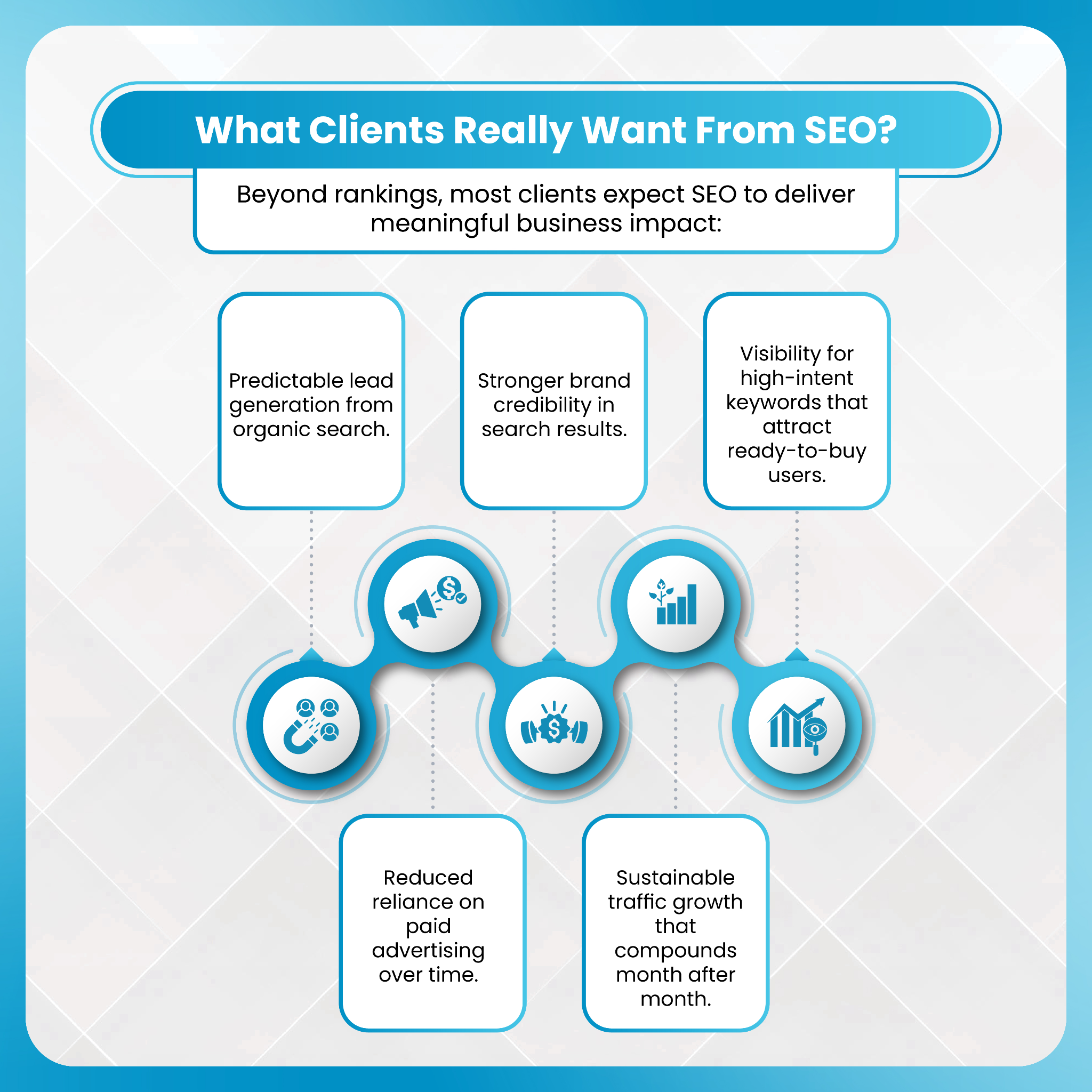
When clients cannot clearly distinguish between high-impact and low-impact activities, prioritization becomes difficult. This often leads to common mistakes that prevent SEO strategies from delivering their full value.
The Most Common SEO Prioritization Mistakes
When clients lack a clear framework, they tend to fall into the same traps. Recognizing these mistakes helps agencies steer conversations in a more productive direction.
1. Chasing Rankings Instead of Revenue
A client might celebrate a number one ranking for a keyword that brings in almost no business. High rankings feel like a win, but they do not always produce meaningful outcomes. The keywords that matter most carry commercial or transactional intent, meaning the searcher is close to making a decision. An agency that ranks a client first for an informational term with no buying intent may have technically succeeded while delivering little real value. Helping clients understand the difference between vanity rankings and revenue-driving rankings is one of the most useful things an agency can do.
2. Prioritizing Traffic Over Conversions
More visitors sound good, but traffic alone does not pay the bills. Imagine a local plumbing company that doubles its blog traffic with viral DIY articles, yet sees no increase in service calls. The target audience reading those posts was never going to hire a plumber. Conversion-focused SEO, which targets the right people rather than the most people, almost always produces stronger long-term results.
3. Focusing on Tactics Instead of Strategy
Clients frequently arrive with specific requests. They want more blog posts, a batch of backlinks, or a technical SEO fix they read about. These requests are not wrong, but when they happen in isolation, they create fragmented SEO efforts. A pile of disconnected tactics rarely adds up to a coherent strategy. Picture an agency that publishes content because the client asked, builds links because a competitor has them, and fixes technical issues at random. The work happens, but nothing pulls in the same direction.
4. Treating Every SEO Issue as Urgent
SEO audits often surface dozens of issues, and a worried client may want them all fixed immediately. In reality, not every recommendation deserves the same priority. A broken canonical tag on a key landing page is critical. A handful of missing alt tags on archived blog images can wait. Agencies that distinguish between critical problems and minor improvements protect both their clients' budgets and their own resources.
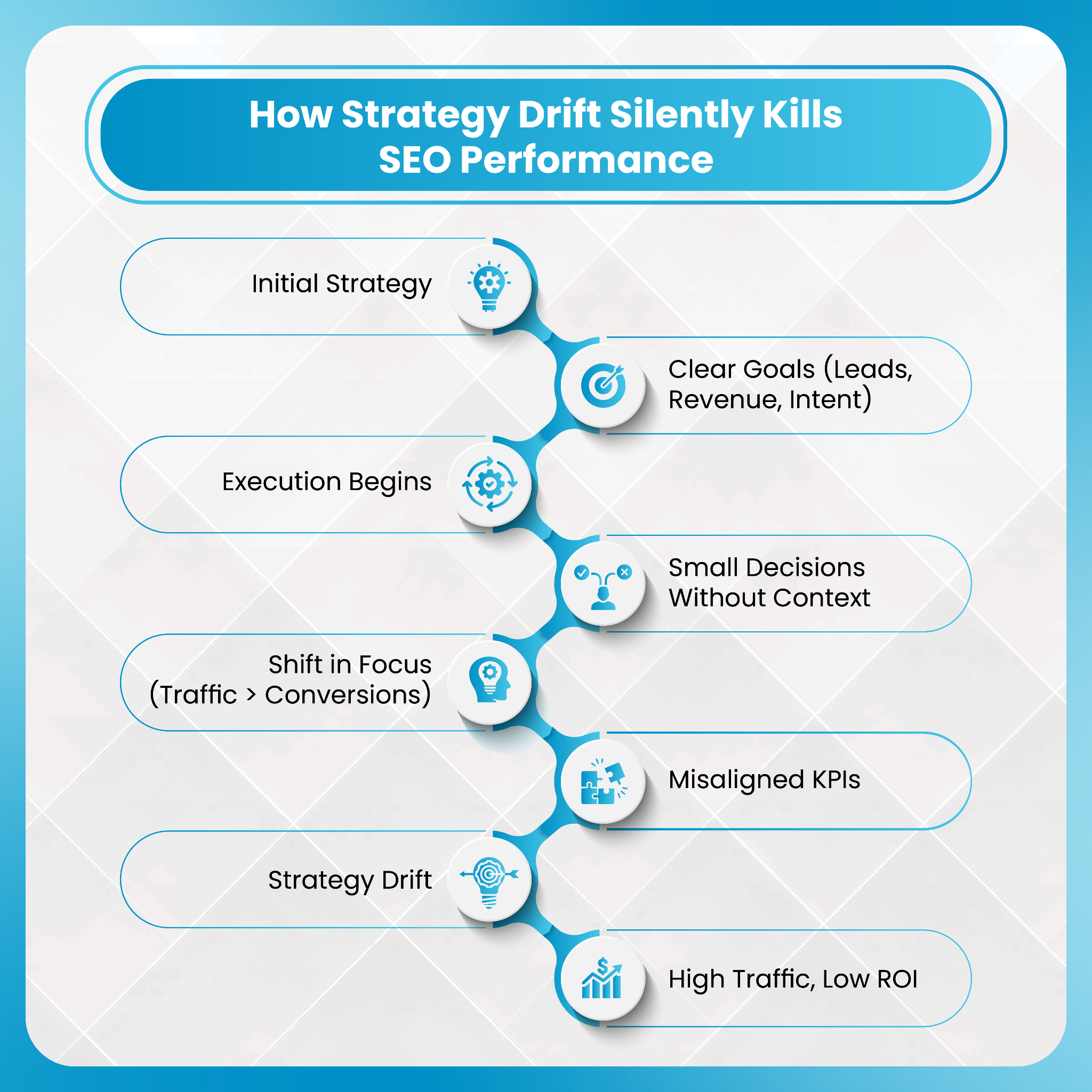
The solution is not more SEO activity. The solution is a structured framework that helps agencies determine what matters most and communicate those priorities effectively.
How White Label SEO Services Create a Structured SEO Roadmap?
A reliable white label SEO firm gives agencies the framework they need to turn scattered effort into a clear plan. Instead of reacting to every request, the agency works from a roadmap built around business impact.
1. Strategic Keyword Research
The foundation of any roadmap is choosing the right targets. A strong white label SEO program focuses on high-intent opportunities rather than the keywords with the largest search volume. Targeting is aligned with the client's business objectives, so the terms chosen reflect how customers actually search when they are ready to buy. By prioritizing revenue-generating search intent, agencies make sure early wins translate into real business results, not just ranking reports.
2. SEO Audits and Prioritization
A good SEO audit does more than list problems. It separates critical issues from lower-priority improvements and explains the reasoning behind that order. The output is an actionable roadmap sequenced by business impact. For example, an agency might tackle indexation problems and broken conversion pages first, then schedule smaller on-page refinements for later phases. The client sees a logical path instead of an intimidating wall of red flags.
3. Content Planning
Content works best when it follows the buyer journey. White label SEO services build content plans that move prospects from awareness to consideration to decision, aligning each piece with a conversion opportunity. This approach also supports topical authority, which strengthens long-term visibility as search engines recognize the site as a trusted resource on its core subjects. A roofing company, for instance, might receive educational guides for early-stage searchers and service-focused pages for buyers ready to request a quote.
4. Technical SEO Guidance
Technical work should support visibility, user experience, and performance, not bury the client under a list of obscure fixes. A focused white label SEO firm highlights the technical improvements that genuinely affect results and skips the noise. That restraint keeps clients from feeling overwhelmed and keeps the team's attention on what matters.
The biggest advantage here is repeatability. The best white label SEO services help agencies create a consistent prioritization framework instead of reacting to every request, trend, or algorithm update. When a client asks about a shiny new tactic, the agency can place that request inside the existing roadmap and explain where it fits. That structure turns reactive conversations into strategic ones and helps clients make better decisions about their own marketing.
Creating a roadmap is only the first step. Agencies must also execute consistently if they want clients to remain confident in the strategy.
Further Reading: Building a Client-Facing SEO Roadmap Using White Label SEO Services
Why Consistent SEO Fulfillment Reduces Client Confusion?
A roadmap loses its power if the work behind it changes direction every month. Consistency is what turns a plan into trust.
- Inconsistency Creates Uncertainty: When priorities shift constantly, clients start to wonder whether anyone is steering the ship. A campaign that chases content one month, link building the next, and technical fixes after that sends a confusing signal. Frequent changes weaken confidence in the strategy and make clients more likely to question every invoice.
- Repeatable Processes Create Confidence: Standardized workflows produce consistent execution, and consistent execution produces a clear strategic direction clients can follow. When a client knows that each month brings a predictable rhythm of research, content, and optimization, the uncertainty fades. They stop worrying about whether work is happening and start trusting the process.
- Connecting Activities to Outcomes: Consistency also makes it easier to show the chain of value. Keyword research leads to content creation, which supports rankings, which generates leads, which produces revenue. When the same process runs month after month, clients can see how individual SEO activities feed into larger business objectives. That visibility is far harder to provide when the approach keeps changing.
This is why consistency often matters more than volume. An agency that delivers a steady, well-organized stream of work builds more trust than one that produces a burst of activity and then goes quiet. Clients value reliability because it gives them something they can plan around.
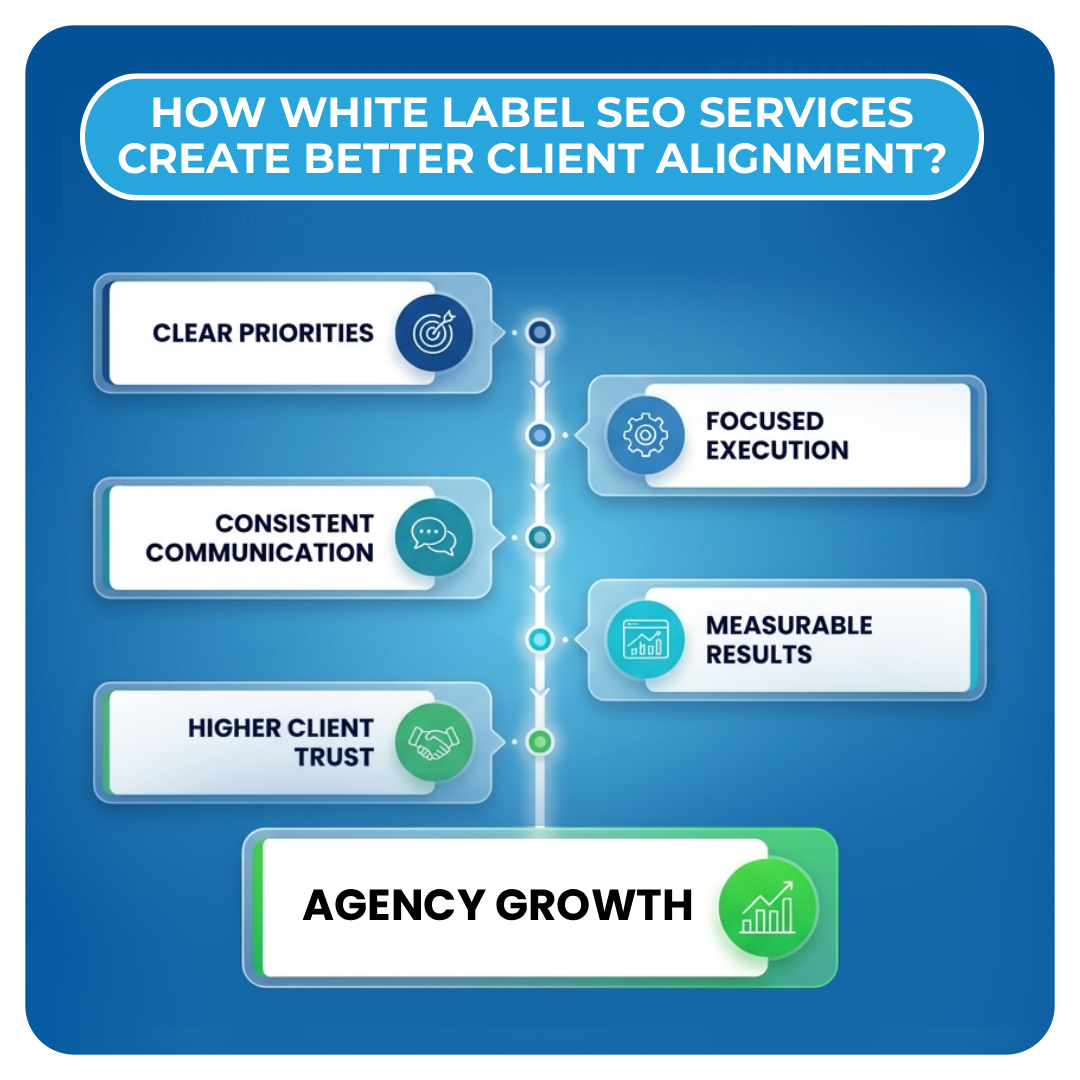
Even strong execution can lose value if agencies fail to explain why certain activities were prioritized. This is where client reporting becomes a critical communication tool.
Using Reporting to Reinforce SEO Priorities
Reporting is the moment when strategy becomes visible to the client. Done well, it reinforces priorities and builds trust. Done poorly, it becomes a confusing list of tasks. Strong reports answer four simple questions.
What was completed?
Start by clearly communicating the deliverables finished during the period. Clients want to know the work is getting done, and a clear summary gives them that reassurance without forcing them to dig through dashboards.
Why was it prioritized?
This is the question most reports skip, and it is the most important one. Explaining why a particular task was chosen connects the work to larger goals. A note that says a set of service pages was optimized because they target high-intent buyers tells a far better story than a bare checklist.
What results were generated?
Tie the completed work to performance outcomes. Movement in rankings for priority keywords, growth in qualified traffic, or an increase in form submissions all show progress. The goal is to link activity to impact so the client sees the return.
What happens next?
Close by giving the client visibility into upcoming priorities and the strategic direction ahead. This keeps them informed and reminds them that the work is part of a longer plan.
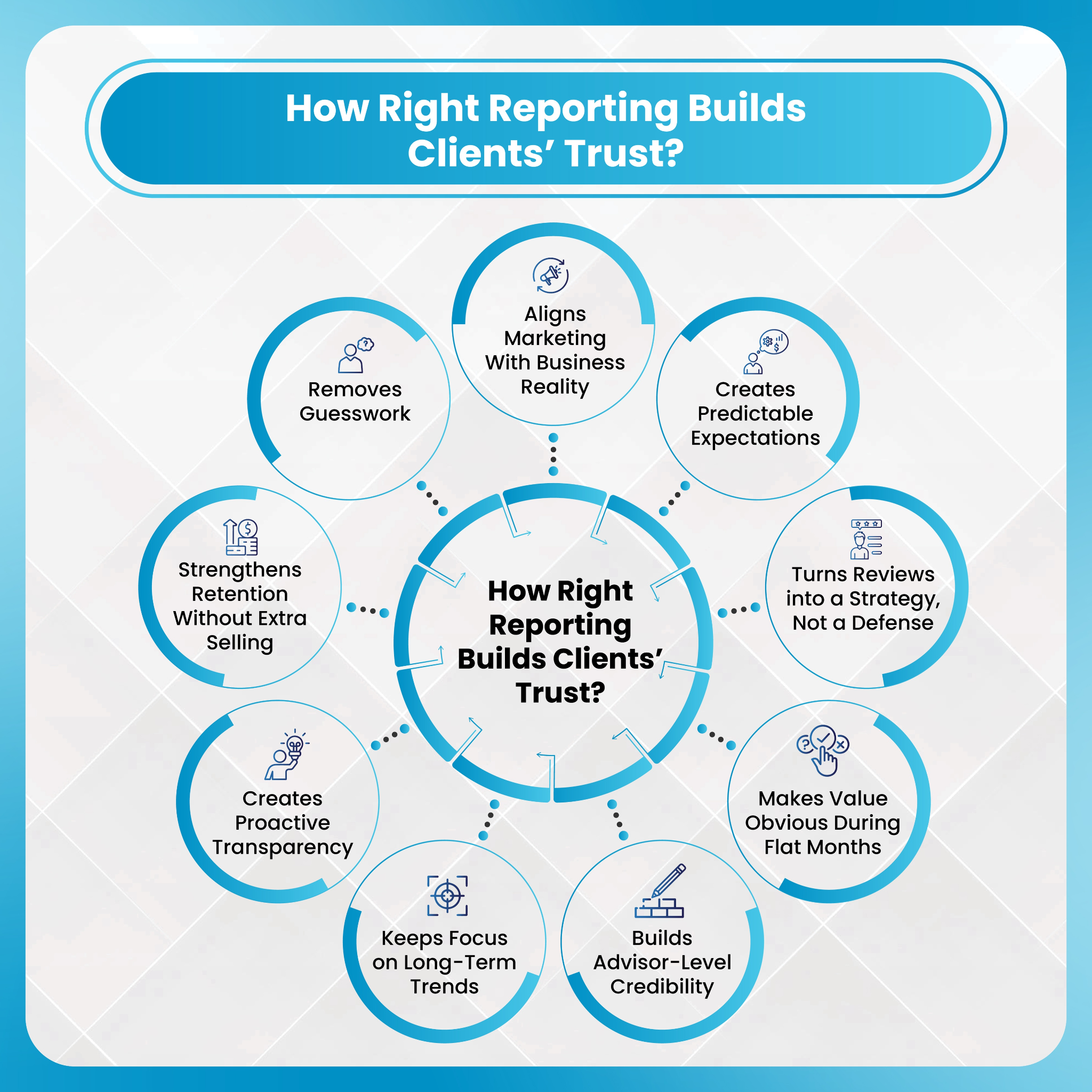
The central idea is simple. Reporting should connect SEO activities to business outcomes rather than simply listing completed tasks. When reports do this consistently, they reduce confusion, strengthen trust, and reinforce the strategic alignment the agency worked to build. A client who reads a report and immediately understands what was done, why it mattered, and what comes next is a client who stays.
As agencies grow, maintaining this level of communication and execution becomes increasingly difficult without scalable systems and support.
Further Reading: The Role of White Label SEO in Streamlining Client Reporting
How DashClicks' White Label SEO Services Help Agencies Create Clarity Around SEO Strategy?
Scaling clear communication across a growing client base is one of the hardest challenges an agency faces. DashClicks' white label SEO services are built to help agencies deliver structure and consistency without stretching internal teams to the breaking point.
- Strategic Research and Planning: DashClicks supports agencies with prioritized keyword opportunities and business-focused SEO roadmaps. Instead of guessing which terms to chase, agencies can present clients with a plan rooted in intent and business goals. This gives every engagement a strong strategic starting point.
- Content and Technical SEO Support: Consistent content execution and technical optimization are easier to maintain with dedicated fulfillment behind them. Agencies can keep content flowing along the buyer journey and address the technical work that supports performance, all without hiring and training a large in-house team.
- Consistent Fulfillment Processes: Standardized workflows mean reliable execution across accounts. Whether an agency manages five clients or fifty, the same dependable process applies. That reliability is exactly what reduces client confusion and builds the trust discussed earlier.
- Reporting Visibility: DashClicks gives agencies clear visibility into completed work and campaign progress. With organized reporting at hand, agencies can answer the four key questions clients care about and present results in a way that reinforces priorities rather than muddying them.
- Scalable Campaign Management: As client portfolios grow, quality often suffers. A strong white label SEO program lets agencies expand without sacrificing the consistency that earned client trust in the first place. Growth becomes an opportunity instead of a strain.
The real value here is not a feature list. It is the ability to communicate priorities clearly, execute efficiently, and maintain consistency across many accounts at once. By handling the heavy lifting of fulfillment and reporting, DashClicks frees agency leaders to focus on strategy and client relationships, which are the areas that drive retention and growth.
Ultimately, successful SEO campaigns are not built on doing everything at once. They are built on doing the right things in the right order.
Conclusion
SEO confusion is rarely a sign that a client is careless. It is the natural result of a discipline with countless competing priorities, conflicting advice, and outcomes that are not always easy to trace back to revenue. Clients struggle because the field genuinely is complex, and that struggle puts pressure on the agency relationship.
Agencies that respond with clear prioritization frameworks change that dynamic. When clients understand what matters most and why, they stop second-guessing the strategy and start trusting the partnership. That trust is the foundation of long-term retention.
White label SEO services give agencies the structure, consistency, and alignment needed to deliver that experience at scale. They turn scattered tactics into organized roadmaps, replace unpredictable effort with repeatable processes, and use reporting to keep priorities front and center. Most importantly, they keep the focus on business outcomes rather than SEO activities alone.
The agencies that win are the ones that simplify decision-making for their clients. By moving beyond task execution and creating genuine strategic clarity, they position themselves to retain clients longer and scale with confidence. The best white label SEO services make that possible, helping agencies grow without losing the focus that made them valuable in the first place.



.svg)


.svg)
.svg)
.svg)
.svg)
.svg)