

.svg)

.svg)
.svg)
.svg)
.svg)
.svg)
Digital marketing agencies can sell Google Ads management without building an in-house PPC department. Many use a white label partner to fulfill campaigns behind the scenes, allowing the agency to focus on strategy, client relationships, and growth. The key is defining exactly what fulfillment includes.
“Google Ads fulfillment” can mean different things. Some providers treat it as basic campaign setup, while a complete fulfillment model supports the campaign throughout its lifecycle.
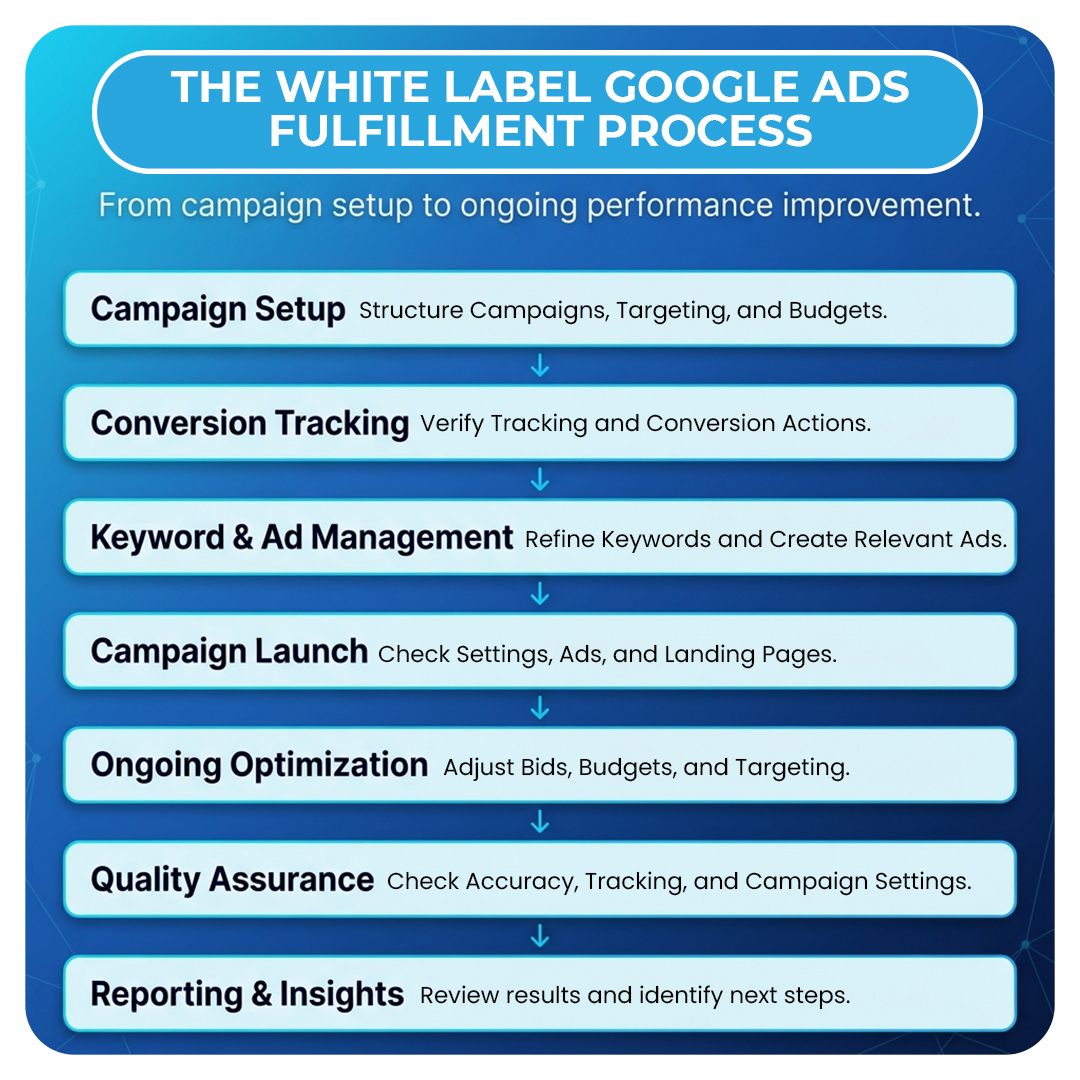
Effective fulfillment should cover setup, measurement, launch, optimization, quality assurance, and reporting. Campaign creation is only the starting point. Ongoing search-term management, bid adjustments, budget monitoring, ad testing, and consistent reporting are equally important.
Current benchmark data highlights why this broader approach matters. According to WordStream’s 2026 Google Ads benchmark data, based on more than 13,000 U.S. campaigns, the average search-ad CPC is $5.42, while the average conversion rate is 8.18%. These figures vary by industry and competition and should not be treated as universal targets. They do, however, reinforce the importance of managing campaigns for efficiency and conversions rather than clicks alone.
This blog explains what a complete white label Google Ads fulfillment scope should include, from initial setup and measurement through ongoing optimization, quality assurance, and reporting, so agencies know what to expect and what to clarify before outsourcing.
What Should Google Ads Campaign Fulfillment Include?
Fulfillment is more than campaign creation. A complete scope should support the work required before, during, and after launch, covering everything from the initial build to the ongoing management that keeps a campaign aligned with its goals.
1. Campaign and Account Setup
A proper campaign setup should include several foundational elements that determine how well the account performs from day one. These include:
- Campaign Objectives and Structure: The campaign type and structure should match the client's goals, whether that's lead generation, e-commerce sales, or brand awareness.
- Targeting and Locations: Audience targeting and geographic settings need to reflect where the client's customers actually are, not a default setting.
- Ad Schedules and Budgets: Schedules and budget allocations should align with when the business can realistically handle leads or sales.
- Ad Groups and Keywords: Ad groups should be organized around tight keyword themes rather than broad, unfocused lists.
- Campaign Settings and Naming Conventions: Consistent naming and settings make accounts easier to audit and manage over time.
- Account Organization and Initial QA: Before launch, someone should review the full build to catch errors in targeting, tracking, or structure.
Setup should reflect the agency's strategy and the client's specific objectives rather than follow a one-size-fits-all template. A fulfillment partner should understand the approved campaign direction and implement it accurately, not substitute their own generic approach.
2. Conversion Tracking and Measurement
Measurement should be established before optimization begins. Without reliable tracking, every later decision about bidding, budget, and keywords is based on incomplete information.
This stage should cover primary versus secondary conversion actions, such as forms, calls, purchases, and other relevant actions specific to the client's business. It also includes verifying that tracking fires correctly, confirming the integration between Google Analytics and Google Ads, and setting conversion values where applicable.
Google states that the Conversions column contains primary conversion actions and that this data can be used for bidding optimization. Google also explains that conversion values can help advertisers measure business value and support value-based bidding. This guidance underscores why tracking accuracy matters so much.
Tracking is not a setup checkbox. Inaccurate or incomplete conversion data can affect the signals used to evaluate campaign performance and make optimization decisions, which means errors here ripple through every later stage of fulfillment.
3. Keyword and Search-Term Management
Keyword work does not end once a campaign launches. It continues throughout the life of the account as search behavior shifts and new data becomes available.
Ongoing keyword and search-term responsibilities typically include:
- Keyword Research and Intent Alignment: Identifying terms that match what the client's customers are actually searching for, not just high-volume terms.
- Match-type Strategy and Grouping: Choosing match types and organizing keywords into tight themes that keep ads relevant to searches.
- Search-term Reviews: Regularly reviewing the actual queries triggering ads to spot irrelevant traffic and new opportunities.
- Negative keyword management: Adding exclusions to prevent budget from being spent on searches that will not convert.
- Refining targeting based on data: Adjusting keyword lists as campaign data reveals which terms perform well and which do not.
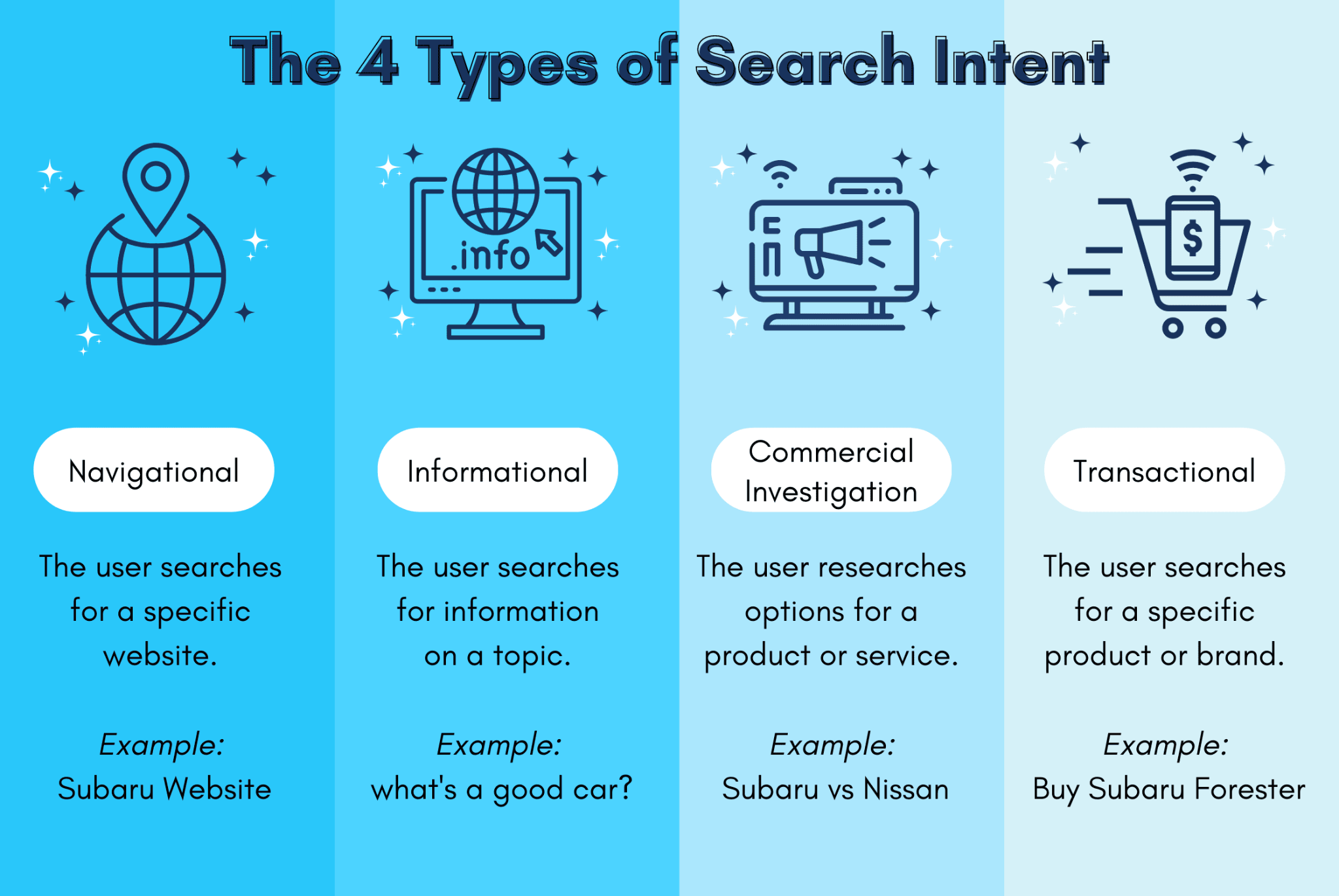
Ongoing search-term management is part of fulfillment, not simply an initial research task completed once at launch.
4. Ad Creation and Testing
Ad execution should center on Responsive Search Ads, including headlines, descriptions, and calls to action that align with the client's approved messaging. Keyword-to-ad relevance matters here too, since ads that closely match search intent tend to perform better within the account.
Fulfillment should help execute, test, and maintain ad variations based on the campaign's goals and available performance signals. This means reviewing ad-level performance regularly and adjusting assets when certain variations underperform, rather than leaving the same ads untouched indefinitely. This is not about teaching an agency how to write ad copy from scratch. It's about consistently executing against an already-approved strategy.
5. Landing Page and Conversion-Path Alignment
The path from a search query to a conversion involves several connected stages: search query, ad, landing page, and conversion. Google Ads fulfillment should consider whether these stages are actually aligned with one another.
This includes reviewing search-intent alignment, checking that the ad's message matches the landing page content, confirming the call to action is consistent, and verifying that tracking is firing correctly on the page. It also means identifying obvious conversion barriers, such as confusing forms or slow load times, that could be hurting results.
Fulfillment may include review and recommendations for landing pages, while actual development or implementation depends on the agreed scope between the agency and the white label partner. A fulfillment partner does not automatically develop or redesign landing pages unless that work is specifically part of the engagement.
6. Bidding and Budget Management
Bidding strategy should be selected based on the campaign's actual goals and what the measurement setup can support. This includes monitoring budget pacing, tracking spend against approved limits, and flagging when a campaign is over or under budget for its intended role.
Google describes Smart Bidding as using AI to optimize bids for conversions or conversion value at auction time. This kind of automation can be useful, but it still requires oversight. Someone needs to monitor how a bid strategy performs and avoid making unnecessary changes during learning periods, when algorithms need time to gather data before adjustments make sense.
Fulfillment includes monitoring and informed adjustments rather than making constant changes simply to demonstrate activity. A bidding strategy that is left alone during a learning period is often performing exactly as it should.
Setup lays the groundwork, but the work that follows is where most of the account's performance gets shaped over time.
Further Reading: How Agencies Can Adapt to Smart Bidding Trends Using White Label PPC Services
What Ongoing Google Ads Optimization Should Include?
Launching a campaign is only the beginning of campaign management. This is one of the most important distinctions agencies should understand when evaluating a fulfillment partner, since optimization quality often determines whether a campaign stays relevant or quietly stagnates.
Optimization should be based on performance signals, campaign data, and client objectives rather than arbitrary changes made for the sake of activity. A responsible fulfillment partner reviews data on a regular cycle and makes decisions tied to what that data actually shows.
Ongoing optimization typically covers:
- Search-term and Negative-keyword Reviews: Reviewing the queries generating traffic to identify irrelevant searches, useful new themes, and opportunities for negative keywords.
- Budget Monitoring: Tracking spend against the approved budget and identifying campaigns that may require allocation changes based on their role and performance.
- Bid Monitoring: Checking whether the current bidding strategy is producing the expected results given the campaign's goals.
- Ad Testing and Keyword Refinement: Testing new ad variations and adjusting keyword targeting as search behavior and performance data evolve.
- Campaign and Ad-group Performance Analysis: Reviewing how individual campaigns and ad groups are performing relative to the account's overall goals.
- Audience, Device, Location, and Schedule Analysis: Looking at performance across these dimensions where relevant to the campaign, since results often vary significantly by segment.
- Impression-share Monitoring: Checking whether budget or bid limits are preventing ads from showing as often as they could for relevant searches.
- Conversion Review: Evaluating whether reported conversions continue to reflect the business outcomes the campaign is intended to generate.
- Lead-quality Review: Considering whether the leads or conversions being tracked are actually valuable to the client's business, not just numerous.
- Landing-page Observations: Noting any patterns suggesting the landing page may be limiting conversion performance.
- Identifying Next Priorities: Determining what needs attention in the upcoming optimization cycle based on everything reviewed.
Good optimization should answer three questions:
- What does the data show?
- What changed?
- What needs attention next?
This is not about constantly changing campaigns for the sake of showing activity. Sometimes the right optimization decision is to leave a well-performing element alone and focus attention elsewhere.
QA and Reporting: The Final Layer of Fulfillment
Quality assurance and reporting complete the fulfillment cycle. These steps are often overlooked when agencies evaluate a white label partner, but they are what separate a reliable fulfillment process from one that creates more work for the agency down the line.
Quality Assurance
A concise pre-delivery QA checklist should confirm the following before work reaches the agency or client:
- Tracking verified and firing correctly
- Budgets checked against approved amounts
- Targeting checked against the approved strategy
- Ads reviewed for accuracy and compliance
- URLs reviewed to confirm they lead to the correct pages
- Negative keywords checked and up to date
- Conversion actions reviewed for accuracy
- Campaign settings checked against the original build
- Approved strategy confirmed before changes go live
QA helps catch execution issues before work reaches the agency or client, reducing the chance of errors slipping through. QA does not guarantee error-free campaigns, but it significantly reduces the likelihood of avoidable mistakes making it into a live account.
Reporting
Reporting should cover the core metrics that tell the story of how a campaign is performing: spend, clicks, conversions, CTR, CPC, conversion rate, CPA or CPL, and where applicable, conversion value and ROAS. Google's reporting documentation highlights metrics such as conversions, conversion value, cost per conversion, and conversion rate as important conversion-related reporting measures.
Reporting should also cover key changes made during the cycle, work completed, and the priorities identified for what comes next. Reporting should help the agency understand what happened, what changed, and what should happen next. A useful fulfillment report provides context around campaign activity and priorities rather than functioning as a simple list of platform metrics with no explanation attached.
Further Reading: Google Ads Reporting: Showcase Your Agency's ROI With Excellence
What Agencies Should Clarify Before Outsourcing Google Ads
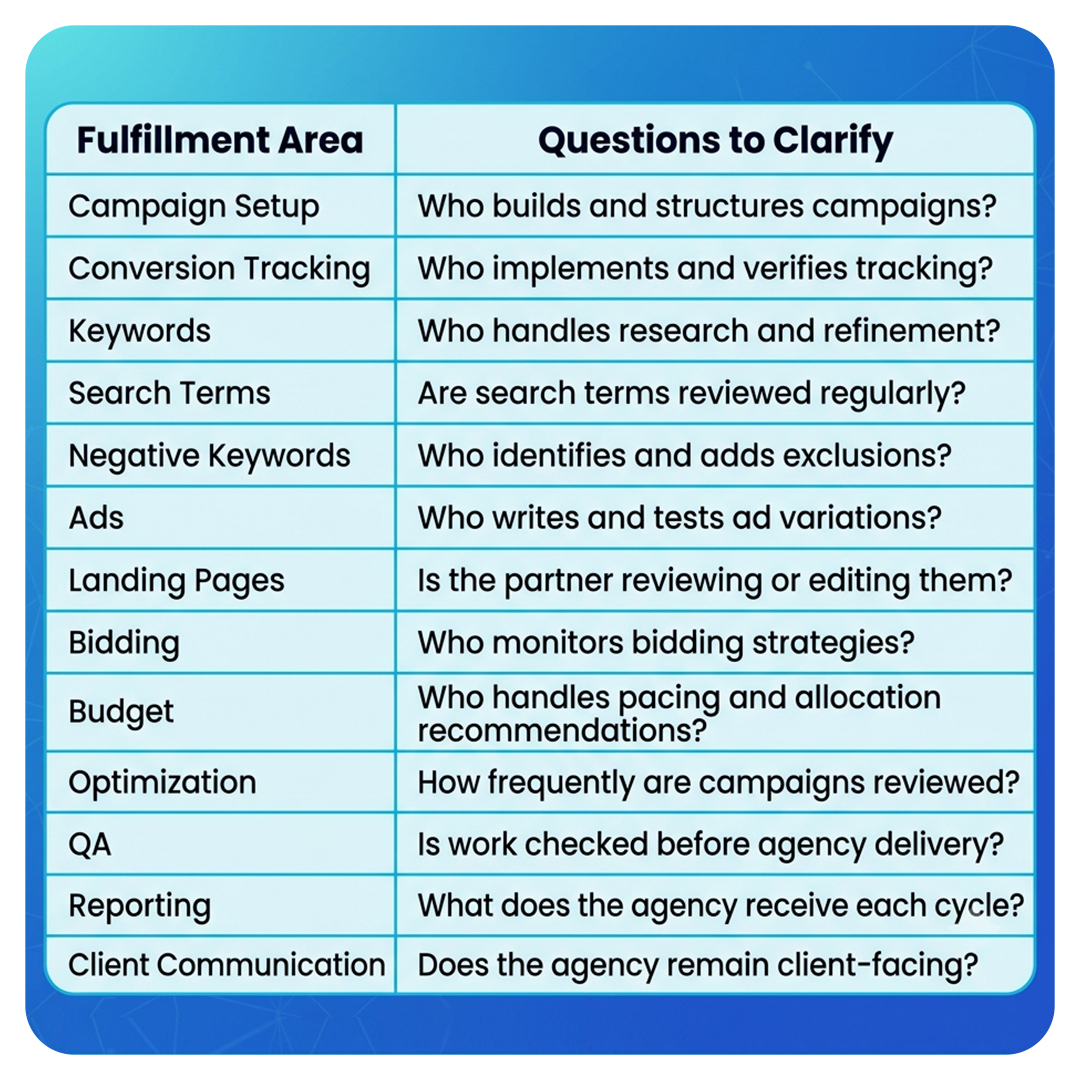
Before agreeing to outsource Google Ads, agencies should clarify exactly what "fulfillment" includes with any potential partner. The table below outlines the key areas worth discussing upfront.
Agency vs. White Label Partner: Who Handles What?
Agency Owns
- Client goals
- Strategic direction
- Prioritization
- Approvals
- Client communication
- Final recommendations
White Label Partner Supports
- Campaign implementation
- Keyword management
- Ad execution
- Technical setup
- Ongoing optimization
- QA
- Reporting support
Agency strategy + fulfillment capacity = scalable Google Ads delivery
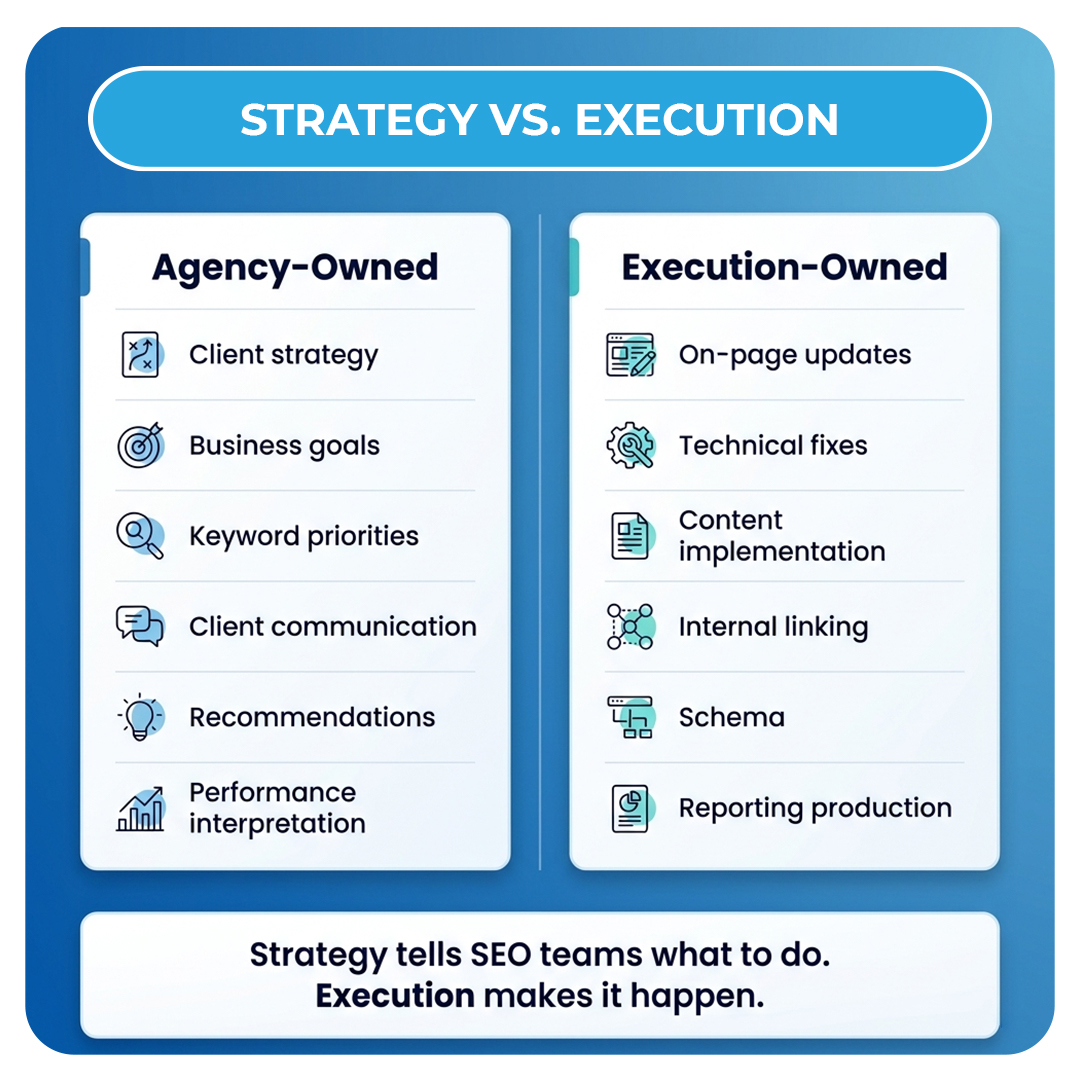
The purpose of white label fulfillment is to provide execution capacity while allowing the agency to remain responsible for strategy and the client relationship. A fulfillment partner supports the work that happens behind the scenes, but the agency stays in control of direction and client-facing decisions.
DashClicks: White Label Google Ads Fulfillment for Agencies
DashClicks supports agencies with the execution side of Google Ads, functioning as an extension of the agency's team rather than as the client-facing agency. Agencies retain ownership of strategy and the client relationship throughout the engagement.
White label Google Ads fulfillment support can include campaign setup, ongoing optimization, specialist execution, quality assurance, and reporting, all connected to the same fulfillment framework: setup, tracking, management, optimization, QA, and reporting. The goal is to give agencies the execution capacity they need to deliver Google Ads services consistently without having to build every function internally.
DashClicks does not replace the agency or take ownership of the client's strategy. Strategic direction and client communication remain the agency's responsibility, with fulfillment support working alongside that structure rather than in place of it.
A complete fulfillment workflow looks like this:
Agency Strategy → Campaign Setup → Tracking & QA → Launch → Monitor & Optimize → Report → Agency Review → Next Optimization Cycle
This workflow shows how fulfillment operates as a continuous cycle rather than a one-time launch task. Each cycle feeds into the next, with reporting and agency review informing what gets prioritized going forward.
Choosing the Right Fulfillment Partner
Effective white label Google Ads fulfillment should cover the full campaign lifecycle, not just the initial setup. Agencies evaluating a Google Ads outsourcing agency should look closely at the scope of fulfillment being offered, since the difference between a narrow setup-only service and a complete fulfillment model can significantly affect how well campaigns are managed over time.
Consistency matters across campaign setup, optimization, QA, and reporting. A partner that handles one stage well but neglects another, such as skipping regular search-term reviews or providing reports without context, creates gaps the agency will eventually need to fill itself.
The agency remains responsible for strategic direction and client relationships regardless of how much fulfillment work is outsourced. White label fulfillment provides execution capacity that can support consistent delivery, but it does not shift ownership of strategy or client trust away from the agency.
Agencies do not necessarily need to build every PPC fulfillment function internally to outsource Google Ads and manage campaigns for clients. The right fulfillment structure can help agencies manage execution while keeping strategy and client ownership in-house.
White label Google Ads fulfillment works best when it is treated as an extension of the agency's delivery process rather than simply a way to outsource campaign setup.


.svg)


.svg)
.svg)
.svg)
.svg)
.svg)