

LMS integrations in 2026 answer to other vendors’ release calendars. SAP SuccessFactors moves first, on November 20, 2026; Salesforce and HubSpot follow with their own cutoffs in 2027.
Any sync built on a retired method stops on the cutoff date. From that day, new hires miss required courses while account managers read last year’s certification status.
A Workday job code and a Gmail opt-out follow very different rules on their way through the LMS. Each link, HR, sales, or marketing, needs its own field rules and its own deadline plan.
Field ownership comes before the first API call
Say Workday lists someone as a team lead and the LMS still shows an analyst; one value has to win. Agree on the winner before writing code.
Which system owns each field?
Workday or SuccessFactors holds a person’s job code, department, and employment status. Only that system should write those values, while the LMS and the CRM read copies. Completion records stay the LMS’s own, so nothing upstream overwrites them. L&D adds the piece HR never stores: which courses each job code requires.
Two-way sync without these rules causes quiet damage. An outdated LMS profile can push an old department back into the HRIS and undo a transfer HR approved.
LMS feeds that read SuccessFactors’ legacy People Profile OData V2 APIs lose them on November 13, 2026.
One learner, one ID
Matching people across systems by email breaks quickly. A customer admin often registers with a Gmail address, while the CRM stores her work address. Her certificate then attaches to a contact her account team never sees.
The fix is one ID that the HRIS issues and both the LMS and the CRM copy. SCIM keeps it in the externalId attribute, first defined in RFC 7643 back in 2015.
Employment Events Drive the HRIS Feed
HR records start most of the work an LMS does for employees. The CRM and marketing links later reuse every learner ID this feed creates for them.
Provisioning from a hire record
Once HR approves a hire in Workday, Okta can push the record to the LMS over SCIM. Her account exists before the first shift, with courses assigned from her job code.
Four employment events need an agreed LMS action.
- Hire: create the account and assign onboarding by job code.
- Transfer: add the new role’s courses and keep past completions.
- Leave of absence: freeze the due dates.
- Termination: switch off sign-in and keep the training records.
Termination needs two separate actions. Access should end the same day, while training history may need to stay for audits. Deleting the learner to cut access removes that history too. HR’s compliance reports, in turn, pull completed courses back out of the LMS.
Success Factors drops password sign-in on November 20
Scoping LMS integration services now starts with an inventory of auth methods and API versions, alongside the usual field mapping. Start with a list of every integration user that signs in to SuccessFactors with a password. Those logins fail from November 20, 2026, the day SAP retires Basic Authentication. The SOAP-based Employee Central SFAPIs go too, all except CompoundEmployee.
For the replacement, SAP supports OAuth 2.0 with a SAML bearer assertion; Okta’s documentation walks through it. Integrations still on SOAP move to the matching OData APIs after a preview-tenant test.
Certifications in the CRM, Where Renewals Get Planned
Software vendors that certify customer admins want that status visible in the CRM during renewal talks. Account owners rarely open the LMS to find it.
Fields a renewal call needs
Course-completed flags tell an account owner very little about a renewal. The record needs dates and status that match the credential the customer actually holds. A certificate earned in 2024 can show as valid in 2026 if the sync carries no expiry date.
Admins in Salesforce or HubSpot can create custom contact fields for the credential. Account owners can work from five of them.
- Learner ID shared with the HRIS or identity provider
- Credential ID
- Issue date
- Expiry date
- Current status: active, expiring, or lapsed
Once certification data reaches the CRM, teams need a practical way to organize contacts and manage follow-ups. DashClicks brings CRM, deal management, and marketing workflows together in one platform, helping teams coordinate customer relationships without treating the CRM as the source of truth for training records. The LMS should remain responsible for credential validity and completion history.
Leave quiz answers and attempt logs in the LMS. The CRM needs only credential validity. Fewer synced fields also leave less to remap when an API version changes. Both CRMs change their API rules in 2027.
Two CRM cutoffs: login() and HubSpot v4
Many Salesforce integrations still sign in with SOAP’s login() call, which sends a username and password. The call is scheduled for retirement in Summer ‘27. Older LMS connectors built on it will fail to sign in after that release.
The replacement is OAuth 2.0 through External Client Apps, with the JWT bearer flow for server-to-server syncs.
HubSpot moved to date-based API versions in March 2026. Every version carries its release month in the URL, such as /2026-03/, and gets 18 months of support. New versions ship each March and September. Anything still calling /crm/v4/ loses support in March 2027.
A team that supports both Salesforce and HubSpot customers can bundle the two upgrades into one sprint. Marketplace listings carry a further risk: HubSpot may deny certification to apps on unsupported versions.
Sending Learning Events to Marketing Platforms
A HubSpot workflow can email a learner the day she finishes a course. Whether that email should go out depends on the event behind it and on her consent.
Enrollment and completion are separate events
Many LMS platforms report activity as xAPI statements. Each statement reads like a short sentence: “Maria completed Excel Basics,” with a timestamp attached. The IEEE adopted xAPI 2.0 as standard 9274.1.1 in October 2023.
If the webhook fires on “registered,” Maria gets the advanced-course offer before she opens lesson one. Mapping the trigger to the completed verb fixes that. For courses with a final quiz, the trigger waits for the passed verb, which xAPI records separately. Course owners decide which verb counts.
The same distinction matters when learning activity feeds customer communications. A completed course might prompt a relevant follow-up, while a passed certification could inform a renewal conversation. Tools such as DashClicks’ Conversations Software provide a shared inbox for two-way email, SMS, and live chat, giving teams a place to manage customer responses. The event-to-message connection still needs to be configured in the relevant integration or automation layer.
Gmail’s rules for bulk senders
Gmail treats anyone sending close to 5,000 messages a day to personal accounts as a bulk sender. Their marketing mail needs one-click unsubscribe headers, as RFC 8058 describes. Opt-outs should take effect within 48 hours; reported spam has to stay under 0.3%.
Gmail began rejecting more noncompliant mail in November 2025.
Maria’s certificate email counts as transactional and needs no unsubscribe header. The advanced-course pitch that follows is promotional, so the marketing platform checks her subscription first.
Keep Every Connection Working After Launch
Passing acceptance testing is only the start of a connection’s life. Credentials expire on their own schedule, and HubSpot alone ships two API versions a year.
Connectors, webhooks, and middleware
A native connector is the quickest start for a standard sync. It is a vendor-built link that maps a fixed set of fields, such as enrollments and completion dates. Credential expiry dates often fall outside that set.
With webhooks, the LMS pushes each event as it happens, and an API call fetches details. Middleware such as an iPaaS earns its cost once three or more systems exchange the same learner record.
Retries that write one record
Webhooks retry when a confirmation goes missing. If the CRM saved a completion but its reply timed out, the LMS sends the same event again. Give every event an idempotency key; the CRM then drops the repeat.
One acceptance test covers it: kill the connection just after the CRM writes the record. One valid record after the retry means the safeguard works.
Expired tokens and unknown learner IDs go to a named person through the failure log.
A register of auth methods and sunset dates
Platform owners can track every connection in one shared register. Each row holds three facts.
- Authentication method, such as OAuth client credentials or SAML bearer
- API version in use, such as HubSpot /2026-03/
- The vendor’s published end-of-support date
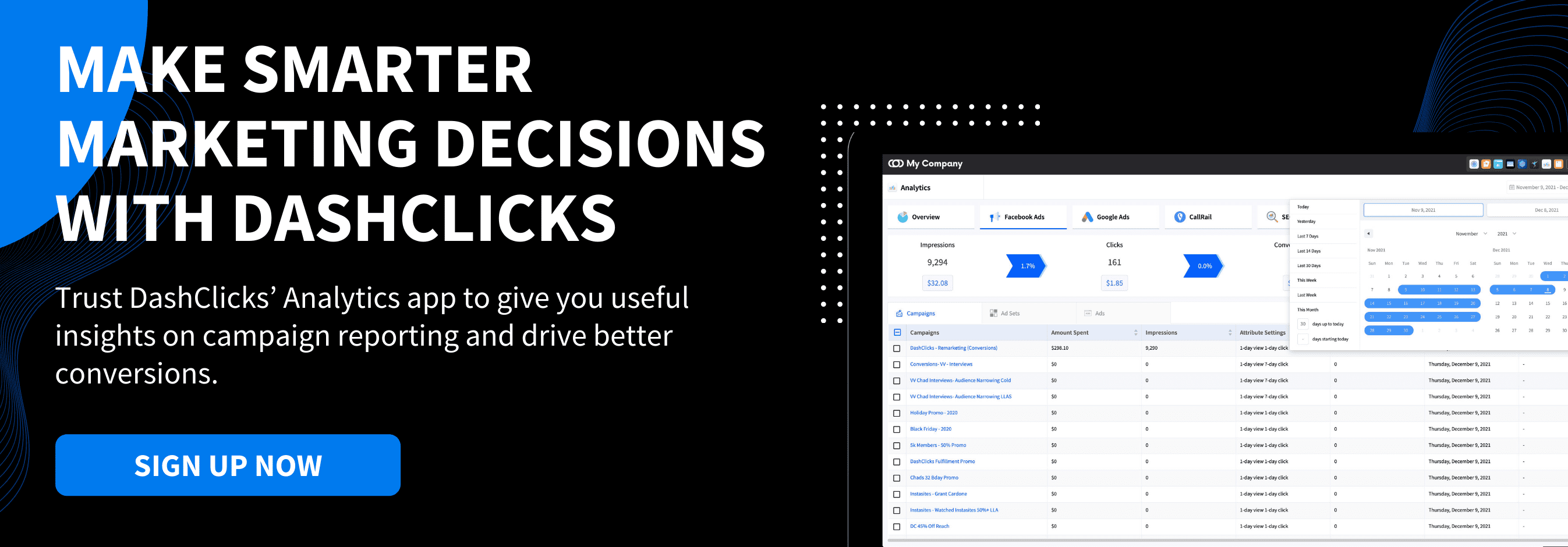
Integration governance also benefits from clear operational visibility. DashClicks Insights consolidates data from supported applications into a configurable white label dashboard, helping teams review relevant business and marketing metrics in one place. API health, failed LMS syncs, and authentication expirations should still be tracked through the integration's monitoring and alerting setup.
Reviews each March and September match HubSpot’s release rhythm. Salesforce announces its retirements in seasonal release notes, three times a year. Any date inside the next two quarters goes into the roadmap as planned work. Every entry also names the person who signs off on the upgrade.
What the 2027 Cutoffs Ask of Integration Teams
Integration work now follows other vendors’ calendars as much as the LMS provider’s own roadmap. Field ownership and stable learner IDs keep each change local to one connection. A register of auth methods and API versions gives each deprecation a date and a named owner. Learners and account managers notice the groundwork only when it goes missing.
Such discipline pays off more as video platforms and payment systems join the stack. HubSpot’s v4 APIs lose support in March 2027, and Salesforce retires SOAP login() with its Summer ‘27 release. Both dates already appear in vendor notices. Teams that read those notices every season will spot the next cutoffs just as early.
For teams managing customer relationships alongside these integrations, DashClicks brings CRM, marketing automation, and reporting capabilities together to support more coordinated workflows. Pairing these tools with reliable LMS integration practices helps teams keep customer communication organized while maintaining accurate learning records across systems.