

.svg)

.svg)
.svg)
.svg)
.svg)
.svg)
Scaling a digital agency is rarely slowed by a lack of demand. It’s slowed by execution. As new clients come in, agencies hire fast—bringing on account agency leads, specialists, freelancers, and white-label partners across different time zones. The challenge isn’t finding talent. It’s ensuring everyone delivers work the same way, at the same standard, without founders becoming the bottleneck.
Online training platforms help digital agencies solve this problem. They make it possible to onboard teams quickly, standardize processes, and maintain consistent service quality as operations scale. Instead of relying on ad-hoc training calls or scattered documentation, agencies can use centralized training systems to equip every contributor with the same knowledge, tools, and expectations—no matter where they work from.
This shift is changing how digital agencies train, operate, and grow at scale.
1. Flexible Learning Opportunities
For agencies managing remote teams, freelancers, and white-label partners, flexibility ensures training never slows client delivery.
With an online employee training platform, team members have the flexibility to choose the lesson time and location. This flexibility makes it easier for people to fit training into their work schedules. If team members have the flexibility to plan their requirements, they are more likely to complete the courses.
2. Consistent Knowledge Delivery
E-learning platforms are made to offer the same information to all team members. This means modules can be updated in minutes, with every team member pulled into the newest guidance. Consistency creates a mental model across various teams.
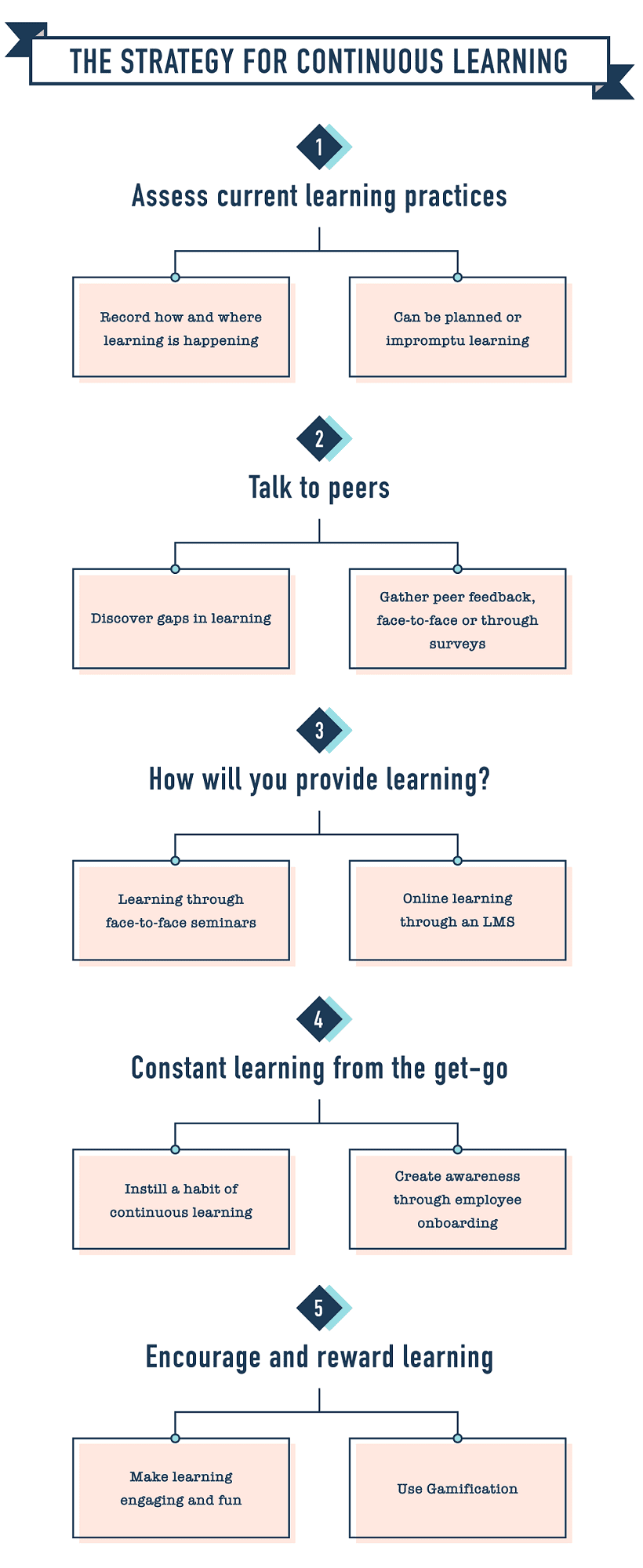
Image Source: LearnUpon
3. Personalized Learning Paths
Every team member learns differently. Online training systems offer personalized paths based on the results of quizzes and other adaptive content. For team members handling technical responsibilities, agencies often pair these platforms with more structured options, such as IT training that covers areas like cybersecurity, cloud computing, and network infrastructure. These features assist team members in identifying areas that require improvement. This customized method keeps interest and eliminates irritation from repetitive content.
4. Tracking Progress and Measuring Success
With built-in analytics tools, agency leads can monitor participation and results. These insights reveal how effective your lessons are and where team members may have challenges. Data analysis is used to refine training strategies, coupled with progress tracking, to enhance accountability and celebrate achievements.
5. Cost-Effectiveness at Scale
Traditional training requires traveling, physically printed materials, and paying a fee for the instructor to teach. These costs are lower in the online world. By cutting out the logistical overhead involved in increasing access for more team members, large numbers of team members can access content with no additional logistical costs.
6. Supporting Collaboration and Community
Learning is not limited to solo environments. Discussion boards allow team members to seek advice and give it. Working together improves collaboration and enhances knowledge through common experiences.
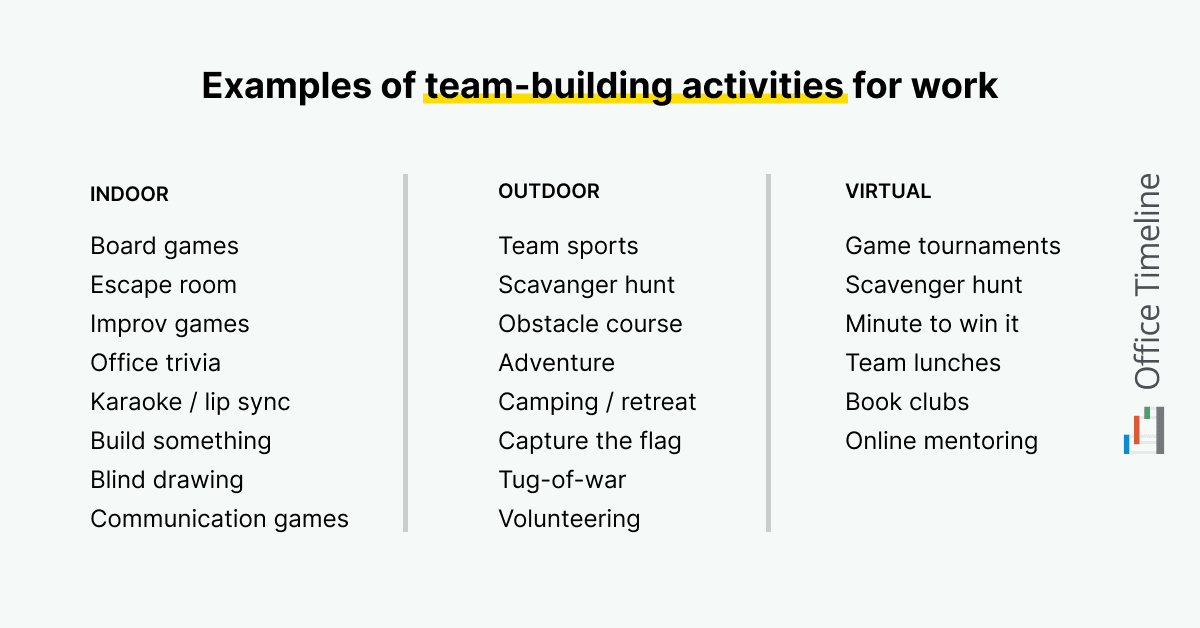
Image Source: OfficeTimeline
7. Adapting to Rapid Change
Regulations and best practices change often in many industries. New information is skillfully dispensed to team members without the waiting period for classes. Such agility helps agencies comply and compete.
Regulated verticals provide a clear example: agents can complete state‑approved real estate classes online for pre‑licensing and continuing education, showing how structured e‑learning keeps teams compliant at scale while minimizing disruption to daily work.
8. Overcoming Geographical Barriers
One of the complications of global digital agencies is accessing team members working remotely in different regions. Web-based platforms decrease distance as an obstacle. People working in different places can get connected, building a collaborative method for learning. It enables everyone to take part fully with multilingual support enabled.
For agencies working with remote teams, freelancers, and white-label partners across regions, online training removes location as a barrier to consistent delivery.
9. Encouraging Self-Motivation and Responsibility
With online training, you place the responsibility in the hands of each individual learner. It fosters independence: team members set their own pace. When a team member conducts self-directed learning, they build confidence and feel accomplished, too. Providing this level of autonomy typically results in both retention and application of knowledge being better.
10. Enhancing Engagement With Multimedia
Content with too much text is hard to digest. Interactive content like videos, simulations, and quizzes encourages engagement. To clarify complex concepts, you need to have better visuals and activities.
11. Supporting Long-Term Development
Digital agencies need to develop the ability to adapt to continuously changing challenges. As roles change or new skills become required, online courses can be updated accordingly. Constant availability of resources cultivates a culture of growth.
As agencies grow, training stops being an internal function and becomes an operational requirement. New hires, freelancers, and fulfillment partners must be enabled quickly without compromising service quality or client expectations. Online training platforms give agencies a repeatable way to onboard teams, reinforce processes, and maintain consistency as delivery scales across accounts, regions, and services.
Further Reading: How To Build a Winning Team in Your Agency
Why Training Consistency Matters for Client Retention?
As agencies scale, client retention depends less on creative ideas and more on consistent execution. Clients expect the same level of quality, communication, and results regardless of who is working on their account. Training consistency plays a critical role in meeting those expectations.
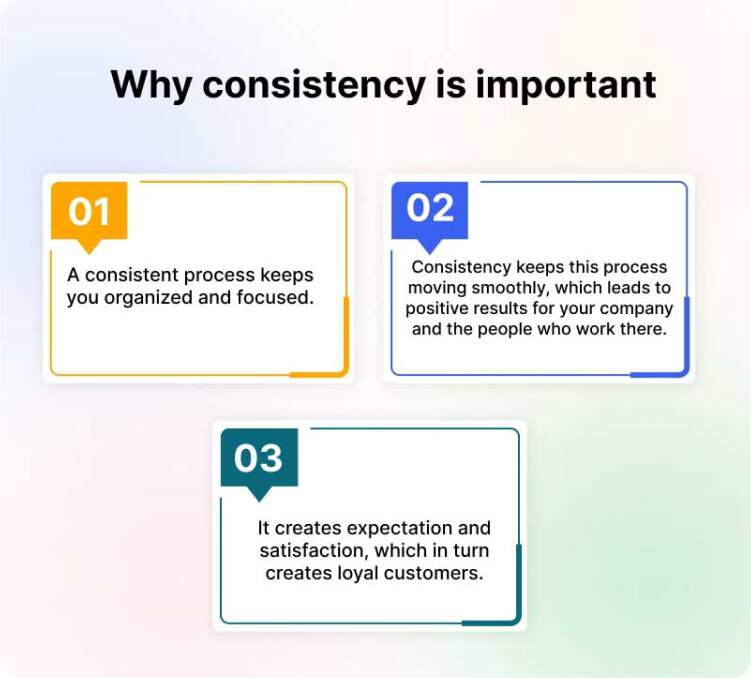
Image Source: REVE Chat
1. Predictable Delivery Builds Client Trust
Clients stay with agencies when execution feels reliable. Even strong strategies lose impact if delivery varies between team members, freelancers, or fulfillment partners. Consistency reassures clients that standards won’t change month to month and plays a key role in building long-term client trust.
2. Inconsistency Creates Uncertainty, Not Just Errors
When reports look different, timelines shift, or communication styles vary, clients begin to question reliability. These issues often appear small internally but signal instability externally, which weakens long-term confidence.
3. Standardized Training Aligns Service Execution
Consistent training ensures everyone follows the same workflows, tools, and quality benchmarks. This alignment reduces confusion, minimizes rework, and keeps delivery uniform across accounts and teams.
4. Onboarding Gaps Grow as Agencies Scale
As agencies hire quickly, training often becomes informal. New hires learn from different sources, freelancers rely on partial documentation, and partners interpret processes differently. Over time, these gaps compound and show up in client work.
5. Centralized Training Reduces Operational Friction
Online training platforms allow agencies to update processes in one place and push changes instantly. Teams stay aligned without repeated live sessions or manual follow-ups, which keeps execution stable even as services evolve.
6. Consistency Improves Efficiency and Accountability
When expectations are clear, teams make fewer mistakes and require less oversight. Agency leads spend less time fixing issues and more time focusing on the core principles of agency success, including scalable processes, accountability, and performance improvements.
7. Reliable Execution Strengthens Retention
Clients remain loyal when delivery feels professional and repeatable. Training consistency turns internal alignment into external trust, making retention a natural outcome rather than an ongoing challenge.
Addressing Security and Privacy Concerns
Digital agencies need to safeguard private data and sensitive client and internal data. But known training providers have secure platforms, and their privacy protocols are intact. Only frequent audits and system updates can keep trust intact. When data is responsibly managed, team members are more comfortable using online tools.
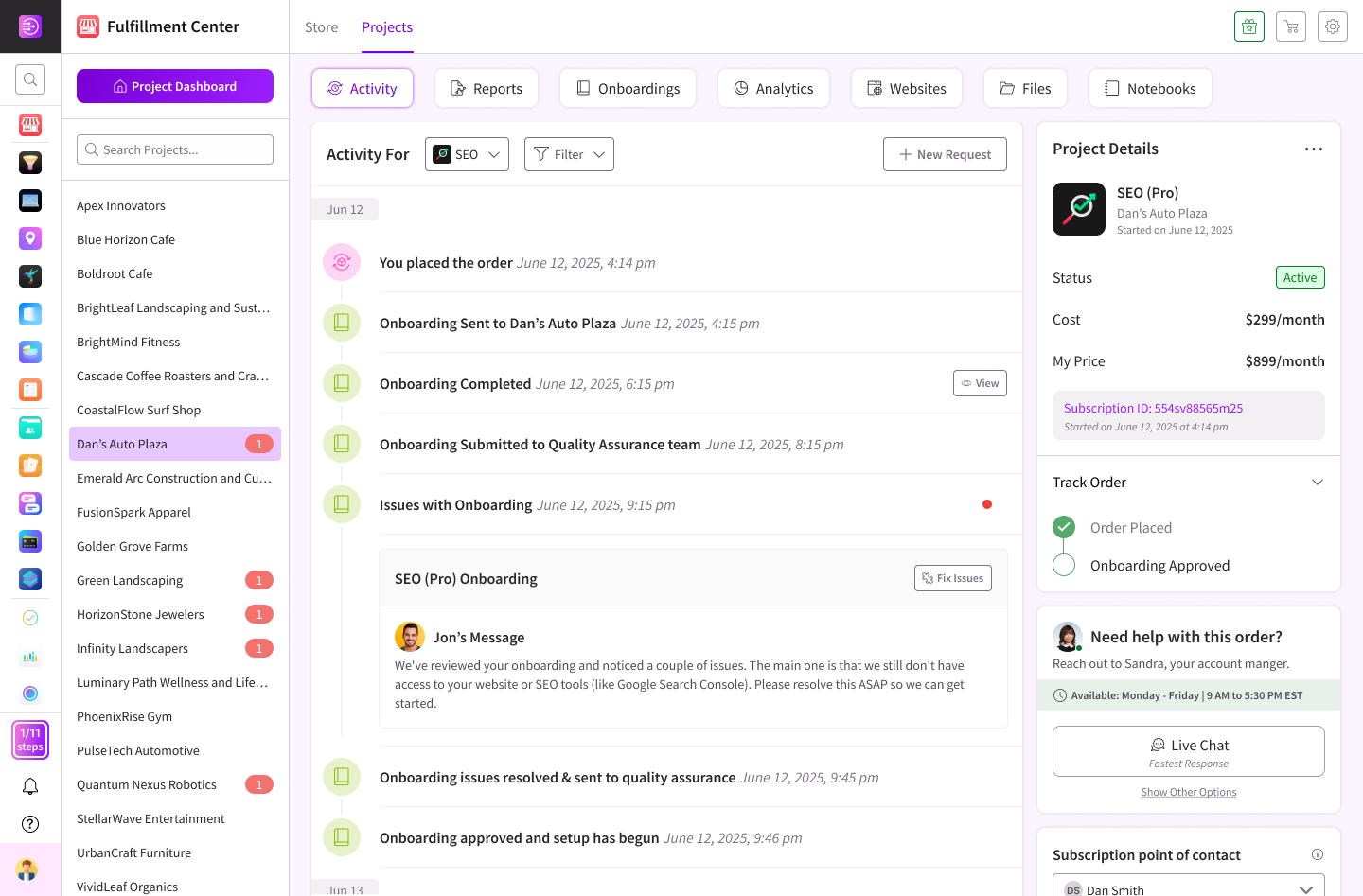
For agencies delivering services at scale, consistent execution matters as much as training. DashClicks supports this by helping agencies maintain operational consistency through white label fulfillment and scalable service delivery. When training systems and fulfillment processes work together, agencies can onboard teams faster, deliver predictable results for clients, and scale without operational friction.
Conclusion
Online training has transformed how teams learn at scale. The flexibility, consistency, and adaptability offered by these systems help agencies grow without losing control over service quality. By enabling faster onboarding, shared processes, and consistent execution across distributed teams, online training platforms allow agencies to overcome the operational challenges that come with scale while supporting personalized development.
As agencies expand their services and client base, structured training becomes a foundation for sustainable growth. Digital learning ensures teams stay aligned, capable, and prepared to deliver reliable outcomes—no matter how large or distributed the operation becomes.


.svg)


.svg)
.svg)
.svg)
.svg)
.svg)