

.svg)

.svg)
.svg)
.svg)
.svg)
.svg)
There's a growth ceiling that appears in local businesses with surprising consistency. The first phase-getting to profitability, building a customer base, establishing operations that mostly work-gets done through effort and improvisation. The owner handles what the team can't. Problems get solved reactively. The business runs on individual heroics rather than systems.
That same shift-from reactive to structured-is exactly where platforms like Realmo are starting to play a role, helping businesses bring more clarity and consistency to decisions that were previously handled on instinct alone.
That model works fine up to a point. Then it stops working. The team gets larger, the customer volume increases, the complexity of managing multiple suppliers or locations or revenue streams grows past what one person's attention can handle-and suddenly what felt like momentum starts feeling like friction. Revenue plateaus. Quality becomes inconsistent. The owner is working more hours than ever and the business isn't growing proportionally.
The Environment Local Businesses Are Scaling Into
What's Different About 2026?
The competitive landscape for local businesses has shifted materially over the past several years in ways that aren't evenly distributed. Digital-first brands and national operators have become increasingly effective at competing locally - using geo-targeted advertising, local SEO, and same-day delivery infrastructure to reach customers who would previously have defaulted to the nearest physical option. The local advantage that proximity used to provide is narrower than it was.
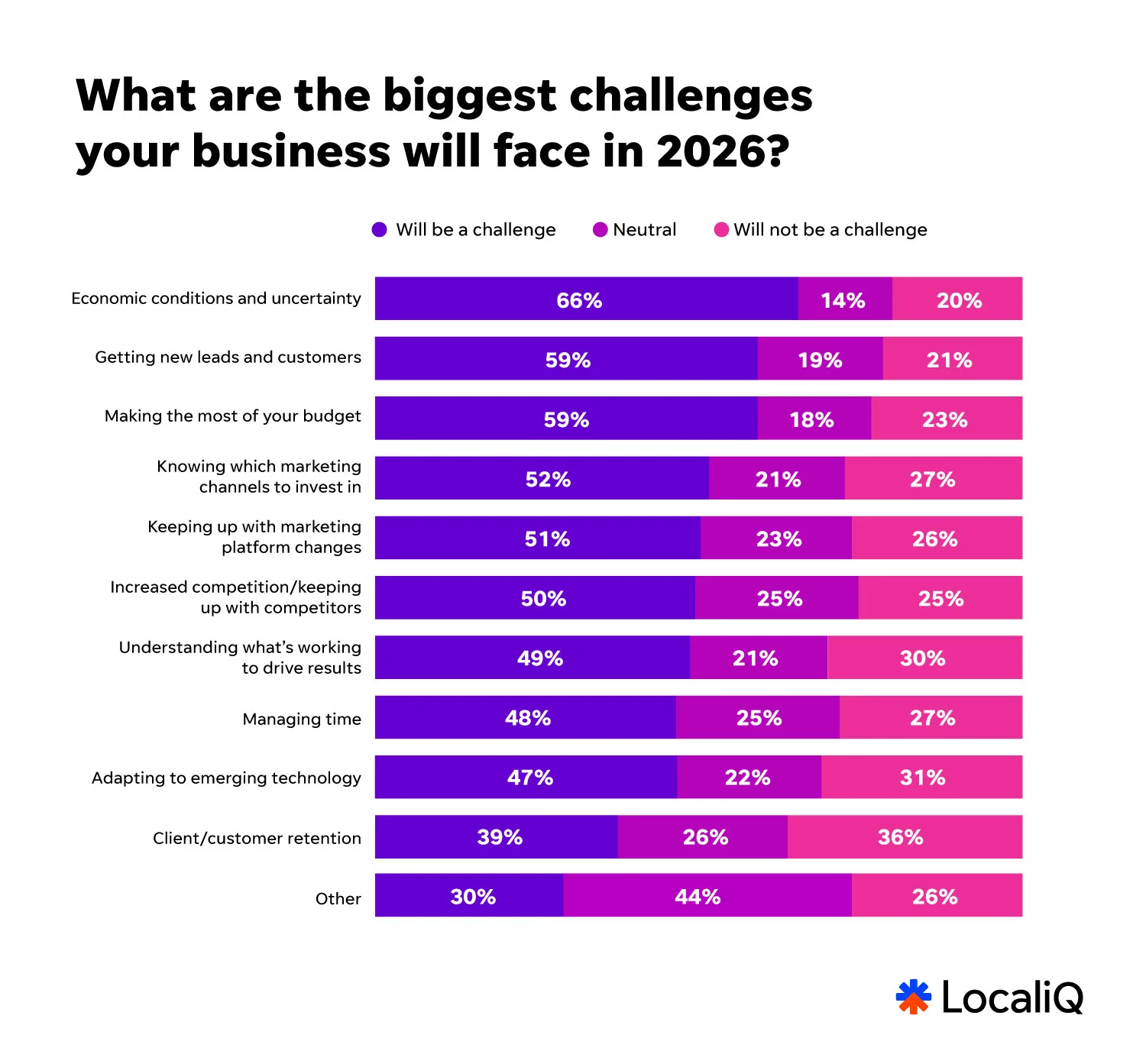
Image Source: LocaliQ
At the same time, the tools available to local businesses have caught up considerably. AI-driven marketing automation, sophisticated analytics platforms, and location intelligence software that previously required enterprise budgets are now accessible to small and mid-sized operators at reasonable cost. The gap between what a local business can do technically and what a large chain can do has closed significantly - but only for businesses that actually adopt and use these tools effectively.
Hybrid models have become the operational norm in most local business categories. Physical locations generate awareness and serve as fulfillment hubs; digital channels extend reach, support repeat purchasing, and capture customers who prefer to engage online first. Managing both effectively requires systems that connect them rather than treating them as separate operations.
The Cost Reality
Rising costs across rent, labor, and supplies mean that scaling without a deliberate efficiency strategy often just means growing the cost base proportionally without improving margins. The businesses that scale profitably are generally the ones that identify which parts of their operation can be systematized or automated before adding headcount or locations - not after.
This isn't just about cutting costs. It's about building the capacity to handle more volume with proportionally less management overhead, so that growth actually improves the economics of the business rather than just making it bigger.
Location Intelligence: The Foundation for Physical Expansion
Making Expansion Decisions With Data Instead of Instinct
For any local business that relies on physical presence - retail, services, food, fitness, healthcare - expansion decisions are among the most consequential and the most difficult to reverse. Signing a lease in the wrong location is an expensive, multi-year mistake. The traditional approach of relying on broker relationships and gut feel about a neighborhood has been largely replaced, at least among more sophisticated operators, by data-driven site analysis.
This is where a platform like Realmo changes the practical reality of expansion for local businesses. Rather than working through a broker who controls access to available inventory, business owners can search Realmo's marketplace of nearly 400,000 active commercial listings directly - filtering by location, property type, square footage, and price range - and immediately access detailed property profiles that include revenue potential estimates, demand signals, location intelligence data, and automated valuations.
The platform's TurboListing engine enriches each property entry with AI-generated insights that go well beyond the standard square footage and asking rent, surfacing the kind of contextual analysis - neighborhood saturation, foot traffic patterns, business gap opportunities - that used to require a dedicated site selection consultant to produce. And because Realmo doesn't paywall its core analytics, that level of research is accessible regardless of the size of the business doing the searching.
The Analysis Behind a Good Location Decision
The data that actually drives sound expansion decisions goes beyond square footage and rent. Useful location analysis layers in:
- Population density and demographic composition within the relevant trade area - the distance customers will realistically travel to use the business
- Household income distribution, which shapes both demand levels and price sensitivity
- Traffic patterns, both vehicular and pedestrian depending on business type
- Competitive presence - not just how many competitors exist but how well-served the existing customer base already is
- Proximity to complementary businesses that attract the same customer profile
This kind of layered analysis doesn't eliminate uncertainty - no site selection process does - but it significantly reduces the probability of expensive mismatches between a location's actual customer base and the business concept being placed there.
Marketing and Customer Acquisition
Local SEO Is the Highest-ROI Channel Most Businesses Underinvest In
For businesses that serve customers in a defined geographic area, local search visibility is the single most consistent source of qualified new customer acquisition. When someone searches for a service near them, the businesses that appear in the top results capture the overwhelming majority of that keyword intent. The ones that don't appear essentially don't exist to that customer at that moment.
Local SEO is not a one-time setup. It requires sustained attention to several interconnected factors:
- Accurate and complete business listings across Google, Bing, Apple Maps, and major directories - inconsistencies across these sources actively hurt search ranking
- Regular Google Business Profile updates with fresh content, photos, and service information that signal an active, well-maintained business
- Genuine customer reviews accumulated consistently over time - both volume and recency matter
- Location-specific content on the business website that targets the specific terms potential customers actually search for
The businesses that do this consistently - not just at launch but as an ongoing operational practice - tend to accumulate a durable advantage in local search that compounds over time and becomes increasingly difficult for newer competitors to displace.
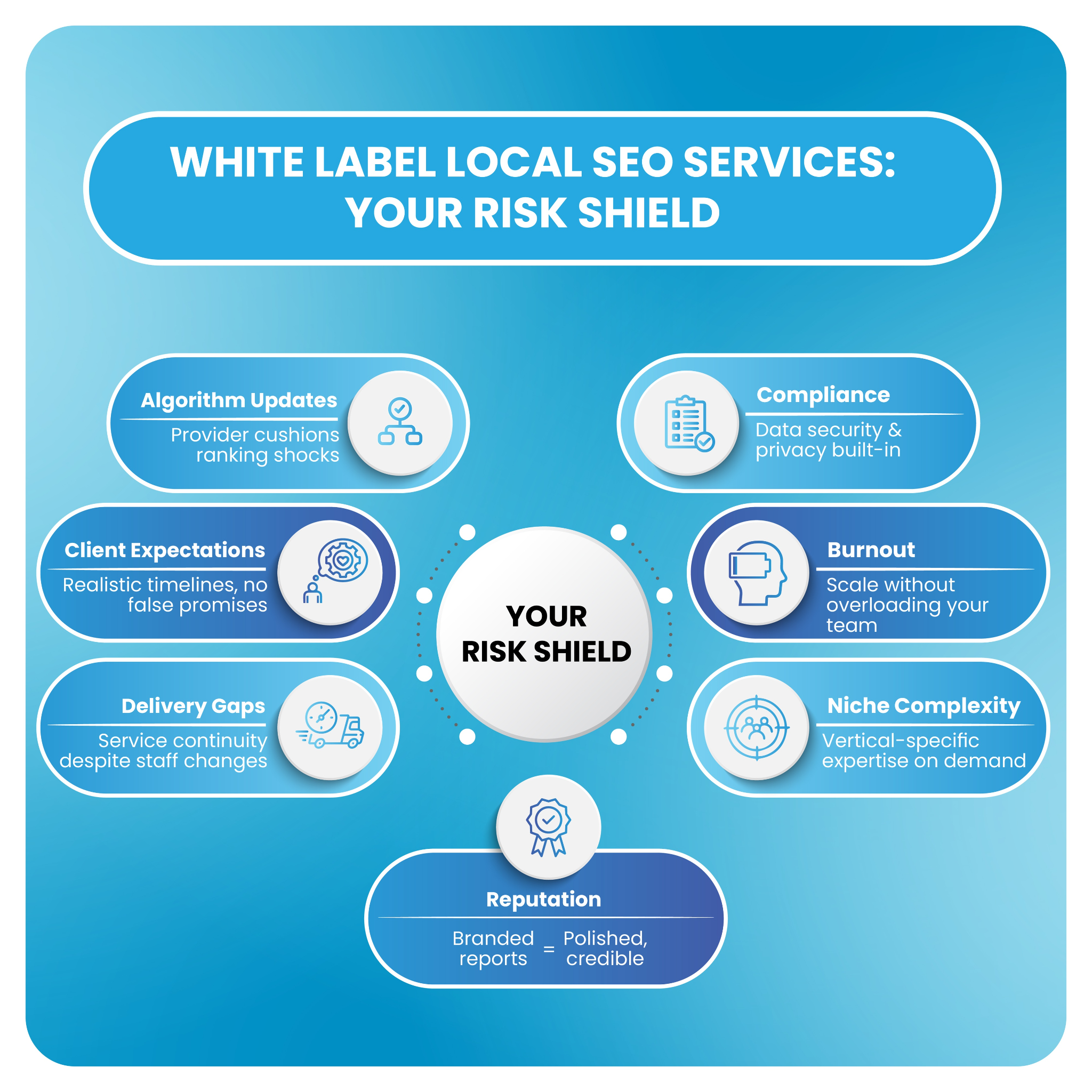
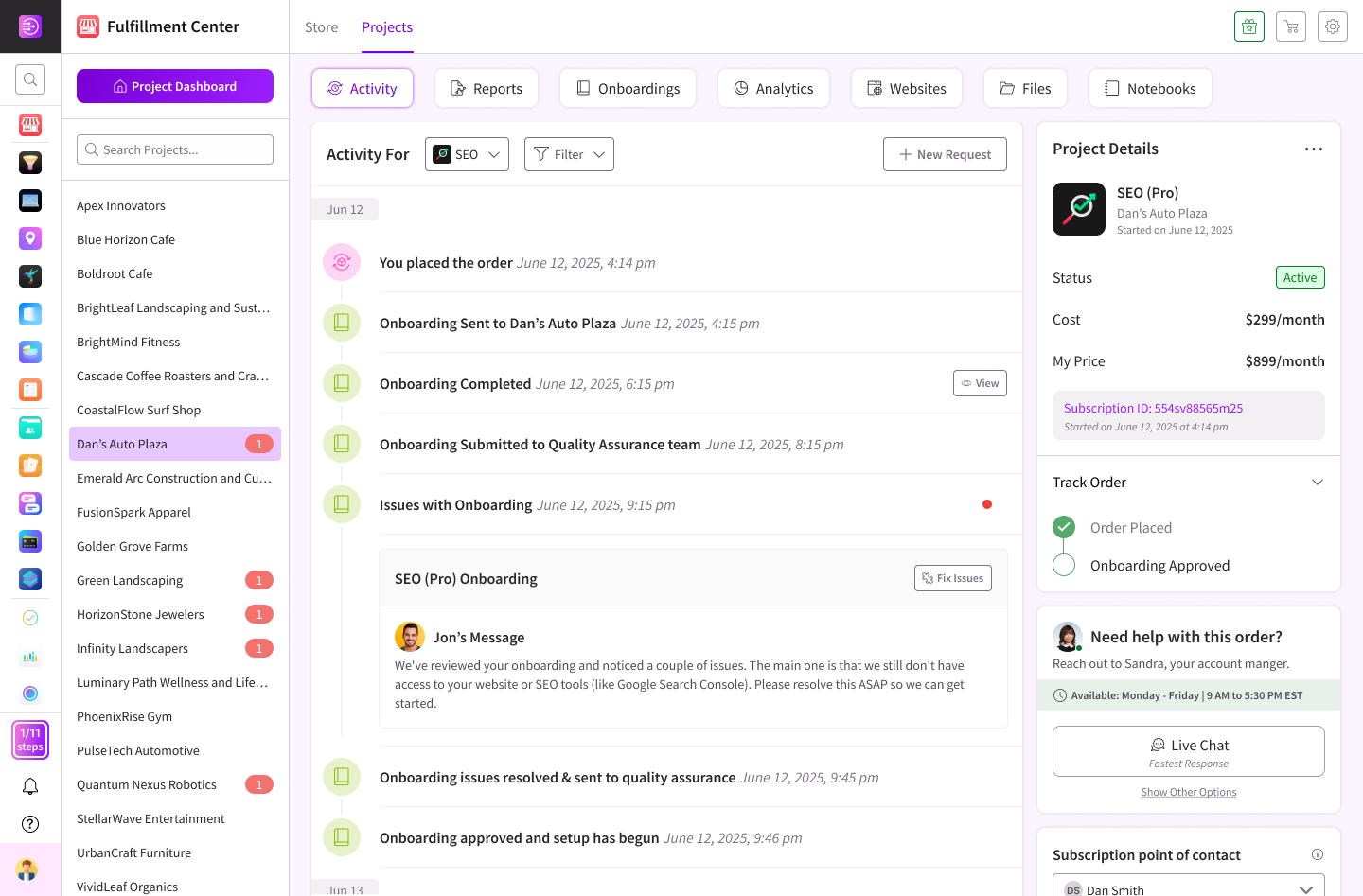
Managing all of these moving parts consistently can become complex as the business scales. Platforms like DashClicks help streamline local SEO efforts by centralizing listings management, automating reporting, and providing clear visibility into performance across locations. Their white label SEO services also allow businesses and agencies to scale fulfillment efficiently while maintaining consistent quality, making it easier to grow search visibility over time.
Paid Advertising for Local Reach
Local search advertising and social media targeting have become more capable and more cost-efficient for local businesses specifically. The ability to target ads by zip code, radius, demographic characteristics, and behavioral signals means that local businesses can reach exactly the customer profile they're trying to acquire without paying for irrelevant impressions.
The key discipline is treating paid advertising as a measurable investment rather than a cost. Setting clear cost-per-acquisition targets, tracking which campaigns and channels actually produce customers versus impressions, and reinvesting based on measured performance rather than creative intuition is what separates operators who use paid advertising profitably from those who spend without knowing whether it's working.
As campaigns scale across channels and locations, maintaining clear visibility into performance becomes critical. Platforms like DashClicks support this by offering white label Google Ads services, enabling businesses and agencies to manage, optimize, and scale paid campaigns efficiently while maintaining consistent reporting and performance tracking across accounts.
CRM: Where Customer Relationships Become Business Assets
Most local businesses underestimate how much revenue is sitting in their existing customer base waiting to be activated. A customer who has visited once, had a positive experience, and hasn't been heard from since is not a lost customer - they're a recoverable one. CRM systems make it possible to manage those relationships at scale rather than relying on individual memory.
The practical value of a CRM for a local business includes:
- Tracking customer purchase history and preferences to personalize outreach rather than sending generic broadcasts
- Automating follow-up sequences - post-visit check-ins, seasonal promotions, re-engagement campaigns for lapsed customers - that would be impossible to execute manually at any meaningful scale
- Identifying the customer segments that generate the most value and focusing acquisition efforts on finding more of them
- Building the customer data foundation that makes every subsequent marketing activity more effective
The compound effect of strong customer retention - customers who come back more often, spend more, and refer others - is typically worth far more than the equivalent investment in new customer acquisition. Businesses that build this capability early create a structural advantage that's genuinely hard for competitors to replicate quickly.
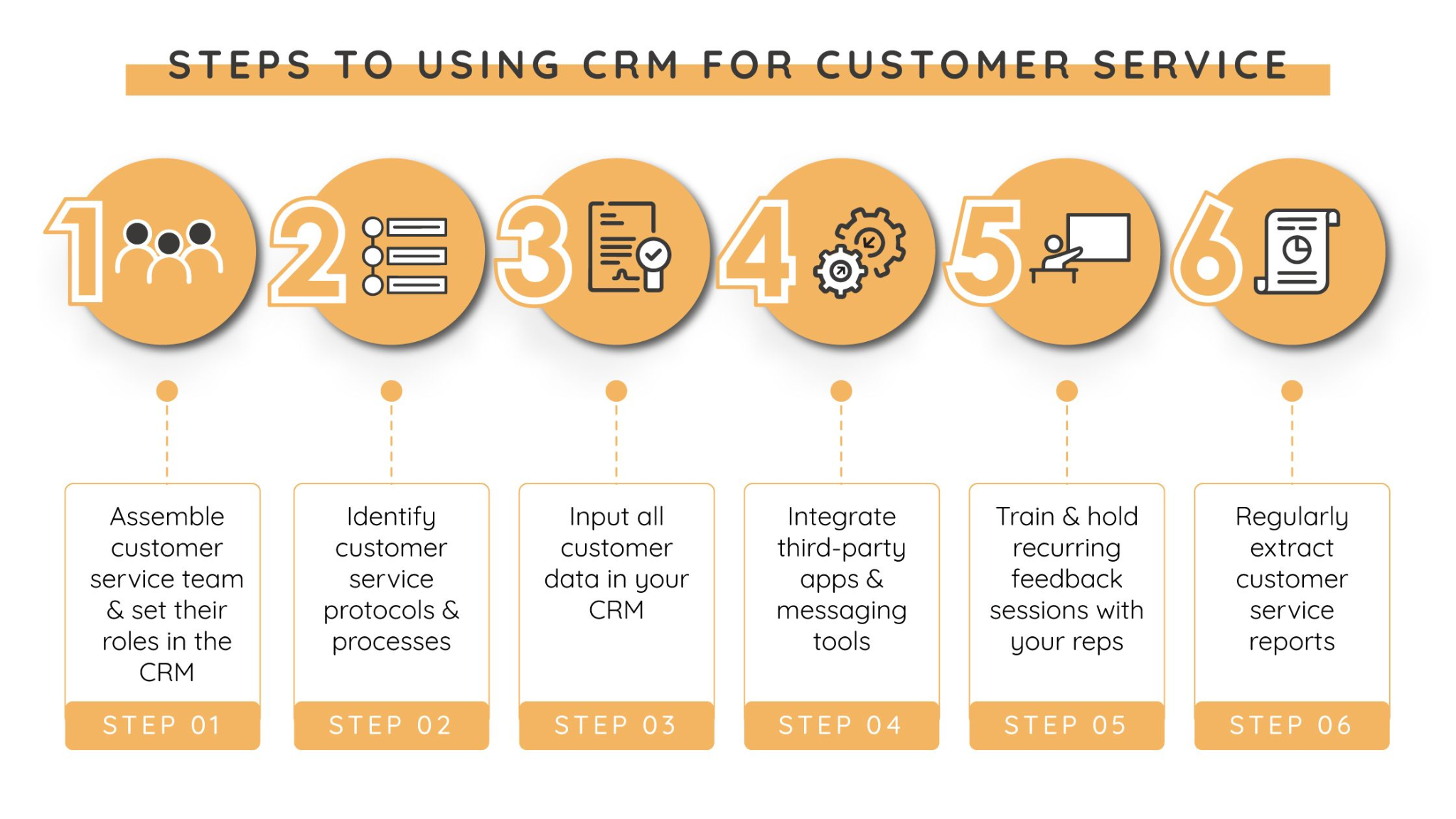
Managing customer relationships at this level of consistency becomes increasingly difficult without the right systems in place, especially as the customer base grows and interactions span multiple channels. Platforms like DashClicks offer CRM software that helps businesses centralize customer data, track interactions across touchpoints, and automate follow-ups such as re-engagement campaigns, appointment reminders, and personalized outreach.
This not only reduces the reliance on manual effort but also ensures that no opportunity for retention or upselling is missed. By structuring and systemizing customer relationship management, businesses can turn what is often a fragmented process into a predictable and scalable growth driver.
Operations and Automation
Removing the Manual Work That Doesn't Need Human Judgment
Operational automation isn't about replacing people - it's about redirecting their attention toward work that actually requires judgment, relationships, and problem-solving, rather than repetitive processes that a system can handle more reliably than a person can.
The categories of operational work that most consistently benefit from automation in local businesses:
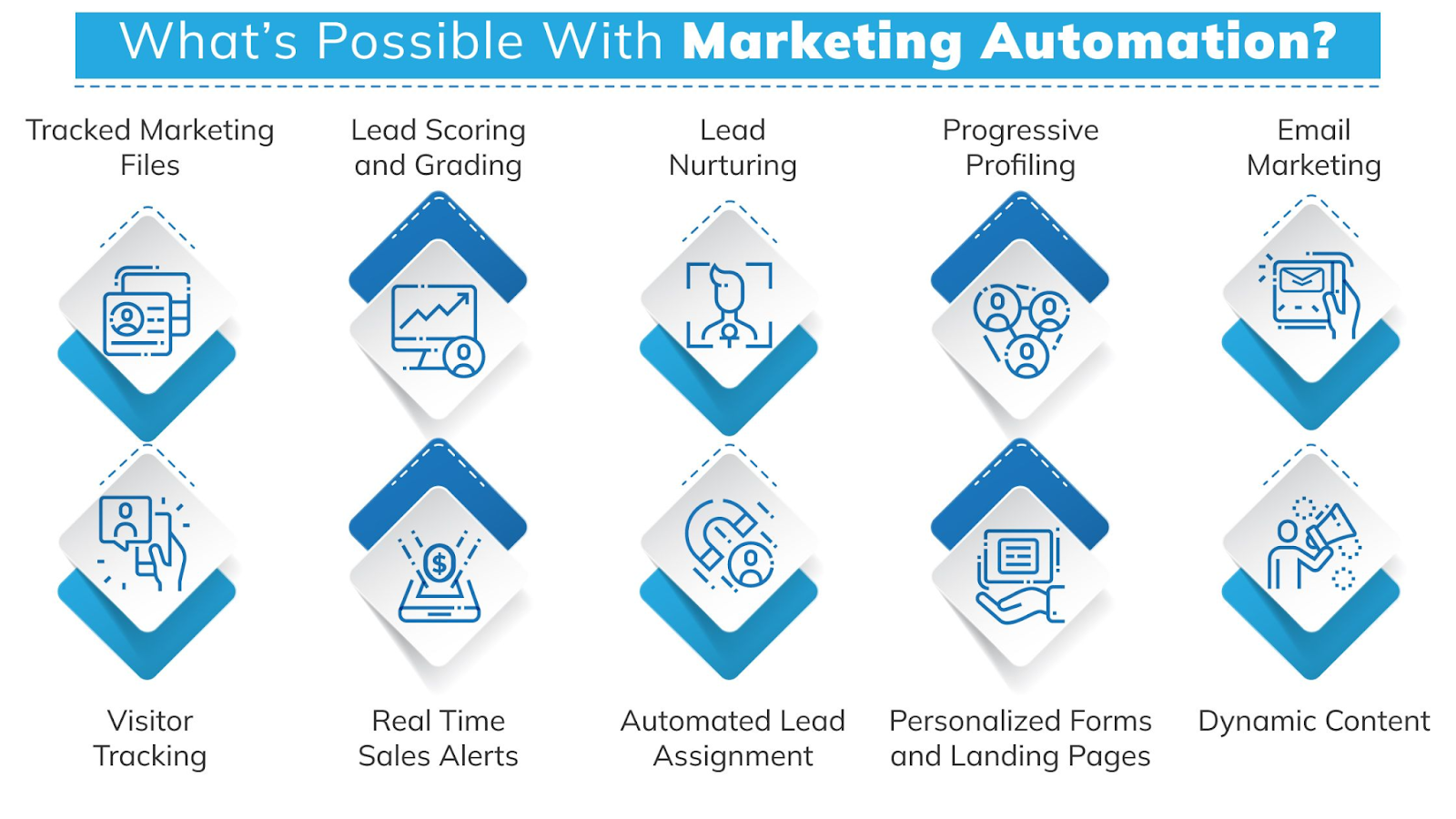
- Customer communication - appointment reminders, order confirmations, service follow-ups, review requests - high-volume, low-variation messages that create friction when handled manually and create reliability when automated
- Reporting and performance tracking - dashboards that surface daily and weekly metrics without requiring someone to compile them, so that performance visibility is constant rather than episodic
- Scheduling and resource allocation - staff scheduling tools that account for demand patterns, time-off requests, and labor cost targets simultaneously rather than requiring manual reconciliation
- Order and inventory management - systems that track stock levels, trigger reorders, and surface discrepancies before they become operational problems
The test for whether to automate a process is simple: Is this work that requires human judgment on a case-by-case basis, or is it largely the same every time? If the answer is the latter, the question is why it isn't automated yet.
Inventory and Scheduling at Scale
Inventory management becomes non-trivial quickly for businesses that carry physical products across multiple locations. Without proper systems, stock discrepancies, out-of-stock situations, and over-ordering become persistent drains on both margin and customer experience. Modern inventory platforms integrate with point-of-sale systems to track stock levels in real time, flag reorder points automatically, and generate the purchasing data needed to negotiate better terms with suppliers.
Scheduling systems, similarly, create compounding value as headcount grows. Manual scheduling at ten employees is manageable. At thirty, across multiple locations and shift patterns, it becomes a significant source of inefficiency and conflict without proper tooling. Scheduling platforms that account for availability, skills, labor cost targets, and demand forecasts reduce the management time required while typically improving both coverage and employee satisfaction.
Financial Clarity as a Scaling Prerequisite
Seeing the Business Clearly Before Expanding It
The most common source of preventable scaling failures isn't bad marketing or operational problems - it's expanding without sufficient financial visibility. Businesses that don't have a clear read on their unit economics, cash flow position, and true profitability by location or product line routinely make expansion decisions that look reasonable on the surface and turn out to be financially unsustainable.
Financial tracking tools that provide real-time visibility into revenue, expenses, and margin - connected directly to bank accounts and point-of-sale systems rather than relying on manual updates - give operators the clarity needed to make confident expansion decisions. The question "can we afford to open a second location?" should be answerable with data, not with a general sense that things are going well.
Using Analytics to Find the Opportunities Hidden in Existing Operations
Business intelligence tools that aggregate data across marketing, operations, and finance surface patterns that wouldn't be visible looking at any single system in isolation. Which customer acquisition channels produce the highest lifetime value, not just the highest initial conversion? Which product or service lines are most profitable when fully loaded costs are accounted for? Which operational processes are producing the most variance - and therefore the most risk - as volume scales?
These questions matter more as the business gets larger, because the cost of operating with incorrect assumptions about them also gets larger. The businesses that build analytical capability early - even at a basic level - tend to make better decisions more consistently than those that rely on intuition even when the data to support better decisions is available.
Building a Tool Stack That Works Together
The most common mistake in building a business tool stack is selecting individual tools based on their standalone capabilities and discovering later that they don't communicate with each other. Data sits in silos. Reporting requires manual compilation. Staff learn multiple separate systems that share no logic. The cumulative overhead of managing a fragmented tool stack starts to offset the efficiency gains each tool was meant to provide.
Prioritizing integration - choosing tools that connect to existing systems via APIs or native integrations, and building the stack around a small number of central platforms that other tools feed into - creates a business where information flows coherently and decisions can be made with a complete picture rather than fragments.
This is where unified platforms become valuable. Solutions like DashClicks consolidate marketing data, reporting, and execution into a single interface, reducing fragmentation and helping businesses maintain a more connected and efficient tool stack.



.svg)


.svg)
.svg)
.svg)
.svg)
.svg)