

.svg)

.svg)
.svg)
.svg)
.svg)
.svg)
Agencies celebrate ranking wins. Clients celebrate new customers. That disconnect is one of the biggest reasons SEO relationships fail, and it highlights a common problem with traditional keyword strategies.
Ranking for a high-volume keyword may look impressive, but if it attracts researchers instead of buyers, traffic increases without generating revenue. Clients see higher traffic numbers, yet their sales pipeline remains unchanged, leading them to question the value of SEO.
Search behavior has evolved. Users are more specific, more purposeful, and often search with clear buying intent. Someone searching for "emergency commercial HVAC repair Chicago" is far more likely to convert than someone searching for "HVAC systems," regardless of search volume.
As a result, keyword intent has become a more valuable SEO metric than keyword volume. According to BrightEdge, organic search drives 53% of all website traffic, making it the largest digital channel for most businesses. The real challenge is not generating more traffic but attracting visitors who are ready to take action.
White label SEO services help agencies scale intent-focused keyword strategies across multiple clients without rebuilding research processes for every campaign. The agencies seeing the best results are not targeting the most keywords. They are targeting the right ones.
Understanding why high-intent keywords matter starts with recognizing why traditional keyword strategies often fail to drive meaningful business outcomes.
Why Ranking for High-Volume Keywords Is Not Enough Anymore?
Visibility and profitability are not the same thing. Agencies often treat them as equivalent, which creates campaigns that look successful on paper while underdelivering on business outcomes.
Informational traffic is a significant part of this problem. A blog post ranking for a broad educational query can pull thousands of sessions per month from users who have no intention of buying anything. That traffic inflates reporting dashboards while contributing nothing to the client's pipeline. The gap between impressions and revenue becomes harder to ignore over time.
The search landscape has shifted in ways that make vanity rankings even less valuable. According to research from SparkToro and Datos, approximately 58.5% of Google searches in the United States now end without a click, largely due to AI Overviews, featured snippets, and knowledge panels answering queries directly on the results page. A high ranking on an informational keyword may generate fewer visits than it did two years ago.
At the same time, reports say that 60% of marketers say inbound channels like SEO generate their highest-quality leads. The opportunity in organic search is real. The issue is that many agencies are investing their effort in the wrong part of the keyword spectrum.
A practical example illustrates the problem clearly:
- Monthly traffic: up 40%
- Leads generated: flat
- Revenue from organic: unchanged
Many agencies lose clients because they report traffic growth instead of revenue growth. When clients connect the dots between SEO spend and business outcomes, traffic metrics alone rarely justify the investment.
If search volume is no longer the best indicator of opportunity, agencies need a better way to identify keywords that actually drive business outcomes.
What Makes a Keyword High Intent?
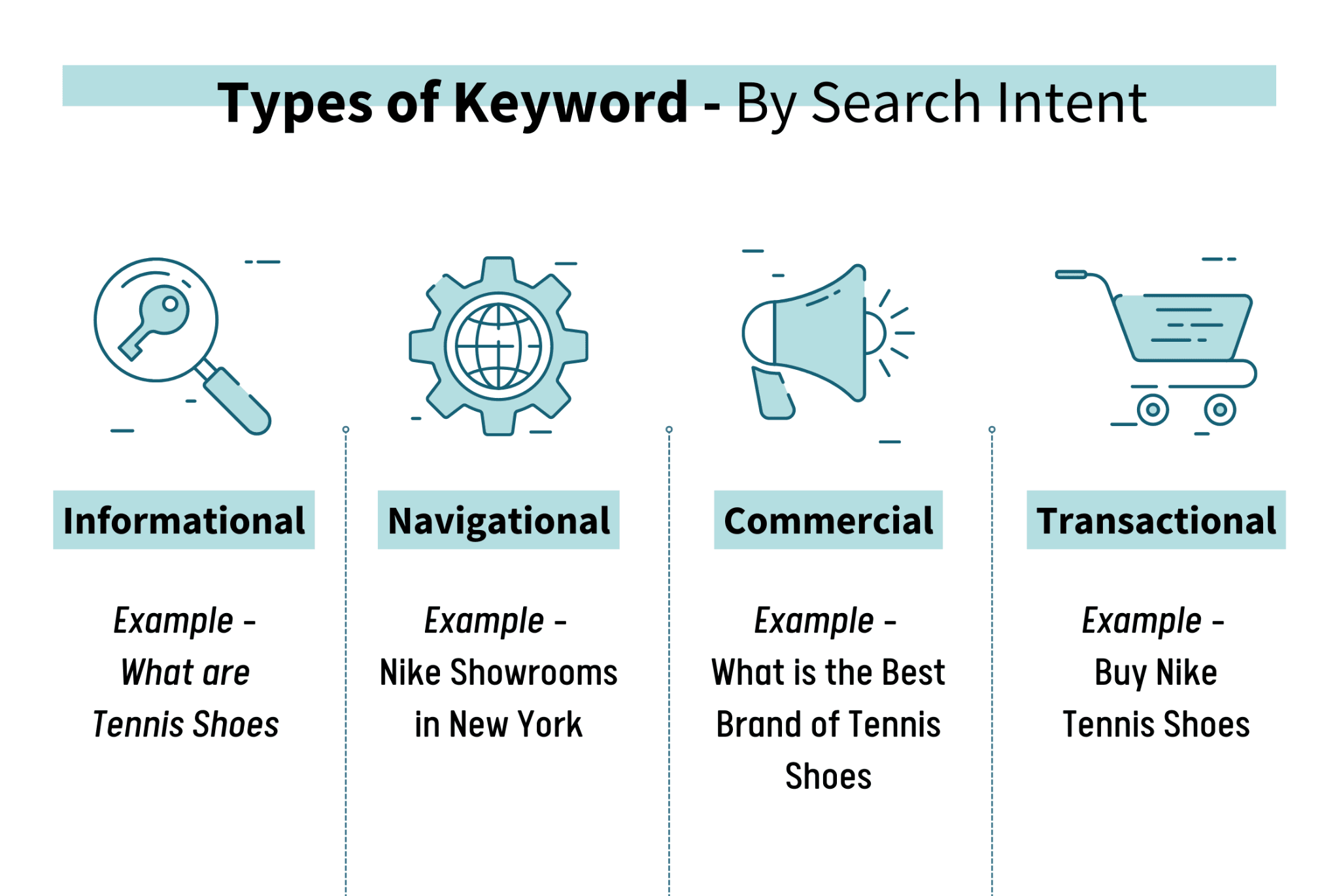
Not all keywords carry the same commercial weight. Understanding the difference requires looking at the four categories of keyword search intent and evaluating where each keyword sits within the buyer journey.
- Informational Intent: These searches seek knowledge. Queries like "what is managed IT" or "how does CRM software work" attract users at the earliest stage of awareness. They can support brand visibility and top-of-funnel content strategies, but they rarely convert directly.
- Navigational Intent: Users searching for a specific brand or website already know where they want to go. These searches signal existing familiarity but rarely represent new acquisition opportunities for competing businesses.
- Commercial Investigation Intent: This is where serious buying decisions begin. Queries like "best CRM software" or "HubSpot alternatives" come from users actively comparing options before committing. These keywords attract prospects who are informed, motivated, and close to a decision.
- Transactional Intent: These searches signal readiness to act. "Buy CRM software for small business" or "schedule IT support consultation" indicates that the user has completed their research and is ready to engage with a vendor.
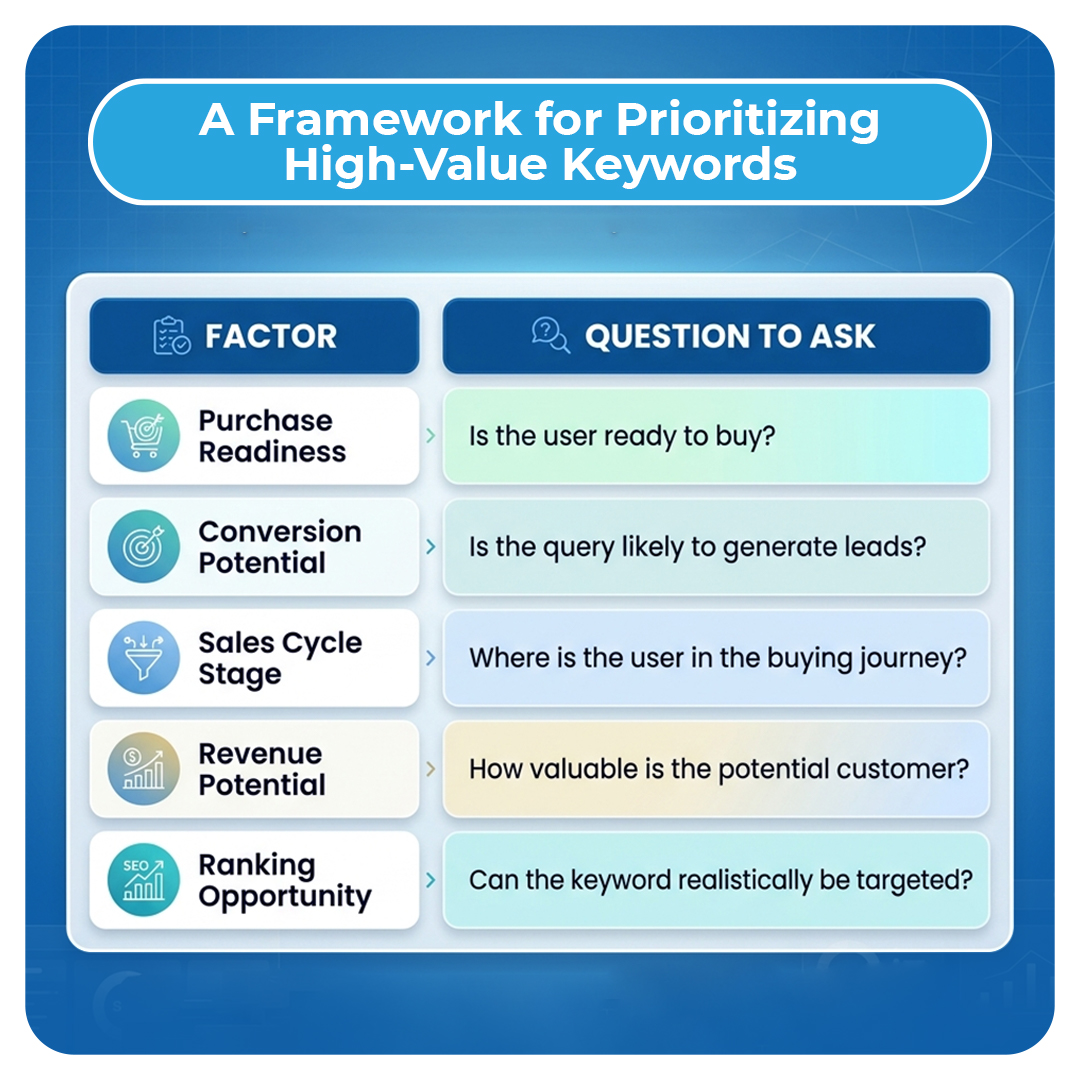
To evaluate keywords beyond simple category labels, agencies can apply an intent-based keyword scoring model. This framework scores each keyword opportunity across five dimensions:
- Purchase readiness
- Expected conversion rate
- Sales cycle stage
- Revenue potential
- Competition level
Consider the keyword progression: "CRM software" versus "best CRM software" versus "HubSpot alternatives" versus "buy CRM software for small business." Volume decreases at each step, but conversion probability increases sharply. The lower-volume keyword often outperforms the broader one by a significant margin when measured against actual revenue generated.
Intent should be scored, not guessed. Agencies that treat all keywords as equivalent will consistently underinvest in the opportunities that produce the strongest results.
Knowing what high-intent keywords look like is only the beginning. The real challenge is finding these opportunities consistently across multiple client campaigns.
How White Label SEO Services Uncover High-Intent Opportunities Faster?
Most agencies do not have the research infrastructure to identify high-intent keyword opportunities at scale. Building that capability internally requires enterprise-grade tools, dedicated analysts, and significant time investment that many teams cannot justify across a full client roster.
White label SEO provider closes that gap by bringing the research resources of a specialized team to every client engagement. The methods they use go well beyond basic keyword volume analysis.
Key research capabilities include:
- Enterprise keyword databases that surface long-tail and intent-rich queries that standard tools miss
- Competitor gap analysis to identify keywords where client competitors are capturing commercial traffic
- Search intent clustering to group related queries by buyer stage rather than topic alone
- SERP feature analysis to evaluate which keywords trigger shopping results, local packs, or featured snippets
- AI-assisted keyword discovery to surface emerging queries before they appear in standard research tools
- Topic clustering to map keyword opportunities around complete subject areas rather than isolated terms
Consider a roofing contractor client. A surface-level strategy targets "roof repair." An intent-focused research process uncovers a more valuable opportunity set:
- emergency roof repair near me
- same-day roof repair
- roof leak repair cost
- roof repair financing
Each of these keywords signals a buyer in a different stage of urgency, but all of them indicate far stronger purchase intent than the broad head term. White label providers identify keyword ecosystems rather than isolated keywords.
Finding high-intent opportunities creates the foundation for growth, but agencies generate the most value when those keywords are organized around the customer journey.
Building Intent-Based Content Funnels Instead of Individual Pages
Treating each keyword as an isolated page is one of the most common structural mistakes in SEO strategy. High-intent keyword targeting works best when keywords are organized into layered content funnels that guide users from awareness to action.
A single keyword cannot carry the full weight of a client's acquisition strategy. Users at different stages of the buying process need different content, and each piece of content should connect logically to the next.
Top of Funnel
Top-of-funnel content addresses awareness and education. Examples include:
- Industry guides and explainer articles
- Problem-awareness content
- Broad category overviews
Middle of Funnel
Middle-of-funnel content supports commercial investigation. Examples include:
- Comparison pages and alternative guides
- Pricing breakdowns and vendor evaluations
- Feature-focused resources
Bottom of Funnel
Bottom-of-funnel content exists to convert. Examples include:
- Service pages and location pages
- Consultation or demo request pages
- Product and pricing pages
Internal linking connects these layers, creating clear paths that move users from research to decision. A practical funnel for a managed IT services client might look like this, with dedicated content around SEO for IT MSPs helping attract high-intent prospects.
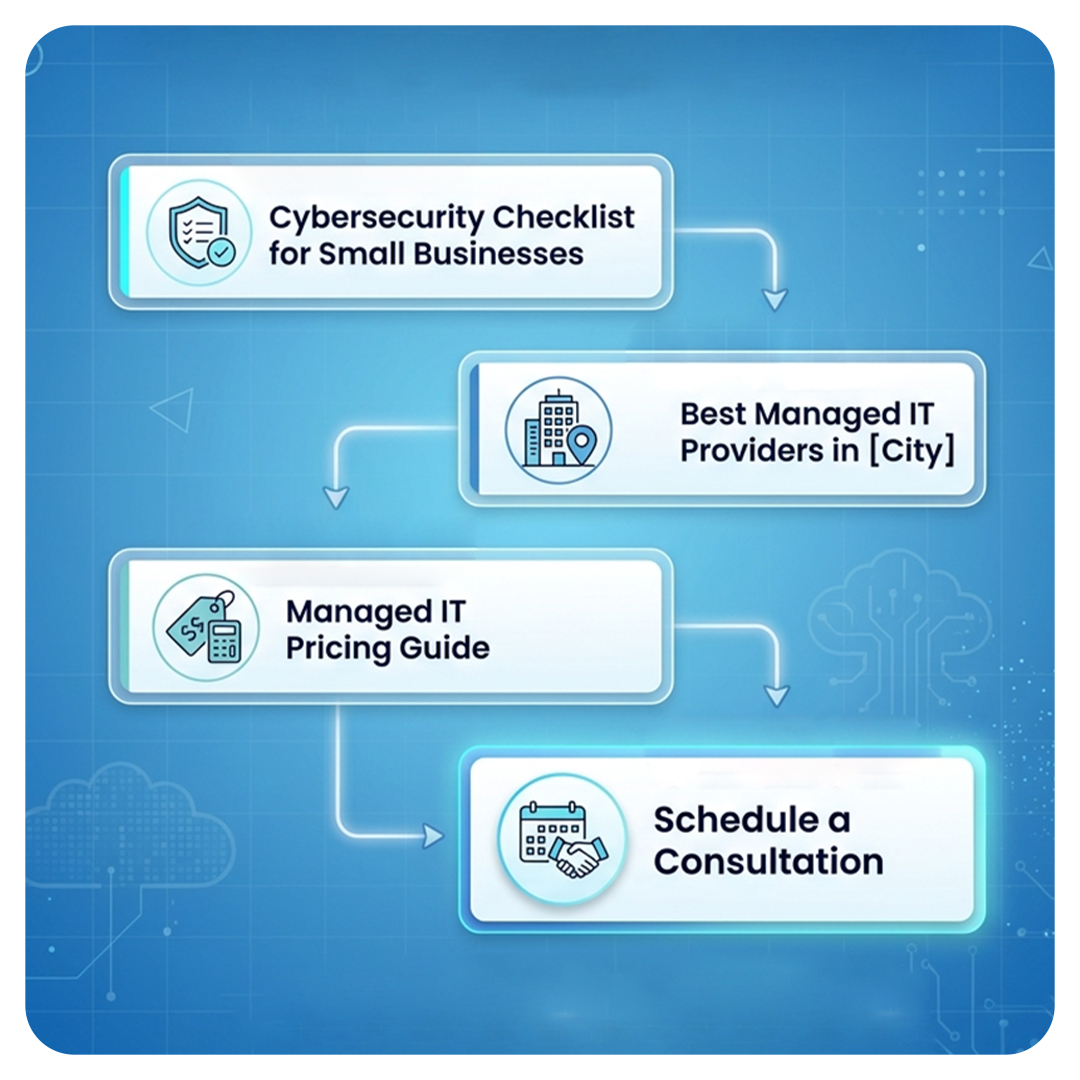
This approach generates what might be called Intent Stacking. Each layer builds on the one before it, creating compound SEO value as users move deeper into the funnel. The result is an architecture where every page serves a defined role in the client's acquisition process rather than simply occupying a spot in organic rankings.
Content strategy is only one side of the equation. Agencies also need a way to prioritize opportunities that produce measurable business impact.
How High-Intent Keyword Strategies Improve Client Retention?
The way an agency reports results shapes how clients perceive the value of SEO. Agencies that tie keyword strategy to business outcomes create a fundamentally different relationship with their clients than those reporting on rankings and impressions alone.
Reporting on high-intent SEO means presenting metrics that align directly with what clients care about:
- Leads generated from organic search
- Conversion rate growth on key landing pages
- Pipeline contribution from specific keyword clusters
- Revenue influence attributed to SEO
- Cost per acquisition improvements over time
This shift moves the agency from vendor to strategic advisor. The client stops thinking about SEO as a marketing expense and starts treating it as a revenue-generating investment.
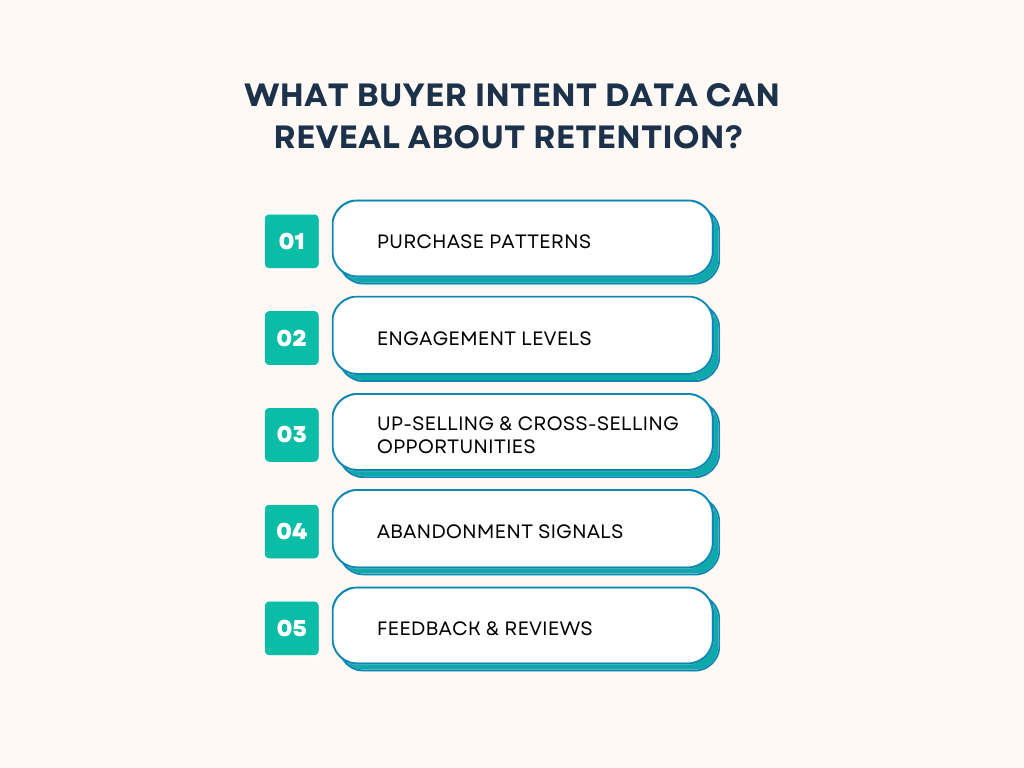
Image Source: Shortlister
A practical example: a legal services firm retains an agency not because its blog traffic increased, but because intake form submissions from organic search grew by 34% over six months. That is a result that leadership can connect directly to business growth.
Clients renew because SEO supports business growth, not because rankings improve. Agencies that anchor their strategy to intent-driven keywords have the data to make that case clearly every month.
Delivering these outcomes consistently requires systems and resources that many agencies struggle to build internally.
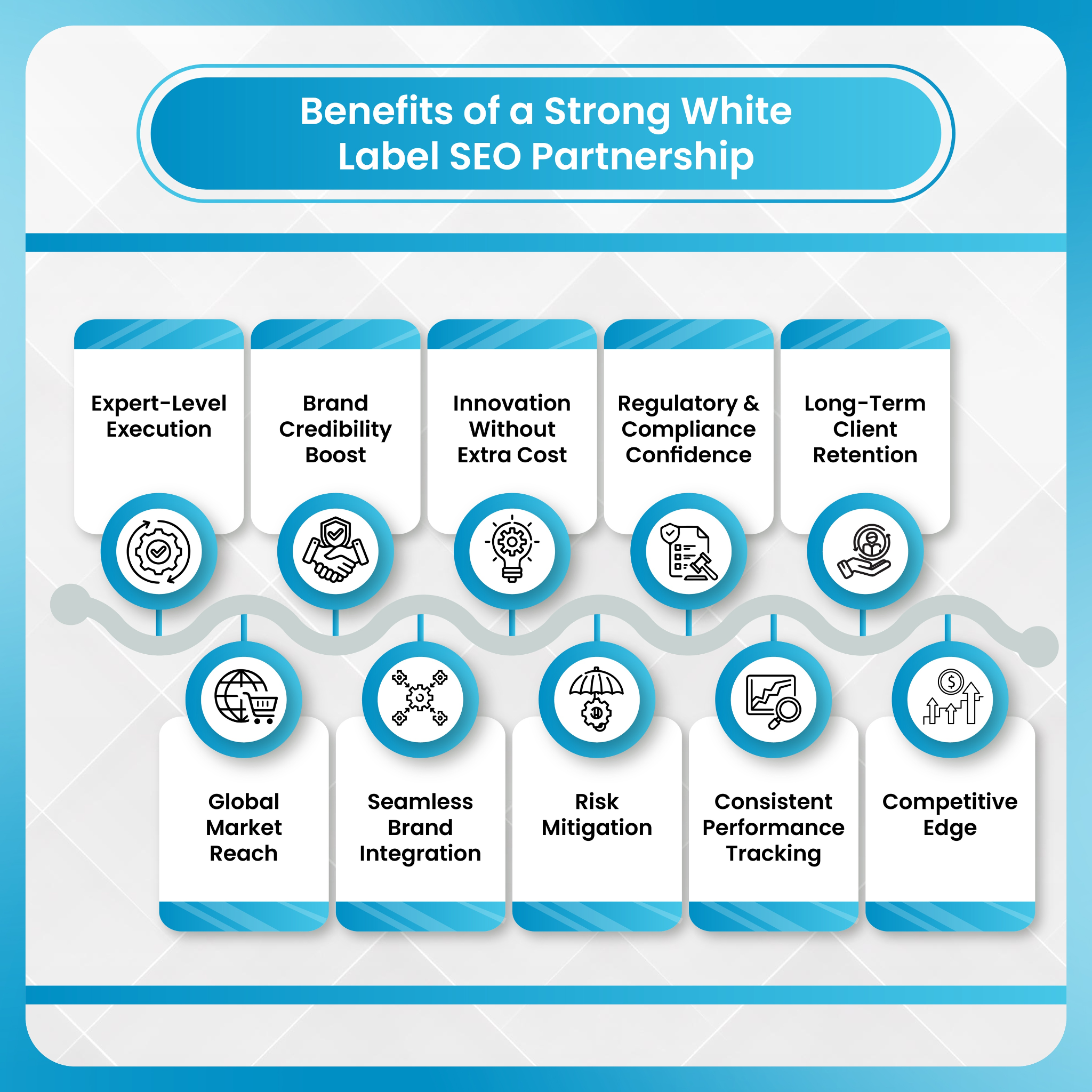
Why White Label SEO Gives Agencies a Competitive Advantage?
Scaling an intent-focused SEO practice requires more than talent. It requires research infrastructure, content specialists, technical capabilities, and repeatable fulfillment processes that hold up across dozens of client accounts simultaneously.
White label SEO services give agencies access to that full operational stack without the overhead of building it from scratch. The advantages compound quickly as an agency grows:
- Scalable research capacity without adding headcount for each new client
- Faster execution because fulfillment processes are already built and tested
- Access to dedicated specialists across content, technical SEO, and strategy
- Consistent quality is maintained through standardized workflows
- Enterprise-grade tools that most agency budgets cannot support independently
- Bandwidth to take on more clients without sacrificing delivery quality
The strategic value goes beyond execution. White label providers become a competitive intelligence engine for the agencies they support. Their exposure across multiple industries and markets produces pattern recognition that individual agencies cannot develop on their own.
Positioning a white label partner as a growth infrastructure investment rather than an outsourcing arrangement changes how agencies think about scaling. The right partner makes it possible to compete for larger accounts, deliver more sophisticated strategies, and retain clients longer.
As search becomes increasingly intent-driven and AI continues reshaping user behavior, agencies that prioritize business outcomes over rankings will be positioned for long-term success.
Further Reading: How to Stay Competitive With White Label Agency Services?
How DashClicks' White Label SEO Services Help Agencies Target High-Intent Keywords at Scale?
DashClicks offers white label SEO management built specifically to help agencies move beyond surface-level keyword targeting and build campaigns that drive measurable business results for clients.
The foundation of the approach is strategic keyword research paired with search intent analysis. Rather than delivering a keyword list ranked by volume, the team identifies commercial opportunities by evaluating where users are in the buying process and which queries are most likely to generate leads and conversions for a specific business type.
From that research foundation, DashClicks supports agencies with:
- Intent-focused content planning that maps keyword opportunities to each stage of the buyer journey
- White label SEO content creation optimized for both search visibility and conversion performance
- On-page optimization aligned to the intent signals embedded in target queries
- Internal linking strategies that build topical authority and guide users through content funnels
- Technical SEO support to ensure client websites meet the structural requirements for competitive rankings
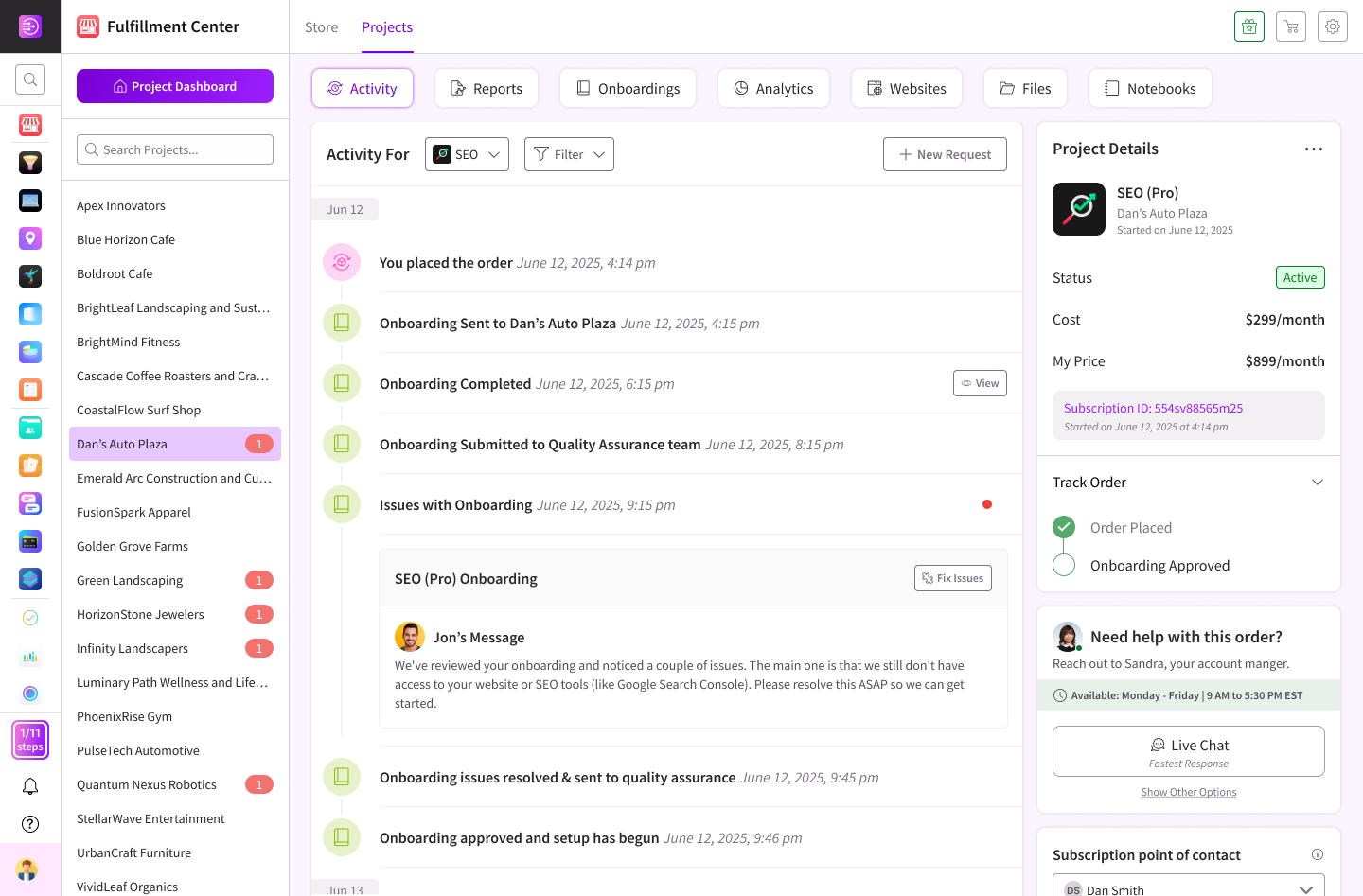
- Reporting visibility that connects keyword performance to lead generation and client outcomes
For agencies managing multiple client accounts, the consistency of fulfillment by DashClicks is a significant operational advantage. Strategies are executed through repeatable systems, which means quality holds steady as volume increases.
The outcome for agencies is a scalable, intent-driven SEO practice that helps clients capture high-value traffic without requiring the agency to rebuild its research and execution infrastructure for every engagement.
Ultimately, the agencies that generate the strongest client results are not those chasing the most traffic. They are the ones consistently capturing the most valuable traffic.
The Agencies That Win Are the Ones Targeting the Right Keywords
Keyword strategy has always shaped SEO outcomes. What has changed is the standard for what a strong strategy actually looks like.
Raw search volume was once a reliable proxy for opportunity. That is no longer true. The combination of zero-click search behavior, AI-generated results, and increasingly specific user queries has made intent the primary variable that separates high-performing campaigns from those that generate traffic without impact.
High-intent SEO strategies produce outcomes that matter to clients: stronger leads, higher conversion rates, and revenue that can be traced back to specific keyword investments. Those outcomes build the kind of trust that extends contracts and generates referrals.
White label SEO services help agencies execute these strategies at scale. The research depth, content infrastructure, and fulfillment consistency that specialized providers bring make it possible to deliver intent-first campaigns across an entire client roster without the overhead of building that capability internally.
The agencies that outperform competitors will not necessarily rank for the most keywords. They will rank for the keywords that bring clients their next customers.


.svg)


.svg)
.svg)
.svg)
.svg)
.svg)