

.svg)
.svg)
.svg)
.svg)
.svg)
.svg)
Paid advertising has undergone significant changes over the past few years. What once worked as a single Google Ads campaign now needs to connect with social platforms, video, display, and shopping channels to deliver real results. For agencies, this shift brings opportunity, but it also brings pressure. Clients expect strong performance across multiple platforms, all working together, under one clear strategy.
This is where white label PPC has become an essential part of modern agency growth.
At its core, white label PPC allows agencies to offer paid advertising services under their own brand while a specialized partner handles the execution behind the scenes. Unlike traditional outsourcing, where the vendor may interact directly with the client, white label PPC keeps the agency at the center of the relationship. You manage strategy, communication, and reporting. The third party focuses on setup, optimization, and performance.
At the same time, omnichannel paid media has become the standard. Today’s paid strategies span:
- Paid search and shopping ads
- Social platforms like Meta, TikTok, and LinkedIn
- Video ads on YouTube and connected TV
- Display and programmatic campaigns
- Emerging channels such as Pinterest and Reddit
Clients no longer see these channels as separate efforts. They expect a connected experience, consistent messaging, and results that improve across the entire funnel.
For agencies, building and maintaining in-house expertise across all these platforms is expensive and time-consuming. This blog explores how white label PPC services help agencies deliver strong omnichannel paid media strategies without heavy hiring, complex tools, or operational strain. It also looks at how DashClicks supports agencies with scalable, branded PPC fulfillment that fits naturally into a broader paid media approach.
Challenges Agencies Face With In-House PPC + Omnichannel Paid Media
1. Talent and Expertise Gaps
PPC is no longer a simple exercise in choosing PPC keyword and setting bids. Modern paid media demands a much broader skill set that spans both technical and strategic disciplines. Teams are expected to understand how different platforms work individually and how they contribute to a larger omnichannel strategy.
Today’s PPC expertise often includes:
- Structuring complex search and shopping campaigns for scale.
- Building and refining audience targeting and remarketing funnels.
- Managing platform-specific algorithms and machine learning bidding models.
- Setting up accurate conversion tracking and attribution frameworks.
- Aligning paid traffic with landing pages and CRO best practices.
Finding professionals who are strong across all these areas is difficult. Senior PPC specialists are in high demand, command premium salaries, and are often recruited aggressively by larger agencies or in-house brands. Even when agencies succeed in hiring experienced talent, retention can be a challenge due to burnout, workload pressure, and constant platform changes.
When agencies rely on generalists to cover multiple paid channels, performance gaps often appear. Campaigns may lack depth, optimization becomes reactive, and testing slows down. Over time, clients notice weaker ROI, slower growth, and missed opportunities, which puts retention at risk.
2. Scalability Constraints
Scaling paid media services internally is rarely fast or predictable. Each new platform added to an agency’s offering requires a significant investment of time and resources before it becomes profitable.
Internal scaling typically involves:
- Training team members on new platforms and ad formats.
- Completing platform certifications and compliance requirements.
- Running test campaigns to understand performance patterns.
- Building repeatable optimization and reporting processes.
This learning curve can take months, not weeks. During that period, agencies may struggle to deliver consistent results or delay launching new services altogether. As a result, teams become stretched thin, deadlines slip, and leadership is forced to choose between growth and quality.
This reactive growth model limits long-term planning. Instead of scaling confidently, agencies often find themselves constantly catching up, which creates stress for both internal teams and clients.
3. Rising Costs and Efficiency Pressure
Paid media costs have increased steadily across most platforms. Google Ads CPCs continue to rise in competitive industries, while social platforms experience frequent cost fluctuations driven by auction dynamics and algorithm updates. As media costs climb, the margin for error shrinks.
Agencies are under pressure to deliver stronger results with tighter budgets. This requires advanced optimization techniques, constant testing, and precise budget allocation across channels. In-house teams often struggle to maintain this level of efficiency without additional support.
Beyond media spend, internal teams rely on tools for:
- Bid and budget management.
- Conversion tracking and tag management.
- Attribution and performance modeling.
- Reporting and visualization.
Many of these tools come with high monthly fees, especially at the enterprise level. For smaller and mid-sized agencies, these costs can quickly erode profit margins, making it harder to compete while maintaining service quality.
4. Fragmented Omnichannel Integration
A common issue with in-house PPC management is fragmentation. Search, social, and display campaigns are often managed separately, sometimes by different people or even different teams. Reporting follows the same pattern, with each platform viewed in isolation.
This siloed approach creates several problems:
- Limited visibility into how channels influence one another.
- Incomplete attribution across the customer journey.
- Inefficient budget distribution.
- Missed opportunities for cross-channel remarketing.
Without a unified strategy and shared data, agencies struggle to explain performance clearly to clients. Decisions are made based on partial insights, which leads to shallow optimization and inconsistent results across the funnel.
5. Growing Client Expectations
Client expectations have evolved alongside paid media complexity. Many businesses now expect a single agency to manage all paid channels as part of one cohesive engagement. Search, social, display, and remarketing are no longer viewed as optional add-ons.
Agencies that cannot deliver a full paid media stack face real risks. Clients may seek other partners who can offer broader coverage, deeper expertise, and clearer reporting across channels.
Industry data reinforces this shift:
- 73 percent of agencies now use white label services to expand offerings efficiently.
- Around 60% outsource PPC campaigns to specialized partners, highlighting how common this model has become.
These numbers point to a clear trend. Agencies need faster access to expertise, the ability to scale without friction, and consistent performance across platforms, all without inflating internal costs.

How White Label PPC Transforms Omnichannel Paid Media Delivery?
1. Rapid Expansion Without Hiring
One of the biggest advantages of working with a white label PPC agency is speed. Agencies can launch paid media services almost immediately, without recruiting, onboarding, or training new staff.
White label partners already have specialists for each platform. This means agencies can confidently sell paid search, paid social, and remarketing without worrying about execution gaps.
Industry data shows that agencies adopting white label PPC often see 25 to 35 percent higher conversion rates and more than 30 percent improvement in ROI compared to unfocused in-house efforts. The reason is simple. Specialists outperform generalists.
2. Deep Expertise Across Paid Channels
Each paid platform behaves differently. What works on Google search does not translate directly to TikTok or LinkedIn. White label PPC services provide access to channel-specific experts who understand:
- Platform algorithms
- Audience behavior
- Creative best practices
- Budget pacing and scaling
This level of specialization ensures consistent performance across channels and reduces wasted spend.
3. Unified Omnichannel Strategy
White label PPC providers are built to support omnichannel strategies. Instead of isolated campaigns, they focus on how platforms work together.
This includes:
- Using search intent data to build social audiences.
- Coordinating remarketing across display and social.
- Aligning messaging across the funnel.
- Creating unified reporting views.
For agencies, this means delivering a clear performance narrative to clients instead of disconnected metrics.
4. Access to Advanced Tools Without Extra Cost
Most white label PPC partners invest heavily in tools and technology. These often include:
- Advanced reporting dashboards.
- Automation systems.
- Conversion tracking frameworks.
- Multi-touch attribution models.
Agencies benefit from these tools without paying separate licensing fees. This lowers operational costs while improving campaign quality and insight.
5. Scalable and Cost-Effective Pricing
White label PPC pricing is typically variable. Agencies pay based on campaigns or service tiers instead of fixed salaries. This protects margins during slower months and supports growth during busy periods.
Studies show that outsourcing specialized services can reduce operational expenses by up to 60 percent while increasing average client revenue by 25 to 40 percent. This flexibility is critical in competitive markets.
6. Stronger Reporting and Transparency
Professional reporting is essential for retention. White label PPC services deliver branded reports that show:
- CPC and CPA trends
- Conversion rates
- ROAS and revenue impact
- Audience insights
Agencies remain the face of the service, maintaining full ownership of client communication.
7. Predictable Growth and Seasonal Support
During peak periods like holidays or product launches, demand spikes quickly. White label PPC teams provide extra capacity on demand, allowing agencies to scale without stress or delays.
8. Better Internal Focus
With execution handled externally, internal teams can focus on:
- Strategy
- Client relationships
- Sales and growth
- High-level performance insights
This division of labor leads to better outcomes for both agencies and clients.

Key Performance Benefits for Agencies
- White label PPC delivers stronger performance when it is part of a unified omnichannel paid media strategy rather than isolated campaigns.
- Aligning paid channels around shared goals, audiences, and data improves results across the entire customer journey.
- Search and social work best together. Search captures high-intent users, while social supports discovery and demand generation.
- Cross-channel audience sharing increases efficiency. Users who engage with search ads can be retargeted on social platforms, reinforcing messaging and improving conversion rates at a lower cost.
- Remarketing performs better in an omnichannel setup because audiences built from search, website visits, and video engagement are already familiar with the brand and tend to convert at lower CPAs.
- White label PPC teams help manage and sync remarketing audiences across platforms, ensuring consistent messaging and smarter spend.
- Unified performance data across search, social, and display enables better budget allocation and reduces wasted spend.
- Improved attribution helps agencies clearly identify which channels drive real value and confidently justify budget decisions to clients.
- Offering a complete paid media stack often increases client lifetime value, as clients prefer a single partner managing all paid channels.
- Consistent strategy and communication strengthen trust, simplify account management, and raise average account value over time.
- Omnichannel paid media supported by white label PPC positions agencies as full-service partners rather than narrow specialists.
- This broader capability strengthens sales conversations, increases win rates, and helps agencies stand out in a competitive market.
DashClicks’ White Label PPC Services
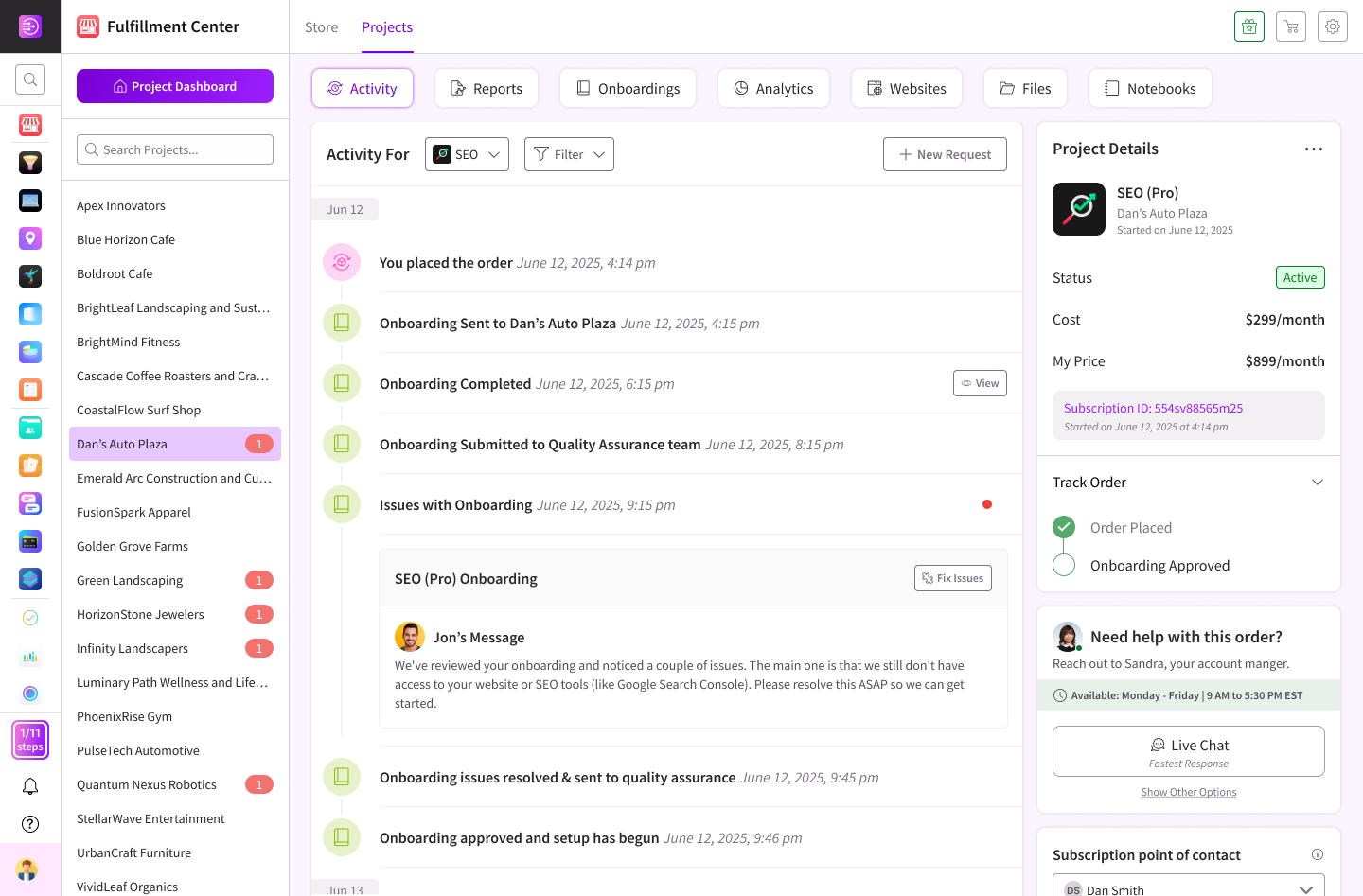
DashClicks provides turnkey white label PPC services built for agencies that want to scale omnichannel paid media without expanding internal teams. Full PPC execution runs behind the scenes, allowing agencies to retain complete brand ownership and control of client relationships while benefiting from specialist-level delivery.
Core capabilities include:
- End-to-end campaign setup and launch.
- Ongoing optimization and structured testing.
- Branded reporting aligned with client KPIs.
- Advanced tracking and automation tools.
DashClicks integrates seamlessly into existing agency workflows, operating as a silent partner focused on performance. Clients interact only with the agency, while execution remains invisible and efficient.
This approach enables agencies to onboard new accounts faster, scale campaigns with confidence, and expand into omnichannel paid media without operational strain—supporting long-term growth while protecting margins.
Conclusion
Omnichannel paid media is no longer optional. Clients expect connected campaigns, strong performance, and clear reporting across platforms. For agencies, delivering this level of service internally is costly and complex.
White label PPC offers a smarter path. It enables rapid expansion, expert execution, scalable growth, and unified omnichannel performance without heavy hiring or tool investments. Agencies gain flexibility, protect margins, and deliver better results for clients.
If your agency is turning away paid media opportunities, struggling to scale, or looking to improve ROI across channels, white label PPC deserves serious consideration.


.svg)


.svg)
.svg)
.svg)
.svg)
.svg)