

.svg)

.svg)
.svg)
.svg)
.svg)
.svg)
For many digital agencies, white label SEO is the engine behind steady recurring revenue. It allows teams to offer search services without hiring, training, and managing an in-house SEO department. On paper, it is efficient and scalable. In practice, it can quietly become a growth blocker.
Agencies often sense something is off long before they can clearly define it. Client results feel flat. Communication takes longer. Reports look busy, but do not explain real progress. Retainers stay the same while costs and effort creep up. Over time, these issues affect more than SEO performance. They impact client trust, retention, and your agency’s reputation.
External execution plays a direct role in how your agency grows. When your white label SEO partner performs well, your brand looks strong. When they struggle, your agency absorbs the blame. The goal of this blog is to help you recognize when your current partner may be holding you back and how to identify a partner that supports long-term, sustainable growth.
When Your White Label SEO Partner Limits Agency Growth
Before jumping into solutions or switching providers, agencies need to clearly recognize the warning signs of an underperforming SEO fulfillment partner. These problems rarely appear overnight. More often, they develop gradually and seem manageable in the early stages.
Because the impact is slow, many agencies adapt around the issues instead of addressing the root cause. Over time, what felt like minor friction turns into a serious obstacle to growth, client retention, and profitability.
1. Growing Demand Meets Limited Delivery
SEO continues to be one of the most in-demand digital services across industries. Research consistently shows that nearly 70% of agencies consider SEO a core offering, and a large share of them rely on outsourced fulfillment due to rising labor costs and a shortage of experienced talent. At the same time, organic search remains a dominant traffic source, accounting for more than half of all website visits on average.
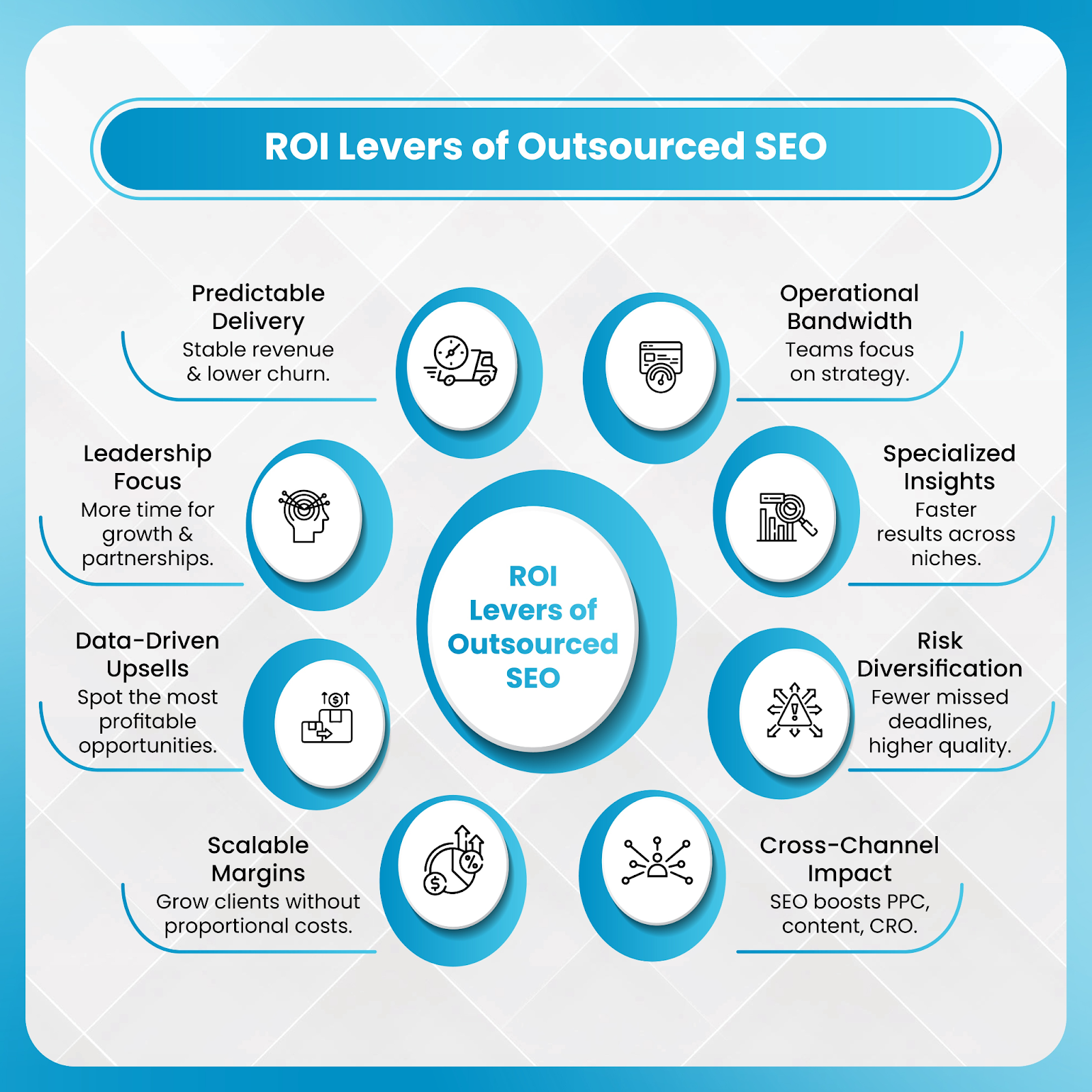
The challenge begins when your white label SEO services provider cannot scale at the same pace as your agency. As new clients come on board, delivery timelines stretch longer than expected. Reports arrive late. Tasks that once felt thorough start to feel rushed. Strategies become repetitive, with the same approach applied across very different industries and goals.
Instead of supporting growth, the outsourcing model quietly creates a ceiling. Sales slow because operations cannot keep up. Account managers spend more time managing delays than building client relationships. A scalable white label SEO partner should be able to absorb increased demand smoothly, not become a bottleneck when your agency gains momentum.
2. Quality and Results Tell the True Story
One of the clearest indicators of an underperforming partner is a focus on volume rather than impact. Publishing blog posts, building links, or completing audits may look productive on paper, but none of it matters if rankings and traffic remain flat.
Organic performance plays a direct role in client satisfaction and retention. Studies show that 75% of users never scroll past the first page of search results. If your clients are not steadily moving closer to those top positions, the perceived value of SEO quickly fades. Clients may not understand every technical detail, but they do understand when results stall.
Common warning signs include:
- Little or no improvement in keyword rankings over several months
- Technical SEO issues identified but left unresolved
- Traffic increases that fail to generate leads, calls, or sales
- Reliance on outdated or risky tactics such as low-quality link building
Low-quality SEO does more than slow progress. In some cases, it can actively harm a website’s visibility, triggering ranking drops or manual penalties. Recovering from this damage often takes months of corrective work, putting client relationships and your agency’s reputation at risk.
When results consistently fall short, it is a clear signal that fulfillment quality needs closer scrutiny.
3. Communication Breakdowns and Visibility Gaps
Even when SEO execution is technically sound, poor communication can make results feel underwhelming. Agencies rely on their white label SEO partner to clearly explain what is happening behind the scenes, why certain actions are taken, and what outcomes to expect next. Without that clarity, even good work loses its impact.
When updates arrive late or lack detail, agency teams are left scrambling during client calls. Account managers spend time interpreting vague reports, chasing answers, or trying to justify performance without enough context. This adds internal pressure and increases the risk of miscommunication with clients. Over time, confidence starts to slip, both within your team and in the eyes of your clients.
A lack of transparency around tactics, timelines, and priorities also makes it harder to explain ROI. Clients want to understand how their investment connects to results. If your partner cannot clearly outline progress and next steps, setting realistic expectations becomes difficult. Clear, proactive communication is not a nice-to-have. It is a foundation for smooth operations and long-term client trust.
4. Over-Dependence Without Strategic Input
Many white label SEO providers operate as task-based vendors. They follow a standard checklist, deliver monthly outputs, and move on to the next account. While this approach may be sufficient for very small or short-term projects, it limits growth at scale.
SEO is not static. Search algorithms change, competitors adjust strategies, and client goals evolve. A partner that only executes tasks without contributing strategic insight places the burden of planning entirely on your agency. Your team ends up doing the thinking while the provider does the minimum required work.
Over time, this dynamic turns SEO into a commoditized service with thin margins. There is little room for innovation, customization, or premium positioning. Strategic input is what elevates SEO from a line item to a value-driven service. It is also what separates a simple vendor from a true growth partner.
5. Profit and Operational Strain
At first glance, low-cost providers may seem attractive. In reality, they often come with hidden expenses. Revisions, quality issues, missed deadlines, and client dissatisfaction all add to operational overhead. Each round of rework pulls time away from sales, strategy, and relationship building.
Mid-tier providers may deliver acceptable results but still create limitations. When execution is just good enough, it becomes difficult to differentiate your agency or justify higher retainers. Profit margins tighten, and growth slows.
Agencies must balance service quality with profitability. If your white label SEO partner makes it harder to raise prices, retain clients, or stand out in a crowded market, they are restricting your business potential. These challenges go beyond short-term inconvenience. They affect retention, scalability, and the long-term value of your agency.
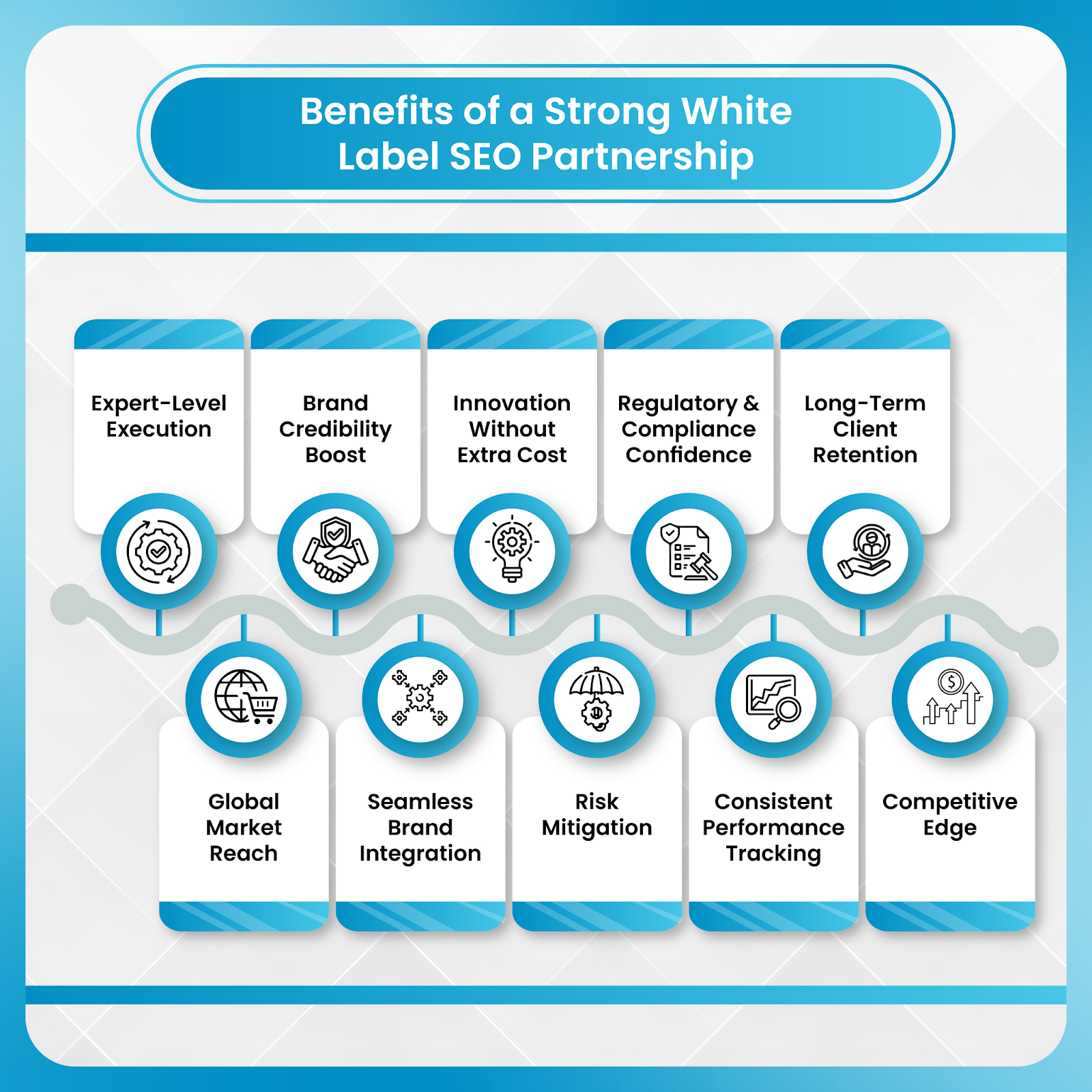
This naturally leads to a critical question: when does sticking with the same partner cost more than making the switch?
When to Actually Make the Switch: Critical Signs It’s Time
Not every challenge means you should immediately change partners. SEO takes time, and some fluctuations are normal. However, certain patterns indicate deeper issues that require action.
1. SEO Performance Has Plateaued or Declined
If rankings, organic traffic, or conversions have stalled for multiple quarters, it is time to look closely at execution. A capable white label SEO partner should adapt strategies based on data and algorithm changes.
Consistent stagnation often means strategies are outdated or not customized to the client’s market. Reports should show movement, learning, and adjustment, not the same numbers month after month.
2. Reporting Is Vague or Not Actionable
Modern clients expect clarity. Reports focused only on impressions or generic metrics no longer cut it. According to industry surveys, over 60% of agencies say clients now expect SEO reporting tied directly to traffic quality and business outcomes.
If reports lack context or clear next steps, your agency is left translating data into value. Strong reporting should highlight:
- Keyword movement that matters to the business
- Organic traffic trends and engagement
- Actions taken and why they matter
When reporting feels padded or unclear, value becomes questionable.
3. Communication or Responsiveness Is Slow
Delayed replies and missed updates disrupt internal workflows. Agencies rely on timely communication to plan campaigns, prepare reports, and respond to client questions.
Slow responsiveness can make your agency appear disorganized, even if the issue sits with your partner. Over time, this affects credibility and trust.
4. No Scalability or Adaptability
As your client base grows, needs change. You may add e-commerce brands, local businesses, or larger multi-location clients. A rigid white label SEO provider that cannot adjust strategies or scale resources becomes a liability.
A simple test is to ask whether your partner could support double or triple your current SEO volume without sacrificing quality. If the answer is unclear, growth will be difficult.
5. You’re Losing Clients or Seeing Retention Drops
Client retention is one of the strongest indicators of service health. Studies show it costs five times more to acquire a new client than to retain an existing one.
If clients leave due to poor SEO performance or unclear value, your partner plays a direct role. When churn connects back to SEO results, switching becomes a strategic necessity rather than an option.
These signs often appear gradually. When several show up together, it is a clear signal that change is needed.
What to Look for in a Strategic White Label SEO Partner?
Replacing a provider carries risk. Choosing the right one transforms SEO from a burden into a competitive advantage.
1. Transparent and Data-Driven Reporting
Look for partners that focus on outcomes, not just tasks. Reporting should clearly connect effort to performance.
White-labeled dashboards that agencies can share directly with clients save time and reinforce professionalism.
2. Proven, Ethical SEO Methodologies
Search engines evolve constantly. Your partner should demonstrate expertise in:
- Technical SEO and site health
- On-page optimization
- Content strategy aligned with search intent
- Ethical link acquisition
Avoid providers that promise guaranteed rankings. These claims often rely on risky tactics that can backfire.
3. Scalable Delivery and Specialist Expertise
High-quality SEO requires specialists, not generalists doing everything. Strong partners have teams focused on technical SEO, content, and link building.
Scalability means being able to absorb growth without delays or drops in quality.
4. Strategic Collaboration and Thought Partnership
The best white label SEO services provider acts as an extension of your agency. They share insights, help plan campaigns, and adapt strategies based on client goals.
This level of collaboration reduces internal workload and improves outcomes.
5. Communication, Responsiveness, and Accountability
Clear communication saves time and prevents misunderstandings. Partners should provide regular updates, quick responses, and proactive problem-solving.
Accountability builds trust and smooths client interactions.
6. Focus on Client Retention and ROI
SEO success should support long-term relationships. Partners that understand retention metrics and ROI help agencies build stable, predictable revenue.

Making the Transition: Best Practices for Switching Providers
Switching providers does not have to be disruptive if handled carefully.
- Plan a Data-Driven Transition Timeline: Audit current keywords, traffic, and deliverables before ending an agreement. This creates a clear baseline for the new partner.
- Document Processes and Knowledge Transfer: Ensure access to accounts, content, and technical assets. Clear documentation prevents gaps and lost momentum.
- Maintain Communication With Clients: Position the change as a strategic upgrade. Transparency reassures clients and sets expectations.
- Run Side-By-Side Testing During Transition: When possible, test the new provider output alongside the old one. This builds confidence before a full transition.
How DashClicks’ White Label SEO Services Support Agency Growth?
Once agencies understand what to demand from a white label SEO partner, the next step is choosing a provider built for scale. DashClicks focuses on supporting agencies with a model designed around growth, transparency, and long-term results.
DashClicks offers white label SEO services created specifically for digital agencies. Instead of generic execution, their approach emphasizes structured strategy, ethical SEO practices, and consistent delivery across different industries and client sizes. Dedicated SEO specialists handle technical optimization, content planning, and ongoing improvements while agencies maintain full brand ownership.
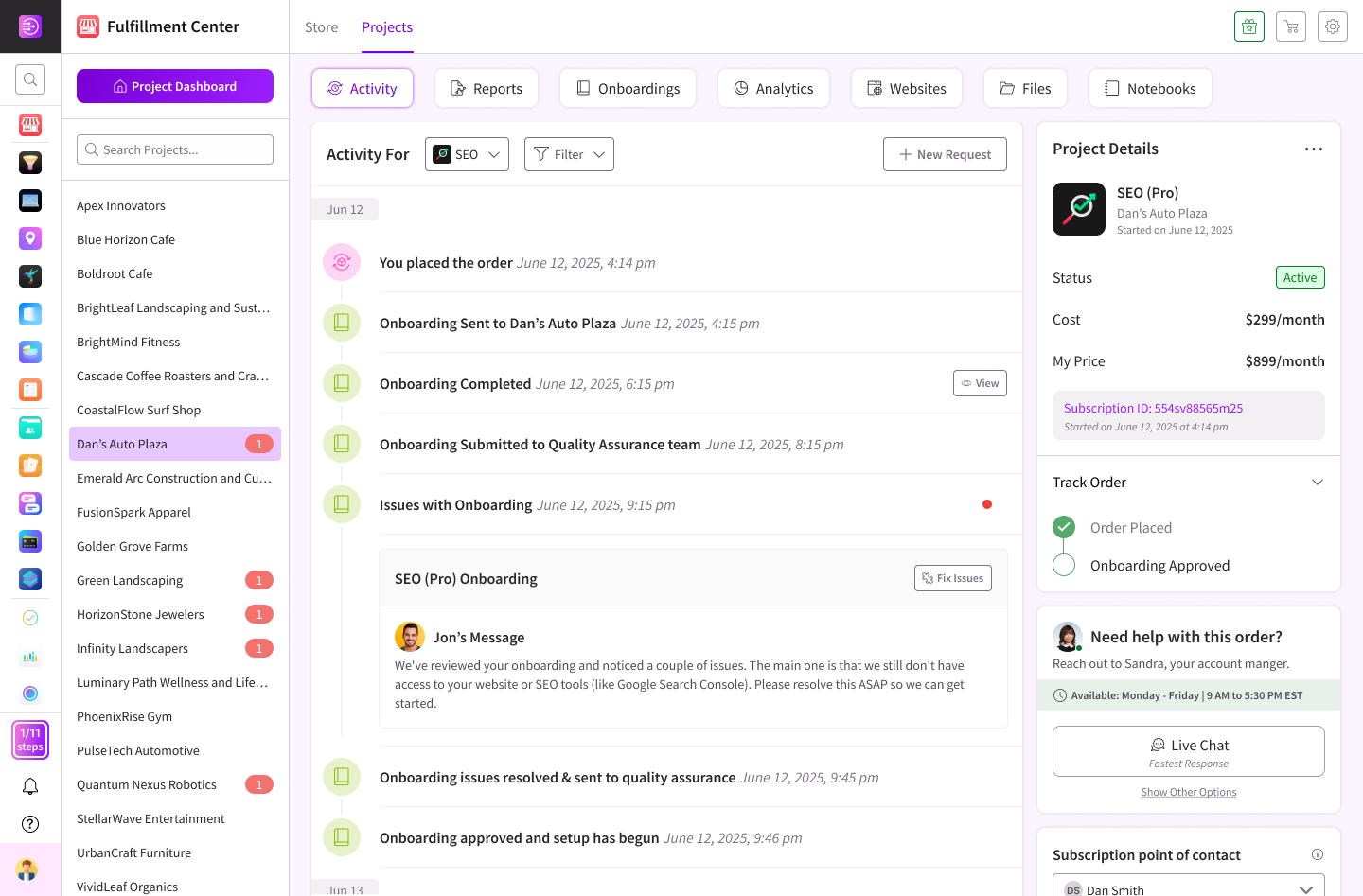
One key advantage is transparency. The platform provides clear, white-labeled reporting that agencies can confidently share with clients. This helps explain progress, demonstrate value, and reduce time spent translating data into insights. Communication is structured to support agency workflows, making it easier to manage multiple accounts without internal strain.
Scalability is another core focus. As agencies grow from a handful of SEO clients to dozens or more, the platform supports expansion without forcing agencies to hire internally. This allows teams to focus on sales, strategy, and client relationships while maintaining consistent SEO quality.
By aligning execution with agency goals, DashClicks helps turn SEO outsourcing into a growth asset rather than an operational risk.
Conclusion
White label SEO can be one of the strongest drivers of agency growth when it is aligned with your goals. When misaligned, it quietly drains time, profit, and client trust.
Recognizing the signs of an underperforming partner allows you to act before damage compounds. Choosing a strategic, scalable partner improves retention, strengthens margins, and protects your reputation.
If you suspect your current white label SEO partner is holding you back, it may be time to reassess what you truly need from SEO outsourcing. A strong partner should help your agency move faster, deliver better results, and grow with confidence.


.svg)


.svg)
.svg)
.svg)
.svg)
.svg)