

.svg)

.svg)
.svg)
.svg)
.svg)
.svg)
Most agencies hit a wall at some point. They land a few big clients, the team starts stretching thin, and suddenly everyone is scrambling to deliver content that doesn't even have their name on it. That is the white label life; invisible work that either builds your reputation quietly or erodes it just as quietly.
The good version feels like a smooth handoff. Your client sees polished content, steady traffic bumps, and brand searches that trend upward without anyone knowing you outsourced a thing. The bad version is a mess of missed deadlines, tone mismatches, and articles that read like they were written by someone who never met your client (because they didn't).
That gap is why agencies need white label content posting systems that actually work. Not just a writer with a login password; a real process that vets quality, maintains voice consistency, and delivers something you can proudly put your client's name on. This is where working with a specialized partner makes the difference. Get Me Links has built their entire operation around this exact problem, offering fully managed white label link building with a 21-day turnaround and one-time pricing that keeps your margins predictable
What Is White Label Content Posting?
White label content posting is a structured outsourcing model that enables digital marketing agencies to delegate content production and publishing to a third-party provider while retaining full brand ownership and strategic control. To the client, the content appears entirely in-house. Behind the scenes, execution runs through a specialized partner aligned with the agency’s workflows.
This is not freelance writing on demand. It is an integrated SEO delivery system.
The agency owns keyword strategy, positioning, and performance reporting. The white label partner executes within defined briefs, optimization standards, and publishing frameworks to ensure consistency and search alignment.
At a technical level, white label content posting typically includes:
- Keyword mapping and topic clustering aligned with search intent.
- SEO-focused content writing targeting primary and secondary keyword variations.
- On-page optimization, including title tags, meta descriptions, header structure, and semantic keyword placement.
- Internal linking architecture to strengthen topical authority and improve crawl efficiency.
- CMS formatting and publishing (WordPress, Webflow, Shopify, etc.) with clean URL structures and mobile-ready formatting.
- Performance tracking tied to impressions, rankings, click-through rates, and engagement metrics.
When structured properly, this model increases publishing velocity while strengthening search visibility. It supports deeper topical coverage, improves internal link equity flow, and aligns content production with measurable ranking objectives.
Operationally, white label content posting transforms content from a fixed staffing burden into a scalable fulfillment layer. Instead of hiring and managing multiple writers and editors, agencies implement a repeatable system:
Strategy → Brief → Produce → Optimize → Publish → Measure.
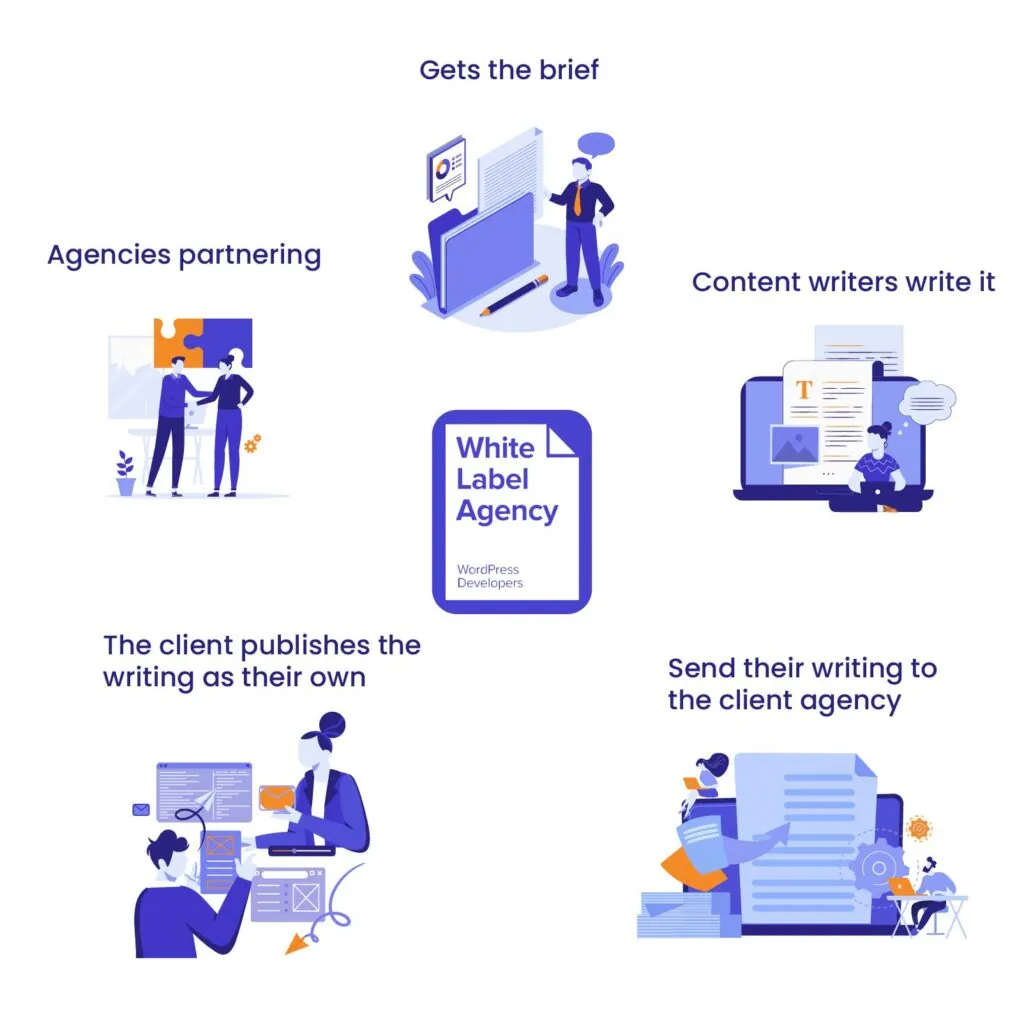
Image Source: White Label Agency
The result is both technical efficiency and financial leverage. Agencies can expand SEO retainers, onboard more clients, and maintain predictable turnaround times without increasing payroll complexity.
In this structure, the agency remains the strategic authority and client-facing expert. The white label partner functions as the execution engine that powers consistent, scalable growth.
How to Systemize White Label Content for Agency Growth?
1. Start With Outcomes, Not Volume
A white label post is not "good" simply because it fills a content calendar. It earns its keep when it supports a clear outcome; maybe qualified leads for your client, stronger brand searches, or pipeline lift that shows up in their quarterly numbers.
Start by defining one primary outcome per campaign. For agencies running white label work, that primary outcome is often lead quality measured by booked calls or sales qualified leads that trace back to the content.
Your next job is mapping topics to the right stage of the funnel. Top of funnel pieces should answer early questions with plain language and simple examples. Middle funnel pieces can compare approaches and set buying criteria without being pushy.
When you report results, avoid counting only word counts and impressions. Tie posts to landing page traffic, assisted conversions, and branded search lift over time. The Google Search Central documentation on link spam is worth reviewing here; it explains what Google expects from content quality, which applies whether your name is on the byline or not.
2. Build A Real Content Brief, Then Protect It
A weak brief creates weak posts, even if the writer is talented. A strong brief makes production faster because it limits endless revision loops.
Your brief should include a single sentence promise, target reader profile, and what that reader should do next. It should also list the "must mention" points that make the article accurate and grounded in your client's expertise.
Here is a simple brief checklist that works for most agency white label projects:
- Search intent: what problem the reader is trying to solve
- Angle: what makes your client's point of view useful and clear
- Proof points: data, policy guidance, or examples they can cite
- Link plan: which page earns the link, and why it fits naturally
- Voice rules: tone descriptors, forbidden words, and style quirks specific to this client
- Review rules: what claims require legal approval, and what is off limits
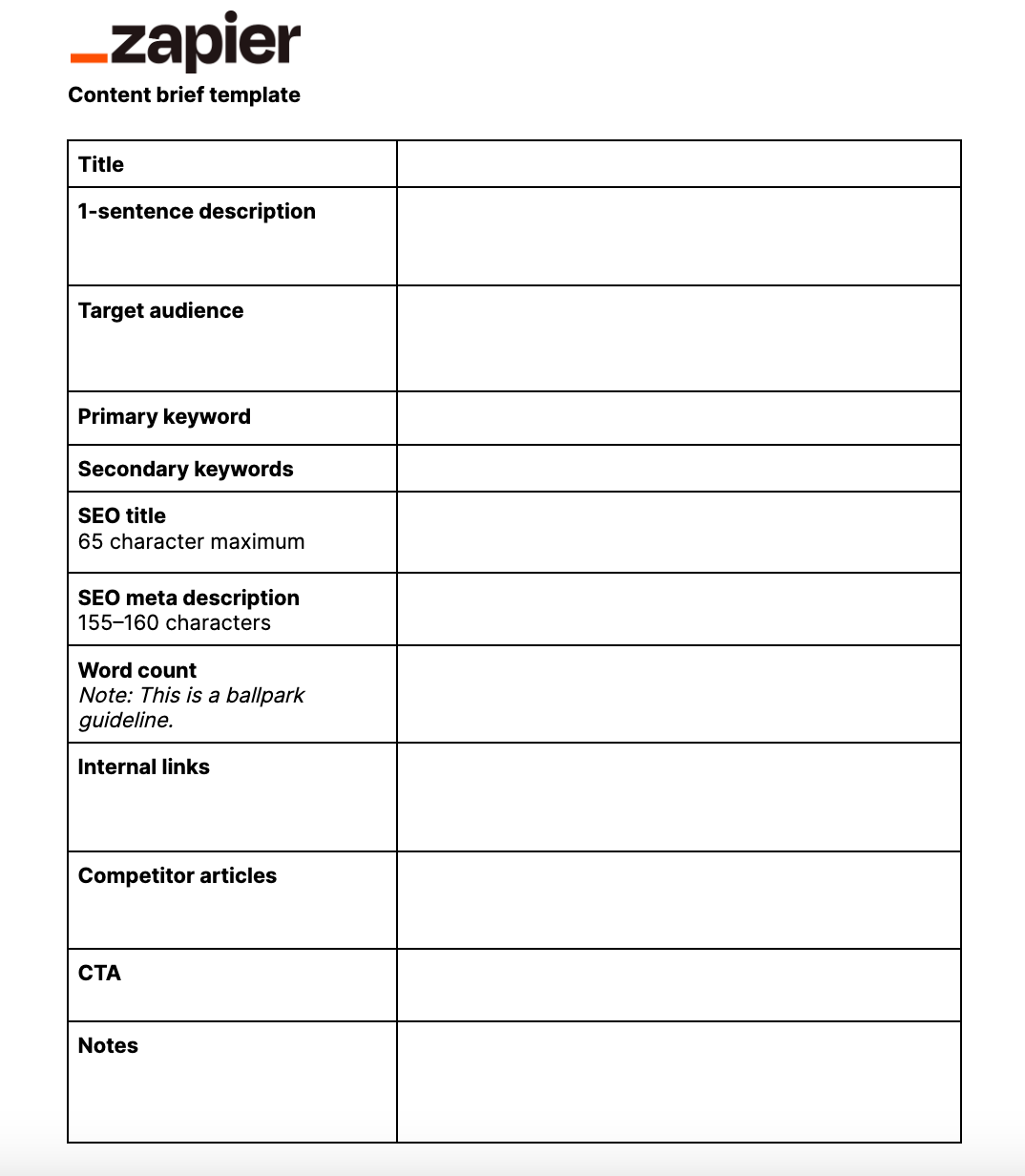
Image Source: Zapier
Once the brief is set, protect it during drafting. Do not let writers add extra keywords that bend the topic into something else. That is where white label work turns into generic filler; the kind that wastes budget and disappoints clients who trusted you to sound like them.
Further Reading: How to Coordinate Content Briefs & Review Cycles with White Label SEO Partners: The Complete Guide
3. Choose a White Label Content Partner
Many agencies evaluate white label content providers based on price alone. That shortcut often leads to content that feels generic or disconnected from the client’s voice.
Instead, assess a white label content partner the way you would assess a strategic vendor.
- Expertise comes first. A partner who understands SEO content structure, search intent, and internal linking will outperform a general content vendor every time. Agencies serving B2B, SaaS, healthcare, or local businesses need partners familiar with those ecosystems.
- Adaptability matters. Every client has a distinct voice. Some brands prefer conversational and bold. Others require formal, compliance-conscious language. A capable white label partner can adjust tone without sacrificing clarity.
- Reliability protects your reputation. Consistent turnaround times, clear communication, and structured revision processes matter more than low per-article pricing. Missed deadlines and endless edits cost more than they appear to on paper.
The right partner feels like an extension of your team, not an unpredictable freelancer pool.
4. Make Quality Control Boring And Repeatable
White label content fails at scale when quality depends on one editor's mood. It works when quality checks are simple, written down, and applied the same way every time.
Set a baseline standard for structure and verification. Each post should include clear definitions, at least one real example, and a quick "what to do next" section that is actually practical.
Then add two quick edits that catch most problems:
- Claim check: remove anything you cannot support or observe in real client work
- Clarity pass: shorten long sentences and cut vague modifiers that sound impressive but mean nothing
Also watch voice consistency. A natural white label content post reads like the client wrote it. If you can tell it was outsourced by the third paragraph, the piece needs another draft.
Finally, confirm the post does not over promise. Agencies get burned when white label content implies results that no service can guarantee. Keep language grounded, describe processes honestly, and focus on what readers can actually control.
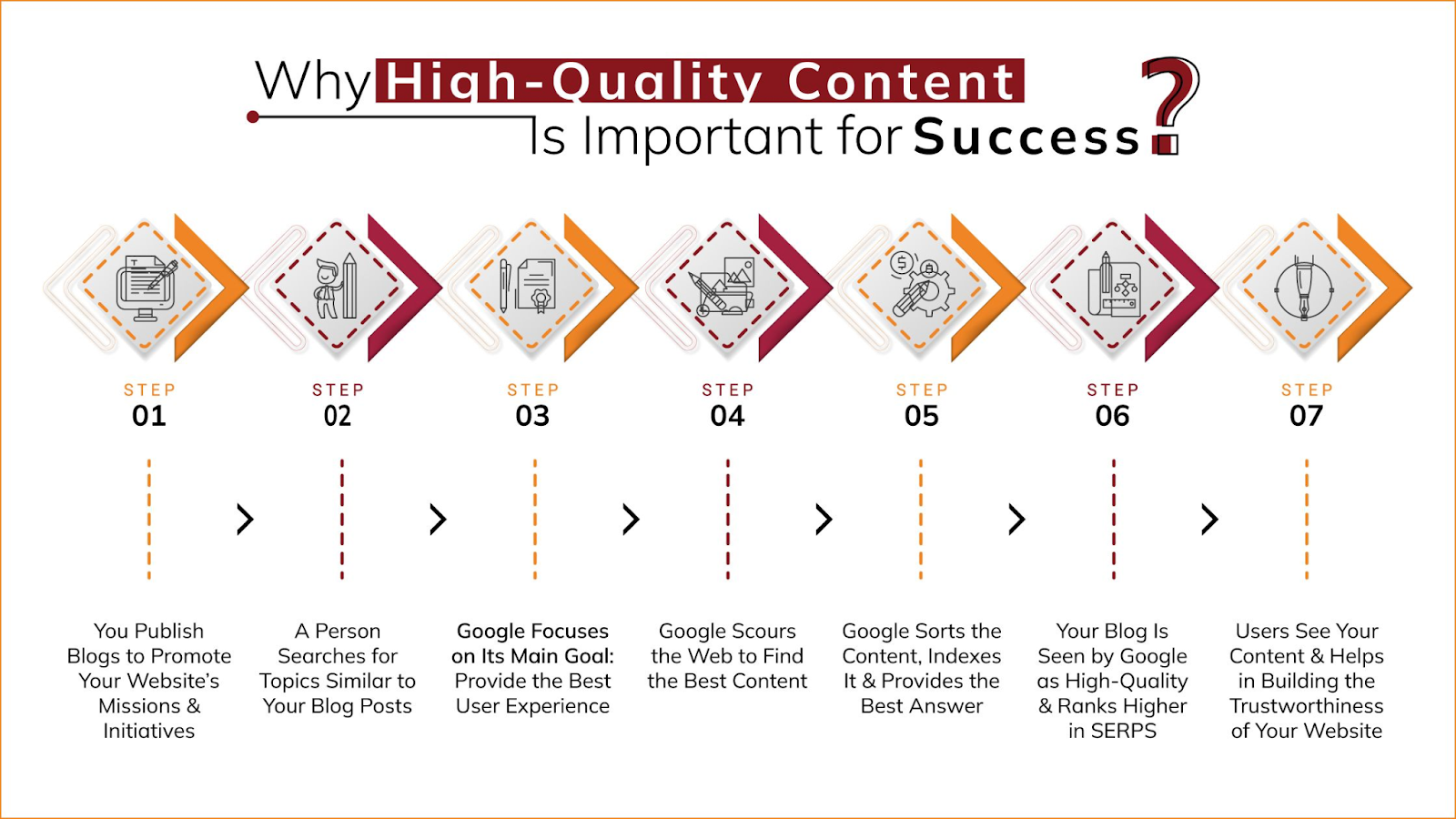
5. Track What Matters, Then Show It Simply
If white label posting is meant to support agency growth, you need reporting that connects effort to movement in the client's business. That means combining content data with pipeline data, even when the view is not perfect.
Track three layers:
- Delivery: posts published, links live, and pages indexed
- Attention: referral traffic, time on page, and new branded searches
- Impact: assisted conversions, booked calls, and deal influence
You will not get perfect attribution, so aim for stable signals you can compare month to month. Use consistent UTM rules and a naming system that matches your briefs so nothing gets lost in translation.
For client reporting, the best format is one page with trends and short notes. Clients rarely want a novel; they want to see that the work is working. Tools that generate clean, branded reports help enormously when you are managing multiple white label accounts.
What Makes DashClicks a Reliable White Label Content Partner?
For digital marketing agencies that want to scale content delivery without expanding internal teams, DashClicks offers a structured white label content service built specifically for agency workflows.
Unlike ad-hoc freelance networks, DashClicks operates with defined production systems, standardized quality controls, and SEO-aligned processes designed to support multi-client environments. Their service is built to integrate directly into an agency’s existing delivery model, making it easier to maintain consistent publishing schedules across multiple accounts.
DashClicks’ white label content services typically include:
- SEO-driven blog writing aligned with mapped keywords
- On-page optimization to support ranking objectives
- Structured internal linking implementation
- CMS-ready formatting for streamlined publishing
- Scalable content packages to match client growth
- Reporting support that fits agency dashboards
What differentiates a mature white label provider is not just writing capacity. It is workflow stability. Agencies need predictable turnaround times, revision clarity, and content that aligns with search intent from the first draft.
DashClicks is designed around those operational realities. For agencies managing SEO retainers, local campaigns, or multi-location brands, having a centralized white label content partner reduces production friction while protecting margins.
The result is simple: agencies retain strategic control and client ownership, while DashClicks functions as the structured execution layer that keeps content production consistent, optimized, and scalable.
A Practical Way To Think About The Next Month
White label content posting supports agency growth when you run it like a system with a clear brief, solid writers, and simple quality checks. Pick outcomes you can track, publish on a steady cadence, and report in a way clients can understand without a marketing degree.
After a few months, the compounding effect becomes easier to see. Your clients stay longer because the content performs. Your team stops firefighting because the process holds. And you can take on more work without taking on more panic.
That is the quiet power of doing invisible work really, really well.



.svg)


.svg)
.svg)
.svg)
.svg)
.svg)