

.svg)

.svg)
.svg)
.svg)
.svg)
.svg)
Search engine optimization has become one of the most important growth channels for businesses today. Yet for many agencies, delivering SEO consistently is not as simple as it sounds. Behind every campaign lies a complex system of content creation, technical optimization, link building, reporting, and client communication. When even one part of that system slows down, the entire process suffers.
These slowdowns are what we call SEO bottlenecks. They are not theoretical problems. They are real workflow challenges that agencies face every day.
Before diving into solutions, it’s important to understand what these bottlenecks actually look like in practice and why they matter so much.
Around 68% of online experiences begin with a search engine, according to BrightEdge. This means the stakes are high. Agencies that fail to deliver SEO work consistently risk losing not only rankings but also client trust and long-term growth opportunities.
Bottlenecks impact agencies in three major ways:
- Client retention: Missed timelines and inconsistent delivery lead to frustration
- Revenue scalability: Limited team bandwidth caps how many clients an agency can handle
- Margins: Overhiring increases costs, while under-delivering hurts reputation
Before solving these issues, agencies need to identify exactly where they occur within the SEO workflow.
Where SEO Workflows Actually Break Down Inside Agencies?
1. Content Production Delays
Content is the backbone of SEO. It drives keyword rankings, supports internal linking, and builds topical authority over time. But producing high-quality, optimized content at scale remains one of the biggest challenges agencies face.
The issue is not just about writing. It involves planning, research, optimization, editing, and approvals. Each step adds time, and when multiplied across multiple clients, delays become inevitable.
Common causes include:
- Limited availability of skilled writers
- Lack of SEO-trained content creators who understand search intent and keyword placement
- Long approval cycles involving both internal teams and clients
- Frequent revisions due to unclear briefs or changing requirements
- Bottlenecks in the keyword research and content planning stages
The impact is significant. Inconsistent publishing disrupts momentum. Search engines favor websites that update regularly, and gaps in publishing can slow down ranking progress.
There is also a compounding effect. When one piece of content is delayed, it often pushes back the entire content calendar. This creates a backlog that becomes harder to recover from over time.
Consider this: an agency managing 15 clients, each requiring 8 blog posts per month, needs to produce 120 pieces monthly. That does not include landing pages, service pages, or content updates. For most in-house teams, maintaining this level of output without sacrificing quality is extremely difficult.
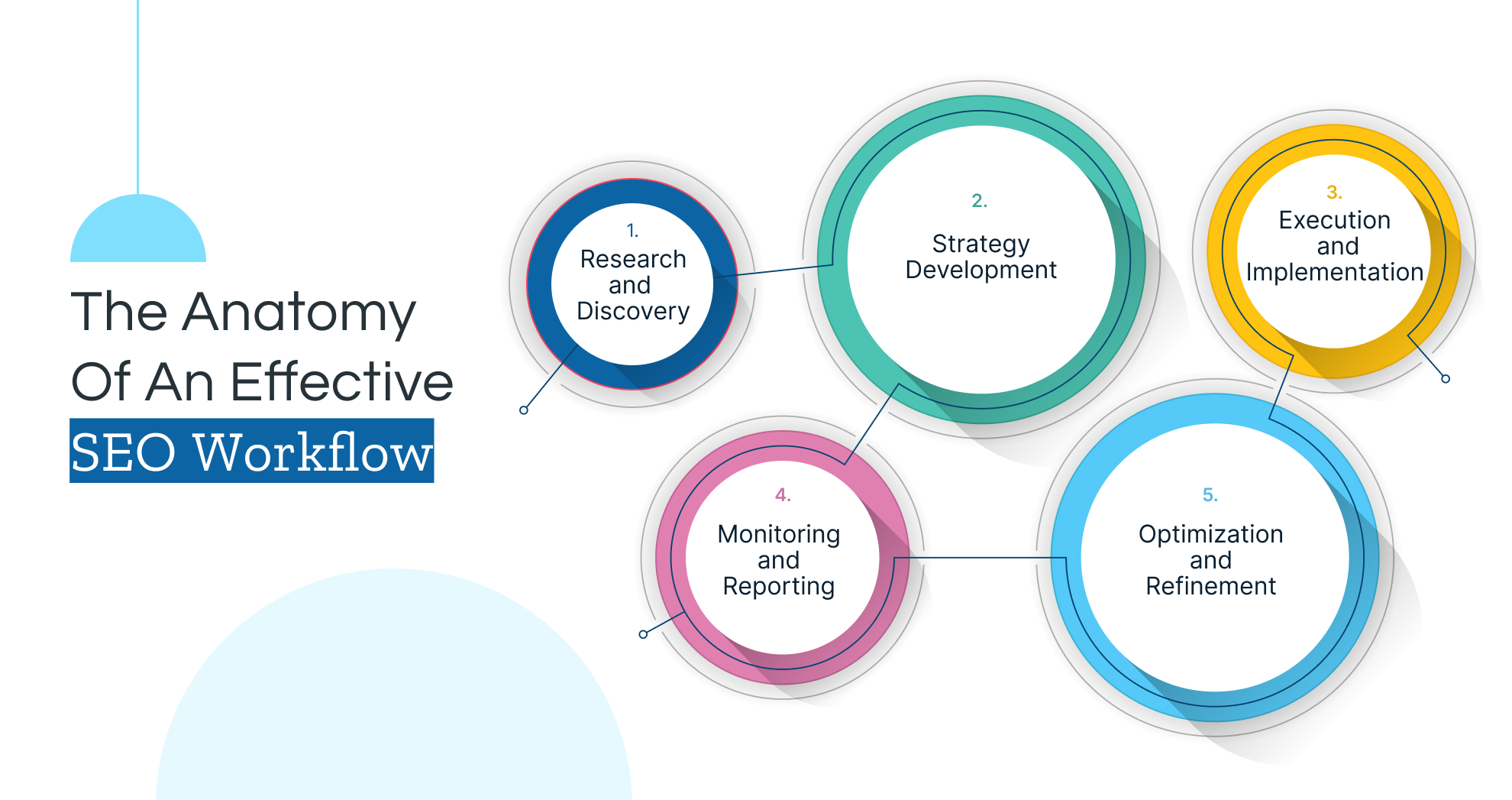
Image Source: Edifying Voyages
Missed agency deadlines also mean missed opportunities. Trending keywords often have short lifecycles. If content is not published during the peak interest window, competitors capture the traffic first. By the time the content goes live, the opportunity may already be gone.
Over time, these delays reduce a website’s ability to build topical authority. Instead of steadily expanding keyword coverage, the site grows in an uneven and fragmented way.
2. Backlink Fulfillment Gaps
Link building is essential for improving domain authority and search visibility. However, it is also one of the most time-consuming and unpredictable parts of SEO.
Unlike content creation, which can be planned and scheduled, link building depends heavily on external factors such as outreach responses and publisher availability.
The main bottlenecks here include:
- Manual outreach processes that require significant time and effort
- Low response rates, often below 5 to 10 percent across many industries
- Limited access to established publisher networks
- Difficulty maintaining consistent outreach volume
- Lack of scalable systems to track and manage campaigns
Because of these challenges, many agencies struggle to maintain a steady flow of backlinks. Instead, link acquisition happens in bursts, followed by long periods of inactivity.
Without consistent backlinks, domain authority growth slows down. Even high-quality content may not rank well without strong external signals. This creates a disconnect where agencies are producing content but not seeing proportional ranking improvements.
Another issue is unpredictability. Some campaigns may generate results quickly, while others take months. This makes it difficult to set clear expectations with clients.
This is why link building is one of the most commonly outsourced SEO tasks. It requires specialized skills, established relationships, and systems that are not easy to build internally. Without these, agencies often face ongoing fulfillment gaps.
3. Technical SEO and Audit Backlogs
Technical SEO is the foundation that supports all other SEO efforts. Without a strong technical base, even the best content and backlinks may fail to deliver results.
Despite its importance, technical SEO often gets pushed to the background.
Typical causes include:
- Limited technical expertise within the team
- One specialist handling multiple clients at once
- High dependency on developers for implementation
- Delays in prioritizing and executing audit recommendations
- Lack of continuous monitoring after initial fixes
The result is a growing backlog of unresolved issues. These may include crawl errors, broken links, duplicate content, slow page speeds, or poor Core Web Vitals.
What makes this particularly challenging is that technical issues are not always visible to clients. They happen in the background, but their impact is significant.
For example:
- Slow-loading pages can increase bounce rates
- Crawl errors can prevent important pages from being indexed
- Poor site structure can limit internal linking effectiveness
Over time, these problems compound. A site with unresolved technical issues becomes harder for search engines to crawl and understand. This reduces the effectiveness of all other SEO efforts.
Instead of building momentum, the campaign struggles to gain traction. Fixing these issues later often requires more time and resources than addressing them early.
4. Project Management and Delivery Lag
Even with strong strategies in place, poor execution can create major challenges. This is where project management plays a critical role.
Many agencies rely on multiple tools for communication, task management, and reporting. While each tool serves a purpose, the lack of integration can create confusion and inefficiency.
Bottlenecks in project management often come from:
- Fragmented tools and communication channels
- Overloaded account managers handling too many clients
- Lack of standardized workflows across teams
- Unclear task ownership and accountability
- Frequent context switching between different projects
These issues lead to missed deadlines and inconsistent delivery. Tasks fall through the cracks, priorities shift unexpectedly, and timelines become difficult to manage.
From the client’s perspective, this creates a negative experience. Even if the strategy is sound, delays and miscommunication reduce confidence in the agency.
Another challenge is scalability. As agencies grow, these inefficiencies become more pronounced. What worked for a small team may not work for a larger client base.
Without clear systems in place, growth can actually increase operational stress instead of improving performance.
5. SEO Reporting Delays and Data Bottlenecks
SEO Reporting is often underestimated, but it plays a crucial role in how clients perceive the value of SEO.
Clients rely on reports to understand progress, performance, and return on investment. When reporting is delayed or inconsistent, it creates uncertainty.
Common issues include:
- Manual data collection from multiple platforms, such as analytics tools and search consoles
- Lack of standardized reporting templates across clients
- Time-consuming customization for individual client needs
- Last-minute reporting at the end of each month
- Difficulty aligning data from different sources into a single narrative
These challenges can result in:
- Delayed or inconsistent communication
- Reduced perceived value of SEO work, even when results are positive
- Account managers are spending hours on reports instead of focusing on strategy
- Increased pressure during reporting cycles, leading to errors or rushed insights
In many agencies, reporting alone can take 5 to 10 hours per client each month. When multiplied across multiple clients, this becomes a significant drain on resources.
Another issue is clarity. Even when reports are delivered on time, they may not always present data in a way that is easy for clients to understand. This reduces their effectiveness and impact.
Efficient reporting is not just about saving time. It is about building trust and maintaining strong client relationships.
All of these bottlenecks are interconnected. A delay in content affects link building. Technical issues impact performance. Poor reporting affects client perception.
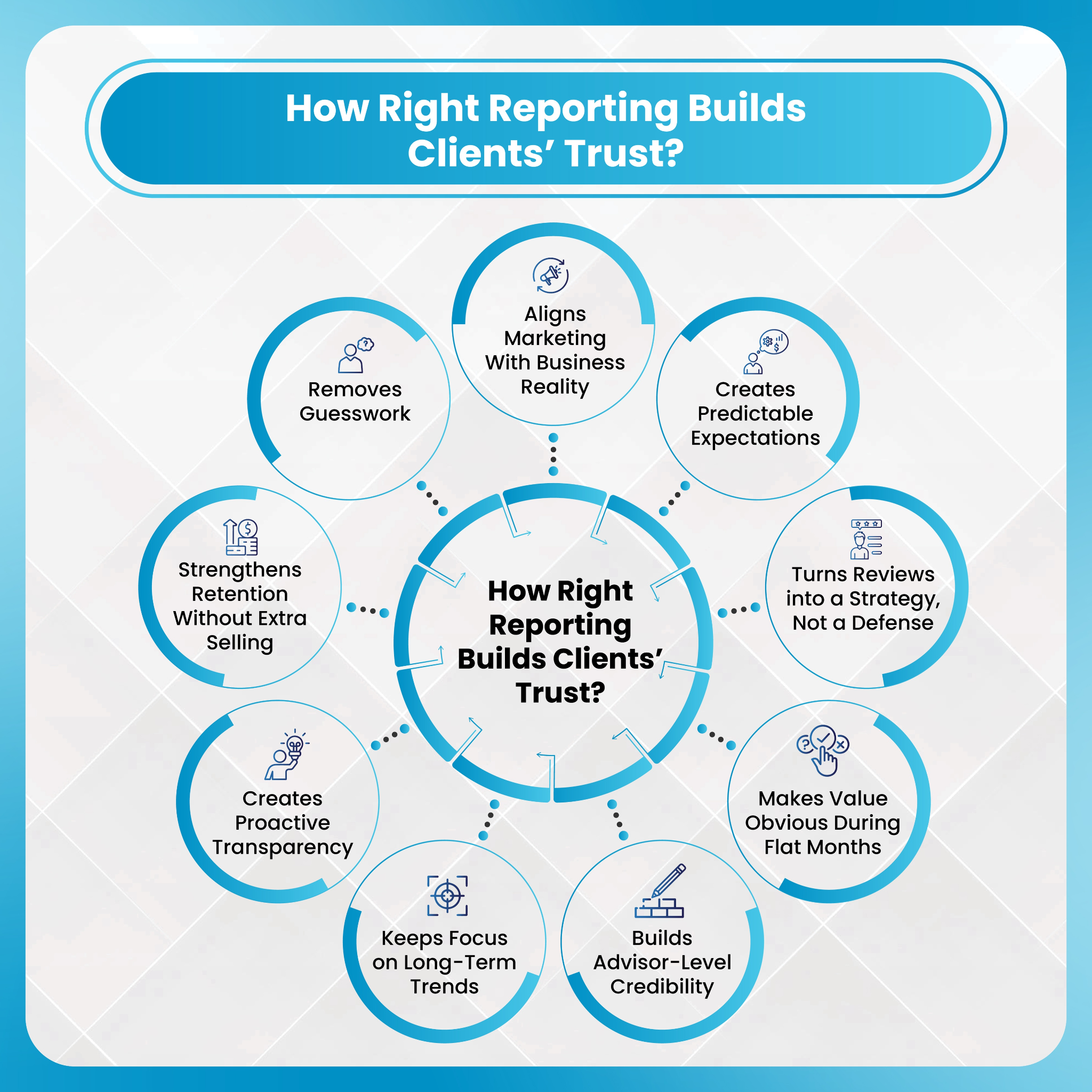
Together, they create a system-wide slowdown that limits both performance and scalability.
The Hidden Cost of SEO Bottlenecks: Opportunity Loss You Can’t See
1. Revenue Left on the Table from Delayed Execution
Every delay in SEO has a ripple effect.
- A delayed blog post means a missed ranking opportunity
- A missed backlink slows down authority growth
- A postponed technical fix reduces site performance
SEO is not instant. It takes time for content to be indexed and rankings to improve. A delay of three months in content production can push results back by six to nine months.
While your campaign slows down, competitors continue moving forward.
2. The Compounding Effect of Inconsistency
SEO rewards consistency more than intensity.
Publishing 20 articles in one month and none in the next does not work. The same applies to link building and technical updates.
Inconsistent efforts lead to:
- Weak topical authority
- Slower ranking improvements
- Reduced search visibility over time
Bottlenecks break this consistency, which is often more damaging than slow progress.
3. Client Churn Driven by Perception
Clients may not understand every technical detail of SEO, but they notice delays.
They may not see:
- Keyword mapping
- Backend fixes
- Data analysis
But they do see:
- Missed deadlines
- Late reports
- Gaps in communication
Even if the strategy is working, poor delivery creates a perception of underperformance. This can lead to client churn.
How White Label SEO Fulfillment Removes Workflow Bottlenecks?
White label SEO fulfillment does more than just complete tasks. It addresses the root cause of inefficiencies.
It helps:
- Remove delays in execution
- Restore consistency across campaigns
- Improve both actual performance and perceived value
When bottlenecks are removed, agencies can focus on strategy, growth, and client relationships instead of operational challenges.
1. Streamlining Content Production at Scale
White label SEO providers offer access to trained writers and established editorial systems.
Benefits include:
- Faster turnaround times
- Consistent publishing schedules
- Optimized content aligned with SEO goals
This allows agencies to maintain a steady flow of content without overloading internal teams.
2. Solving Backlink Acquisition at Scale
With dedicated outreach teams and established networks, white label SEO providers can handle link building more efficiently.
Key advantages:
- Higher success rates in outreach
- Predictable link acquisition
- Reduced reliance on manual processes
This leads to stronger domain authority and better ranking potential.
3. Eliminating Technical SEO Backlogs
White label fulfillment gives agencies access to specialists who focus solely on technical SEO.
This results in:
- Faster audits and implementation
- Ongoing monitoring instead of one-time fixes
- Improved site performance and crawl efficiency
Technical issues are resolved quickly, preventing long-term damage.
4. Fixing Delivery and Operational Lag
Standardized workflows and service level agreements help streamline operations.
Agencies benefit from:
- Parallel execution of tasks
- Faster turnaround across deliverables
- Reduced workload for internal teams
This improves both efficiency and team morale.
5. Streamlining SEO Reporting and Client Communication
White label SEO services often include automated reporting systems.
This helps:
- Reduce manual data collection
- Deliver consistent, professional reports
- Improve transparency with clients
Agencies can cut reporting time significantly, freeing up resources for strategy and growth.

How DashClicks Supports Agencies with White Label SEO Fulfillment?
DashClicks provides a structured approach to solving SEO bottlenecks through its white label SEO services.
The platform is designed to address common workflow challenges across content, backlinks, technical SEO, and reporting, all within one system.
One of the key advantages is scalability. Agencies can take on more clients without needing to hire additional staff. Fulfillment is handled on demand, allowing growth without increasing overhead.
Consistency is another major benefit. Standardized processes and quality checks ensure that deliverables meet expectations across campaigns. Predictable turnaround times help agencies maintain reliability with their clients.
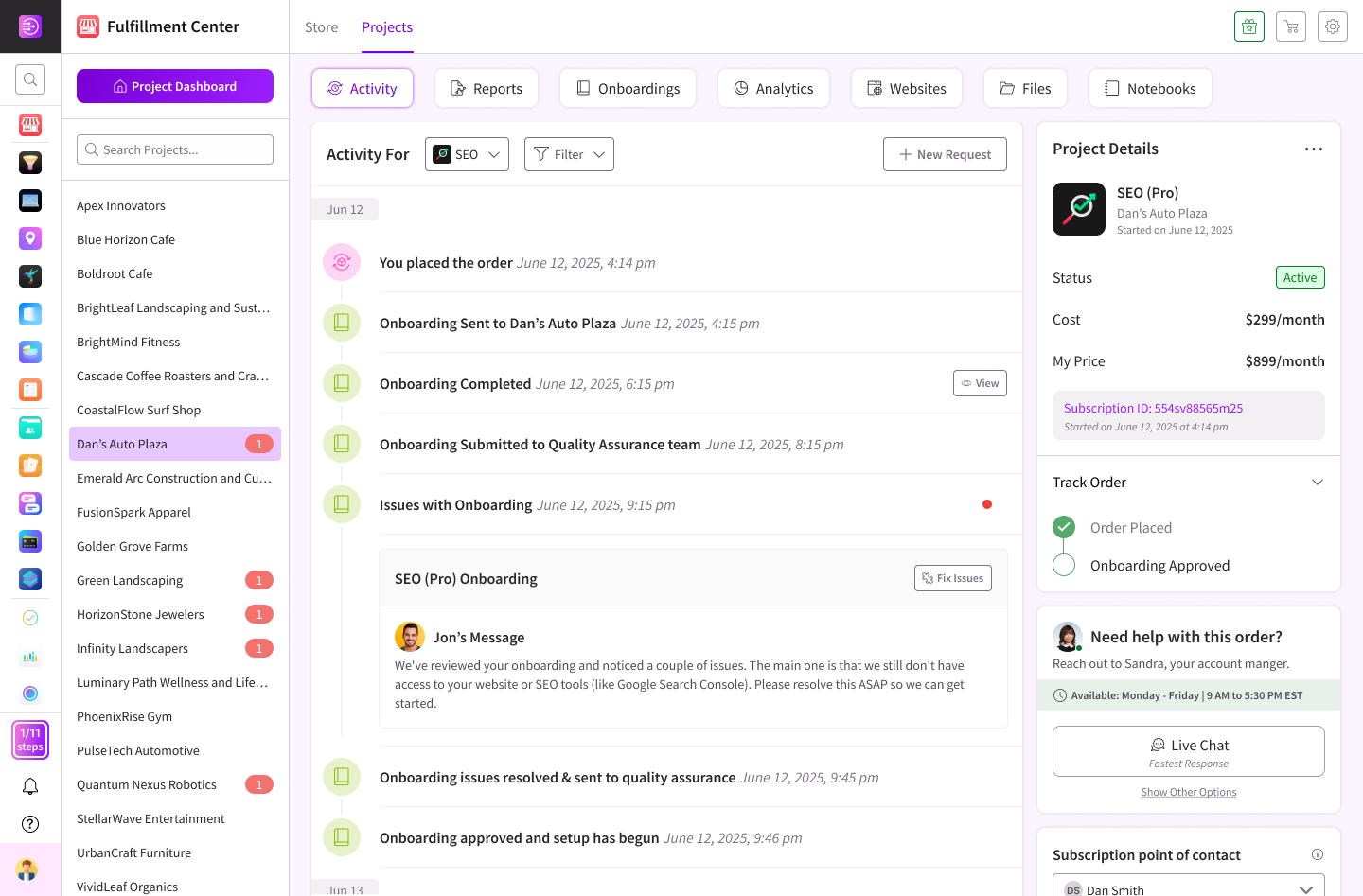
DashClicks also simplifies reporting. White labeled, client-ready reports reduce the time account managers spend on data preparation. This improves communication and enhances the overall client experience.
By combining these features, DashClicks helps agencies move from reactive operations to a more streamlined and scalable model.
Key Takeaways for Agencies
SEO bottlenecks are not strategic issues. They are operational challenges that arise from limited resources and inefficient workflows.
Trying to solve these problems by hiring more staff is not always effective. It increases costs and does not guarantee better efficiency.
White label SEO fulfillment offers a more practical solution:
- Removes execution friction across tasks
- Stabilizes delivery timelines
- Supports scalable growth without increasing overhead
Agencies that build systems for execution tend to outperform those that rely solely on internal bandwidth.
When workflows are optimized, teams can focus on what truly matters: strategy, innovation, and client success.
The result is not just better SEO performance, but a stronger, more sustainable business model.
If your agency is experiencing growth challenges due to operational bottlenecks, it may be time to rethink how work gets done behind the scenes.


.svg)


.svg)
.svg)
.svg)
.svg)
.svg)