

.svg)
.jpg)
.svg)
.svg)
.svg)
.svg)
.svg)
Agencies rarely lose local SEO clients because of a single bad month. More often, client churn is the result of a slow accumulation of missed optimizations, inconsistent execution, and a gradual decline in confidence. By the time a client decides to leave, the damage has usually been building for months.
Effective local SEO requires ongoing attention across multiple disciplines, including:
- Google Business Profile optimization
- Citation management
- Customer review strategy
- Localized content creation
- Technical SEO
- Local ranking monitoring
Each of these areas demands consistent upkeep. Overlooking small but important tasks can quietly reduce a client's visibility, cut organic traffic, and erode the trust that agencies work hard to build.
The numbers make this even clearer. According to Google, 46% of all searches have local intent, meaning nearly half of every query on the platform has a geographic component. And with 42% of users clicking on Google Map Pack results for local searches, Local Pack visibility directly determines how much traffic a client receives. Missing that placement is not a minor inconvenience. It is a measurable loss.
This guide covers the most common local SEO mistakes agencies make, why they happen, and how to prevent them before they start costing you and your clients.
Why Local SEO Is Different From Traditional SEO?
Traditional SEO focuses primarily on informational intent. A user searches for an answer, a guide, or a comparison. Local SEO targets transactional and navigational intent. A user wants a service nearby, right now. That difference in intent changes how Google evaluates and ranks results.
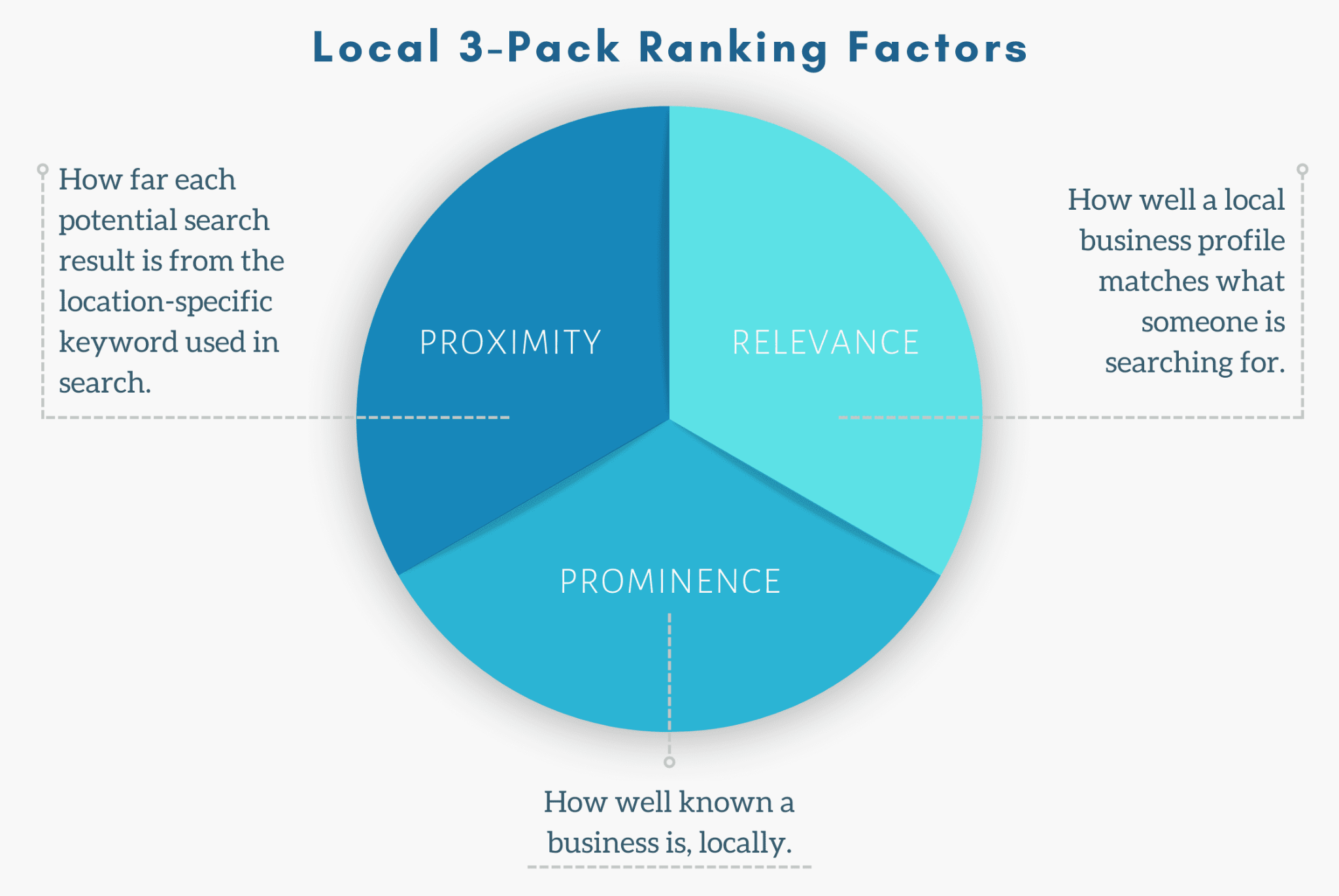
Google's local ranking algorithm considers three primary signals: proximity, relevance, and prominence. Proximity refers to how close the business is to the searcher. Relevance is how well the business listing matches the search query. Prominence reflects how well-known and credible the business is based on citations, reviews, links, and online activity. All three signals must be addressed together.
This is why Google Business Profile, review management, citation consistency, and local authority building are all essential components of effective local optimization. According to Think with Google, searches containing phrases such as "near me" have grown significantly over recent years. These searches signal immediate purchase or visit intent, which is precisely why local businesses expect faster and more visible results than traditional SEO clients.
Local businesses do not measure success in domain authority. They measure it in calls answered and customers through the door. Because local SEO relies on multiple interconnected ranking signals, agencies have more opportunities to make mistakes, and every mistake affects client trust.
15 Local SEO Mistakes That Cost Agencies Clients
Most local SEO failures do not stem from a lack of knowledge. They stem from operational inconsistencies that compound over time. The following mistakes are among the most damaging and the most preventable.
1. Treating Google Business Profile as a One-Time Setup
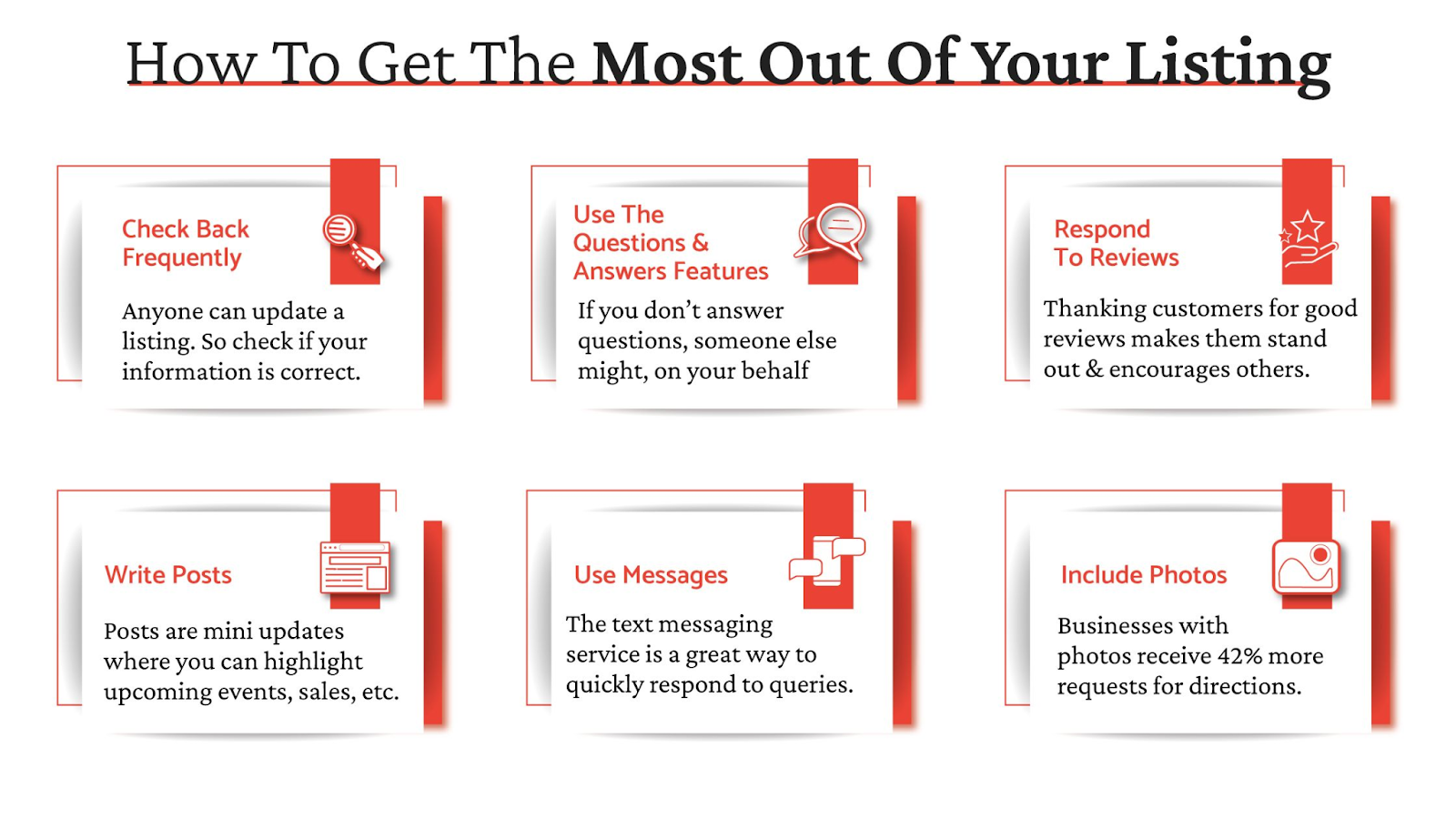
Many agencies complete the initial Google Business Profile setup and move on, assuming the job is done. It is not. Profiles with outdated information, missing service descriptions, incorrect categories, or a lack of recent photos signal neglect to both Google and potential customers.
According to Google, customers are 2.7x more likely to consider a business reputable when its Google Business Profile is complete, and they are 70% more likely to visit it. That is a significant impact for a task that is often skipped.
Avoiding this mistake requires:
- Monthly profile reviews and updates
- Regular publishing of Google Posts with offers, events, or announcements
- Ongoing photo uploads to keep the profile fresh and active
- Accurate service listings and category selections
2. Ignoring NAP Consistency Across Directories
NAP stands for Name, Address, and Phone number. When these details differ across online directories, search engines receive conflicting signals that can suppress local rankings. Duplicate listings compound the problem further.
The solution is straightforward but requires discipline:
- Conduct regular citation audits to identify inconsistencies.
- Centralize listing management to ensure updates apply across all platforms simultaneously.
- Remove or merge duplicate listings before they create trust issues with Google.
Further Reading: The Power of NAP in SEO: Ensuring Consistency for Success
3. Choosing the Wrong Google Business Profile Categories
Category selection is one of the most influential factors in local ranking. Choosing an imprecise primary category, or ignoring secondary categories entirely, means missing relevance signals that competitors are capturing.
Best practices include:
- Researching which categories local competitors use and rank for.
- Selecting the most specific primary category available for the client's core service.
- Adding secondary categories that reflect additional services without overreaching.
- Reviewing categories periodically as Google adds new options.
4. Neglecting Customer Reviews
Review volume and quality directly influence local rankings and consumer behavior. Agencies that set up a client's profile and then leave review management to chance are leaving a major variable uncontrolled.
According to BrightLocal's Local Consumer Review Survey, 97% of consumers read reviews for local businesses, and 54% visit a business's website after reading positive reviews. Ignoring this channel is not a neutral decision.
A strong review strategy includes:
- Automated review request systems triggered after purchases or service completions.
- Prompt, professional responses to both positive and negative reviews.
- Ongoing monitoring to catch and address new reviews quickly.
5. Publishing Generic Location Pages
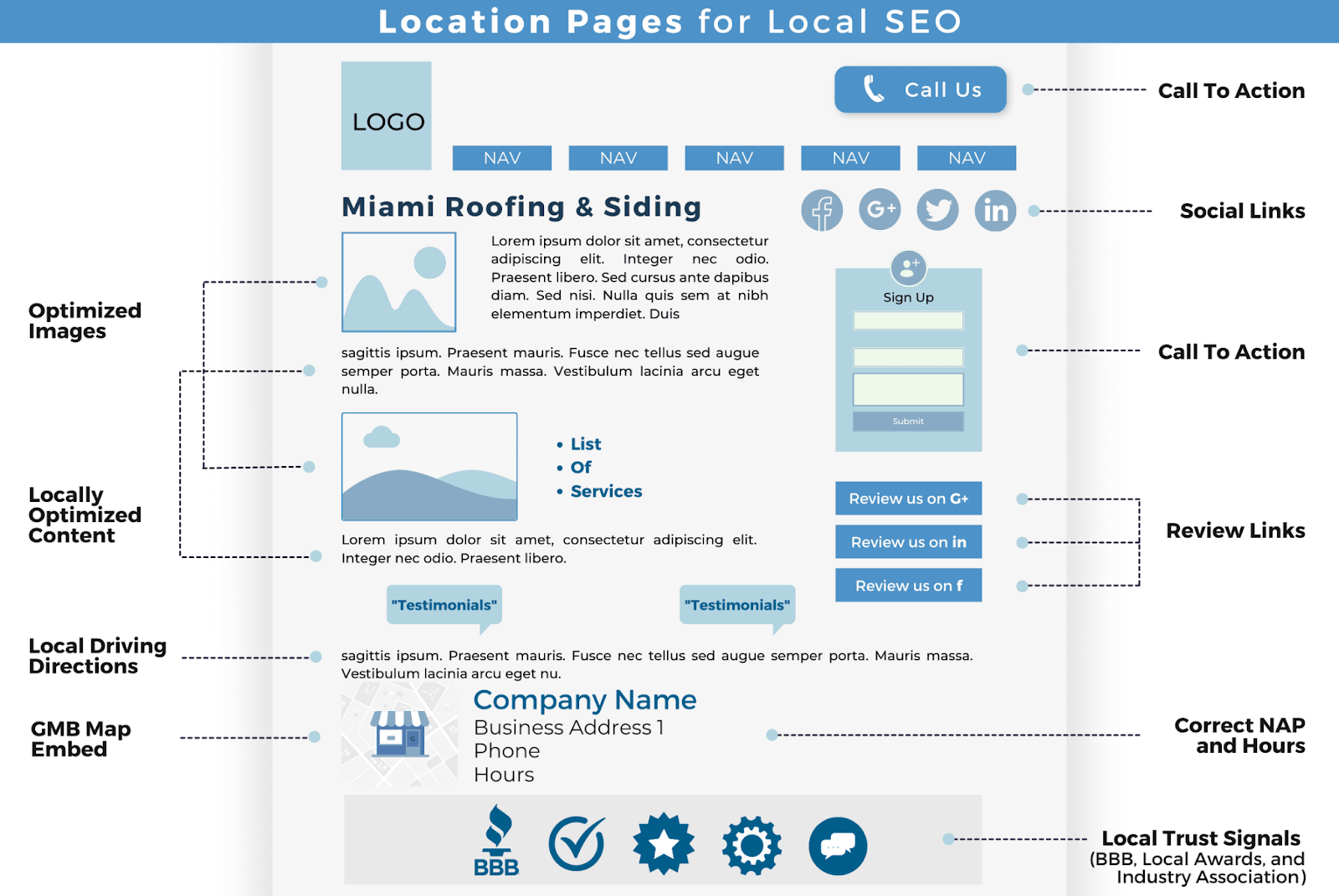
Creating nearly identical pages for different service areas, with only the city name swapped out, does not fool search engines. Thin, duplicated location pages fail to build local relevance and often get filtered out of results entirely.
Location pages that perform well include:
- Unique descriptions of the services offered in each area.
- Area-specific details such as neighborhoods served, local landmarks, or community references.
- Helpful local resources that add genuine value for the reader.
6. Forgetting About Mobile User Experience
Local searches happen predominantly on mobile devices. A website that loads slowly, displays poorly on a small screen, or buries the phone number in an inconvenient location will lose conversions regardless of how well it ranks.
Key mobile considerations include:
- Page load speed below three seconds
- Tap-friendly navigation and button sizing
- Prominent click-to-call functionality
- Clean layouts that prioritize the most critical conversion actions
Mobile experience is not just a technical issue. It directly determines whether a ranking translates into a phone call or a lost lead.
7. Targeting Broad Instead of Local Keywords
Generic keywords like "plumber" or "dentist" are competitive, expensive to rank for, and often misaligned with how local users actually search. Agencies that skip local keyword research miss the terms that drive qualified, location-specific traffic.
A more effective approach:
- Conduct location keyword research that surfaces neighborhood and city-level terms.
- Target service-plus-location combinations such as "emergency plumber in [city]".
- Align keyword strategy with the search intent of users who are ready to convert.
8. Not Monitoring Local Rankings
Standard rank tracking tools often report national averages that have little relevance to how a business appears in a specific city or neighborhood. Local Pack rankings, in particular, vary significantly based on the user's physical location.
Agencies should implement:
- Geo-targeted rank tracking that monitors rankings from specific zip codes or neighborhoods.
- Separate tracking for Local Pack visibility versus organic rankings.
- Monthly ranking reports tied to actual geographic targets.
Without this level of tracking, agencies cannot accurately diagnose problems or demonstrate progress to clients.
9. Overlooking Local Schema Markup
Schema markup helps search engines understand the structured details of a business, but many agencies skip this step entirely. Missing structured data means missed opportunities for enhanced search appearances.
Relevant schema types for local SEO include:
- LocalBusiness Schema to communicate address, hours, and contact details.
- Organization Schema to reinforce brand identity and entity information.
- Review Schema to surface star ratings in search results.
Implementing schema correctly takes time, but the visibility benefits make it worth the investment.
Further Reading: How to Use Schema Markup for Boosting Local SEO
10. Inconsistent Google Business Profile Activity
An active Google Business Profile sends positive engagement signals. Profiles that go weeks or months without updates, new photos, or posted offers tend to lose ground to competitors who stay active.
Signs of a neglected profile include:
- No new photos added in recent months
- No Google Posts published
- No responses to Questions and Answers
- No seasonal offers or announcements
Consistent activity does not require hours of work each month. Routine updates signal to Google that the business is current, engaged, and relevant to local searchers.
11. Ignoring Competitor Activity
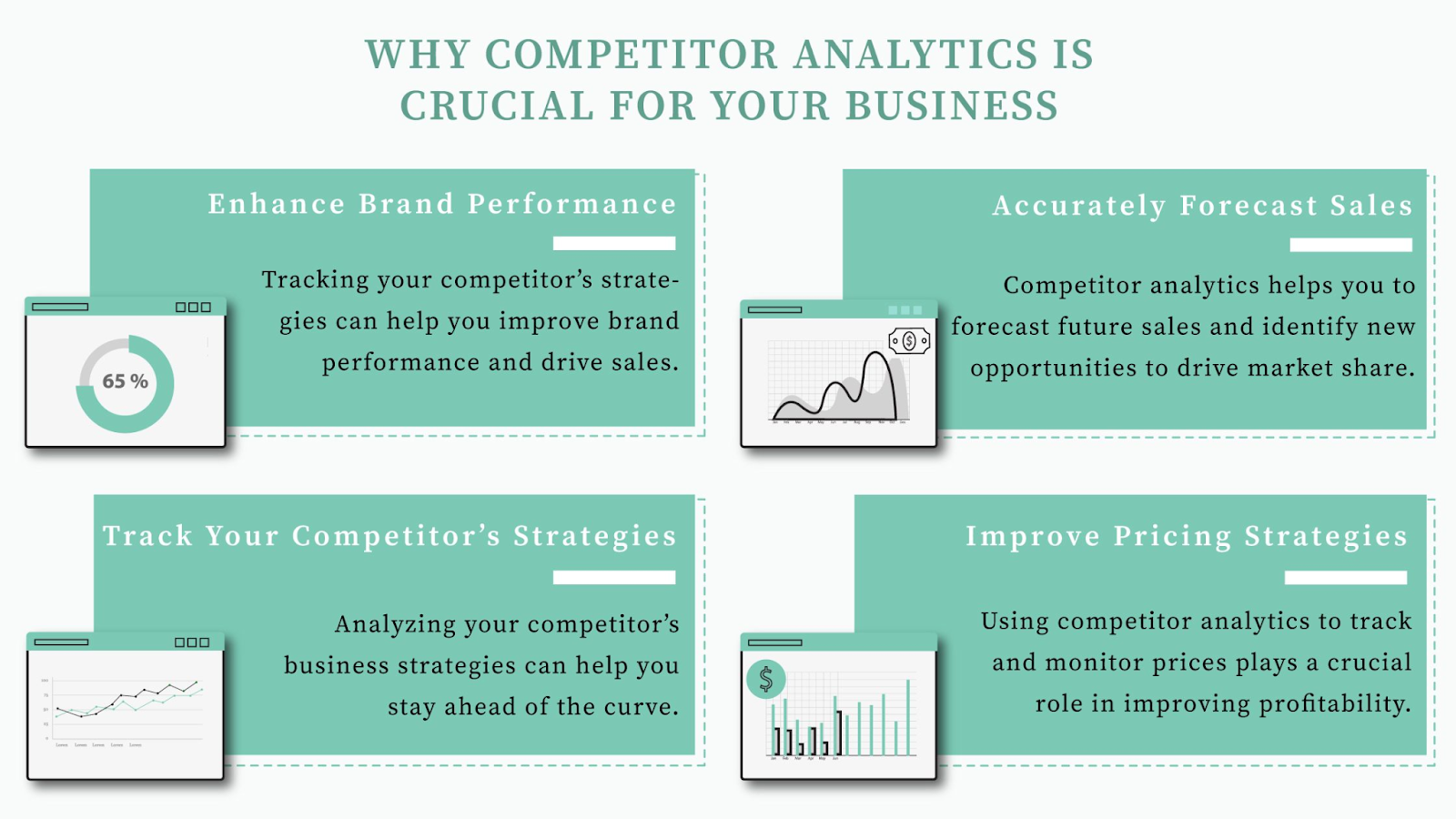
Local SEO does not exist in a vacuum. Competitors are continuously adjusting their strategies, adding reviews, publishing content, and updating their profiles. Agencies that do not monitor competitor activity cannot respond to shifts in the local landscape.
Competitor research should cover:
- Google Business Profile categories and attributes competitors use
- Review volume and response patterns
- Local content topics and publishing frequency
- Seasonal promotions and offers.
Identifying gaps and opportunities in competitor strategy allows agencies to create advantages for their clients rather than simply reacting to declining rankings.
12. Letting Citations Become Outdated
Business information changes. Phone numbers update, locations move, and service areas shift. When citations across the web reflect old information, potential customers get frustrated, and search engines get confused.
According to a BrightLocal study, 62% of consumers would avoid a business after finding incorrect information online. Outdated citations do not just affect rankings. They cost clients real business.
Preventing this requires:
- Scheduled citation audits, particularly following any business changes.
- Ongoing citation monitoring across major and niche directories.
- Proactive cleanup of inaccurate or duplicate listings.
13. Failing to Align Website Content With Google Business Profile
When a client's website describes different services, uses different business names, or lists different contact details than their Google Business Profile, it creates conflicting signals. Search engines rely on consistency to validate local relevance.
Common misalignments include:
- Service descriptions that do not match what is listed on the profile.
- Missing local landing pages for services featured on the profile.
- Inconsistent business names or phone numbers across web properties.
Consistent messaging across all digital touchpoints reinforces the local SEO signals Google uses to assess trust and relevance.
14. Measuring Rankings Instead of Business Outcomes
Rankings are a useful indicator, but they are not a business goal. Agencies that report only on keyword positions without connecting those metrics to actual client outcomes miss the bigger picture and put client relationships at risk.
A more complete measurement framework tracks:
- Phone calls generated through the Google Business Profile and website
- Direction requests from the Local Pack listing
- Website visits attributed to local search
- Lead form completions and customer inquiries
Presenting these metrics demonstrates tangible value and builds the kind of trust that keeps clients renewing.
15. Treating Local SEO as a One-Time Project
Local SEO is not a campaign with a defined end date. Competitors grow more aggressive, algorithms shift, customer behavior evolves, and Google Business Profile signals change constantly. Agencies that treat local SEO as a setup task rather than an ongoing service will consistently fall short.
Continuous optimization means monitoring changes across:
- Competitor activity and ranking shifts
- Review volume and sentiment
- Algorithm updates that affect local results
- Citation accuracy
- Profile signals and engagement patterns
Many agencies begin struggling at this stage, not because they lack expertise, but because maintaining consistent optimization across dozens of client accounts becomes increasingly difficult.
How White Label Local SEO Services Help Agencies Avoid These Mistakes?
Knowing what the mistakes are is only part of the challenge. Executing consistently across a growing client roster is where most agencies run into operational limits.
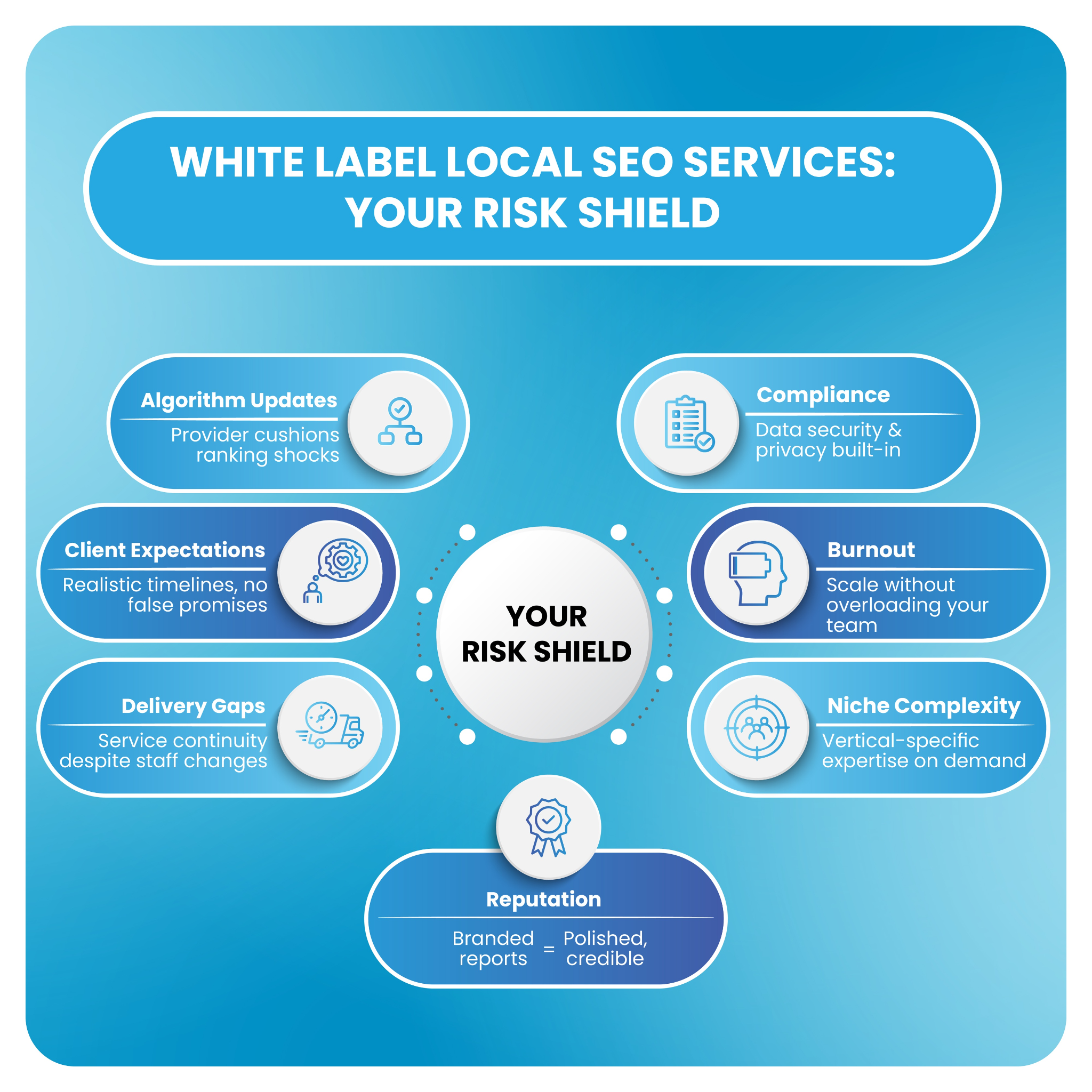
White label local SEO services provide the structured, repeatable workflows that make consistency possible. Rather than relying on improvised processes that vary from client to client, white label fulfillment introduces a standardized approach that reduces errors and improves outcomes at scale.
A well-structured white label local SEO partnership typically includes:
- Ongoing Google Business Profile optimization and updates.
- Citation management and cleanup across major and niche directories.
- Review monitoring and response support.
- Local keyword research tailored to each client's service area and industry.
- On-page local SEO improvements, including schema markup and location page optimization.
- Local content recommendations aligned with search intent.
- Monthly performance reporting with clear, client-ready metrics.
- Regular audits to catch and correct emerging issues.
- Dedicated fulfillment specialists who manage execution with accountability.
- Quality assurance processes that catch errors before they reach the client.
A white label local SEO agency functions as an operational extension of your team. Your agency retains full ownership of the client relationship and all communications. The white label partner handles the fulfillment behind the scenes, ensuring that every client account receives consistent, high-quality work regardless of your team's internal capacity.
This model is particularly valuable for agencies looking to scale. Adding new clients should not require proportional increases in internal headcount. A reliable white label partner absorbs the operational load while your agency focuses on strategy, client communication, and business growth.
How DashClicks Helps Agencies Deliver Consistent Local SEO Results?
DashClicks is built to serve as a scalable operational partner for agencies that need reliable, white label local SEO fulfillment across multiple client accounts.
- Google Business Profile Management: The platform provides ongoing Google Business Profile optimization, including regular updates, photo management, Google Posts, and profile audits. Consistent profile maintenance ensures clients maintain visibility and engagement without requiring your team to manage every detail manually.
- Citation Cleanup and Monitoring: The fulfillment team handles citation audits, inconsistency corrections, duplicate listing removal, and ongoing monitoring. Keeping NAP data accurate across directories protects client rankings and prevents the consumer trust issues that incorrect information creates.
- Local SEO Audits and On-Page Optimization: The team conducts structured local SEO audits that identify technical issues, content gaps, and on-page optimization opportunities. From schema markup to location page improvements, the fulfillment process covers the details that directly affect local search performance.
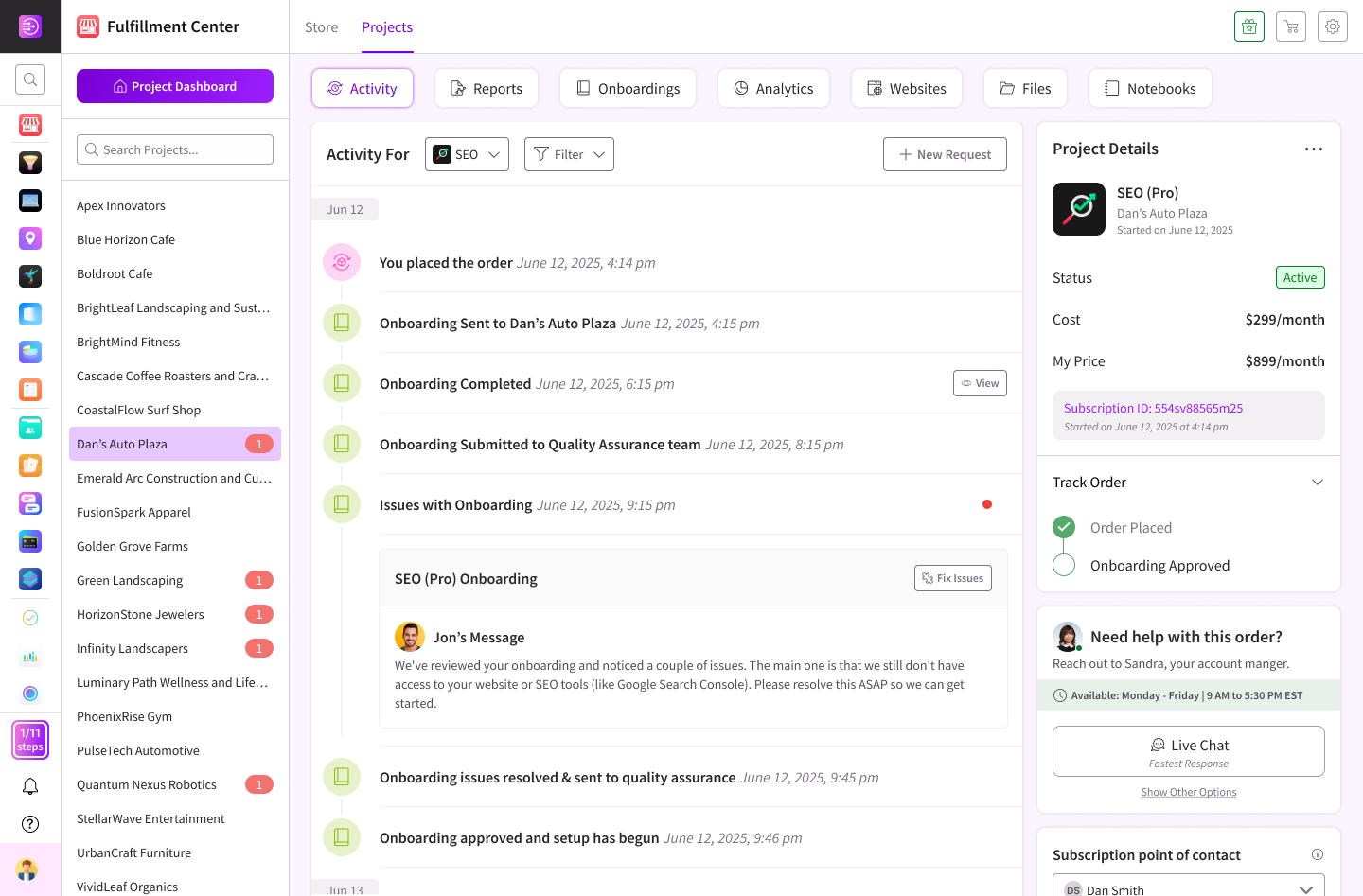
- White Label Reporting and Dedicated Fulfillment Specialists: Every client account receives branded monthly reports that communicate performance clearly and professionally. DashClicks also assigns dedicated fulfillment specialists to each account, providing consistency, accountability, and a quality assurance process that scales alongside your agency. Whether you are managing 10 client accounts or 100, the workflow remains structured, reliable, and built for growth.
Build the Local SEO Systems That Keep Clients Around
Agencies rarely lose clients because of one isolated mistake. They lose clients because small gaps in execution accumulate until the results and the trust are no longer there.
Consistency is what separates agencies that retain clients from those that are constantly replacing them. Repeatable local SEO systems, built around proven processes and ongoing attention, are what make long-term results possible.
Agencies that partner with providers offering white label local SEO services are better positioned to deliver that consistency at scale. They can take on more clients without compromising quality, demonstrate measurable business outcomes rather than just rankings, and build the kind of client relationships that do not need to be constantly renegotiated.
The agencies that will win in local SEO are the ones that stop treating it as a reactive service and start treating it as an operational discipline. Prioritizing consistency now is what makes sustainable growth possible later.


.svg)


.svg)
.svg)
.svg)
.svg)
.svg)