

.svg)

.svg)
.svg)
.svg)
.svg)
.svg)
Search engine algorithms have evolved significantly over the past few years. Engagement metrics are becoming stronger quality signals than raw traffic volume. Many marketing agencies successfully drive thousands of visitors to client websites but fail to turn that initial attention into meaningful interaction. Traffic alone cannot sustain a business if those visitors leave immediately. Modern SEO success depends heavily on user experience, content relevance, and behavioral engagement.
Improving these metrics requires continuous optimization across technical performance, site architecture, and content strategy. This is where a white label SEO agency becomes essential. Partnering with external experts offers a scalability solution and a performance optimization system rather than a simple outsourcing arrangement. Agencies can tap into specialized knowledge to fix underlying issues that cause users to abandon a site.
Before improving engagement metrics, agencies first need clarity on which metrics actually matter and why they underperform.
The Engagement Metrics That Actually Impact SEO and Revenue
Not all engagement metrics matter equally. Some data points look impressive on a reporting dashboard but provide little value to the actual business bottom line. You must focus only on metrics tied directly to rankings, conversions, and client retention. Understanding these core indicators allows agencies to pinpoint exactly where users lose interest. It provides a clear roadmap for optimization.
Tracking the right data prevents wasted effort. Agencies often spend hours tweaking elements that do not move the needle. When you understand the behavioral signals that search engines reward, you can structure your campaigns to align with those goals. The best white label SEO services prioritize these specific metrics because they represent actual human satisfaction. When users are satisfied, search engines take notice. This directly translates into better visibility and stronger client results over time.
Let us look at the specific metrics that matter most.
1. Bounce Rate (or Engagement Rate in GA4)
Bounce rate measures the percentage of visitors who leave a website after viewing only one page. In Google Analytics 4, this is evaluated through the engagement rate. A high bounce rate signals to search engines that the page did not meet the user's expectations. This often stems from poor intent alignment. If a user clicks a link expecting a tutorial but finds a sales page, they will leave immediately.
User experience friction also drives visitors away. A confusing layout, intrusive pop-ups, or hard-to-read text will frustrate users. Slow loading times are a massive contributor to high bounce rates. Users expect instant gratification. 53% of mobile users abandon pages that take longer than 3 seconds to load.
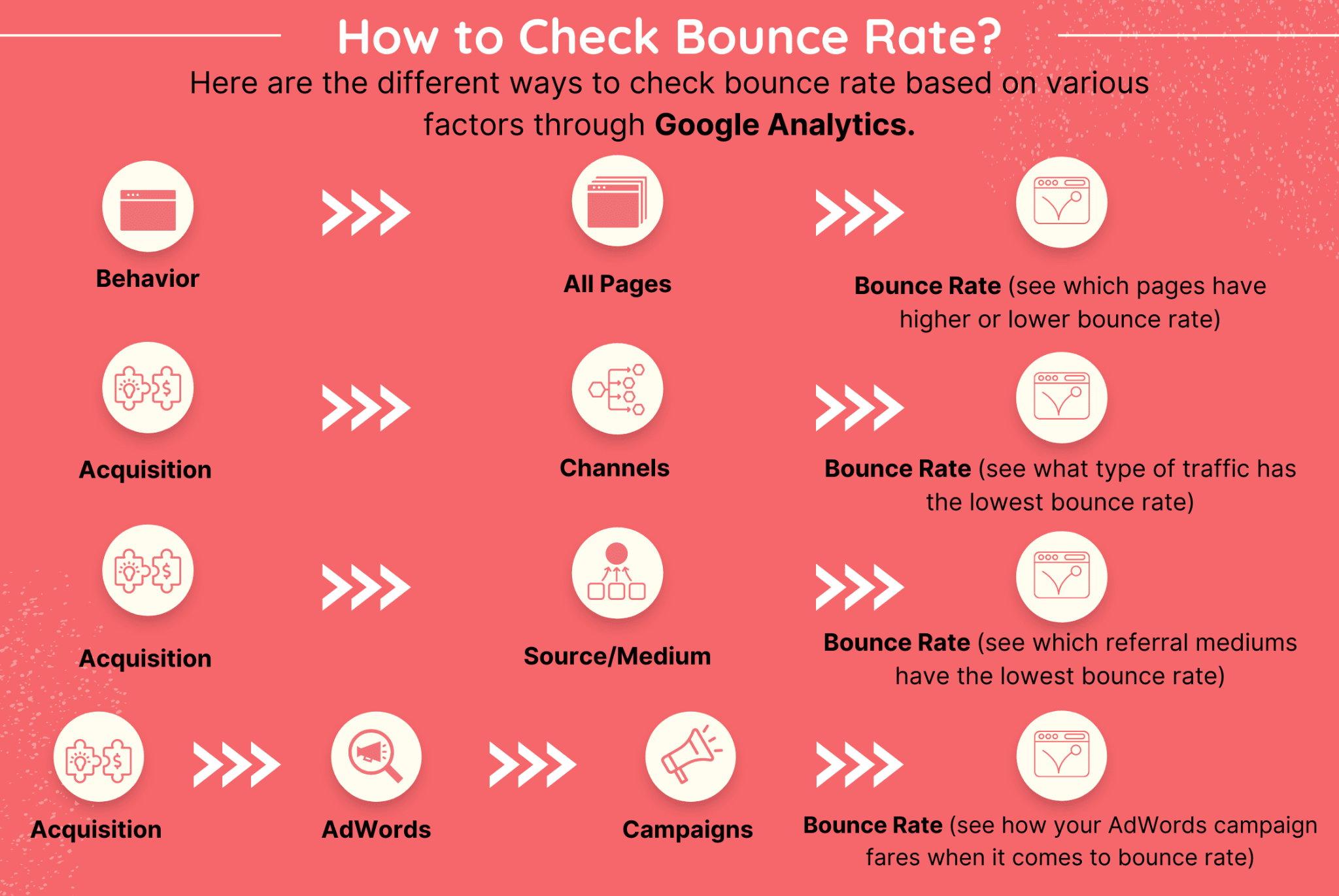
Google indirectly values reduced pogo-sticking behavior. Pogo-sticking happens when a user clicks a search result, quickly leaves, and clicks another result. This tells the search engine that the first page was not helpful. Agencies must ensure that the above-the-fold content provides immediate clarity. Visitors need to know they are in the right place the second the page renders.
2. Average Time on Page / Dwell Time
Dwell time is the amount of time a user spends on a page before returning to the search results. There is a strong relationship between dwell time and content quality. If a visitor stays on a page for several minutes, they are actively reading and absorbing the information. This sends a powerful intent satisfaction signal to the search engine.
Readability and structure heavily affect user retention. Massive blocks of text intimidate readers. Proper use of headings, short paragraphs, and bullet points makes the content accessible. Increasing dwell time is strongly associated with higher rankings in competitive SERPs.
Long-form structured content improves engagement because it thoroughly answers the user's questions. When a page provides comprehensive details, the user has no reason to return to the search results to find more information. They stay, read, and engage. Agencies must focus on depth and clarity to keep users on the page longer. This improves the overall performance of the campaign and builds trust with the reader.
3. Pages Per Session
Pages per session indicates how many individual pages a user visits during a single session on a website. Higher pages per session usually reflect stronger content relationships and navigation clarity. If a user reads a blog post and then clicks a link to a related service page, the website has successfully guided their journey.
A strong internal linking strategy is critical for improving this metric. Agencies should use topic clusters to group related content together. This naturally encourages users to explore multiple pages. A well-designed user journey architecture anticipates what the user will want to see next and provides an easy path to get there.
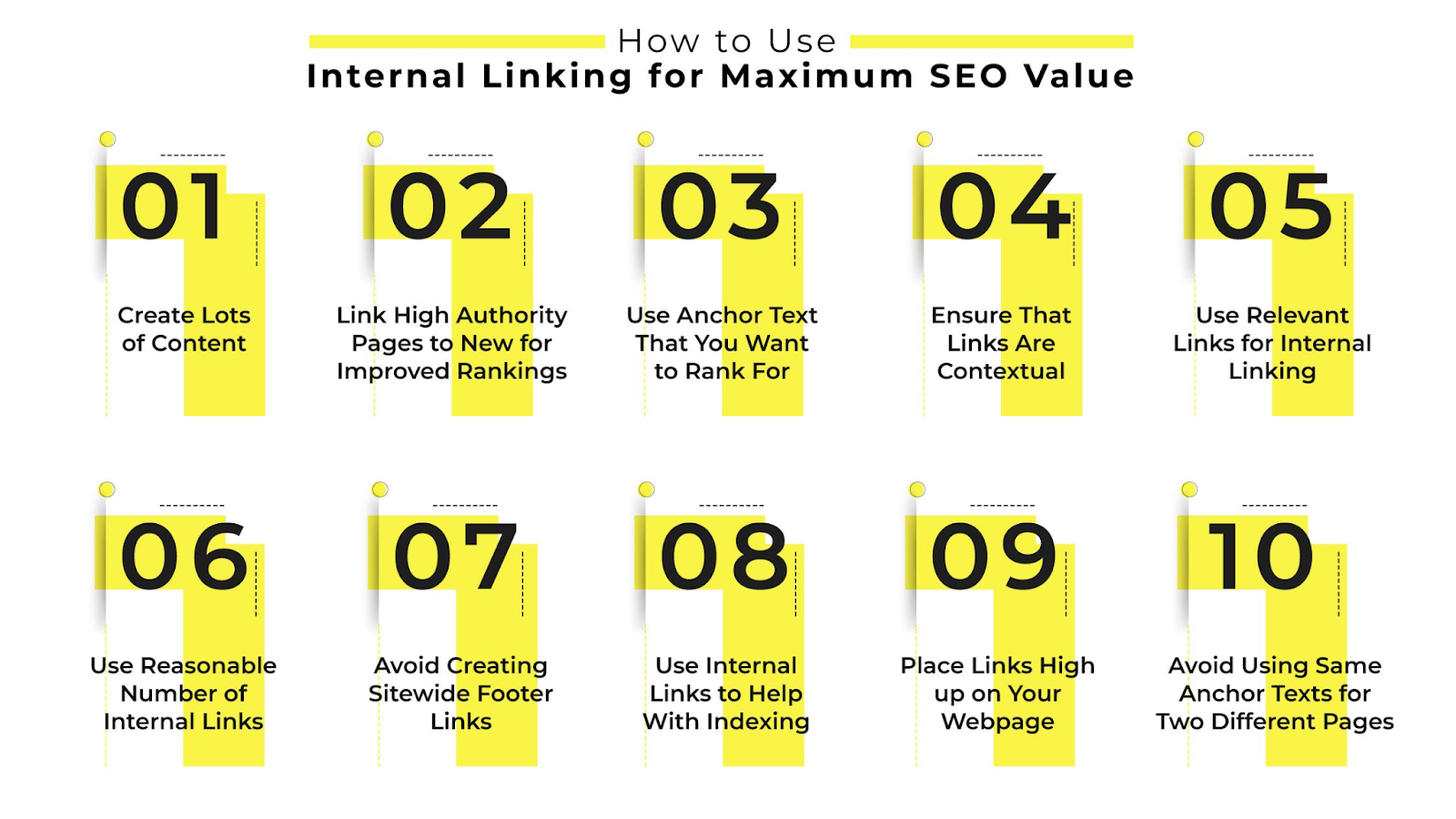
Content ecosystem design ensures that no page exists in isolation. Every piece of content should connect to a broader topic. When a site features a logical flow, users spend more time exploring. This decreases bounce rates and increases the likelihood of a conversion. It also helps search engine crawlers understand the structure and hierarchy of the website, which further boosts organic visibility.
4. Scroll Depth and Interaction Signals
Scroll depth measures how far down a page a user scrolls before leaving. This metric reveals whether people are actually consuming the content or just reading the headline. If most users drop off after the first paragraph, the introduction might be weak or the layout might be broken.
Agencies must also monitor click interactions. Are users clicking on images, expanding accordions, or interacting with interactive elements? Video engagement is another powerful signal. Tracking how much of an embedded video a user watches provides deep insights into their interest level.
Call-to-action interaction shows whether the page successfully motivates the user to take the next step. Micro-engagements are behavioral indicators of relevance and user satisfaction. They show that the user is actively participating in the experience. Optimizing for these micro-engagements keeps the user engaged and moves them closer to a final conversion. It requires careful placement of visual elements and compelling copy throughout the entire page.
5. Conversion-Linked Engagement
Traffic means very little if it does not lead to conversion activity. Conversion-linked engagement tracks actions that directly impact the business. This includes form fills, newsletter signups, phone calls, and product purchases. It also covers assisted conversions, where a piece of content helps a user make a decision later in their journey.
Technical performance plays a massive role in conversion rates. If a checkout page is slow, the user will abandon their cart. Websites loading within 1 second have approximately 3x higher conversion rates than slower sites.
Agencies must ensure that engagement leads to meaningful business outcomes. High traffic volume is useless if the site cannot convert visitors into customers. This requires a seamless technical foundation and persuasive messaging.
Knowing which metrics matter is only the first step. Most agencies still struggle to improve them consistently.
Why Do Agencies Fail to Improve Engagement Metrics?
Many agencies understand the importance of engagement conceptually but fail to execute strategies that improve it. They fall back on outdated methods that prioritize search engine bots over human beings. The landscape has shifted, but agency processes have not always kept up.
There are several common pitfalls that prevent agencies from delivering high-engagement websites. These issues range from a lack of resources to a fundamental misunderstanding of user intent. Identifying these failures is the first step toward correcting them. Once an agency recognizes its shortcomings, it can adopt better systems or seek external help.
Let us examine the specific reasons why agencies struggle to improve engagement metrics for their clients.
1. Traffic-First, Experience-Second Approach
Many agencies prioritize rankings and traffic volume above all else. They measure success by how many keywords rank on the first page and how many clicks the site receives. The post-click experience gets completely ignored. They assume that if they bring the traffic, the website will naturally do the rest of the work.
This approach has severe consequences. It leads to high bounce rates because the traffic is often unqualified or the landing page is poorly designed. It results in low conversion engagement because the user journey is broken. Finally, it causes weak client retention. Clients will eventually notice that their traffic has doubled but their sales have not changed.
Agencies must realize that traffic is only the beginning of the user journey. The experience the user has after they click the link determines the success of the campaign. Focusing solely on acquisition is a flawed strategy that ultimately hurts the client's business.
2. Lack of Content-Intent Alignment
Ranking for keywords without matching user expectations is a massive problem. Agencies often target high-volume keywords without considering what the user actually wants to achieve. If a user searches for informational content and lands on a hard-sell product page, they will leave immediately.
Thin and generic content exacerbates this issue. Users leave when search intent is not satisfied. If a page only provides surface-level information that the user already knows, they will hit the back button to find a more detailed resource.
Agencies must spend time analyzing the search engine results pages to understand the true intent behind a keyword.
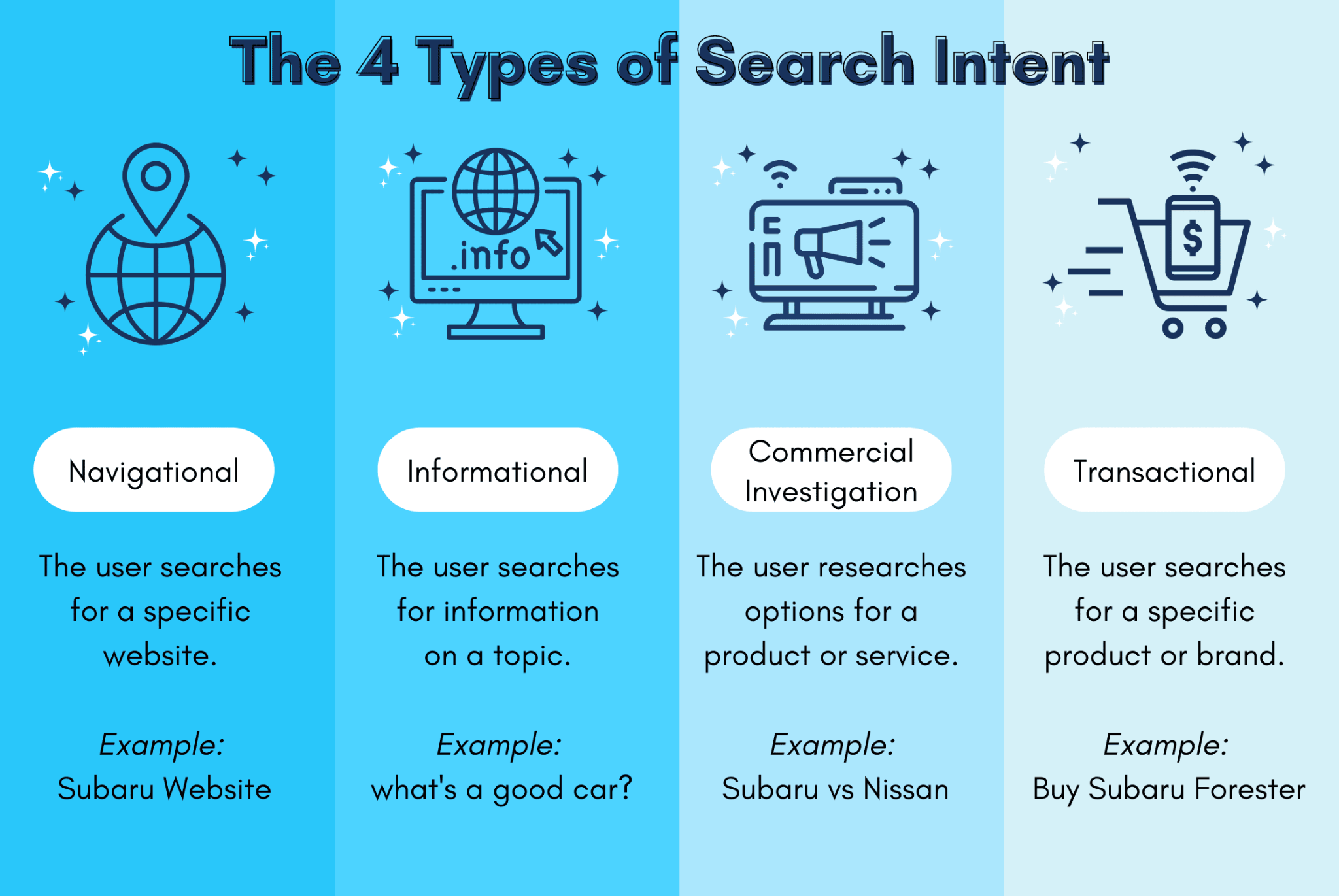
They must craft content that specifically answers the user's questions and solves their problems. Content-intent alignment is non-negotiable for improving engagement. If the content does not match the intent, all other optimization efforts will fail.
3. Poor UX and Technical Foundations
Technical SEO and UX directly influence engagement signals. An agency can write the best content in the world, but if the page takes ten seconds to load, no one will read it. Slow pages are a primary driver of high bounce rates.
Weak mobile optimization is another major failure point. The majority of web traffic comes from mobile devices. If a site features tiny text, unclickable buttons, or a cluttered layout on a smartphone, the user will leave. Broken user journeys also destroy engagement. Dead links, missing images, and confusing navigation menus frustrate visitors and drive them away.
Agencies must prioritize technical excellence. A fast, mobile-friendly, and intuitively designed website is the foundation of good engagement. Without this foundation, marketing campaigns will consistently underperform.
4. No Structured Testing or Iteration
Agencies rarely test headlines, layouts, or calls to action. They launch a page and leave it alone for months. Decisions are often assumption-driven instead of data-driven. A designer might choose a button color because it looks nice, not because data proves it converts better.
The impact of this approach is that optimization stagnates over time. The digital landscape changes constantly. User preferences evolve. A page that converted well last year might perform poorly today.
Agencies need to implement structured testing protocols. A/B testing different headlines, adjusting the placement of forms, and analyzing heatmaps are crucial steps. Continuous iteration ensures that the website adapts to user behavior. Without testing, an agency is simply guessing.
5. Resource Constraints and Skill Gaps
Improving engagement requires a diverse set of skills. Agencies often face limited in-house SEO expertise, CRO capability, and UX optimization skill. A small team of generalists cannot master every aspect of digital marketing.
It is incredibly difficult to scale these improvements across multiple clients. An agency might have the resources to optimize one major client's website, but they lack the bandwidth to do it for fifty clients simultaneously. Internal bottlenecks slow down execution and compromise quality.
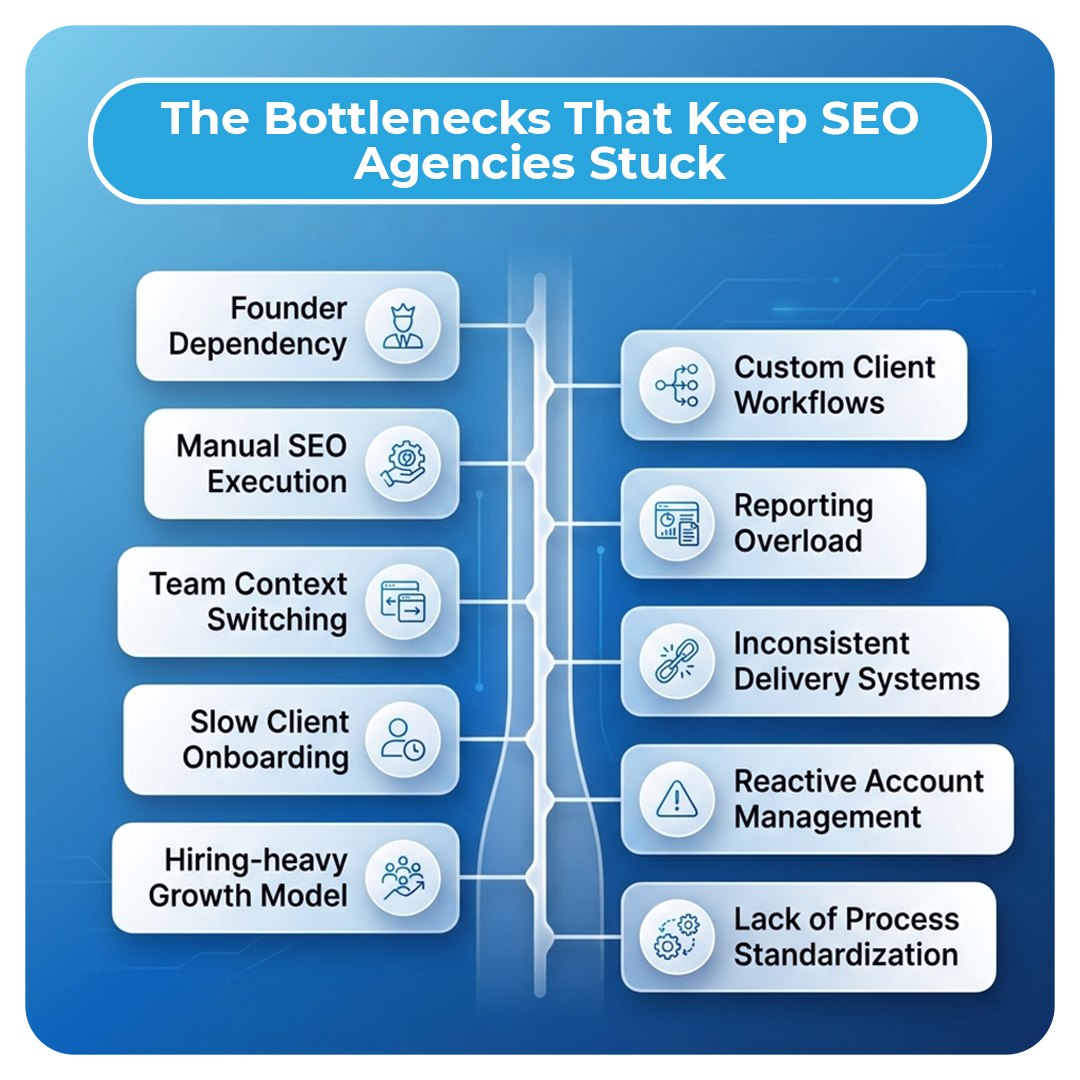
This is where white label SEO changes the equation, not just as support, but as a scalable performance engine.
How White Label SEO Improves Engagement Metrics at Scale?
White label SEO management provides agencies with the specialized skills and bandwidth they need to optimize engagement across their entire client portfolio. It allows an agency to expand its capabilities without hiring and training a massive internal team. This partnership model is built for scale and performance.
A reputable white label partner approaches SEO holistically. They do not just build links and tweak meta tags. They look at the entire user journey, from the initial search query to the final conversion. By addressing intent, content quality, and technical performance, they systematically improve the metrics that matter most. Here is how they achieve these results at scale.
1. Reducing Bounce Rate Through Intent and Experience Alignment
A white label team tackles bounce rates by rewriting above-the-fold messaging. The first few seconds are critical. The messaging must immediately confirm that the user is in the right place. Search intent alignment ensures that the content delivers exactly what the search query promised.
UX simplification and navigation clarity remove friction. If a user can easily find what they need, they are less likely to leave. This process also includes Core Web Vitals improvements, speed optimization, and mobile responsiveness. Industry benchmarks suggest that speed and relevance improvements alone can reduce bounce rates by 20–40%.
Users stay when expectations are met quickly. A fast, relevant page builds immediate trust. White label experts have the technical resources to audit site speed, compress heavy assets, and refine mobile layouts. They handle the complex backend work that internal agency teams often lack the time to execute.
2. Increasing Time on Site with High-Value Content
Comprehensive content reduces pogo-sticking and improves dwell time. White label partners employ professional writers who understand how to craft long-form structured content. They go beyond surface-level articles to create authoritative resources.
Scannability is a major focus. White label teams format content with descriptive headers, bulleted lists, and bold text. This allows users to quickly find the specific information they need. Storytelling techniques are used to make the content engaging and relatable.
Semantic SEO ensures the content covers related subtopics, providing a complete answer to the user's query. When a page is highly informative and easy to read, visitors spend significantly more time engaging with it. This signals to search engines that the page is a high-quality result, which helps secure long-term rankings.
3. Boosting Pages Per Session via Content Ecosystems
Contextual internal linking guides users naturally from one page to the next. White label SEO providers build topic clusters and pillar page models to structure a client's website logically.
Instead of isolated blog posts, they create interconnected content ecosystems. Strong internal linking strategies can increase pages per session by 30%+.
Users continue navigating when content relationships are clear. If an article about roof repair links to a specific page about roof repair costs, the user is highly likely to click. White label teams map out these user journeys in advance. They ensure that every piece of content includes strategic links to deeper resources or relevant service pages. This organized architecture keeps visitors engaged and moving through the conversion funnel.
4. UX Enhancements That Drive Micro-Engagement
Micro-engagements often influence conversion behavior. White label teams focus heavily on mobile-first optimization. They ensure that buttons are easy to tap and forms are simple to complete on smaller screens.
Visual hierarchy guides the user's eye to the most important elements on the page. Call to action clarity is essential. A button that says "Get a Free Quote" performs much better than a generic "Submit" button.
Readability improvements, such as increasing font size and adjusting contrast, make the content easier to consume. These small UX enhancements encourage users to scroll further, click more links, and interact with the page. White label experts have the design and technical skills to implement these changes efficiently across dozens of client sites.
5. Data-Driven Performance Tracking and Iteration
Positioning optimization as an ongoing system is vital for long-term success. White label agencies utilize GA4 engagement metrics to understand how users interact with a site. They use scroll tracking, heatmaps, and behavior flow analysis to pinpoint exactly where users lose interest.
This data fuels continuous testing of headlines, layouts, and CTAs. A white label team does not rely on guesswork. They use concrete data to make informed decisions. If a heatmap shows that users ignore a specific section of a page, the team will redesign or remove it.
This iterative process guarantees that the website improves over time. It adapts to changing user behaviors and ensures that engagement metrics continue to climb. Agencies benefit from this high-level analysis without needing to invest in expensive tracking software or specialized training.
6. The Scalability Advantage of White Label SEO
White label SEO allows agencies to scale their operations effortlessly. Parallel optimization across clients becomes possible. An agency can launch comprehensive SEO campaigns for ten new clients in a single week without missing a beat.
This model provides faster implementation. Experienced white label teams have established workflows and proven processes. There are no internal hiring bottlenecks. The agency does not have to spend months recruiting, interviewing, and training new employees.
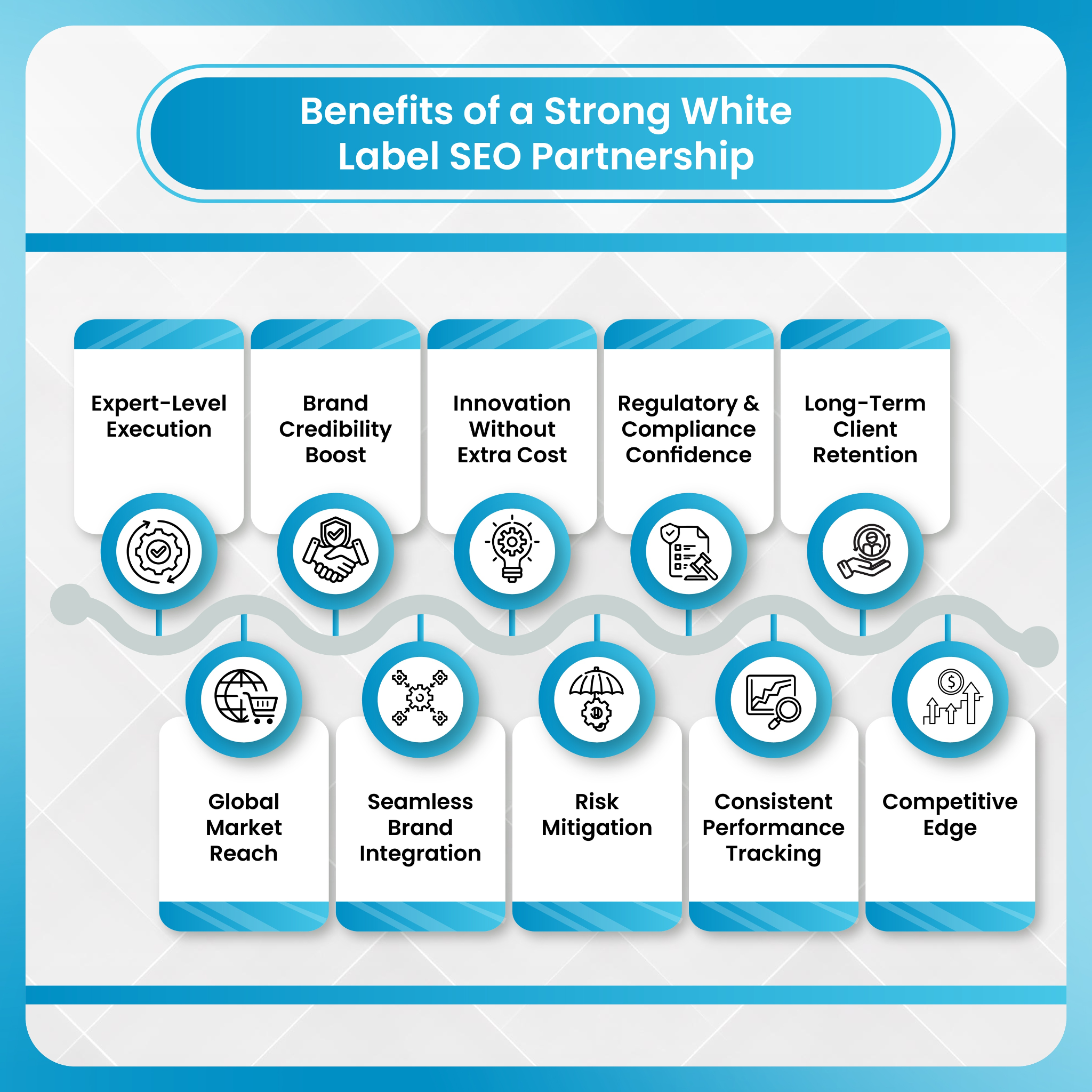
White label teams provide high-level SEO expertise, UX capability, and content optimization at scale. They act as an invisible extension of the agency's internal team. This allows the agency to focus on client communication and business development while the white label partner handles the complex execution.
7. Impact on Client Retention and Agency Growth
Better engagement leads to better conversions, stronger ROI, and better client retention. When a client sees their phone ringing and their inbox filling with leads, they will remain loyal to the agency.
Reporting becomes tied to business outcomes instead of vanity metrics. Agencies can confidently present reports that show increases in form fills, longer dwell times, and lower bounce rates. This proves the true value of the marketing campaign.
When engagement optimization is executed correctly, agencies shift from traffic providers to growth partners. They become indispensable to their clients' success. This reputation for delivering actual results fuels agency growth through referrals and long-term contracts.
How DashClicks’ White Label SEO Services Support Engagement Optimization?
Partnering with a reliable platform simplifies the complex process of engagement optimization. DashClicks provides marketing agencies with premium white label SEO services and powerful software to scale faster. They function as a dedicated backend team, allowing agencies to focus on client relationships and sales.
DashClicks handles comprehensive white label SEO management. This includes deep technical SEO support to ensure fast load times and proper site architecture. Their team focuses heavily on content optimization, ensuring that every page aligns with user intent and features a strong visual hierarchy. By improving these fundamental elements, they help agencies systematically reduce bounce rates and increase time on page for their clients.
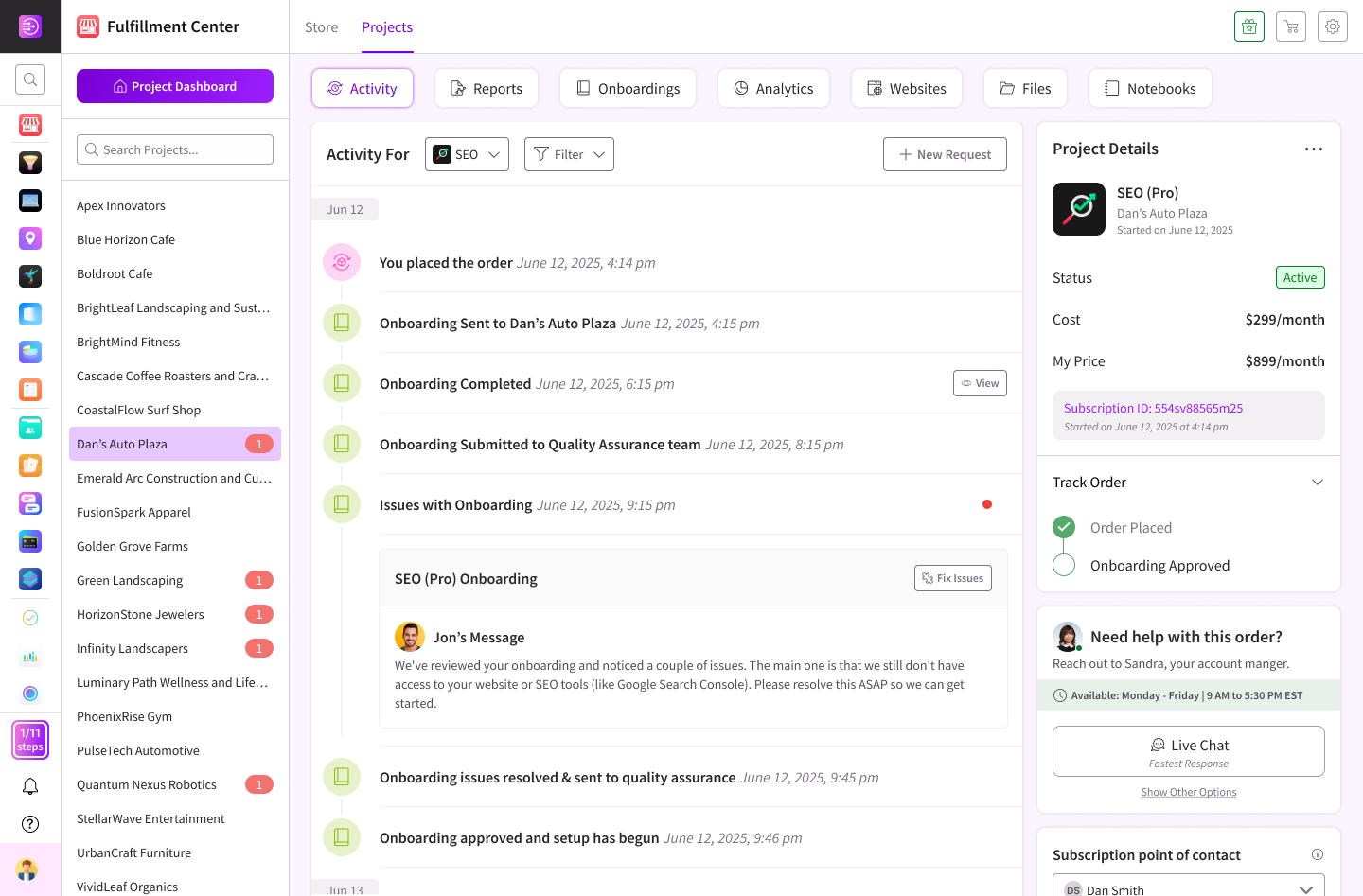
The platform also provides transparent reporting dashboards. Agencies can easily track engagement metrics and showcase clear performance improvements to their clients. DashClicks utilizes scalable fulfillment systems, meaning an agency can onboard multiple new accounts without experiencing operational delays.
Furthermore, their UX and performance optimization capabilities ensure that websites are fast, mobile-friendly, and designed for conversion. The platform acts as a structured execution layer that helps agencies improve engagement metrics consistently across multiple client accounts.
Conclusion
Engagement metrics are becoming the real SEO competitive advantage. Search engines now possess advanced capabilities to measure how human beings interact with digital content. Rankings alone are no longer enough to guarantee business success. If an agency only focuses on driving traffic without considering the user experience, they will ultimately fail to deliver meaningful return on investment. Agencies ignoring engagement risk stagnation and client churn.
White label SEO enables better execution, scalable optimization, and measurable engagement improvements. By partnering with dedicated experts, agencies can provide enterprise-level technical SEO, UX design, and content strategy to all their clients. This eliminates internal bottlenecks and ensures that every campaign is built on data-driven insights.
Agencies combining SEO, UX, and data-driven engagement optimization will outperform agencies focused only on rankings and traffic. Elevating the user experience is the only sustainable path forward in modern search marketing.


.svg)


.svg)
.svg)
.svg)
.svg)
.svg)