

.svg)

.svg)
.svg)
.svg)
.svg)
.svg)
Algorithm updates are a constant reality in search engine optimization. Google alone rolls out hundreds of updates every year, ranging from small refinements to broad core updates that can noticeably shift rankings across entire industries. For agencies, these changes are unavoidable. For clients, they can be unsettling.
A sudden dip in rankings or organic traffic often triggers concern, even when the long-term strategy is sound. Studies show that nearly one-third of agencies have experienced client trust issues following unexpected performance drops during algorithm updates. When clients do not fully understand how SEO works, it is easy for them to associate volatility with poor execution rather than normal search behavior.
This is where confidence becomes critical. SEO is a long-term investment, but algorithm changes can make results feel fragile. Clients want reassurance that their agency understands what is happening, has a plan, and can adapt quickly. Without that assurance, even strong relationships can weaken.
White label SEO plays a powerful role in bridging this gap. By partnering with specialized SEO teams that operate behind an agency’s brand, agencies gain access to deep expertise, scalable resources, and consistent execution. This support allows agencies to stay calm, proactive, and transparent during algorithm updates.
Instead of reacting defensively to ranking changes, agencies can explain shifts clearly, adjust strategies confidently, and show clients that their SEO efforts are in capable hands. In the sections that follow, we will explore why algorithm updates shake client confidence, where traditional agency models struggle, and how white label SEO turns periods of uncertainty into opportunities to build trust and improve retention.
Why Algorithm Updates Shake Client Confidence?
A. The Challenge of Algorithm Updates
Algorithm updates are introduced to improve how search engines evaluate and rank content. Most updates aim to reward better user experience, accurate information, faster websites, and stronger technical structures. Over time, these changes make search results more useful for users. However, the period immediately following an update can feel unstable, especially for businesses that rely heavily on organic traffic.
1. Unpredictable Ranking Fluctuations
Even websites that follow SEO best practices can see sudden ranking shifts when an update rolls out. Pages that rank consistently for months may drop a few positions or lose visibility while search engines reassess signals such as content quality, relevance, or engagement. In many cases, these fluctuations settle over time. From an agency standpoint, this volatility is part of the SEO lifecycle. From a client’s viewpoint, it often feels unexpected and concerning.
Industry surveys indicate that roughly 31 percent of SEO professionals believe algorithm updates directly reduce client trust. When performance changes without prior warning, clients may assume something went wrong behind the scenes. The reality is that algorithm updates can temporarily disrupt even healthy campaigns, but without context, agency credibility is often questioned.
2. Client Panic and Misunderstanding
Most clients focus on outcomes, not processes. They monitor traffic numbers, lead volume, and keyword rankings, but they rarely understand how search engines evaluate websites or why changes happen. When organic traffic drops, even slightly, it can trigger anxiety.
This reaction is understandable. Organic search is often a major source of revenue, and any dip can feel like a direct threat to business stability. Because algorithm updates are largely outside an agency’s control, clients may struggle to separate external changes from agency performance.
Common client reactions during these periods include:
- Questioning whether the SEO strategy is still effective.
- Asking for immediate fixes or performance guarantees.
- Pressuring agencies to deliver results faster.
- Cutting budgets or pausing campaigns due to uncertainty.
Without calm, clear explanations, these concerns can escalate quickly. Algorithm updates intensify this challenge because the cause of the change is external, while the impact is felt internally. If agencies cannot confidently explain what is happening and what steps are being taken, client trust begins to erode.
3. In-House Limitations
Many agencies depend on small in-house SEO teams that manage multiple accounts and responsibilities at once. During major algorithm updates, this structure can become a bottleneck. Updates often require deeper analysis, faster decision-making, and specialized expertise, all under tight time pressure.
Common limitations include:
- Limited time to review performance data and diagnose issues.
- Gaps in advanced technical SEO or large-scale content optimization.
- Difficulty in monitoring and adjusting strategies across many clients simultaneously.

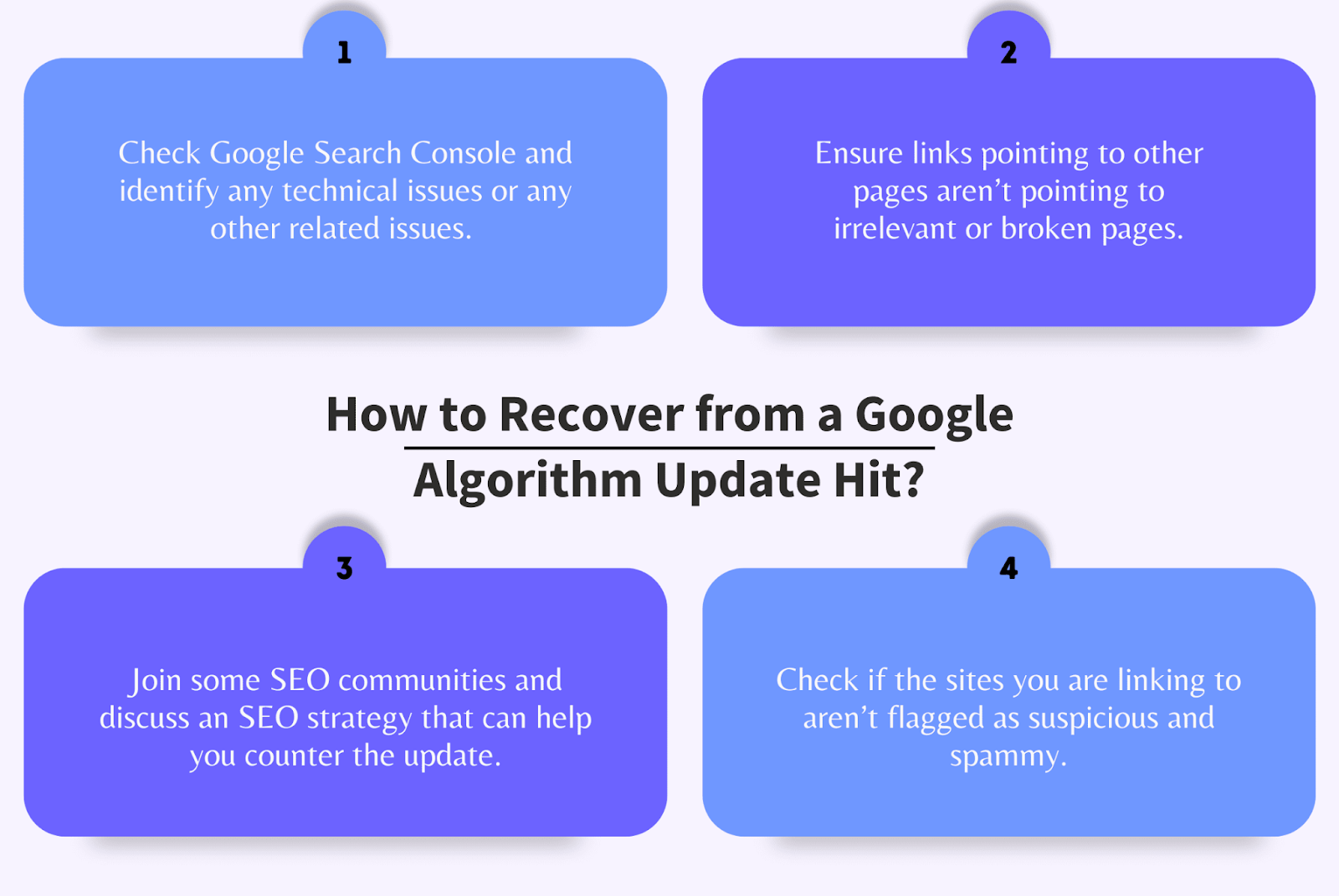
Image Source: Search Engine Journal
Agencies that offer SEO alongside PPC, social media, web design, and other services are especially vulnerable. When updates occur, teams are pulled in multiple directions. Strategic responsiveness slows down, and clients may notice delays in communication or action, which further weakens confidence.
B. Direct Impacts on Client Confidence
Algorithm updates affect more than rankings. They influence how clients perceive reliability, competence, and long-term stability.
- Retention Risks: Industry data shows that average SEO client retention typically falls between 11 and 14 months when strategies lack consistency and transparency. Performance volatility caused by algorithm changes can shorten this window even further if clients feel unsure about the agency’s ability to adapt.
- Communication Strain: Clients expect timely updates, clear explanations, and a sense of direction. When agencies are overwhelmed internally, communication often becomes reactive rather than proactive. This shift creates uncertainty and makes clients feel disconnected from the process.
- Training and Resource Pressure: Search algorithms evolve constantly, and staying current requires ongoing education. Training internal teams on new ranking factors, technical changes, and content standards takes time. During urgent update periods, this is often unrealistic, leading to slower responses and visible uncertainty.
Together, these factors explain why algorithm updates can shake client confidence so quickly. Without the right systems, expertise, and communication in place, even short-term volatility can feel like a long-term risk to clients.
C. Why Traditional Agency Models Struggle?
Traditional agency models often face three key issues during algorithm updates:
- A conflict between maintaining quality and managing workload.
- Skill gaps in advanced technical SEO or large-scale content optimization.
- Reporting limitations that make it hard to reassure clients with data.
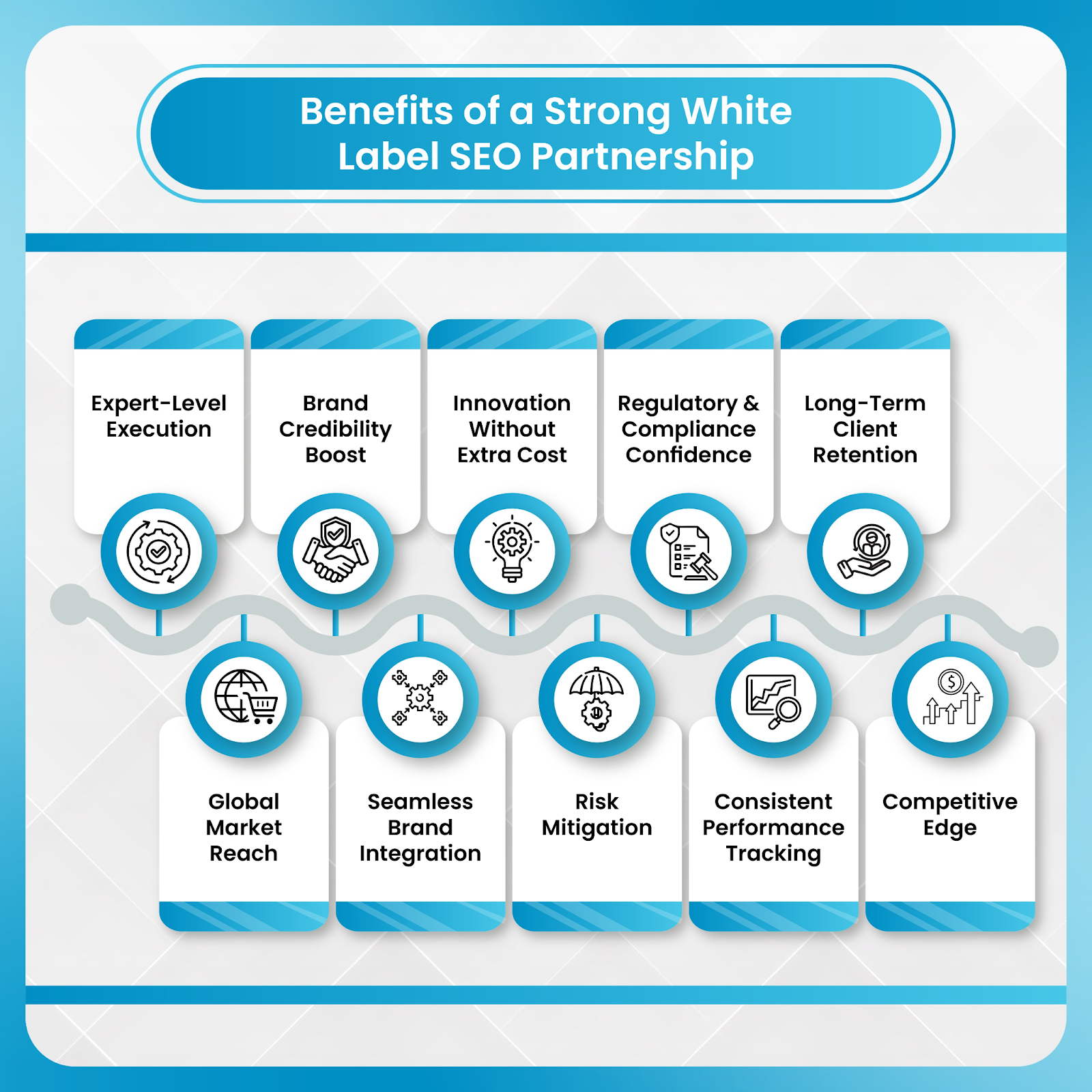
These limitations set the stage for a better solution. White label SEO addresses these challenges directly.
How White Label SEO Improves Client Confidence?
1. Consistent Expert Quality and Performance
White label SEO partners focus exclusively on search optimization. Their teams spend every day tracking algorithm changes, testing strategies across multiple industries, and refining techniques based on real-world data. Because SEO is their core service, they are able to react quickly when search engines adjust ranking signals.
This constant focus allows white label teams to stay ahead of major trends, including:
- Core algorithm updates that affect broad ranking factors.
- Helpful content changes that reward depth and relevance.
- Spam and link policy updates that target low-quality practices.
- User experience and page experience signals are tied to site performance.
This level of specialization leads to steadier results over time. Agencies that work with a dedicated white label SEO services providers often report fewer client complaints related to penalties, ranking drops, or sudden performance shifts compared to agencies relying only on in-house resources.
While clients may never see the technical adjustments happening behind the scenes, they notice the outcomes that matter most. These include faster resolution of site issues, more consistent rankings across update cycles, and clear explanations when changes occur. Together, these factors build trust and reinforce the perception that the agency is in control, even during uncertain periods.
2. Scalability Without Quality Compromise
Algorithm updates tend to increase workload. A single update may require content revisions, technical audits, link profile reviews, or site-wide performance improvements. For most agencies, scaling internal teams quickly to meet these demands is expensive and time-consuming.
White label SEO removes this pressure by offering flexible, on-demand resourcing. Agencies can scale efforts up or down without the delays associated with hiring, onboarding, or retraining staff.
Key benefits of this approach include:
- No waiting period to add capacity during high-demand periods.
- Immediate access to specialists with proven experience.
- The ability to support multiple clients at once without cutting corners.
Because white label teams already operate at scale, there is no learning curve when algorithm updates roll out. Work continues smoothly, service levels remain consistent, and clients experience stability rather than disruption. This continuity plays a major role in preserving confidence.
3. Enhanced Transparency and Communication
Clear communication is one of the strongest confidence builders during algorithm updates. White label SEO providers typically supply detailed, branded reports that agencies can share directly with clients under their own name.
These reports often highlight:
- Organic traffic trends before, during, and after updates.
- Ranking changes with clear context and explanations.
- Technical and on-page improvements completed.
- Action plans focused on recovery, optimization, or growth.
With this level of visibility, agencies can guide conversations instead of reacting defensively to concerns. Clients feel informed, supported, and included in the process, which reduces anxiety during periods of volatility.
Quarterly SEO planning adds another layer of reassurance. Clear roadmaps that explain what is being optimized, when it will happen, and why it matters help clients see SEO as a structured, ongoing process. This understanding reduces panic and sets realistic expectations when short-term fluctuations occur.
4. Integrated and Proactive Strategy Adjustments
Strong white label SEO partners take a proactive approach to algorithm changes. Rather than waiting for rankings to drop, they continuously monitor signals and adjust strategies to align with evolving search priorities.
Proactive tactics often include:
- Strengthening E-E-A-T signals through high-quality content updates.
- Enhancing schema markup to improve search visibility and clarity.
- Refreshing older content to maintain relevance and accuracy.
- Improving internal linking and overall site structure.
Competitor monitoring further supports client confidence. When agencies can show how competitors are impacted by the same update, clients gain valuable context. They understand that changes are part of a broader shift, not an isolated failure.
Advanced white label teams also rely on historical performance data and SEO trend analysis to anticipate potential changes. Predictive adjustments help reduce the risk of severe drops and position the agency as a forward-thinking partner rather than a reactive service provider.
5. Stronger Retention Through Perceived Stability
During uncertain times, clients value stability more than quick promises. Agencies that use white label SEO are often viewed as more dependable because they can maintain consistency under pressure and respond with confidence.
This perception leads to measurable benefits, including:
- Higher client retention rates.
- Longer contract commitments.
- Greater willingness to invest in expanded services.
When SEO is integrated with PPC, content development, and user experience improvements through a coordinated white label approach, clients feel supported across channels. This integrated support creates a sense of security and makes switching providers less appealing during periods of algorithm turbulence.
In the end, white label SEO does more than improve rankings. It strengthens relationships by helping agencies remain calm, capable, and confident when search engines change the rules.
DashClicks White Label SEO: Boosting Client Confidence During Algorithm Updates
DashClicks plays a direct role in helping agencies maintain trust and stability when algorithm updates occur. Their white label SEO services are designed to support agencies without disrupting brand identity or client relationships.
DashClicks helps agencies by offering proactive monitoring that tracks algorithm changes and flags potential risks early. This allows strategies to be adjusted before performance issues escalate.
Their teams deliver consistent SEO execution across technical optimization, on-page improvements, content strategy, and ongoing maintenance. This consistency reassures clients that their campaigns are being managed with care and expertise.
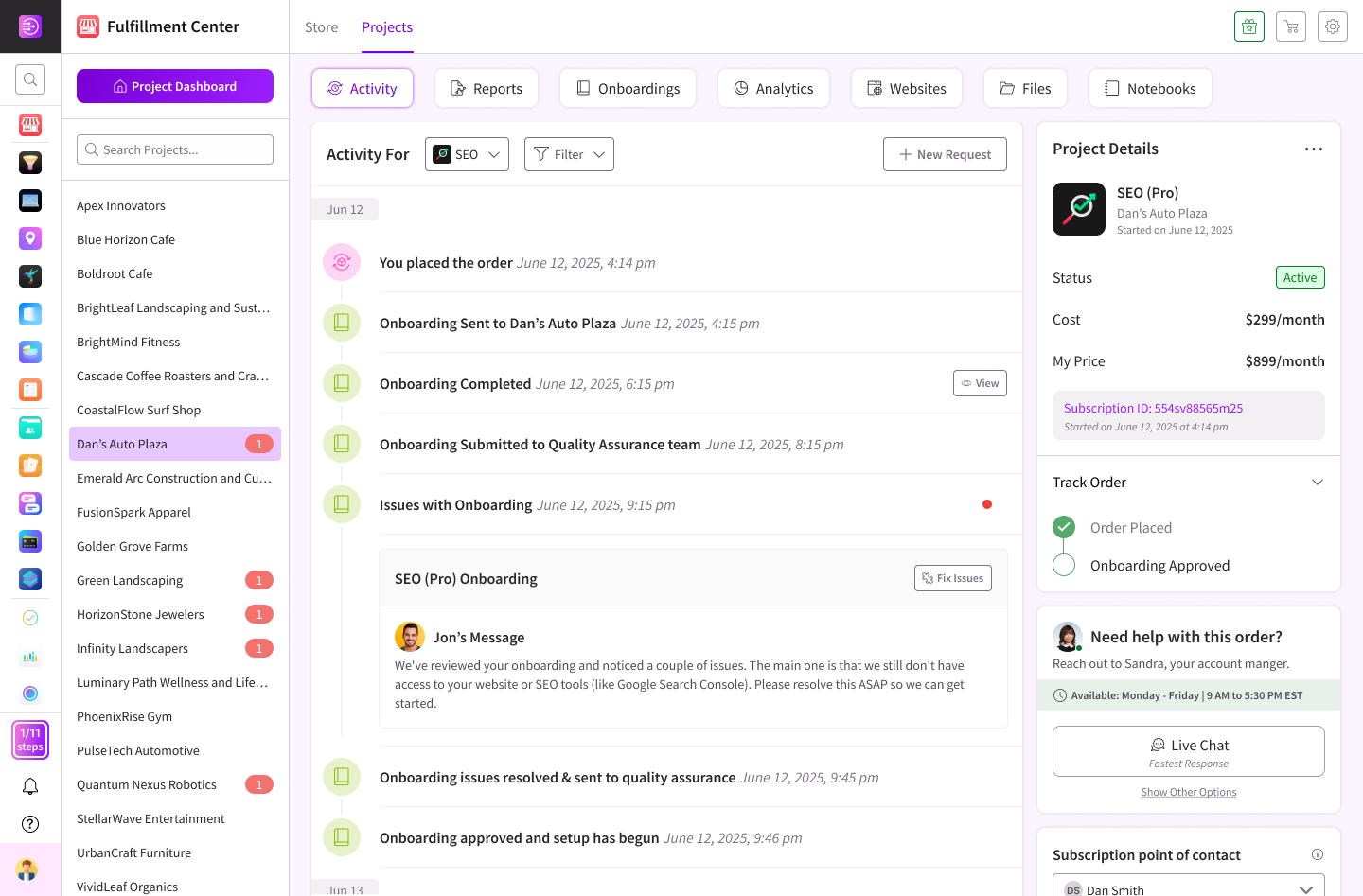
Transparent, rebrandable reporting is another key strength. Agencies can present clear dashboards that show traffic trends, ranking movements, and completed optimizations. This visibility makes it easier to explain fluctuations and demonstrate progress during volatile periods.
Scalable support ensures agencies can respond quickly to increased demands. Whether it is a site audit, content update, or technical fix, resources are available without the delays of hiring or retraining.
Finally, DashClicks supports agencies with strategic roadmaps that align SEO efforts with evolving ranking factors. These plans help clients see the bigger picture, reinforcing confidence even when short-term changes occur.
The result is a more stable client experience. Agencies retain accounts, strengthen trust, and position themselves as long-term partners rather than reactive service providers.
Conclusion
Algorithm updates are not going away. Search engines will continue to evolve, and rankings will continue to shift. Agencies that rely solely on internal resources often struggle to keep pace, leading to reactive strategies, inconsistent communication, and frustrated clients.
White label SEO offers a practical and strategic solution. It provides access to expert execution, scalable resources, proactive optimization, and transparent reporting. More importantly, it helps agencies communicate with confidence during uncertain times.
When clients understand what is happening and trust that their SEO is being handled by specialists, temporary volatility feels manageable rather than alarming. This trust translates into stronger relationships, better retention, and sustainable growth.
For agencies looking to turn algorithm updates from a source of stress into an opportunity for reassurance, white label SEO is not just a service add-on. It is a long-term investment in stability and client confidence.


.svg)


.svg)
.svg)
.svg)
.svg)
.svg)