

.svg)
.svg)
.svg)
.svg)
.svg)
.svg)
White label PPC has become a core growth lever for modern digital agencies. At its simplest, white label PPC means outsourcing paid media execution to a specialized provider while presenting the service under your own agency brand. Your clients see your logo, your reports, and your strategy, while experienced PPC professionals handle the day-to-day campaign work behind the scenes.
This model has gained momentum as agencies expand beyond SEO, web design, and social media into performance-driven advertising. Paid media now plays a central role in how clients judge marketing success. Industry research consistently shows that agencies offering PPC services generate higher revenue per client, with some reports indicating gains of around 30% to 35% compared to agencies without paid media capabilities.
Client confidence sits at the center of this shift. Paid media performance is tied directly to budget decisions, ROI expectations, and retention. When campaigns perform well and results are clearly explained, trust grows. When performance fluctuates or reporting feels vague, confidence drops fast.
White label PPC helps agencies solve this problem by strengthening three critical pillars of trust:
- Consistent campaign performance
- Transparent, easy-to-understand reporting
- Expert optimization that adapts to platform changes
Before exploring how white label PPC delivers on these pillars, it helps to understand why paid media often becomes a confidence risk for agencies and their clients.
Paid Media Challenges That Undermine Client Confidence
1. Inconsistent Performance From In-House or Under-Resourced PPC Teams
Many agencies handle PPC with small teams or generalists who manage multiple marketing channels at once. This setup can work in the early stages, especially with a limited number of accounts. However, as campaigns grow in size and complexity, performance often becomes inconsistent.
Common challenges include:
- Rising cost per click with no clear explanation for clients
- Conversion rates that fluctuate from month to month
- Campaigns running for long periods without structured testing or an updated strategy
Paid media platforms have grown more competitive every year. Average CPCs across Google Ads and Meta continue to rise due to increased advertiser demand and automation-driven bidding systems. Without deep platform expertise and regular optimization, it becomes harder to control costs and maintain steady results.
While clients may not understand the technical reasons behind these changes, they clearly feel the impact on performance. When results become unpredictable, confidence in the agency naturally starts to decline.
2. Lack of Transparent Reporting and Accountability
Reporting is one of the biggest confidence gaps in paid media management. Clients want clarity around how their budget is being spent and what outcomes it is producing.
A widely referenced 2023 industry survey found that over 60% of clients consider transparent reporting the most important factor in deciding whether to continue working with an agency. When reporting lacks clarity, trust weakens quickly.
Typical reporting issues include:
- Generic monthly reports that offer little insight
- Metrics presented without a clear business context
- Limited visibility into budget allocation or optimization decisions
When clients cannot clearly connect ad spend to meaningful outcomes, even campaigns with acceptable performance can feel uncertain. Transparency is not just about sharing numbers. It is about explaining what those numbers mean and how they support business goals.
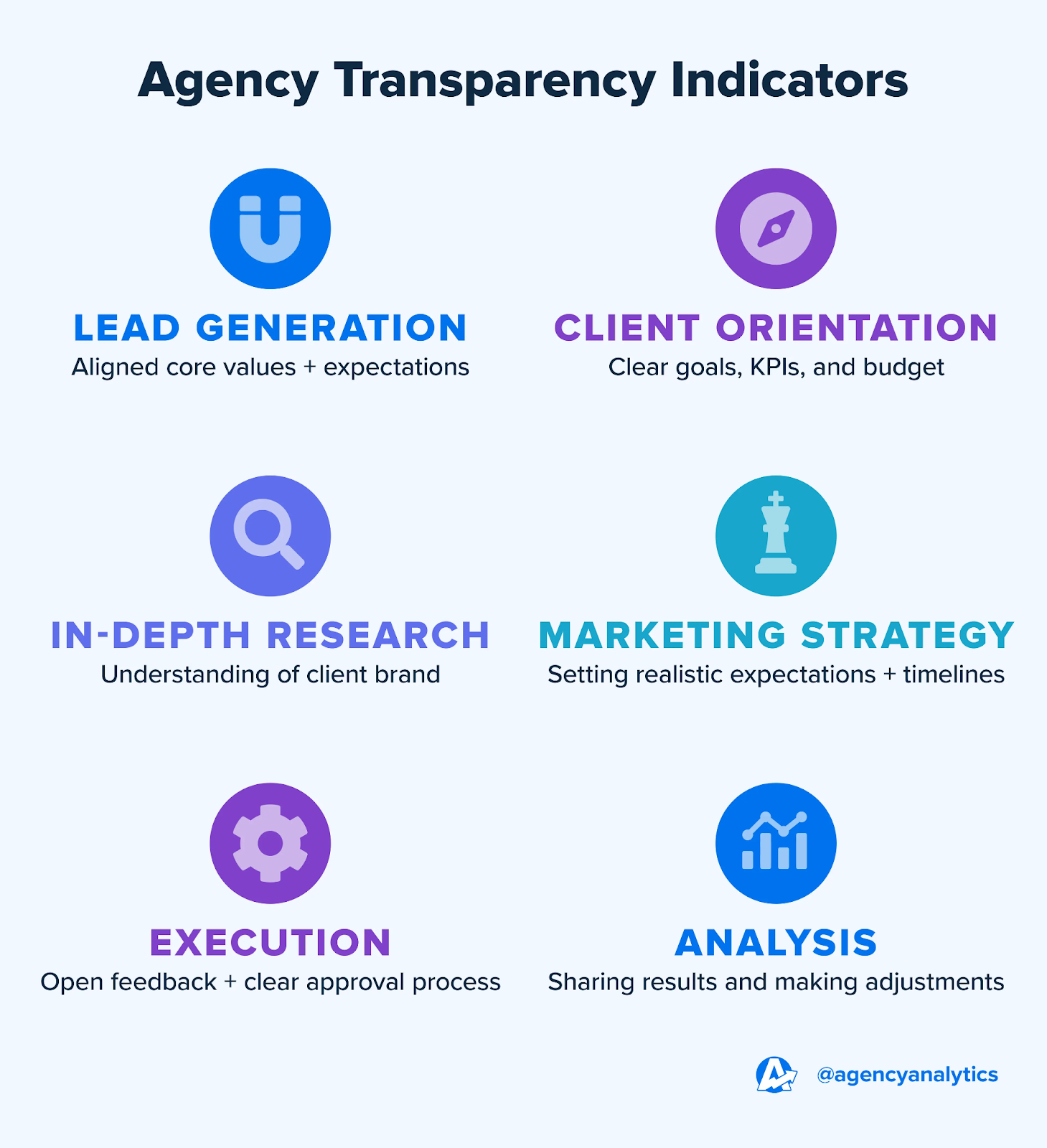
Image Source: AgencyAnalytics
3. Difficulty Scaling Expertise and Meeting Expectations
Paid media requires constant attention and specialized knowledge. Platform updates, bidding model changes, and new ad formats demand ongoing learning and fast adaptation. Agencies without dedicated PPC specialists often struggle to keep pace.
As client portfolios expand, common problems emerge:
- Optimization becomes reactive instead of planned and proactive
- Strategic opportunities are delayed or overlooked
- Performance quality varies from one account to another
Clients notice when execution feels uneven. Over time, this inconsistency erodes confidence in the agency’s ability to manage paid media at scale.
These challenges point to a clear reality. Client trust in paid media depends on consistent performance, clear communication, and expert execution. White label PPC addresses these gaps directly, making it a powerful solution for agencies looking to build and maintain client confidence.
How White Label PPC Builds Client Confidence?
A. Consistent Performance Through Expert Optimization
1. Dedicated PPC Expertise Drives Better Results
White label PPC providers focus exclusively on paid advertising. Their teams live inside platforms like Google Ads and Meta Ads every day. This depth of experience leads to more disciplined campaign management.
Agencies that rely on white label PPC often report:
- Higher conversion rates compared to generalist setups
- Improved ROI through refined targeting and bidding
- Faster response to performance changes
Several industry benchmarks suggest that accounts managed by specialized PPC teams can achieve 25 to 35 percent stronger conversion efficiency than campaigns run without dedicated expertise.
This consistency reassures clients. Predictable performance builds trust far more effectively than occasional spikes followed by drops.
2. Continuous Testing and Iterative Improvements
White label PPC is built on structured optimization. Instead of setting campaigns and letting them run, experienced teams follow regular testing cycles.
These often include:
- Ongoing A/B testing of ad copy and creatives
- Audience refinement based on performance data
- Bid and budget adjustments aligned with KPIs
Weekly monitoring and documented changes show clients that campaigns are actively managed. This steady rhythm of improvement reinforces confidence in paid media performance.
Examples of Performance Discipline
Consider an agency managing PPC in-house with limited resources. Campaigns run for months with minimal changes, leading to flat results. After switching to white label PPC, the same accounts follow structured testing schedules, clearer bidding strategies, and consistent reporting.
Within a few months, performance stabilizes. Conversion costs become more predictable. Clients notice the difference, not just in results, but in how confidently the agency explains them.
Strong performance lays the foundation, but confidence also depends on transparency. Clients need to understand what is happening, not just see numbers on a page.
B. Transparent Reporting That Reinforces Trust
1. Branded Reporting and Clear Metrics Communication
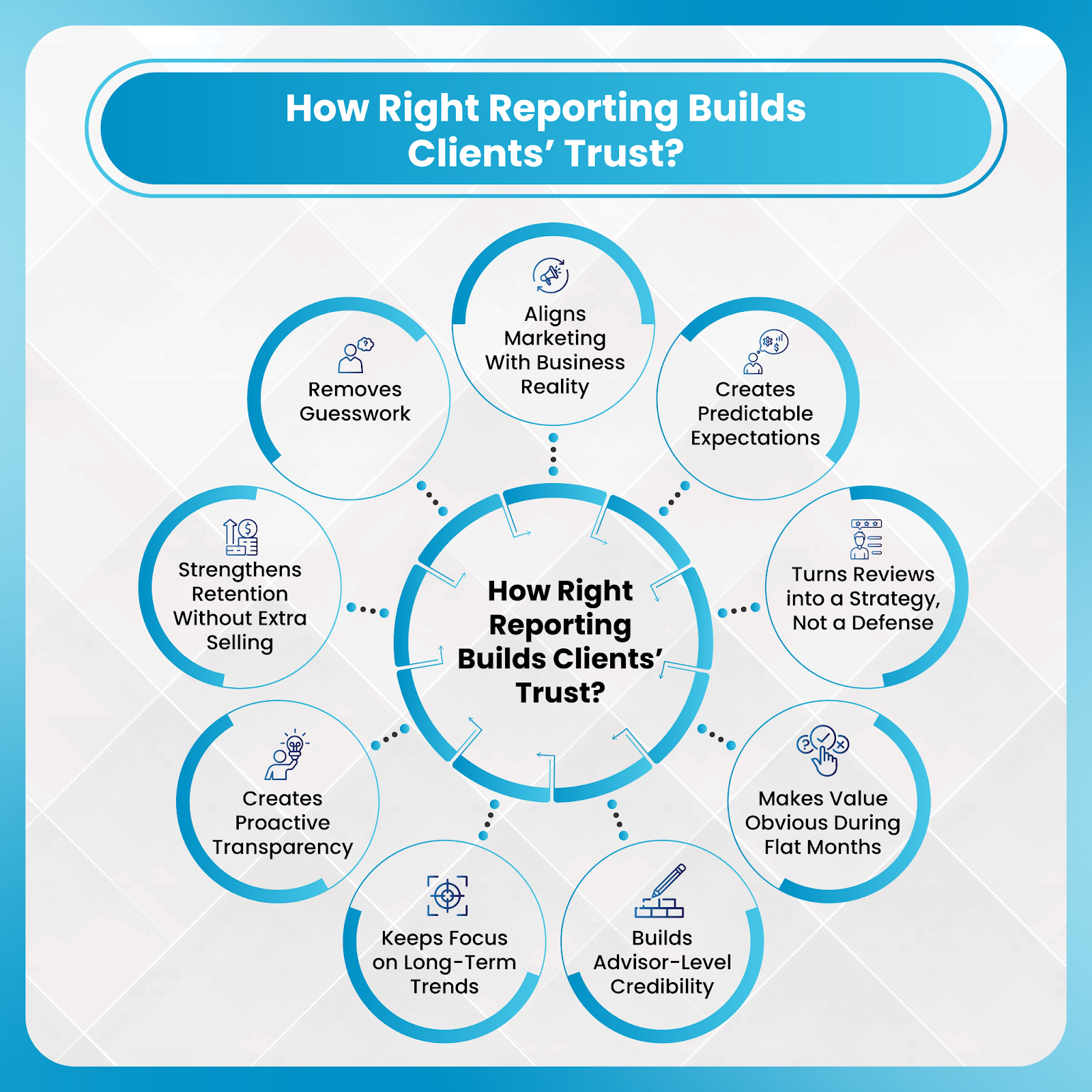
White label PPC enables agencies to deliver professional reports under their own brand, creating a seamless experience for clients. Familiar visuals, consistent language, and clear structure make it easier for clients to understand performance without feeling disconnected from the process. At the same time, the depth of insight goes beyond surface-level numbers.
Modern white label reporting typically includes:
- White labeled dashboards with real-time performance data
- Clear explanations of trends, shifts, and optimization decisions
- Direct alignment between campaign metrics and business goals
This level of clarity removes doubt. When clients can see exactly how campaigns are performing and why changes are being made, trust grows naturally.
2. Key Metrics Clients Care About
Not every metric builds confidence. Effective white label PPC reporting focuses on data points that directly reflect business outcomes, not just platform activity.
Common metrics clients value include:
- Cost per click to evaluate efficiency
- Cost per acquisition to understand the lead or sale value
- Conversion rate to assess campaign quality
- ROAS or revenue impact for e-commerce-focused accounts
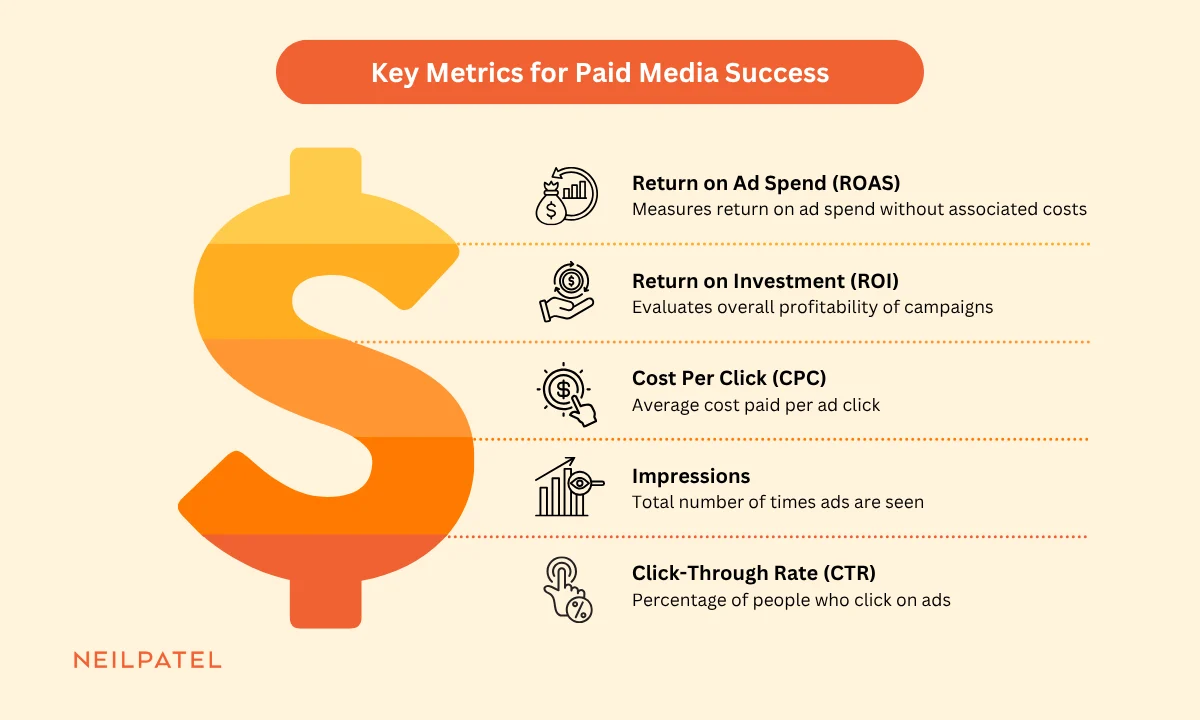
Image Source: NeilPatel
When agencies explain what these metrics mean and how they connect to results, clients feel informed rather than overwhelmed. This understanding strengthens confidence in both the strategy and the execution.
3. Structured Reporting Cadence and Client Alignment
Consistency in communication is just as important as consistency in results. Agencies using white label PPC services often rely on a structured reporting cadence that keeps clients engaged and aligned throughout the campaign lifecycle.
This approach may include:
- Weekly performance snapshots to highlight short-term trends
- Monthly summaries with insights, wins, and recommended actions
- Quarterly reviews focused on long-term strategy and growth
Research on agency retention consistently shows that clients who receive regular, proactive updates are far more likely to stay long term. Transparency builds confidence by keeping clients involved in the process, rather than guessing about performance.
When strong results are paired with clear, consistent reporting, clients gain confidence that their campaigns are being actively managed and continuously improved behind the scenes.
C. Expert Optimization as a Strategic Confidence Builder
1. Access to Specialized PPC Knowledge Without Hiring Headcount
Hiring and retaining skilled PPC specialists is costly and time-consuming. Competitive salaries, ongoing training, and platform certifications can quickly stretch an agency’s budget. A white label PPC agency removes this barrier by giving agencies immediate access to experienced paid media professionals without adding internal overhead or long-term hiring commitments.
This approach allows agencies to scale confidently while maintaining quality across all accounts. Key advantages include:
- Faster onboarding of new clients without capacity concerns
- Access to advanced tools, automation, and platform-level insights
- Consistent best practices applied across campaigns and industries
From a client perspective, this setup builds reassurance. Campaigns are handled by specialists who focus solely on paid media, even though the service is delivered under the agency’s brand. That expertise shows up in performance stability, clearer strategies, and fewer costly mistakes.
2. Proactive Strategy Adjustments and Bid Management
Paid media platforms evolve constantly. Algorithm updates, new ad formats, and policy changes can shift performance with little notice. Agencies that react late often see rising costs or declining results before action is taken.
White label PPC teams stay close to these changes. They monitor performance signals daily and adjust bids, targeting, creatives, and budgets before small issues turn into bigger problems. This proactive management approach signals to clients that their ad spend is being actively protected and optimized, not passively monitored.
When clients see quick, informed responses to market or platform changes, confidence in the agency’s paid media capabilities increases significantly.
3. Client Confidence in Continuous Improvement
Confidence is reinforced when progress is visible and ongoing. White label PPC supports this by providing regular optimization insights and clear recommendations tied to campaign goals.
Examples of continuous improvement include:
- Refining KPIs as campaigns move from testing to scaling phases
- Expanding into new audiences once core performance is stable
- Increasing budgets strategically based on proven results rather than guesswork
This steady evolution shows clients that their campaigns are moving forward with purpose. They feel supported, informed, and confident that their paid media performance is improving over time.
Taken together, expert execution, proactive optimization, and consistent communication transform white label PPC into a confidence engine for agencies and the clients they serve.
How DashClicks’ White Label PPC Services Build Client Confidence?
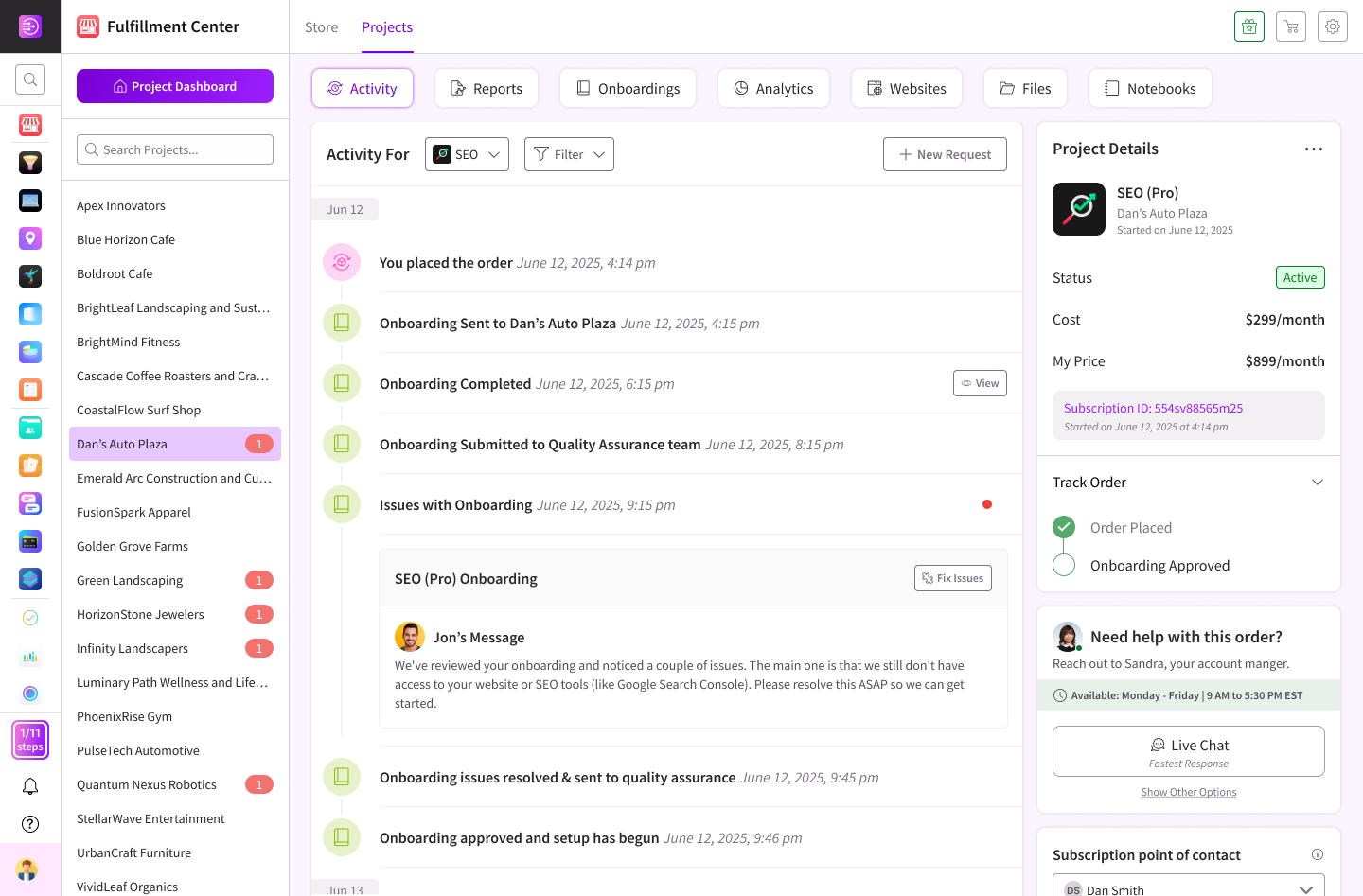
A practical example of these principles in action can be seen in the white label PPC services offered by DashClicks. The platform supports agencies by providing a structured, scalable approach to paid media management. Their model is designed to strengthen client confidence at every stage of the campaign lifecycle.
DashClicks delivers consistent performance through dedicated PPC specialists who follow standardized optimization processes. Campaigns are actively monitored, tested, and refined, helping agencies maintain stable results across industries and account sizes without internal strain.
Transparent, white labeled reporting is another key strength. Agencies receive branded dashboards and reports that clearly communicate performance metrics such as CPC, CPA, and conversion trends. This clarity allows agencies to confidently explain results and ad spend decisions to their clients.
The platform also removes the hiring risk that often holds agencies back. By giving access to experienced PPC professionals, agencies can scale paid media services quickly and responsibly. Campaigns benefit from expert optimization without the delays and costs associated with building in-house teams.
The outcome for agencies is clear. By partnering with DashClicks, agencies enhance client confidence through reliable performance, clear reporting, and expert-led optimization. This positions them as trusted paid media partners rather than vendors reacting to issues.
Conclusion
Client confidence in paid media performance is built on three pillars: consistent results, transparent reporting, and expert optimization. White label PPC strengthens all three.
By leveraging specialized teams, agencies can deliver steadier performance even as competition and costs rise. Clear, branded reporting helps clients understand exactly how their budgets are used and what outcomes they generate. Expert optimization ensures campaigns evolve with platforms and market conditions.
For agencies, white label PPC is more than outsourcing. It is a strategic way to expand services, improve retention, and scale without sacrificing quality. Clients judge agencies by results they can see, understand, and trust. White label PPC helps agencies meet that standard consistently.
If your agency is evaluating gaps in PPC delivery or looking to strengthen client confidence in paid media performance, exploring a white label partnership is a smart next step. DashClicks provides the expertise, transparency, and structure agencies need to grow paid media services with confidence.


.svg)


.svg)
.svg)
.svg)
.svg)
.svg)