A client asks why their traffic has dropped despite stable rankings. Another wants to know whether their business appears when customers ask ChatGPT for recommendations. These conversations highlight a growing reality: Google rankings no longer tell the whole story of search visibility.
Search now spans AI-generated summaries, local listings, videos, knowledge panels, and other experiences. Users discover and evaluate businesses across these formats, often without clicking traditional search results. As a result, brands can maintain strong rankings while missing visibility opportunities elsewhere.
For agencies, this means moving beyond keyword positions to understand how brands appear across search experiences and whether that visibility drives meaningful business outcomes. Relying solely on ranking reports risks overlooking visibility gaps and underselling SEO performance.
SEO success must be measured beyond Google rankings. Agencies need to rethink their tracking methods, content strategies, and reporting while managing the growing demands of SEO execution.
This blog explores how search visibility is changing, which signals matter most, how agencies can adapt their strategies, and how white label fulfillment can help scale execution without compromising strategic control.
What's Changing in the SEO Visibility Landscape?
Search behavior hasn't abandoned traditional rankings, but it has layered several new discovery paths on top of them. Understanding these shifts is the first step toward adapting agency strategy.
1. AI Overviews Are Changing How Search Results Are Presented
Google's AI Overviews generate summarized answers that can appear above traditional organic listings for many searches. These summaries pull together information from multiple sources and often include citations or links back to the original content.
For agencies, this creates a new kind of exposure opportunity. A few things worth understanding:
- AI-generated Summaries Can Appear Above Organic Listings: For many queries, users see a synthesized answer before they see the traditional list of ranked pages.
- Summaries Draw From Multiple Sources: Google's AI Overviews combine information rather than pointing users to a single top-ranked result.
- Citations Can Drive Exposure Without Guaranteed Clicks: Being referenced in an AI-generated answer may expose a brand to users who never visit the website directly.
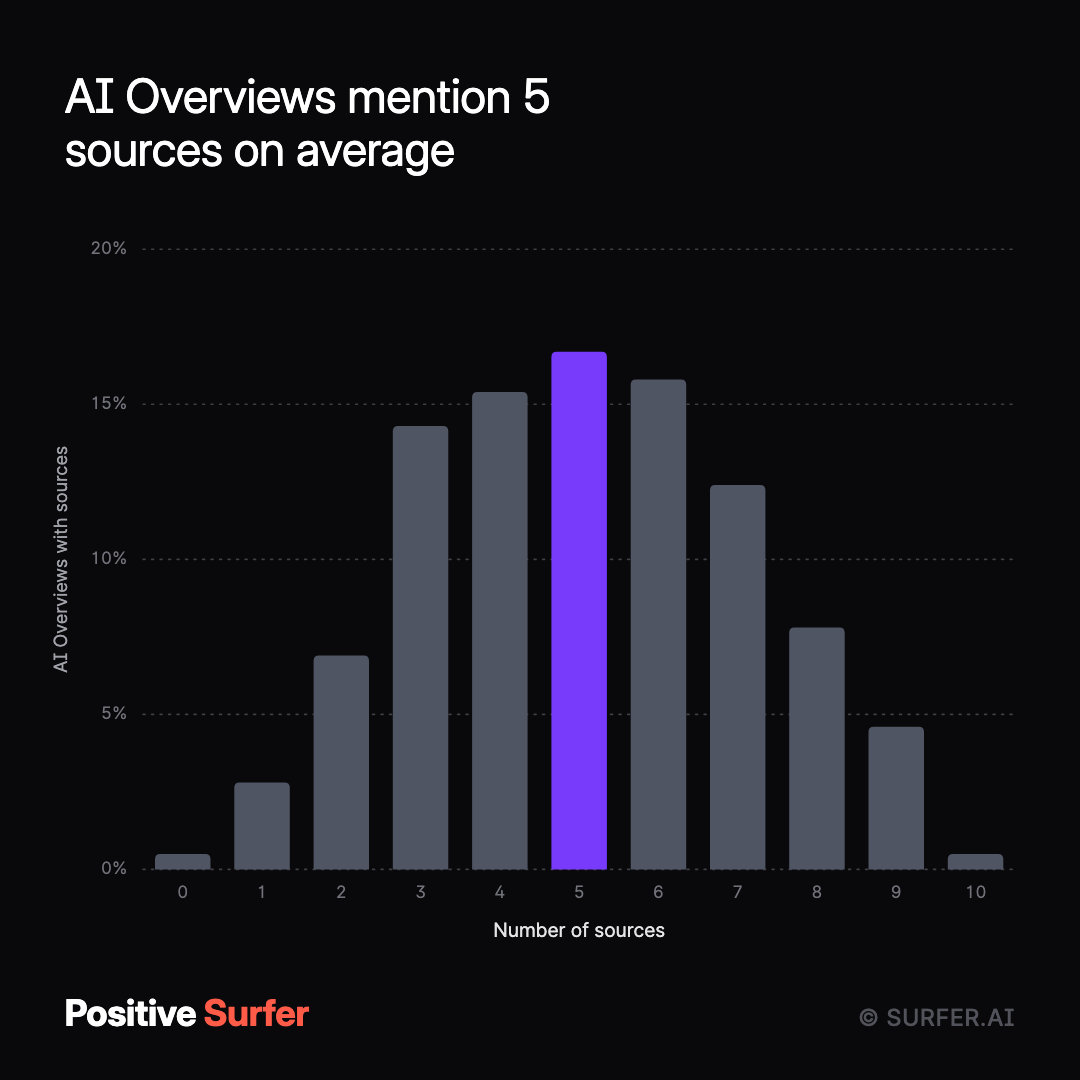
Image Source: Surfer
Agencies should evaluate how useful, credible, and well-structured their clients' content is, since these qualities influence whether content is referenced in AI-driven search experiences. That said, no technique guarantees inclusion in an AI Overview. Treat AI citation potential as one factor in a broader content strategy, not a tactic with a predictable outcome.
2. Zero-Click Searches Are Changing Traffic Expectations
A growing share of searches resolve without a click. Featured snippets, knowledge panels, AI-generated summaries, local pack results, and other SERP features can answer a user's question directly inside the results page.
This makes it important for agencies to separate three distinct concepts:
- Search Visibility: How frequently and prominently a brand appears in relevant search experiences, including zero-click searches.
- Website Traffic: The number of users who actually click through to visit the website.
- Conversions: The actions users take once they arrive that contribute to business goals, like form fills or calls.
A brand can gain meaningful exposure through a featured snippet or local listing even when that exposure never shows up as a website session. Agencies should avoid treating every decline in organic clicks as proof that a client's overall search visibility has deteriorated. Sometimes it reflects a shift toward zero-click formats where the brand is still winning, just not getting the click.
3. Search Discovery Is Becoming More Diverse
Google is no longer the only place people research and compare businesses. Discovery now happens across a wider set of channels, and the right mix depends heavily on the client's industry and audience.
- AI assistants: Tools like ChatGPT or Gemini help users research topics and surface relevant businesses conversationally.
- Local listings: Google Business Profiles and similar directories provide business details and customer reviews directly to nearby searchers.
- Video search results: Platforms like YouTube help users understand products, services, or processes through visual content.
- Community Discussions: Forums and community platforms like Reddit let people share recommendations and firsthand experiences.
- Traditional Search Results: Classic organic listings still play a significant role in discovery for most industries.
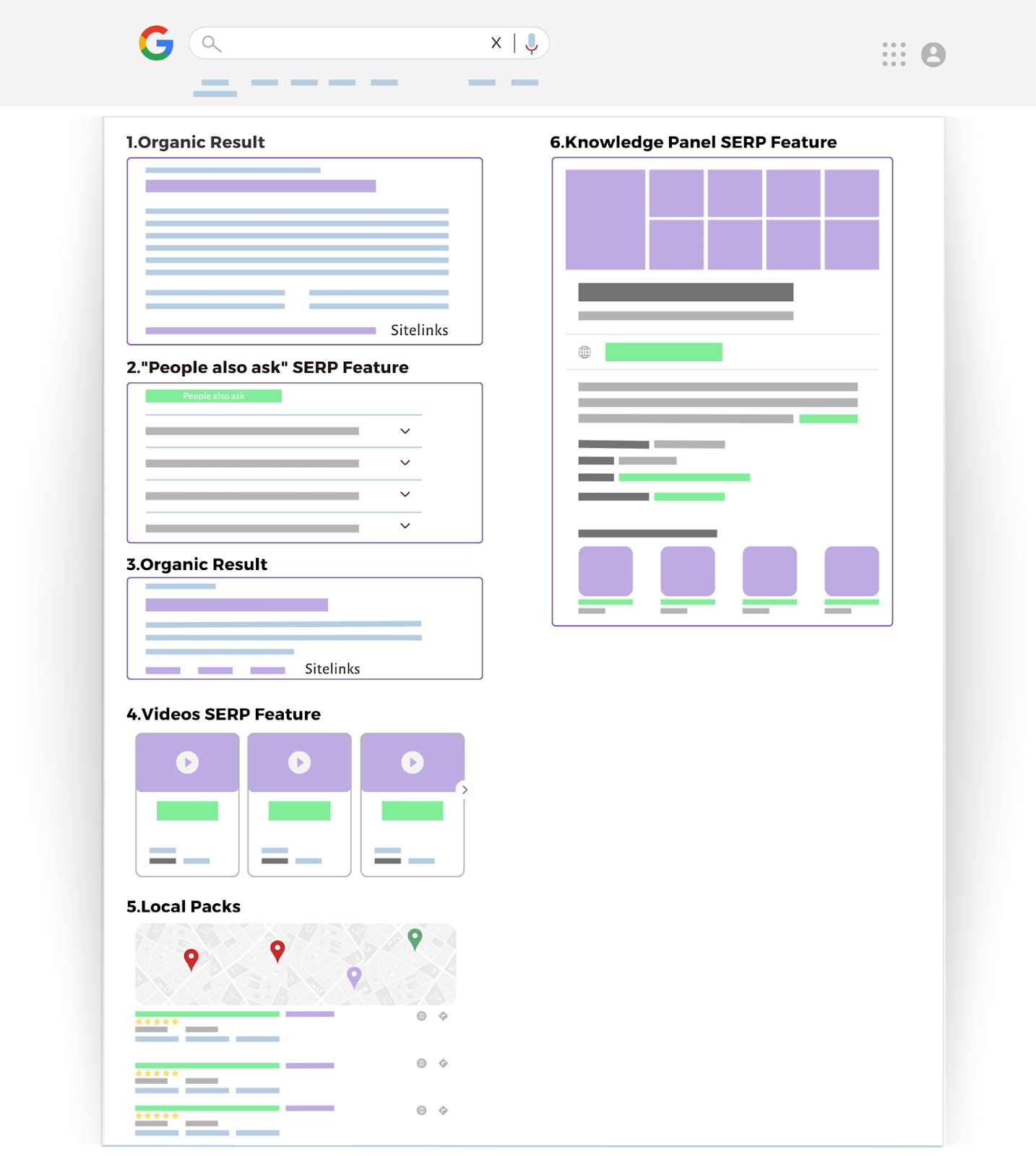
Agencies need to understand where a specific client's audience actually researches and compares options, rather than assuming every platform matters equally. A B2B software client and a local plumbing business will have very different discovery patterns worth tracking.
The New SEO Visibility Signals Agencies Need to Prioritize
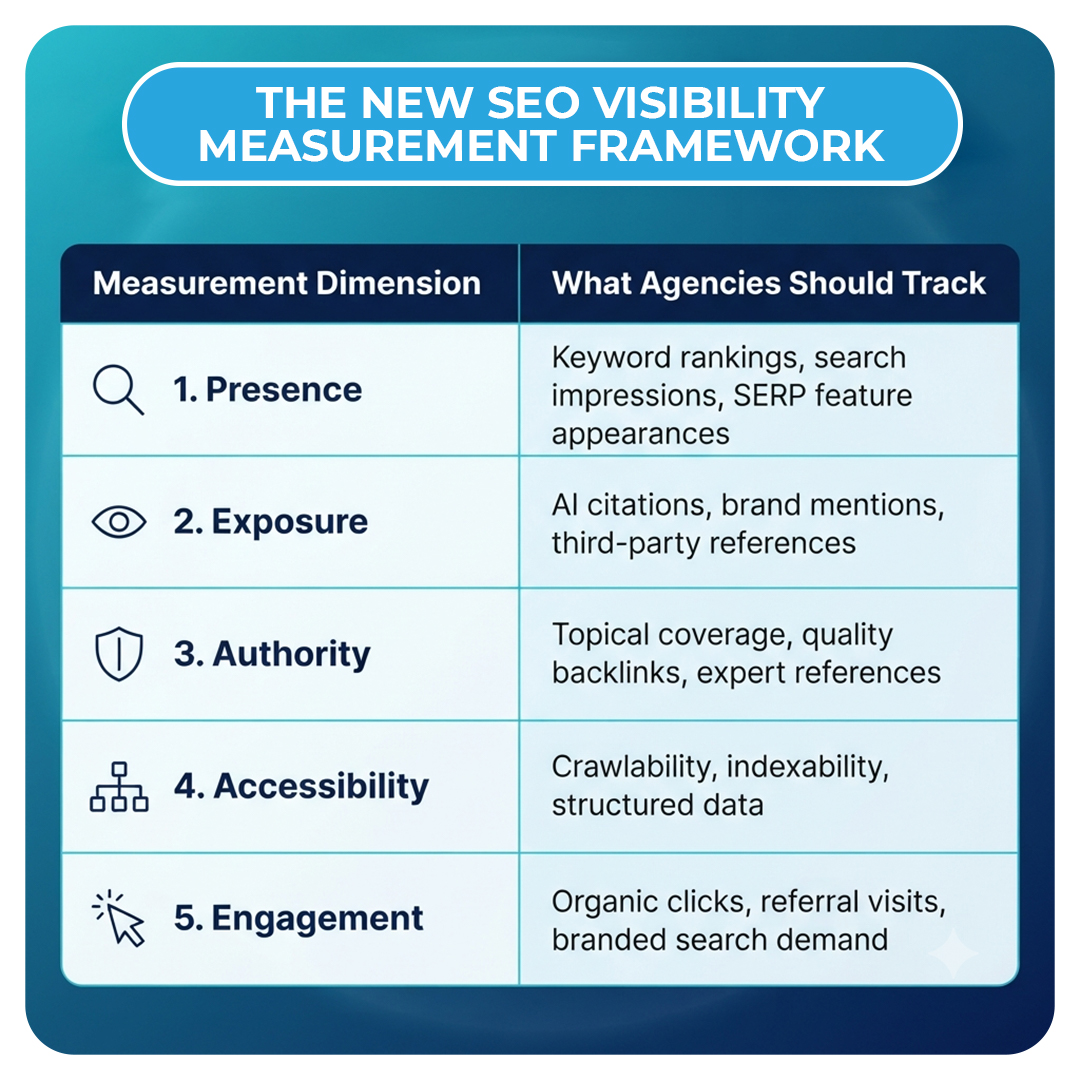
Keyword rankings still matter, but they're incomplete on their own. Agencies need a broader framework that accounts for whether a brand is discoverable, credible, and useful across the full range of search experiences.
1. AI Citations and Brand Mentions
Brand inclusion in AI-generated answers is an emerging visibility signal, though measurement tools and methods are still maturing.
- AI Citations: Review whether a brand's website or content appears as a cited source in relevant AI-generated answers, where such information can be reliably observed.
- Credible Sourcing: Being referenced by recognizable, trustworthy sources contributes to overall brand visibility, even outside of AI contexts.
- Consistent Brand Information: Accurate business details across relevant online sources support how confidently AI systems and search engines represent a brand.
- Broader Mention Tracking: Monitor relevant brand mentions and references across the web rather than focusing solely on website rankings.
AI visibility measurement varies across platforms, queries, and user contexts, and there's no single universally accepted metric for it yet. Agencies should treat this as a directional signal to monitor, not a definitive scorecard.
2. Topical Authority and Content Depth
Comprehensive topic coverage remains one of the most reliable ways to build credibility with both search engines and users.
- Covering Core Topics Thoroughly: Address the full range of questions and subtopics relevant to a client's products, services, and audience.
- Supporting Pages That Answer Related Questions: Build out content that addresses adjacent questions users are likely to have.
- Meaningful Internal Linking: Connect related content so users and search engines can navigate a topic cluster logically.
- Demonstrated Subject Knowledge: Back up claims with accurate, well-supported information rather than surface-level statements.
- Consistent Expertise Across the Site: Maintain quality and accuracy across all pages, not just flagship content.
Publishing a high volume of loosely related content isn't a substitute for genuine topic depth. A smaller set of thorough, well-organized pages typically outperforms a sprawling library of thin articles.
3. Technical Accessibility and Content Structure
Content needs to be accessible to search engines and easy for users to parse, regardless of where it ultimately surfaces.
- Crawlability and Indexability: Ensure important pages can be discovered and indexed without technical obstacles.
- Clear Page Structure and Descriptive Headings: Help both users and search systems understand what a page covers at a glance.
- Logical Content Organization: Structure information in a way that flows naturally from general to specific.
- Structured Data Where Appropriate: Use schema markup when it genuinely supports the content, rather than applying it indiscriminately.
- Easily Extractable Information: Present key facts and answers in clear, direct language that's easy to quote or summarize.
Strong technical foundations support search accessibility, but structured data and formatting alone don't guarantee inclusion in an AI-generated answer. They improve the odds; they don't lock in the outcome.
4. Off-Page Authority and Brand Reputation
External validation still shapes how search engines and users perceive a brand's credibility.
- Relevant, Quality Backlinks: Links from topically related, reputable sites carry more weight than high volumes of unrelated links.
- Credible Third-party Mentions: References from respected publications or industry sources reinforce brand trustworthiness.
- Digital PR Opportunities: Earned media coverage can build both authority and brand awareness simultaneously.
- Customer Reviews and Reputation Signals: Reviews on Google, industry platforms, and marketplaces influence both users and search systems.
- Consistent Information Across Trusted Platforms: Accurate business details across directories and review sites reinforce credibility.
The goal is quality and relevance, not volume. Agencies should focus on building a genuinely credible online presence for clients instead of treating link acquisition as an isolated, numbers-driven ranking tactic.
How Agencies Should Adapt Their SEO Strategies to the New Visibility Landscape
Adapting to this broader visibility landscape doesn't mean abandoning SEO fundamentals. It means expanding existing processes to account for how search behavior has changed.
1. Expand Keyword Tracking
Keyword tracking needs to go beyond recording standard organic positions.
- Monitor conventional keyword rankings as a baseline.
- Review relevant SERP features and how often a client's content appears in them.
- Track AI visibility where reliable tools or methods are available.
- Identify queries that consistently trigger AI Overviews or other search features.
- Monitor relevant branded and non-branded search demand over time.
Select tracking methods based on the client's industry, search intent, and specific business objectives rather than applying a one-size-fits-all dashboard to every account.
2. Build Answer-Ready Content
Content should be structured to directly address what users are asking, which also happens to align with how AI systems extract useful information.
- Answer specific questions clearly and directly near the top of relevant content.
- Use descriptive headings and logical structures that make content easy to scan.
- Provide accurate explanations backed by supporting details.
- Include relevant examples, processes, or context that add real value.
- Organize content so users can quickly locate the information they need.
Content should be written primarily for users, not reduced to a checklist of tactics aimed solely at influencing AI systems. Good answer-ready content serves both audiences because it's genuinely useful.
3. Strengthen Authority Signals
Authority building remains a core part of SEO strategy, but it requires a quality-first approach.
- Pursue relevant link-building opportunities tied to the client's industry.
- Run digital PR campaigns that earn credible coverage.
- Secure references from third-party sources the client's audience already trusts.
- Target industry-specific publications for mentions and features.
- Keep brand information consistent across all relevant platforms.
Prioritize relevance, editorial quality, and credibility over sheer volume of backlinks or mentions. A handful of strong, relevant links outperforms dozens of low-quality ones.
4. Improve Local Search Presence
For businesses serving specific geographic markets, local visibility remains a critical piece of the broader strategy.
- Maintain an accurate, fully optimized Google Business Profile.
- Keep local citations consistent across directories.
- Encourage and manage customer reviews appropriately.
- Create useful, location-specific content that addresses local search intent.
- Ensure business information stays accurate across every relevant platform.
These activities directly support how potential customers discover and evaluate local businesses, often before they ever reach the website.
5. Measure Visibility Beyond Traffic
No single metric captures the full picture of SEO performance anymore. Agencies need to combine multiple indicators to tell an accurate story.
- Search impressions across relevant queries.
- Branded search demand trends.
- Organic clicks and traffic patterns.
- Keyword visibility and ranking data.
- Relevant SERP feature appearances.
- Conversions and qualified leads.
- Available AI referral data, where tools provide it.
- Business outcomes where reliable attribution is possible.
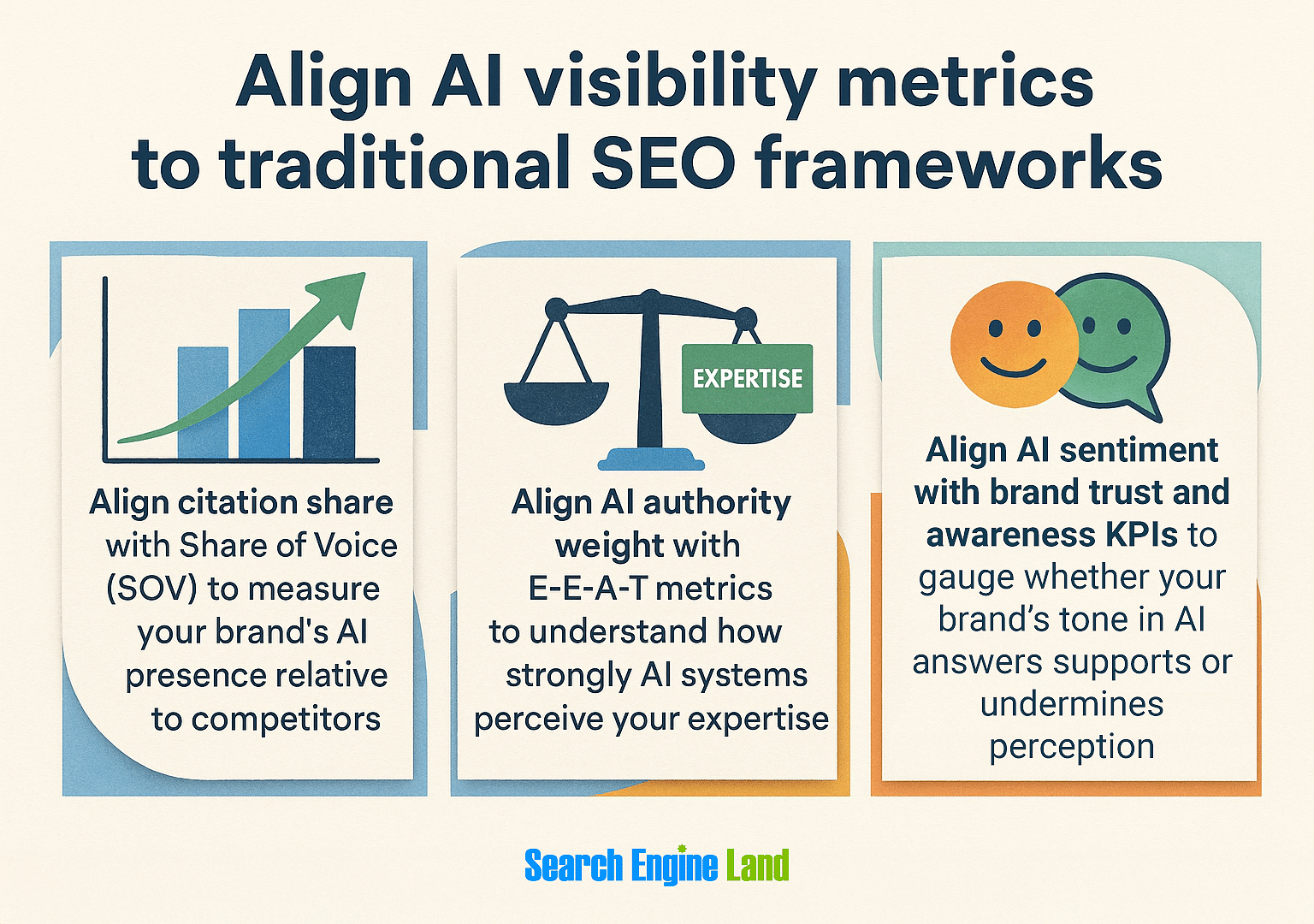
Image Source: Search Engine Land
Agencies should interpret these indicators together and clearly explain to clients how visibility, traffic, and conversions relate to actual business goals. A client who understands this distinction is far less likely to panic over a single metric moving in the wrong direction.
The Agency Fulfillment Challenge: Expanding SEO Without Expanding Overhead
Adapting to this broader visibility landscape requires more work across more disciplines. Content development, technical optimization, authority building, local SEO, and reporting all demand attention, and that creates real operational pressure for agencies.
1. Increasing Specialist Requirements
Modern SEO expectations span several distinct areas of expertise:
- Content strategy and development.
- Technical SEO and website optimization.
- Link building and digital PR.
- Local SEO and business profile management.
- Search visibility monitoring and reporting.
Expecting a small internal team to handle every one of these specialties across multiple client accounts becomes difficult fast, especially as client expectations grow more sophisticated.
2. Hiring and Resource Constraints
Building and maintaining an in-house SEO team comes with its own set of obstacles.
- Recruiting specialists with genuinely relevant, current expertise.
- Training existing employees as search practices continue to shift.
- Managing multiple client workloads and competing deadlines.
- Maintaining consistent quality across every deliverable.
- Balancing execution work with client communication and strategic planning.
Agencies often find that hiring for every specialized function internally isn't financially or operationally practical, particularly for small to mid-sized shops.
3. Workflow and Quality Management
More SEO activities also mean more coordination overhead.
- Managing multiple concurrent workflows across clients.
- Assigning clear task ownership for each deliverable.
- Reviewing work before it reaches the client.
- Maintaining consistent quality checks across the team.
- Keeping clients informed about ongoing progress and results.
Without the right systems in place, this additional complexity can slow delivery and strain client relationships, even when the underlying strategy is sound.
4. White Label SEO Fulfillment
White label SEO fulfillment lets agencies access additional execution support without hiring for every function internally. Working with an SEO provider allows agencies to distribute agreed-upon SEO tasks while retaining the parts of the relationship that matter most:
- Client relationships.
- Account ownership.
- Strategic direction.
- Client communication.
- Final recommendations and approvals.
Outsourcing execution doesn't mean giving up strategic control. Done well, white label SEO services are simply an operational model that expands an agency's service delivery capacity while keeping oversight firmly in the agency's hands.
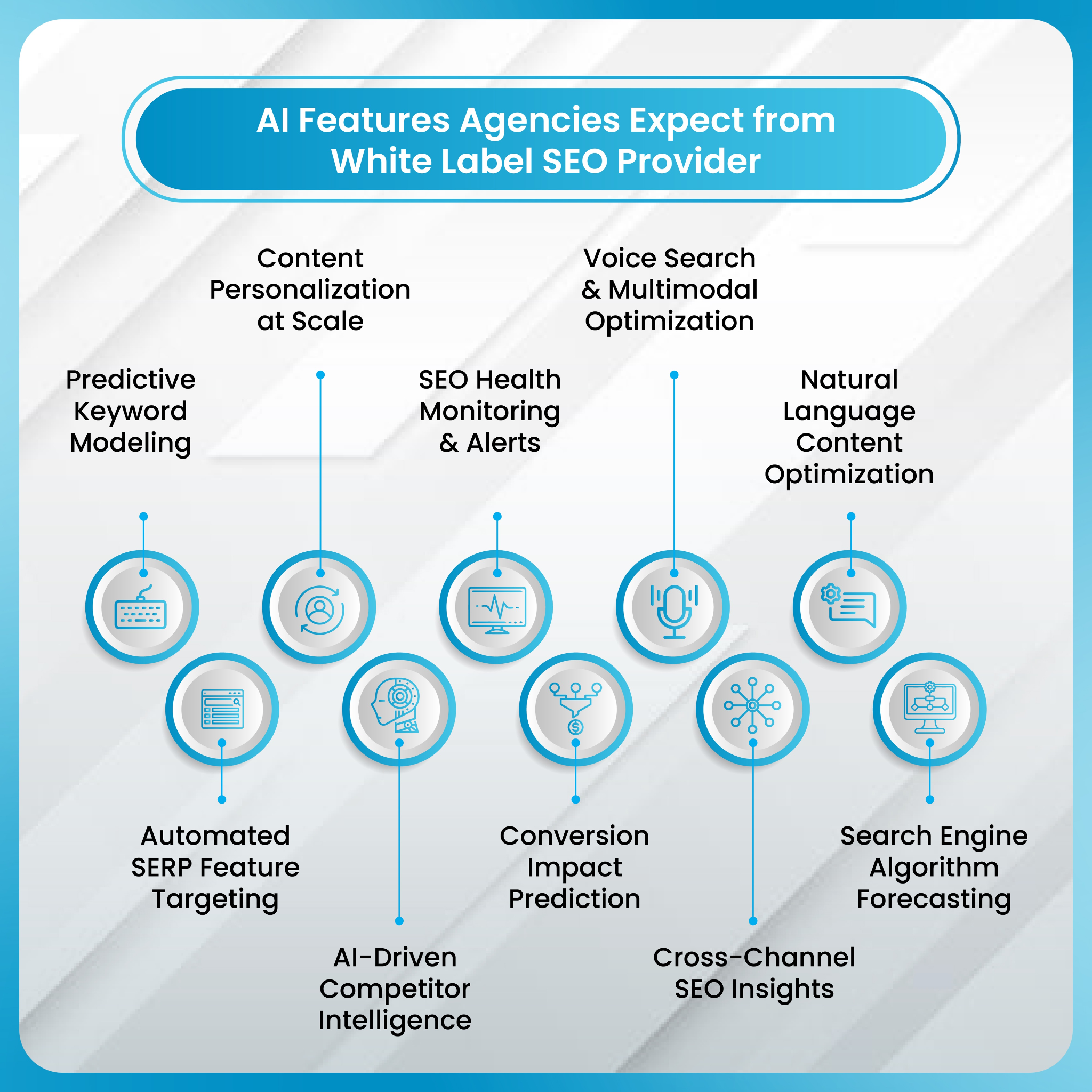
Scaling Evolving SEO Services with DashClicks White Label SEO Services
As SEO requirements become more complex, agencies need reliable fulfillment support to manage growing workloads without expanding every specialist function in-house. DashClicks’ White Label SEO Services help agencies scale execution across multiple client accounts while retaining control over strategy and client relationships.
Key areas of fulfillment support include:
- Technical SEO: Support for technical optimization to improve website performance, crawlability, and search accessibility.
- On-Page SEO: Optimization of website pages, metadata, headings, and content for better search visibility.
- Content Creation: Development of SEO-focused content that supports keyword targeting, topical relevance, and evolving search experiences.
- Local SEO: Support for local search optimization to help businesses improve their visibility in location-based searches.
- Link Building: Authority-building activities that strengthen a website's backlink profile and search credibility.
- SEO Reporting: Branded reports and dashboards that help agencies track performance and communicate progress to clients.
Agencies retain strategic and client-facing control:
- White Label Delivery: Fulfillment happens behind the scenes under the agency's brand.
- Client Ownership: Agencies retain control over communication, recommendations, account ownership, and final decisions.
- Scalable Execution: Agencies can expand service delivery across growing client portfolios without handling every task internally.
For agencies looking to scale white label SEO management, DashClicks provides a structured fulfillment approach that supports execution while allowing the agency to remain focused on strategy, client relationships, and growth.
Expanding Visibility, One Signal at a Time
Google rankings remain an important part of SEO, but they've stopped being the whole picture. Users now discover and evaluate businesses through AI-generated summaries, local listings, video content, and community discussions, alongside traditional search results.
Agencies need to track visibility signals beyond keyword positions, including AI citations, brand mentions, topical authority, technical accessibility, and off-page credibility. They also need to measure performance using a combination of visibility, traffic, conversions, and available referral data rather than leaning on any single metric.
These evolving requirements naturally increase the fulfillment demands placed on agency teams. White label SEO fulfillment gives agencies a practical way to expand execution capacity while keeping strategic control, client relationships, and final decisions where they belong.
Agencies that combine broader visibility strategies, consistent execution, and meaningful performance measurement will be better positioned to serve clients as search behavior continues to shift. The right fulfillment partner can make that expansion a lot more manageable.