

.svg)

.svg)
.svg)
.svg)
.svg)
.svg)
Search engine optimization is undergoing a massive transformation, and branded search results matter more than ever before. For years, agencies built their entire service models around capturing non-branded, high-volume keywords for their clients. That approach is no longer sufficient in the AI Overview era. As search engines evolve to deliver direct answers, generic organic click opportunities are rapidly shrinking.
To understand this shift, agencies only need to look at changing click behaviors. Google’s top organic CTR dropped from 28% to 19% after AI Overviews expanded in 2025. This decline is even more pronounced for top-of-funnel queries. AI Overviews caused organic CTR declines of up to 61% for informational searches between 2024 and 2025.
The sheer volume of these generative responses makes them impossible to ignore. AI Overviews now appear in nearly 31% of search results, reshaping click behavior and brand visibility.
Because generic organic click opportunities continue to decline, branded search visibility becomes significantly more valuable. When potential customers proactively search for a specific company by name, the results they see directly affect brand trust, lead quality, conversion rates, and client retention. Reputation management is now intertwined with search visibility. Agencies that fail to control how their clients appear for branded queries risk losing highly qualified leads to competitors or third-party reviewers.
As organic click opportunities shrink, agencies are increasingly prioritizing branded visibility strategies, and white label SEO has become one of the most scalable ways to execute them efficiently.
What Branded Search Results Actually Include Today?
Historically, a branded search engine results page was relatively straightforward. Agencies focused on ensuring the client's homepage ranked in the first position. Secondary priorities included securing a fully populated Google Business Profile, generating clean sitelinks, and maintaining active social media profiles. If a few positive review platforms appeared on the first page, the branded search strategy was considered successful.
The modern branded search environment is vastly more complex and unpredictable. Today, branded search results function as dynamic reputation ecosystems rather than simple ranking environments.
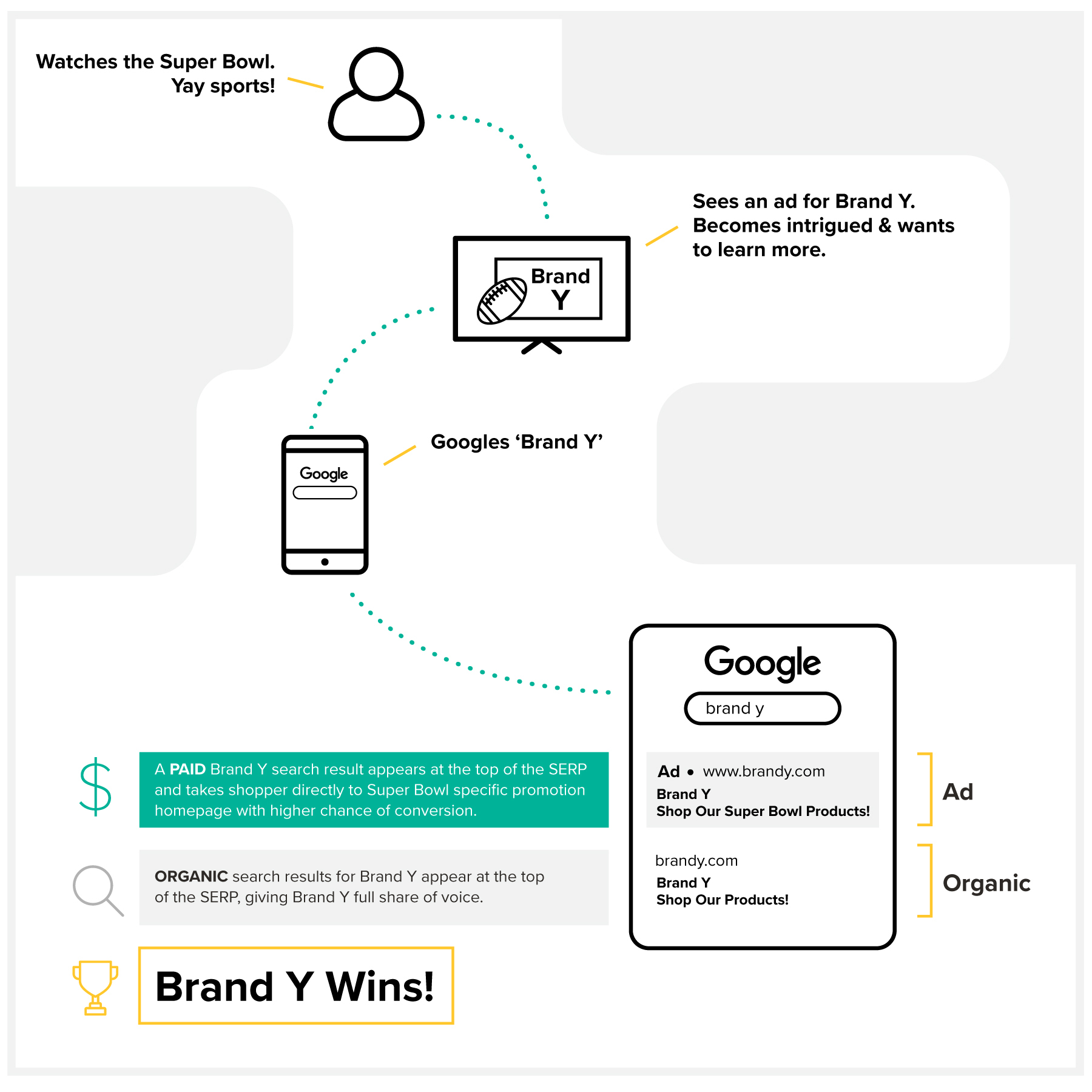
Image Source: Monks
Alongside the traditional elements, new features actively intercept the user's attention. AI Overviews synthesize brand summaries from various corners of the web. Knowledge panels pull deep entity data to establish credibility. Reddit threads and YouTube videos surface user-generated commentary directly on page one. Third-party listicles frequently rank alongside official domains, and "People Also Ask" boxes highlight common customer objections or questions before a user even reaches the target website.
This complexity introduces a critical concept known as the search perception gap. The search perception gap occurs when users decide whether to trust a brand based entirely on the search results, completely bypassing the actual website. If the search ecosystem looks fragmented, outdated, or negative, the user abandons their journey. Conversely, a robust and authoritative search presence bridges that gap immediately. The appearance of the search engine results page itself influences the likelihood of a conversion. A clean, authoritative page signals market leadership and reliability.
Once agencies understand how complex branded SERPs have become, the next challenge becomes execution at scale, especially across dozens of client accounts.
Why Agencies Are Turning to White Label SEO for Branded Visibility?
Managing a complex branded search ecosystem requires an extensive variety of specialized skills. Agencies consistently struggle to scale these operations internally because the required disciplines are so diverse. Delivering a comprehensive branded visibility campaign means executing reputation-focused SEO, entity optimization, continuous branded content production, advanced technical SEO, and targeted link acquisition simultaneously.
Attempting to build an internal team capable of handling all these moving parts is incredibly difficult. Internal hiring quickly becomes expensive, slow, and operationally burdensome. Sourcing a technical SEO specialist, a local search expert, and a high-level content strategist requires significant payroll investment and months of onboarding.
These scaling difficulties lead to severe agency pain points. Many firms suffer from limited specialized SEO talent, which inevitably causes delayed client deliverables. When account managers are stretched too thin, inconsistent SEO execution damages campaign performance and erodes client trust. Fulfillment overload eventually results in team burnout, leaving agencies completely unprepared to adapt their strategies whenever major Google updates roll out.
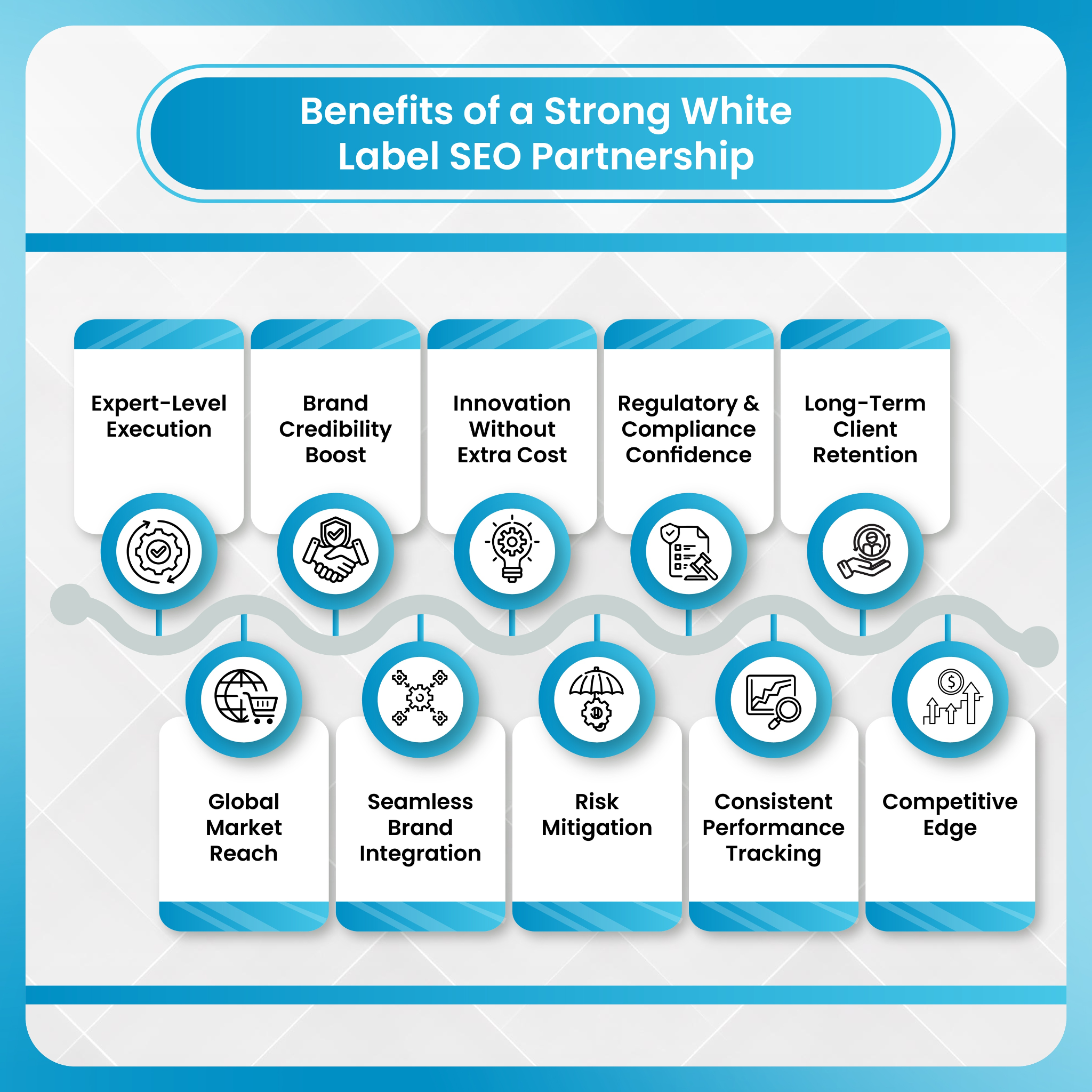
To solve these systemic bottlenecks, growth-focused firms are utilizing the best white label SEO services available in the market. By partnering with external fulfillment experts, agencies treat these solutions as operational leverage for branded search dominance. Instead of struggling to hire and train individual specialists, the agency plugs into a fully formed fulfillment machine. Operational scalability becomes absolutely essential as branded search management grows more complex. A reliable white label SEO agency provides the necessary bandwidth to deploy sophisticated branded campaigns across an entire client roster without increasing internal headcount.
But white label SEO only works if agencies know exactly which branded search components require optimization.
Core White Label SEO Strategies Agencies Use to Improve Branded Search Results
1. Branded Keyword Optimization
The foundation of a strong branded search presence begins with rigorous keyword optimization tailored specifically to the company's name and its variations. Protecting brand-name queries requires meticulous attention to on-page elements. Agencies deploy specialists to optimize homepage metadata, ensuring that title tags and meta descriptions clearly articulate the brand's core value proposition. This process also involves building dedicated branded landing pages, structuring branded FAQs to capture "People Also Ask" placements, and implementing branded schema markup to help search engines understand the organization accurately.
Beyond the exact brand name, agencies must capture high-intent modifier searches. Strategies are implemented to rank for "brand + service", "brand + review", and "brand + pricing" queries. For example, by restructuring homepage titles and optimizing internal linking structures for sitelinks, an agency can dramatically improve a client's branded click-through rate.
These optimizations are crucial because branded CTR directly affects trust and lead quality. When a user searches for a brand and sees a perfectly organized set of sitelinks guiding them to exact solutions, their confidence in the company rises before they even click.
2. Suppressing Negative or Irrelevant SERP Results
A clean, branded search page is just as important as a high-ranking homepage. Unfortunately, brands frequently suffer from outdated pages, aggressive competitor comparisons, negative reviews, or irrelevant directory pages ranking prominently for their name. Agencies utilize white label SEO content campaigns to systematically outrank and suppress these undesirable assets.
The strategy involves publishing highly optimized, positive content across authoritative domains. Specialists create consistent streams of blogs, strategic press releases, guest posts, and Web 2.0 properties that are specifically designed to rank for branded terms.
This approach introduces the strategic goal of SERP ownership instead of ranking ownership. By controlling multiple positions on the first page, brands leave less room for negative or irrelevant content to surface. Controlling more branded search assets increases trust stability. When a prospective customer investigates a company, a search page filled with positive, brand-controlled assets neutralizes objections and reinforces a pristine corporate image.
3. Google Business Profile and Local Brand Signals
For service-based and brick-and-mortar clients, local visibility is the most critical component of a branded search. When users look for a brand with local intent, the Google Business Profile dominates the screen real estate. Branded local searches often convert at higher rates because the user is typically seeking immediate contact information, directions, or operating hours.
To maximize this conversion potential, agencies rely on white label local SEO deliverables. Fulfillment teams perform comprehensive citation cleanup to ensure name, address, and phone number consistency across the web. They implement review generation strategies to build local authority. Furthermore, they conduct rigorous location page optimization and apply local business schema to the client's website.
These local signals communicate directly to both the user and the search algorithm. Strong map visibility reinforces branded trust. A fully optimized Google Business Profile with stellar reviews and accurate data provides immediate reassurance, making the prospect highly likely to transition from a searcher to a paying customer.
4. Entity SEO and Knowledge Graph Optimization
Modern search engines operate as semantic databases that understand real-world entities. Building entity trust signals is a highly technical process that defines how a brand is recognized by the Google Knowledge Graph. Agencies leverage fulfillment partners to establish these signals through interconnected digital assets.
This involves unifying social profiles, deploying advanced structured data, securing Wikidata references, and establishing robust Author entities for company leadership. Every piece of information must corroborate the brand's identity, industry category, and location.
These technical connections are mandatory because AI-driven search systems increasingly rely on entity confidence. If a search engine cannot confidently verify a brand's entity status, it will not trigger Knowledge Panels or feature the brand in generative AI Overviews.
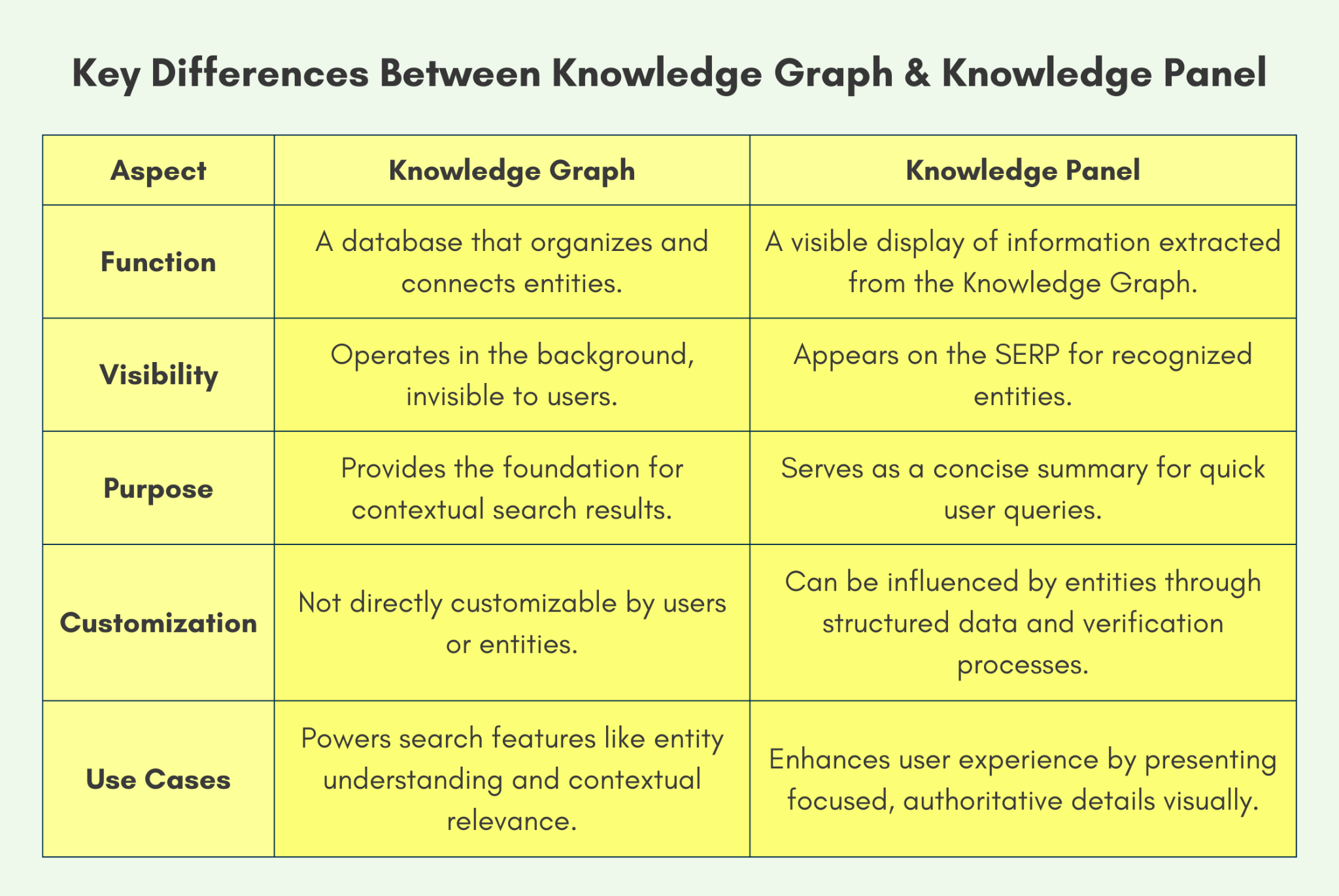
Strengthening the brand entity ensures that algorithms treat the company as a verified, authoritative source within its specific niche.
Improving branded visibility is no longer just about rankings. Agencies must also influence how brands are perceived across the full search ecosystem.
How White Label SEO Helps Agencies Manage Online Reputation Through Search?
The line between search engine optimization and public relations has effectively vanished. For modern businesses, reputation management increasingly functions as a search visibility strategy. What people read about a brand on the first page of Google is the ultimate defining factor of that company's public image.
To control this narrative, agencies use white label SEO services to proactively shape the search ecosystem. Fulfillment partners are tasked with creating positive branded assets that highlight corporate achievements and positive customer experiences. They actively optimize third-party review platforms so that highly rated profiles rank well for branded queries. Furthermore, these teams publish authoritative content on external publications and systematically improve off-page trust signals through digital PR.
This comprehensive execution involves managing reputation-driven content calendars, facilitating branded PR amplification, and conducting third-party trust optimization. This proactive approach highlights the difference between search reputation management and traditional ORM. Traditional online reputation management is often reactive, scrambling to hide negative press after it occurs. Search reputation management is proactive, building an impenetrable wall of positive assets before a crisis ever happens.
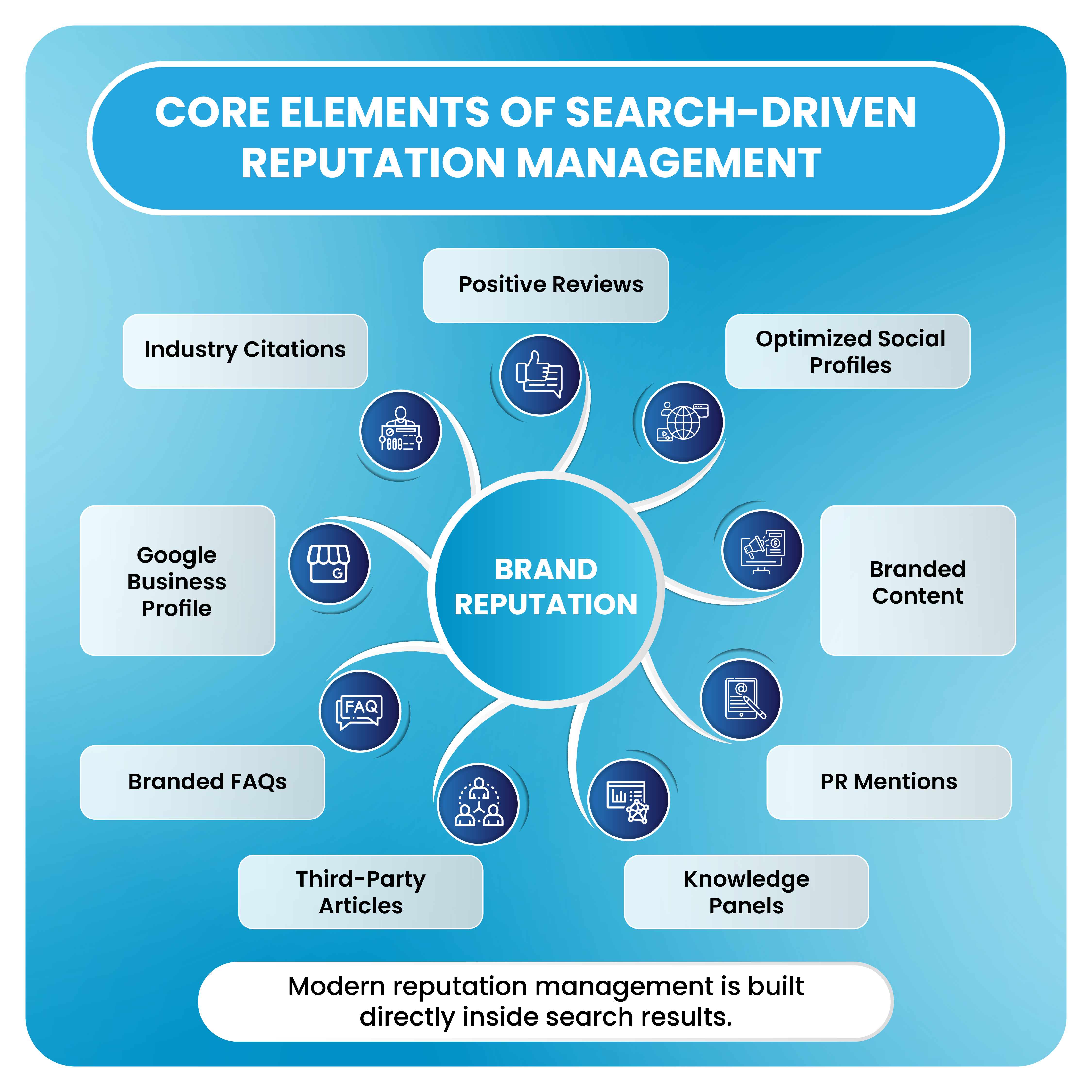
Consider a practical example scenario. A prospect hears about a software company and searches the brand name to conduct due diligence. Instead of seeing a generic homepage and empty directories, they see a highly optimized ecosystem. They see strong reviews on software rating sites, recent thought-leadership content authored by the CEO, comprehensive branded FAQs, trusted media mentions in industry publications, and perfectly optimized social profiles.
This level of saturation fundamentally alters the prospect's mindset. SERP perception shapes trust before engagement begins. By the time the prospect clicks the link to request a consultation, they are already pre-sold on the company's credibility.
The next challenge agencies face is proving measurable ROI from branded SEO efforts.
KPIs Agencies Use to Measure Branded Search Growth
Proving the value of branded search visibility requires tracking a specific set of performance metrics. Standard keyword ranking reports do not adequately capture the nuance of a reputation-driven strategy. Agencies must track branded organic traffic to ensure volume is growing as brand awareness campaigns succeed. They must monitor branded CTR to verify that optimized titles and sitelinks are effectively capturing user attention.
Agencies also measure the share of branded SERP ownership to determine exactly how many page-one results they actively control. Tracking Knowledge panel visibility and Local pack visibility confirms that the entity and local signals are recognized by the algorithm. Additionally, agencies evaluate review sentiment improvement, total impression share, AI Overview citations, and ultimately, conversion rates from branded searches.
By analyzing these metrics together, a clear pattern emerges. Branded traffic often converts at higher rates because trust already exists before the click. The user has specifically requested the brand by name, meaning they are much further along the buyer's journey than someone searching for a generic solution.
Agencies utilize a specific mini framework to explain this value to clients: Visibility → Trust → Click → Conversion.
- First, the brand dominates the search page visually.
- Second, the quality and consistency of those results establish undeniable trust.
- Third, the user confidently clicks the most relevant branded asset.
- Finally, the user converts rapidly because all their objections were handled by the SERP itself.
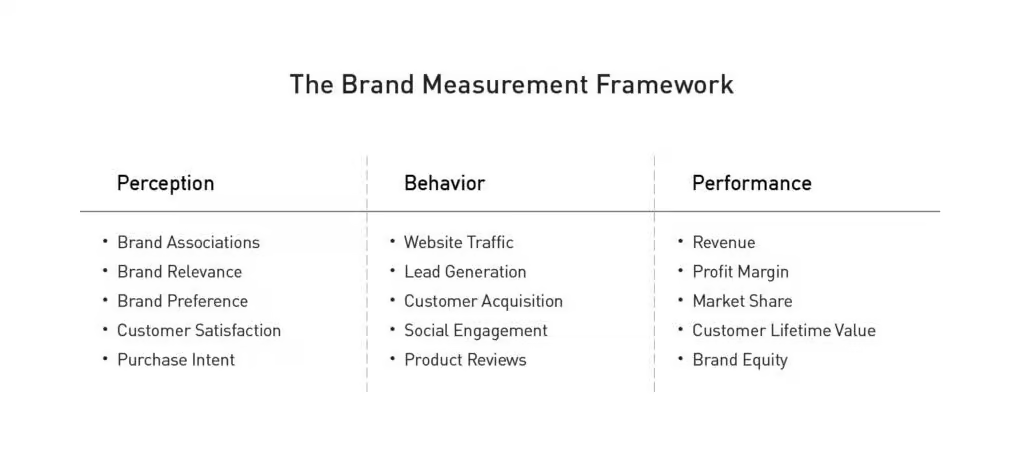
Image Source: Ignyte
Branded visibility compounds conversion efficiency. Every optimization made to the branded search ecosystem directly lowers the cost of customer acquisition.
While branded SEO can produce strong results, agencies still face operational barriers when trying to scale these campaigns internally.
Why White Label SEO Creates Operational Scale for Agencies?
The true value of a fulfillment partnership extends far beyond keyword rankings. White label SEO enables agencies to systematically bypass the standard bottlenecks of business growth. Partnering with a dedicated fulfillment provider allows for much faster campaign deployment, significantly lower hiring costs, and instant access to top-tier specialists. Agencies can seamlessly expand their core services without increasing internal payroll or taking on the financial risk of full-time salaries.
A reliable fulfillment provider takes over the heavy lifting associated with complex campaigns. They are responsible for handling technical SEO audits, executing large-scale content production, managing tedious local SEO tasks, building high-authority link profiles, and generating comprehensive white-labeled reporting.
By offloading these labor-intensive processes, the agency experiences profound business benefits. Agency owners enjoy increased profit margins because fulfillment costs are fixed and predictable. Providing superior branded search results leads to better client retention and significantly reduced churn. Furthermore, having faster fulfillment timelines and predictable delivery systems removes the daily chaos of agency operations that plagues most growing firms.
These business dynamics position white label SEO as infrastructure for scalable, reputation-driven SEO. Instead of viewing outsourcing as a temporary fix, smart agencies view it as the permanent foundation of their service delivery. Operational scalability becomes a competitive advantage. The agency that can deploy comprehensive branded search campaigns quickly, flawlessly, and profitably will continually outpace competitors who are bogged down by internal hiring struggles.
However, not all white label partnerships help agencies build strong branded search ecosystems effectively.
How DashClicks’ White Label SEO Services Support Branded Search Visibility?
To effectively manage the complexities of modern branded search, agencies require a robust operational SEO infrastructure. DashClicks provides white label SEO management that functions as a scalable fulfillment support system for marketing agencies. By utilizing a structured platform, agencies can seamlessly deliver complex search visibility campaigns without dealing with chaotic internal workflows.
The system operates as a comprehensive backend delivery infrastructure for agencies, offering specialized teams to handle the heavy lifting. The platform provides content fulfillment systems, technical SEO execution, and link-building systems designed to improve client authority. Because branded search relies heavily on local presence and trust signals, DashClicks also delivers local SEO support and reputation-supportive SEO infrastructure.
Agencies using structured fulfillment systems can significantly improve branded search visibility. The centralized reporting dashboards and workflow standardization ensure that reporting consistency and operational coordination remain flawless as the agency scales. This level of organized, scalable campaign delivery means that reputation-focused SEO execution is handled by dedicated specialists in the background.
By utilizing a streamlined fulfillment system, agency owners eliminate the daily stress of task management. This enables internal teams to focus more on overarching strategy, client communication, and long-term retention. Instead of worrying about backend deliverables, the agency can dedicate its resources to business development and high-level brand positioning. The platform provides the scalable operational workflows required to build authoritative branded search ecosystems efficiently.
Conclusion
The mechanics of search engine optimization have fundamentally changed. Ranking for generic industry terms is only one piece of the puzzle. Today, branded search is becoming a core business asset that directly dictates how potential buyers evaluate a company. Because AI-driven SERPs are actively compressing generic organic visibility, protecting and optimizing the brand's direct search presence is an absolute necessity.
Agencies controlling branded SERPs create stronger trust, higher conversions, and significantly improved client retention. When a brand completely dominates its own search results with positive reviews, authoritative content, and strong entity signals, customer acquisition becomes vastly more efficient. However, executing this strategy across an entire client base requires immense operational bandwidth. Effective white label SEO management enables agencies to scale these reputation-driven branded visibility services profitably and consistently.
The agencies that succeed in modern SEO will not simply rank clients. They will control how clients appear, are perceived, and are trusted across the entire branded search ecosystem.



.svg)


.svg)
.svg)
.svg)
.svg)
.svg)