

.svg)

.svg)
.svg)
.svg)
.svg)
.svg)
Search engine optimization is one of the most valuable marketing strategies available today, but it is also one of the most misunderstood. Agencies working in digital marketing often find themselves in challenging discussions with clients about SEO performance. These conversations are not unusual. In fact, they are almost guaranteed to happen at some point during a campaign.
Unlike paid advertising, SEO does not deliver instant visibility. It is a long-term strategy that depends on many moving parts such as search algorithms, competition, website authority, and content quality. Because of this complexity, agencies frequently face situations where clients expect faster results than the strategy can realistically provide.
Many clients compare SEO to paid ads. When they invest in advertising platforms, results can appear within hours. With SEO, the process takes time. Search engines must crawl, index, and evaluate content before rankings improve. According to industry research, most websites start seeing noticeable SEO improvements within 3 to 6 months, while the full impact often appears between 6 and 12 months or longer.
Expectation gaps create tension. In fact, surveys show that 82% of agencies report clients expect meaningful SEO results by the sixth month, even though many competitive industries require longer timelines to achieve strong rankings.
These gaps often lead to difficult conversations about topics such as:
- Slow SEO progress
- Ranking fluctuations
- Search algorithm updates
- Budget limitations compared to expectations
Agencies must balance technical reality with client confidence. It is not enough to run an SEO strategy effectively. Teams must also explain progress clearly and manage expectations throughout the process.
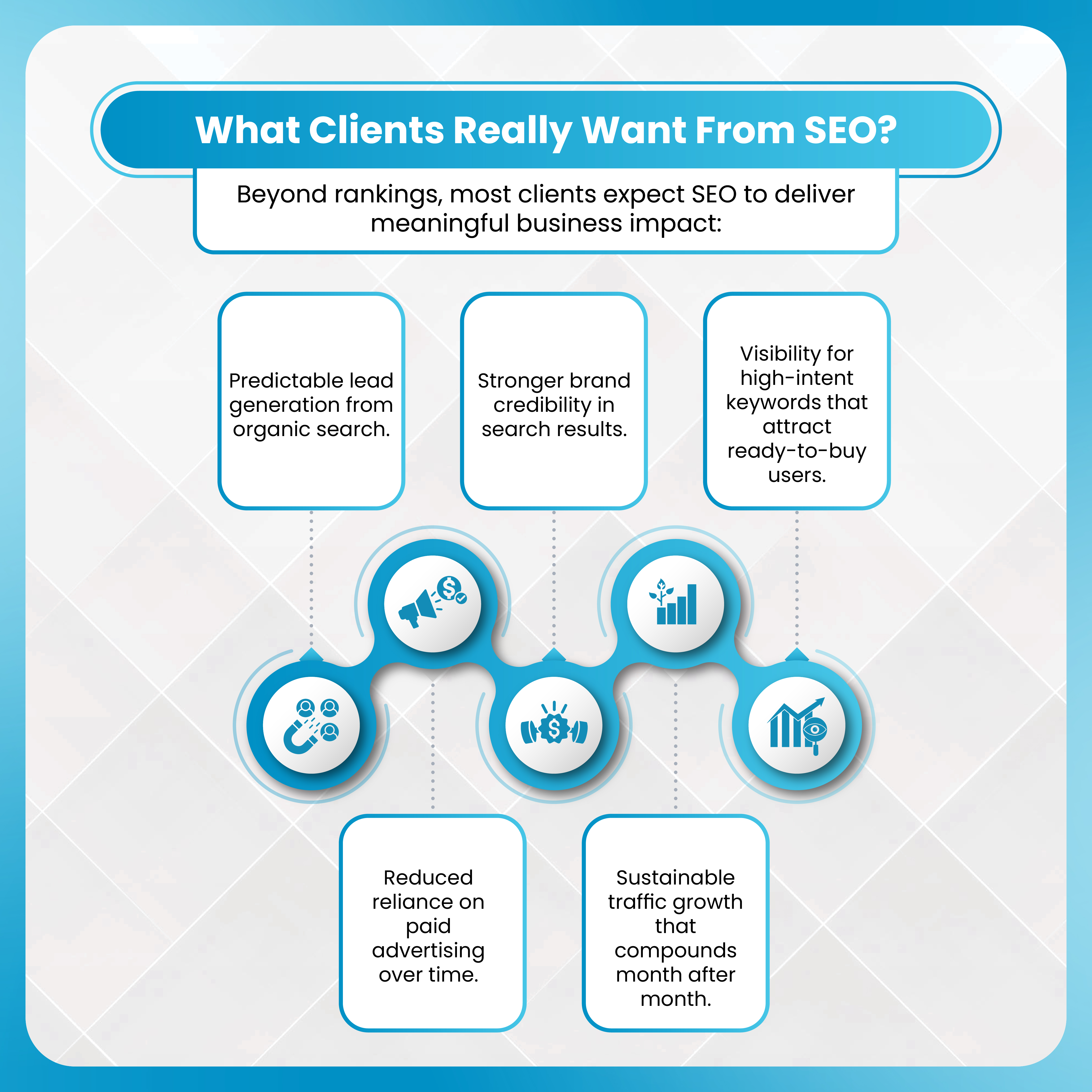
Even experienced professionals sometimes struggle with these discussions. SEO data can be technical, and explaining performance trends in simple language is not always easy. This is why many agencies turn to white label SEO services to strengthen both execution and communication.
Understanding the challenges behind these conversations is the first step toward handling them successfully.
The Most Challenging SEO Conversations Agencies Face
SEO discussions become difficult when expectations and results do not align perfectly. Agencies often encounter the same questions across different clients, industries, and campaigns.
While each situation is unique, several common conversations tend to appear repeatedly.
“Why Are Results Taking So Long?”
This is the most frequent question agencies hear.
Clients are accustomed to the quick turnaround of paid marketing channels. When they launch an advertising campaign, traffic can appear almost immediately. SEO operates very differently.
Search engines evaluate websites through multiple signals such as content relevance, backlinks, site structure, user engagement, and authority. These factors take time to build and influence rankings gradually.
Research from Ahrefs shows that only 5.7% of newly published pages rank in Google’s top 10 results within one year for high-volume keywords. This statistic highlights how competitive search rankings can be.
Several elements influence SEO timelines:
- Search engine crawling and indexing
- Building domain authority
- Earning high-quality backlinks
- Publishing consistent content
- Competing against established websites
When agencies explain these realities clearly, clients are more likely to understand why patience is necessary.
“Why Did Rankings Drop?”
Ranking drops often create anxiety for clients. Even a small decline in search position can lead to concerns about strategy performance. However, ranking fluctuations are a normal part of SEO. Many factors can influence changes in search visibility.
Common causes include:
- Google algorithm updates
- Competitors improving their content or link profiles
- Technical website issues
- Changes in search intent
- Content becoming outdated
Search engines constantly adjust their algorithms to improve user experience. According to industry estimates, Google makes thousands of search algorithm updates every year, with several major updates affecting rankings significantly.
For agencies, the challenge lies in explaining that temporary changes do not necessarily mean the strategy has failed.
“Why Aren’t We Ranking #1 Yet?”
Many businesses aim for the top search result. While this goal is understandable, achieving it can be extremely difficult depending on the keyword and competition.
Search rankings depend on several factors such as:
- Domain authority compared to competitors
- Backlink strength
- Content depth and quality
- Website history and trust signals
- Alignment with search intent
A new or smaller website competing against large brands may need significant time to close the authority gap. Helping clients understand keyword competitiveness is an important part of expectation management.
“Are We Getting ROI From SEO?”
One of the most sensitive discussions involves return on investment. Unlike paid ads, where conversion data is often immediate, SEO ROI develops gradually. Clients sometimes struggle to connect rankings, traffic, and revenue.
Agencies must explain how improvements in search visibility translate into long-term growth. If these conversations are handled poorly, they can impact trust, retention, and long-term contracts.
This is where white label SEO services become more than just an outsourcing solution. They provide the expertise and data needed to guide these discussions with confidence.
Why Agencies Struggle to Handle These Conversations Internally?
Even skilled agencies sometimes find it difficult to address challenging SEO questions. The issue is rarely a lack of effort. Instead, structural limitations often make these conversations harder than they should be.
1. Limited In-House SEO Expertise
Many marketing agencies offer a wide range of services including design, social media, advertising, branding, and web development. While they may provide SEO as part of their offerings, they might not have a large specialized team dedicated solely to search optimization.
SEO is a highly technical field. It involves understanding algorithms, analyzing data, and continuously adapting to search engine changes. Without deep expertise, explaining performance details to clients can become complicated.
2. Resource Constraints
Strong SEO analysis requires significant time and tools. Agencies must regularly conduct tasks such as:
- Technical SEO audits
- Backlink analysis
- Competitor research
- Keyword tracking
- Algorithm monitoring
Smaller teams may struggle to perform these tasks consistently while also managing client communication and campaign execution.
3. Communication Gap Between Technical SEO and Client Language
SEO specialists often speak in metrics and technical terminology. Clients, however, think in terms of business outcomes such as leads, sales, and revenue. This creates a communication gap. If data is not translated into simple insights, clients may feel confused about progress.
4. Pressure to Maintain Client Relationships
Agencies rely on long-term relationships for stability and growth. When results fluctuate or timelines extend, teams must address concerns while maintaining trust.
Handling these conversations requires two key abilities:
- Strong technical credibility
- Clear and confident communication
This is why many agencies partner with white label SEO services. These partnerships provide both execution expertise and strategic communication support.
How White Label SEO Support Strengthens Agencies During Difficult Conversations?
White label SEO providers act as behind-the-scenes specialists who support agencies with strategy, data analysis, and campaign execution. While the work is completed externally, it is delivered under the agency’s brand.
This model allows agencies to present expert-level insights to clients without expanding their internal teams.
White label SEO partners typically provide support in several key areas:
- Technical SEO expertise
- Data analysis and performance tracking
- Advanced reporting frameworks
- Strategic recommendations
With this support, agencies can respond to client concerns with accurate information and clear explanations.
1. Expert Validation
When agencies have access to experienced SEO professionals, they can confidently explain complex topics such as:
- Ranking changes
- Search algorithm updates
- Competitive landscape shifts
- Strategy adjustments
Instead of offering uncertain answers, they can rely on data-backed insights.
2. Data-Driven Insights
Advanced SEO providers often supply detailed analytics including:
- Competitive gap analysis
- Keyword ranking trends
- Traffic forecasts
- Content performance reports
These insights help agencies move the conversation beyond surface-level metrics.
3. Strategic Recommendations
Perhaps the most valuable benefit is the ability to explain what happens next.
Clients feel more confident when they see a clear action plan. White label SEO teams help agencies outline the steps needed to improve performance.
Consider a common scenario.
A client notices that rankings have dropped and asks for an explanation. Instead of responding defensively, the agency can present data showing:
- SERP volatility trends
- Recent algorithm updates
- Competitor activity changes
This transforms the conversation from uncertainty to strategy.
Beyond expertise, reporting also plays a major role in preventing difficult discussions from escalating.
4. White Label Reporting for Transparency and Trust
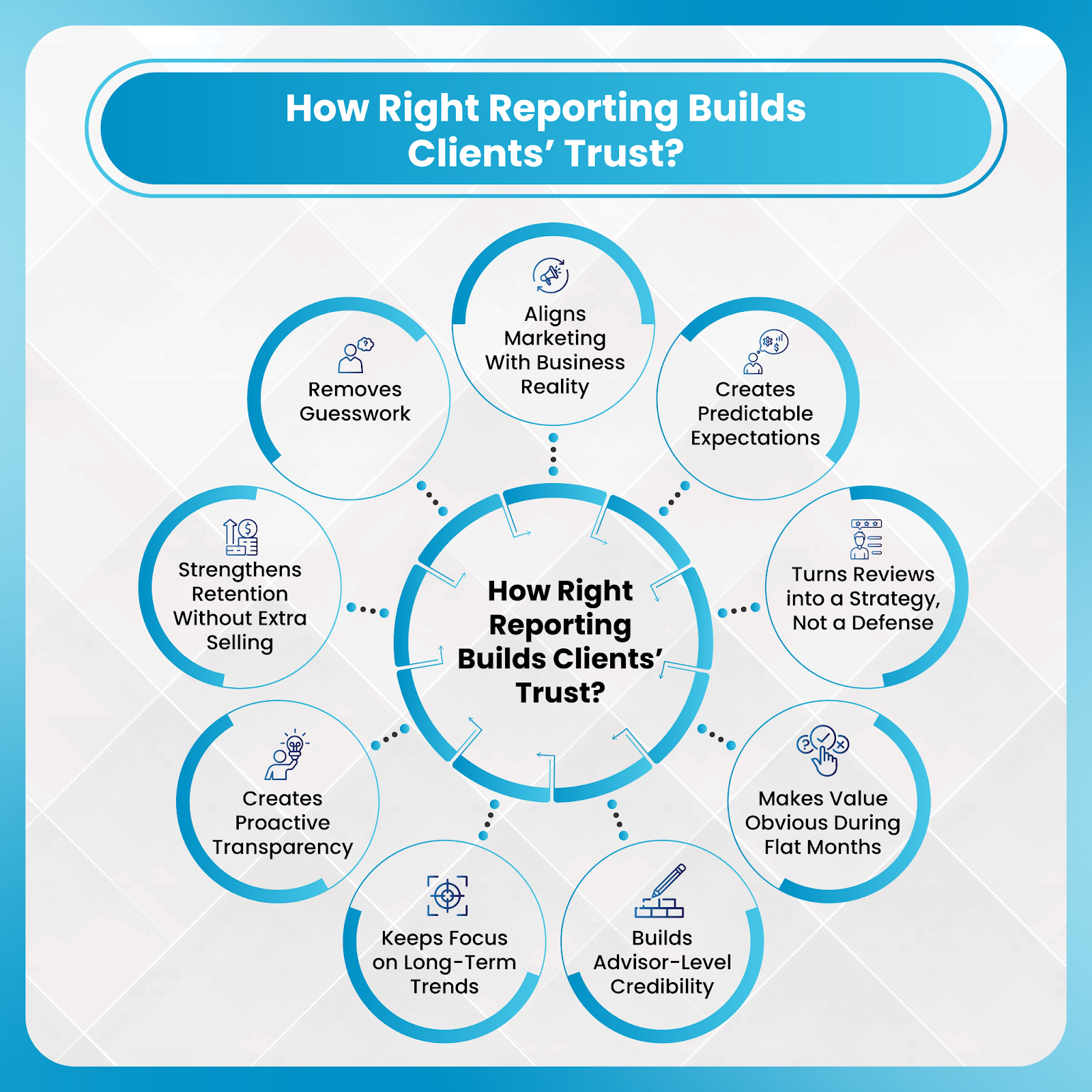
Clear reporting can dramatically change how clients perceive SEO progress. Most clients are not focused solely on rankings. What they really want is clarity. They want to understand what is happening, why it is happening, and what comes next.
White label reporting systems help agencies provide detailed insights without overwhelming clients with technical jargon.
Effective reports typically include:
- Keyword ranking movement
- Organic traffic trends
- Technical improvements
- Backlink acquisition progress
- Competitor benchmarking
When presented correctly, these metrics tell a story of steady growth.
For example, instead of simply saying rankings are fluctuating, agencies can explain:
- Organic impressions increased by 38% over three months
- 24 new keywords entered the top 20 results
- Technical crawl errors decreased by 72%
This approach shifts the focus away from short-term changes and highlights long-term progress. When clients see measurable improvements, they are more likely to remain patient with SEO timelines.
Transparent reporting naturally leads to the next important step: setting realistic expectations early in the relationship.
5. Realistic SEO Expectations With Data and Strategy
Managing client SEO expectations is one of the most effective ways to avoid difficult conversations later. White-label SEO partners help agencies create structured roadmaps that explain how campaigns typically develop over time.
A typical SEO timeline may look like this:
Months 1–2
- Technical SEO fixes
- Website audits
- Keyword research
- Strategy development
Months 3–6
- Content creation and optimization
- Link-building campaigns
- On-page improvements
Months 6–12
- Authority growth
- Ranking expansion
- Increasing organic traffic
Industry studies consistently show that most SEO campaigns require six to twelve months to deliver strong results in competitive markets. When agencies present this timeline clearly from the start, clients understand that SEO is a gradual investment rather than a quick win.
Documented expectations reduce misunderstandings and make future conversations easier. Even with careful planning, however, ranking fluctuations will still occur.
6. Handling Ranking Drops and Algorithm Updates With Expert Support
Search rankings are never static. They change constantly as search engines refine their algorithms and competitors adjust their strategies.
Several factors contribute to ranking volatility:
- Major search engine updates
- Competitor content improvements
- Changes in search intent
- Website technical issues
- New SERP features
White label SEO teams help agencies analyze these changes quickly.
Their support often includes:
- Algorithm update analysis
- Backlink audits
- Technical issue diagnosis
- Recovery strategy development
A typical recovery workflow might involve:
- Identifying affected keywords
- Reviewing competitor rankings
- Improving content relevance
- Strengthening internal linking
- Building new authority backlinks
With this structured approach, agencies can confidently communicate with clients. Instead of saying they are still investigating, they can explain the cause of the issue and present a recovery plan.
This proactive communication builds trust and reduces uncertainty.
How White Label SEO Gives Agencies Confidence in Client Meetings?
Confidence is essential when discussing SEO strategy with clients. When agencies know they have expert backing, their communication becomes more effective.
White label SEO partners often provide agencies with valuable resources before client meetings.
These may include:
- Campaign performance analysis
- Strategy documents
- SEO insights and talking points
- Technical explanations translated into simple language
With this preparation, agencies can confidently discuss topics such as:
- Search intent optimization
- Topical authority
- Competitor positioning
- Content strategy
- Technical improvements
Clients begin to see the agency as a strategic partner rather than just a service provider. Over time, this confidence improves relationships and strengthens trust.
The Long-Term Impact: Better Client Retention and Scalable Agency Growth
Successfully handling difficult SEO conversations directly impacts agency growth. When agencies communicate clearly and back their strategies with data, clients are more likely to stay for the long term.
White-label SEO partnerships contribute to several important business benefits.
- Higher Client Retention: Clients remain loyal when they understand the progress of their campaigns.
- Improved Credibility: Data-backed insights strengthen the agency’s authority.
- Scalability: Agencies can manage more clients without hiring large internal SEO teams.
- Strategic Positioning: Instead of simply delivering services, agencies become trusted growth advisors.
Many successful agencies retain SEO clients for years because they focus on transparency and education rather than quick promises.
Over time, difficult conversations turn into opportunities to strengthen relationships.

How DashClicks White Label SEO Supports Agencies in Difficult SEO Conversations?
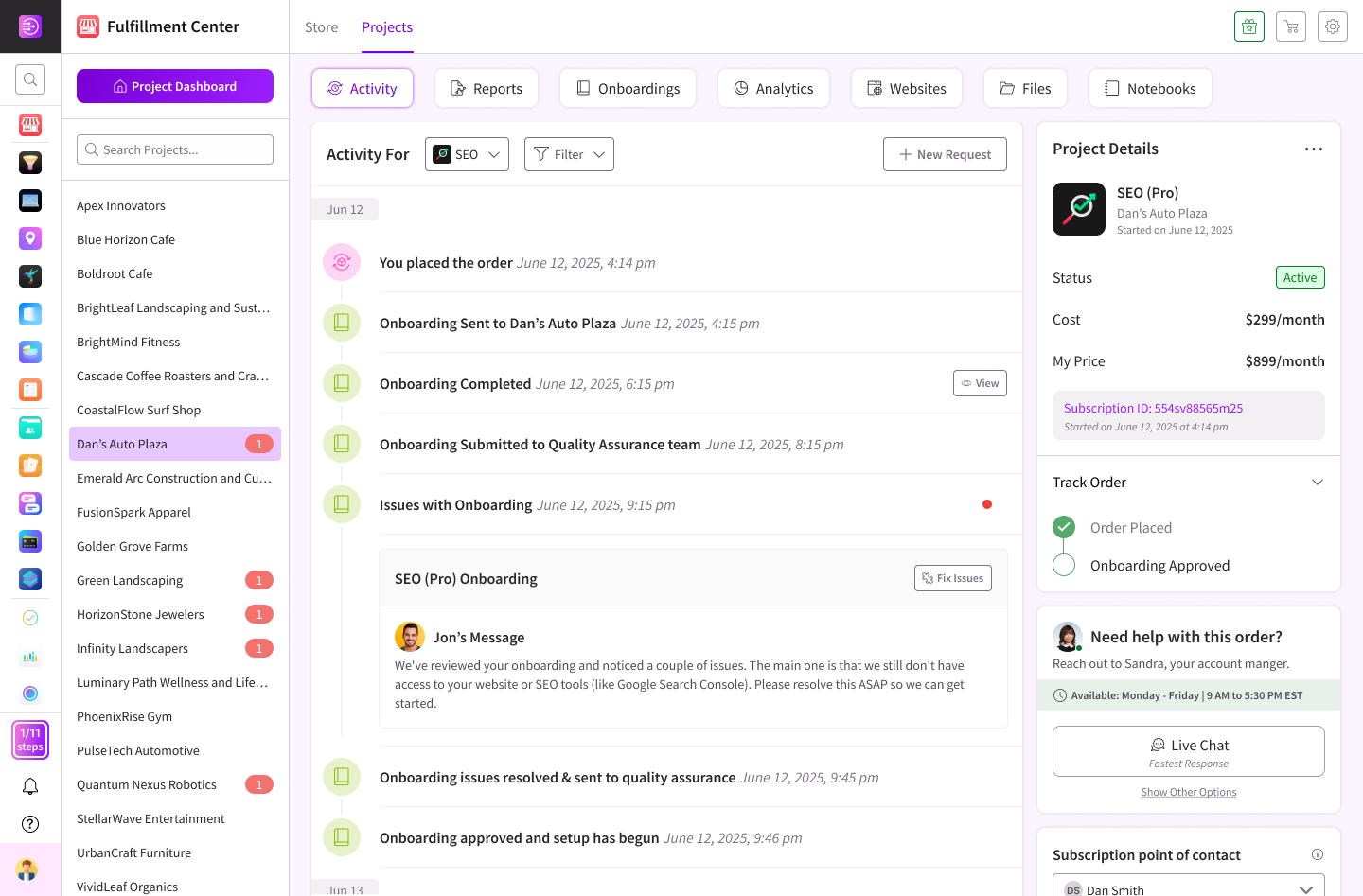
Handling complex SEO discussions becomes easier when agencies work with a strong white label partner. Platforms like DashClicks provide agencies with the tools, expertise, and reporting systems needed to communicate SEO performance with confidence.
The platform supports agencies with specialists experienced in white label SEO services who analyze ranking changes, traffic trends, and campaign performance in detail. Instead of relying on surface-level metrics, agencies receive in-depth insights that help explain both progress and fluctuations. It also provides transparent, white-labeled reports that present SEO data in a clear and professional format, making it easier to share meaningful updates with clients.
Beyond reporting, the company offers strategic guidance and actionable recommendations so agencies can respond confidently when clients ask about timelines, ranking changes, or return on investment. By combining expert analysis with simplified reporting, the service helps agencies turn potentially difficult SEO conversations into opportunities for education and trust-building.
Turning Difficult SEO Conversations Into Strategic Opportunities
Difficult SEO conversations are not a sign that something has gone wrong. They are simply part of working in a complex and constantly evolving industry.
SEO takes time. Rankings fluctuate. Competitors improve their strategies. Search engines update their algorithms regularly. These realities make occasional challenging discussions inevitable.
However, agencies that prepare for these conversations can turn them into positive moments that strengthen client relationships.
By combining strong SEO expertise with clear communication, agencies can:
- Explain campaign performance confidently
- Provide transparent progress reports
- Offer strategic next steps
- Build long-term trust with clients
White label SEO partnerships play an important role in making this possible. They provide the technical support, insights, and reporting systems that agencies need to communicate effectively.
Instead of avoiding tough discussions, successful agencies embrace them. Each conversation becomes an opportunity to educate clients, demonstrate expertise, and reinforce the long-term value of SEO.
If your agency wants the tools and expert support needed to navigate complex SEO conversations with confidence, explore how DashClicks can help you scale your services and deliver stronger client results.



.svg)


.svg)
.svg)
.svg)
.svg)
.svg)