

Agencies build location pages because local search behavior demands them. A plumbing company with five service areas needs more than one generic page to compete, and a multi-location client expects search visibility in every city, neighborhood, and service area they actually serve. Local landing pages exist to connect that search intent with the client's real geographic coverage.
The problem starts when a client's footprint grows from five locations to fifty, or from fifty to five hundred. Agencies producing that many pages often run into the same issues.
- Repetitive Content: Pages start to read like the same page with a new city name swapped in.
- Weak Local Relevance: Location details feel generic rather than tied to the business's actual presence in that area.
- Inconsistent Optimization: Some pages get full SEO treatment while others are rushed out with minimal structure.
- Quality-Control Gaps: Without a standardized process, errors and shortcuts become harder to catch at volume.
- Production Bottlenecks: Writers, strategists, and SEOs struggle to keep pace once the page count climbs.
- Maintenance Difficulty: Pages get published and then forgotten, with no plan for updates or performance review.
Scaling should mean creating a repeatable process, not duplicating the same page with a new city name. Agencies need a system that standardizes production while preserving what makes each location genuinely different. That system generally follows this path: location strategy, local research, a repeatable framework, production, SEO QA, internal linking, performance review, and ongoing optimization.
1. Start With a Location-Keyword Map
Before writing a single page, agencies should build a structured map connecting service, location, and search intent. This map becomes the planning layer that determines which locations actually deserve a dedicated page.
Not every city or neighborhood in a client's general vicinity warrants its own URL. Agencies should evaluate each potential location against several factors before committing production resources.
- Client Coverage: Confirm the business actually serves the area, not just that it's nearby.
- Search Demand: Consider whether people are realistically searching for the service in that location.
- Competition: Assess how crowded the local search results already are for that service and area.
- Business Relevance: Check whether the client has a genuine reason to target that location, such as past projects or local customer demand.
- Service Availability: Verify the specific service being promoted is actually offered in that area.
- Geographic Priorities: Align page creation with the markets the client cares most about expanding into.
Agencies should resist creating pages simply because a city name can be paired with a keyword. The location map should clarify which pages should exist, what each page should target, how pages should be prioritized, and which locations may not justify an individual page at all.
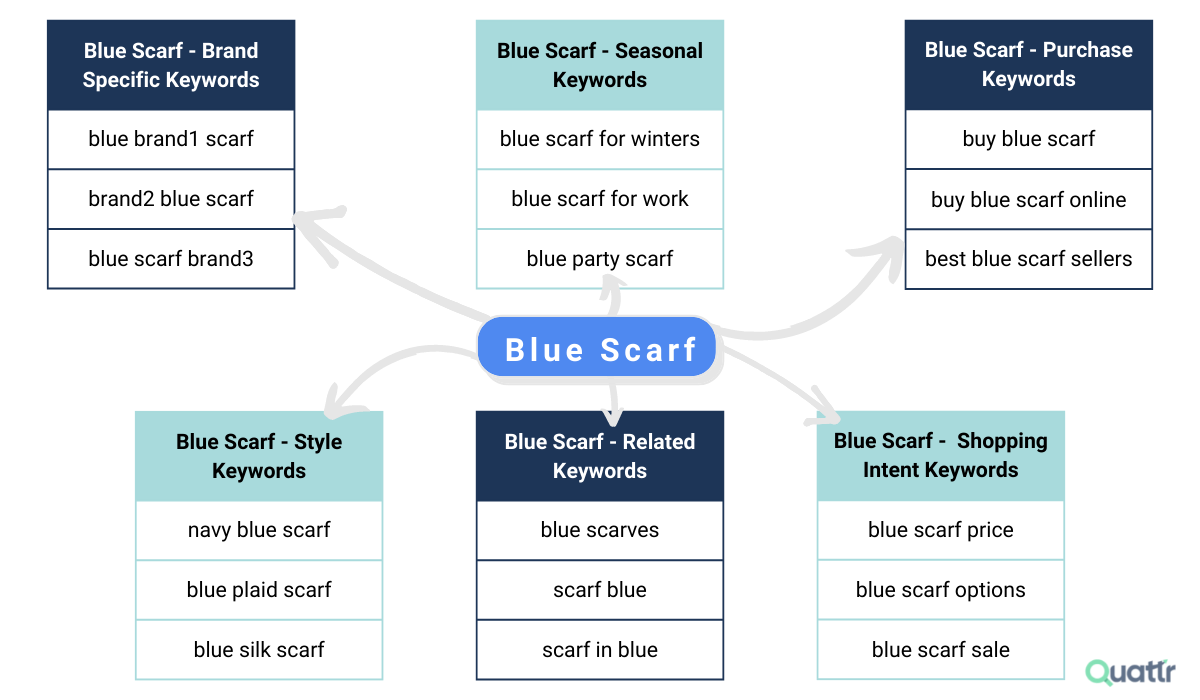
Image Source: Quattr
Further Reading: How to Do Keyword Mapping for SEO
2. Define What Makes Each Location Page Unique
Once the map is built, agencies need minimum requirements for local relevance before any page goes into production. This means identifying what genuinely distinguishes one location page from another.
Useful location-specific information includes:
- Services Available in the Area: Not every service a client offers is available everywhere, so this should be confirmed per location.
- Local Customer Needs: Common questions or concerns specific to that market.
- Relevant Neighborhoods: Sub-areas within a city that the business actually serves.
- Surrounding Areas: Nearby towns or regions that connect to the primary location.
- Service-area Details: Specific boundaries, response times, or logistics unique to that area.
- Local Proof Where Available: Genuine business information, such as completed work or recognizable local context.
Simply changing the city name, adjusting the title tag, and rewriting a sentence or two isn't enough to create a meaningful page. Agencies should understand the difference between template consistency and content duplication. A consistent framework is good practice. Identical content dressed up with a new city name is not.
A location-page content checklist helps writers stay consistent without resorting to copy-paste production.
- What services are available in this location? This confirms the page promotes something the business can actually deliver.
- What customer needs are common or relevant here? This shapes the messaging toward what local searchers actually care about.
- Which nearby areas does the business serve? This supports natural internal linking and broader relevance.
- What legitimate local information can be included? This keeps the page grounded in fact rather than filler.
- What differentiates this page from other location pages? This is the final check before a page moves into production.
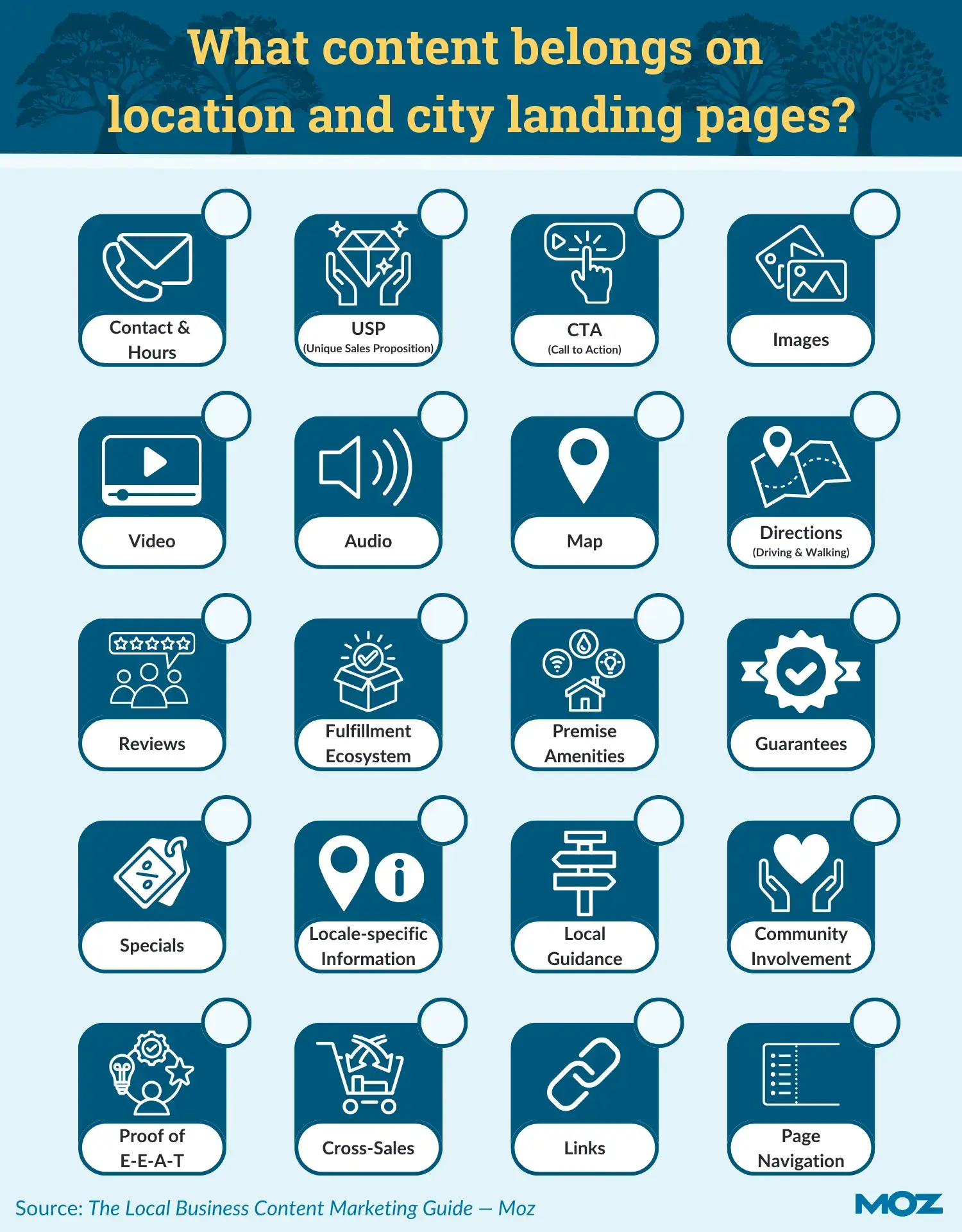
Image Source: Moz
3. Create a Repeatable Page Framework, Not Duplicate Content
Scalable production requires standardization, but that standardization should apply to process and information architecture, not to the actual copy. Agencies can lock down structural elements while still requiring original content for each location.
Elements that can stay consistent across pages include:
- Page structure and section order
- Metadata format and conventions
- CTA placement and style
- Internal-linking conventions
- Core SEO elements such as heading hierarchy
- Formatting standards
- QA requirements
Elements that need to remain location-specific include:
- Local information and context
- Search intent for that particular market
- Services actually offered in that area
- Service-area details
- Customer needs specific to that location
- Relevant neighborhoods
- Genuine business information
- Local proof where it exists
Keep the information architecture consistent while making the actual content locally relevant. This separation between reusable template elements and original research and writing is what allows agencies to gain production efficiency without turning out near-identical pages.
4. Build Local Relevance From Real Business Information
Meaningful local relevance should come from the client's actual business, not from manufactured location copy written to sound local. Agencies have several legitimate sources to pull from.
- Client-provided information: Direct input from the business about their work in a given area.
- Actual service areas: Confirmed boundaries rather than assumed coverage.
- Customer questions: Common inquiries that reveal what local searchers want to know.
- Project information: Real work completed in or near that location, where available.
- Location-specific expertise: Knowledge the business has about conditions, regulations, or needs unique to that area.
- Services available in specific areas: Confirmation that what's promoted on the page matches what's actually offered.
- Relevant business details: Anything concrete that ties the business to that location.
- Local customer needs: Patterns in what customers in that area tend to ask for or require.
Where applicable, agencies can also connect location pages to Google Business Profile information, local reviews, and other location-specific business details. Not every page needs every one of these elements, but each page should include enough genuine detail to feel grounded in reality rather than assembled from a template.
BrightLocal's 2025 research found that 85% of consumers consider contact information and opening hours important when researching local businesses. This reinforces why accurate, location-specific business information matters on these pages. It doesn't mean a location page alone guarantees rankings or conversions, but it does mean the basic business details on the page need to be correct and current.
5. Standardize SEO QA Before Pages Go Live
Higher production volume makes quality assurance more important, not less. A repeatable QA process catches issues before they multiply across dozens or hundreds of pages.
A location-page QA checklist should cover the following:
- Search intent: Confirm the page matches the reason someone would search for the service in that specific location.
- Keyword targeting: Verify the page targets the right service and location combination without stuffing.
- Title tag and meta description: Check that both are accurate, unique, and properly formatted.
- Heading structure: Confirm H1 and H2 tags reflect the page's actual content and hierarchy.
- Internal links: Make sure links point to relevant service pages, regional hubs, and related location pages.
- Location and service consistency: Verify the page references the correct city, service area, and services offered.
- Content similarity: Compare the page against other location pages to catch copy that is overly repetitive or only lightly modified.
- Business information: Check that name, address, and phone details are accurate where applicable.
- Indexability and canonicalization: Confirm the page is set to index correctly and isn't competing with a near-duplicate.
- Images and ALT text: Verify images are relevant and properly tagged.
- CTA and conversion elements: Confirm the call to action is present, functional, and appropriate for the page's intent.
6. Use Internal Linking to Connect Location Pages
Location pages shouldn't function as isolated landing pages disconnected from the rest of the site. A scalable internal linking structure connects main service pages, location pages, regional hub pages, and relevant blog or resource content.
- Service pages to location pages: Helps users and search engines understand which locations offer a given service.
- Regional hubs to location pages: Groups related cities or neighborhoods under a broader regional page for easier navigation.
- Related location pages to each other: Connects nearby markets where relevant, without forcing unnatural links.
- Supporting content to service and location pages: Blog posts or resources can point users toward the most relevant service or location page.
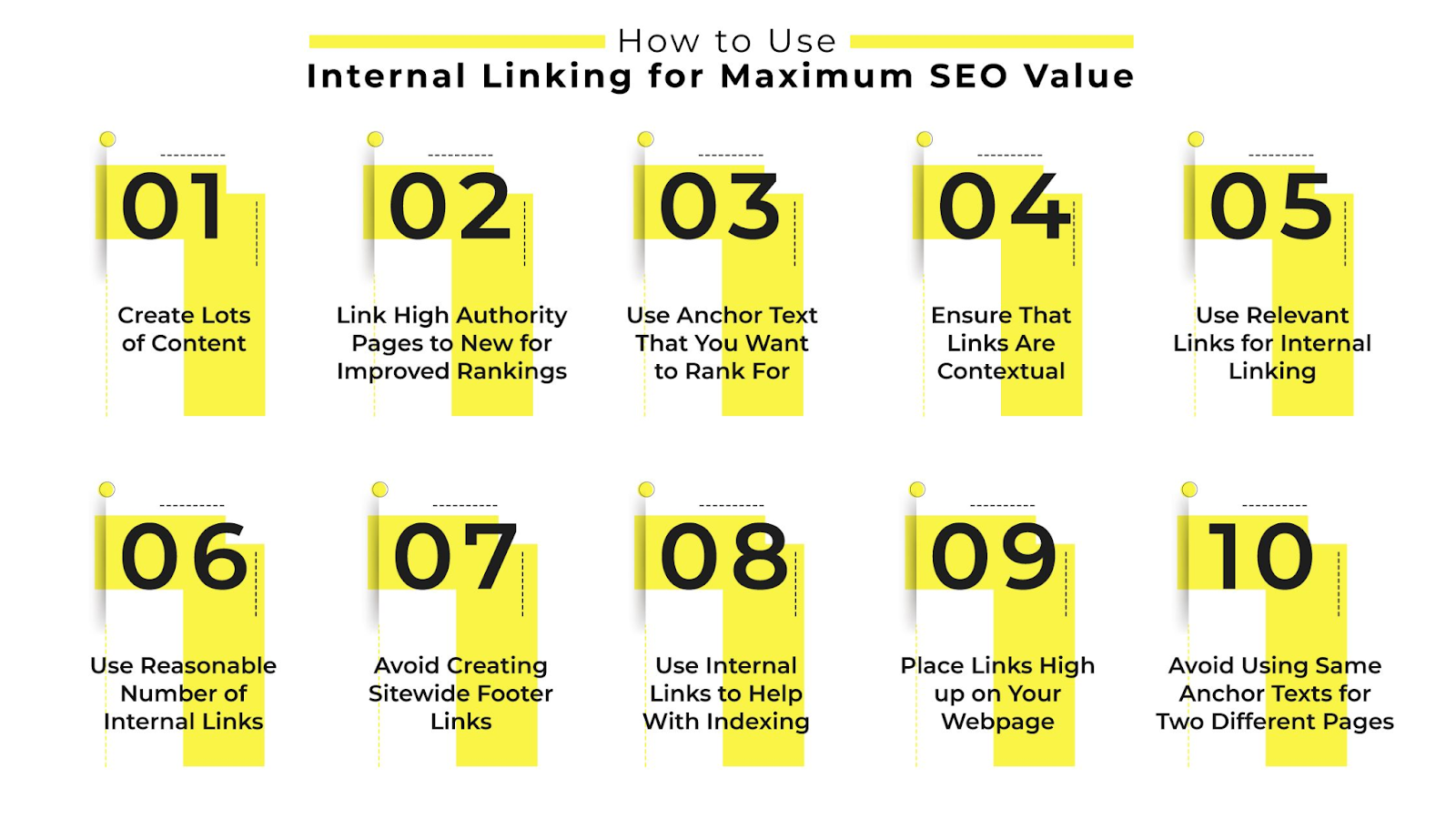
This structure helps users move between related content logically and keeps the site organized as the number of pages grows. Agencies should avoid excessive or repetitive internal-linking patterns, particularly the habit of using the exact same anchor-text pattern across hundreds of pages simply because the target location changes. Anchor text should stay descriptive and contextually appropriate to the page it points to.
7. Use Performance Data to Decide Which Pages Need Attention
Scaling doesn't end at publication. Agencies should build a recurring performance-review process to understand how location pages are actually performing once they're live.
Useful signals to monitor include impressions, clicks, rankings, conversions, and engagement. These signals help identify which pages need a closer look and what kind of attention they need.
- Impressions but weak CTR: The page may be appearing in search results but not attracting enough clicks, making the title and search-result presentation worth reviewing.
- Rankings Without Conversions: The page may be attracting relevant search visibility but may need a closer review of intent alignment, messaging, CTA, or conversion experience.
- Declining Organic Visibility: Compare recent performance with previous periods and investigate whether the page, search demand, competition, or broader site factors have changed.
- Little or No Search Visibility: Review whether the page has a clear search purpose, sufficient relevance, proper indexability, and a useful place within the site's architecture.
No single metric proves a page is working or failing on its own. Agencies should prioritize review and updates based on actual performance patterns rather than treating every page as equally urgent.
8. Scale Production With Clear Roles and SOPs
As location-page volume increases, bottlenecks tend to form wherever strategy, research, writing, SEO implementation, QA, and publishing lack clear ownership. Defining responsibilities across each stage keeps production moving without sacrificing quality.
A repeatable SOP structure typically covers the following stages.
- Location Research: This stage defines what information must be collected before writing begins, including service availability, search intent, and any genuine local details specific to that market.
- Content Briefs: Briefs should specify the service, location, search intent, required local information, target keywords, internal-linking requirements, and any other page-specific requirements writers need before starting.
- Page Production: This stage defines the writing and SEO standards every page must meet, from structure and tone to on-page optimization basics.
- Optimization: Published pages should be reviewed periodically based on performance data, with updates made where the data suggests a page needs attention.
- QA: A consistent pre-publication checklist, like the one outlined earlier, should be applied to every page before it goes live.
- Publishing: Final checks, such as confirming indexability, correct URL structure, and internal links, should happen immediately before publication.
- Performance Monitoring: A recurring process, whether monthly or quarterly, should track page performance and flag which pages need optimization attention next.
Standardized workflows like these can reduce bottlenecks as the number of locations increases. When internal teams don't have enough production or SEO capacity to maintain quality at scale, some agencies use a white label partner to fill that gap. Outsourcing fulfillment doesn't automatically improve quality on its own, but it can provide the additional capacity needed to keep pace with a growing location count without cutting corners.
9. Know When Not to Create Another Location Page
More pages do not automatically mean more SEO opportunities. This is one of the most important quality-control principles in local landing-page scaling, and it's often the easiest to ignore when a client's geographic ambitions outpace what the business can realistically support.
Agencies should avoid creating pages for:
- Locations where the client has no legitimate relevance: If the business doesn't genuinely serve the area, a page won't change that.
- Areas the business does not actually serve: Creating a page for coverage that doesn't exist misleads both search engines and potential customers.
- Keyword variations without meaningful search intent: Not every keyword variation represents a distinct enough search need to justify a separate page.
- Locations that would only receive near-identical copy: If there's nothing genuinely different to say about a location, it likely doesn't need its own page.
- Pages created solely to increase URL count: Volume for its own sake tends to create maintenance burden without real benefit.
Instead of defaulting to new pages, agencies have other options worth considering.
- Consolidating weak pages: Combining several thin location pages into one stronger regional page can improve relevance and reduce duplication.
- Improving existing pages: Updating underperforming pages with better content is often more valuable than publishing something new.
- Redirecting pages where appropriate: Pages that no longer serve a purpose can be redirected to a more relevant, stronger page.
- Removing unnecessary duplication: Pages that overlap too closely in content or intent may be candidates for removal.
- Strengthening useful location pages: Focus resources on pages that already show promise rather than spreading effort too thin.
These decisions depend on the client's actual service coverage, each page's purpose, its performance, the site's overall structure, and genuine business relevance. There's no universal rule that applies to every situation, but the underlying question should always be whether a page adds real value for users and the business it represents.
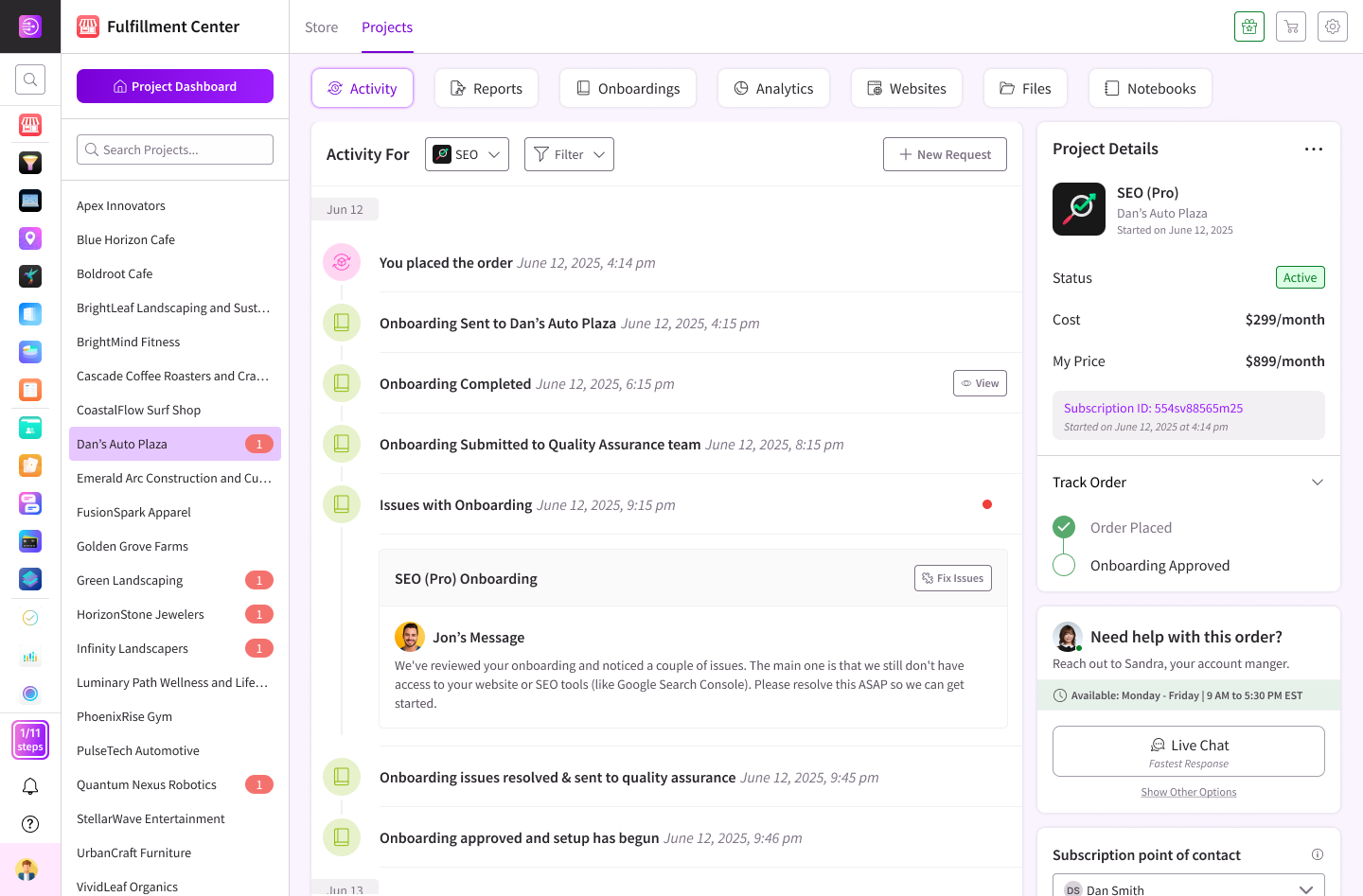
When agencies need additional capacity to manage this kind of SEO production at scale, DashClicks' white label SEO services can serve as an extension of the agency's existing team. This kind of partnership allows agencies to retain control over client relationships, branding, strategic direction, approvals, and quality expectations while adding execution support where it's needed.
DashClicks' relevant capabilities include SEO specialists, standardized processes and SOPs, content optimization, on-page SEO, technical SEO, local SEO, and reporting. The goal of this kind of fulfillment support is to help agencies keep up with production demands, not to take over strategy or replace the agency's role in the relationship.
Building Systems That Scale Without Losing What Makes Each Page Useful
Successful local landing-page scaling depends on a combination of strategy, genuine local relevance, standardized production, consistent QA, and ongoing optimization. None of these elements work well in isolation, and skipping any one of them tends to show up in page quality eventually.
The goal was never to publish the maximum possible number of pages. It's to build a system that maintains quality as a client's geographic footprint expands, whether that means five new cities or fifty. Location pages should always be grounded in genuine business relevance and real search intent, not created simply because a city name can be slotted into a template.
Templates and SOPs create production efficiency, but they shouldn't force every page into identical copy. QA needs to stay consistent regardless of how many pages are in the pipeline, and performance data should guide which pages get attention rather than treating every page as equally important. When internal capacity falls short, white-label fulfillment can help agencies keep pace, as long as it supports the agency's strategy and quality-control process rather than replacing it.
The strongest scalable local SEO systems balance efficiency with usefulness. The objective is to make production repeatable without making the resulting pages feel repetitive or disconnected from the locations they're meant to serve.