

.svg)

.svg)
.svg)
.svg)
.svg)
.svg)
AI has quickly shifted from being a competitive advantage to becoming a baseline expectation in modern delivery. Almost every development partner now claims to use AI in some capacity, whether it is to accelerate timelines, improve code quality, or reduce costs.
For digital marketing agencies, this shift is especially important. Agencies operate in fast-paced environments where turnaround times are tight, client demands evolve constantly, and the ability to build and iterate quickly can directly impact growth. Whether it is internal tools, automation systems, or client-facing platforms, the right development partner plays a critical role in how efficiently an agency can scale.
The challenge is that not all AI adoption is equal. Many vendors reference AI in their messaging, but few can clearly demonstrate how it is embedded into their actual workflows or how it translates into measurable outcomes.
This is where agencies begin comparing the best AI-assisted software development companies, looking beyond surface-level claims to understand who can truly deliver. The difference often comes down to execution, not positioning.
This guide is designed to help agencies evaluate that difference. It breaks down how to verify real AI integration, how it applies to agency-specific use cases, and what to look for when choosing a development partner that supports long-term scalability.
Why AI-Assisted Development Matters for Agencies?
Digital marketing agencies operate in an environment that is fundamentally different from traditional software buyers. The work is fast-paced, client-driven, and constantly evolving. What worked last quarter may need to be rebuilt or improved today.
This creates a unique set of challenges:
- Agencies need to deliver quickly without sacrificing quality.
- They often manage multiple client projects simultaneously.
- They are expected to innovate while maintaining consistency.
- They must scale output without proportionally increasing costs.
AI-assisted development, when implemented correctly, can help address these challenges in practical ways.
It enables faster development cycles by reducing the time spent on repetitive tasks. It improves consistency by assisting with code structure and testing. It allows teams to prototype ideas quickly, which is especially valuable when pitching or validating new services. Most importantly, it gives agencies the ability to build and scale systems without expanding internal teams at the same rate.
However, these benefits are not automatic. They depend entirely on how AI is used within the development process. If AI is only used superficially, the impact will be limited. If it is integrated deeply, it can change how agencies operate.
The Gap Between AI Claims and Actual Implementation
One of the biggest challenges agencies face today is distinguishing between vendors who genuinely use AI and those who simply talk about it.
Many development partners include AI in their messaging, but fail to demonstrate how it influences real work. They may reference productivity gains or automation, but cannot explain where those gains come from or how they are measured.
This creates risk for agencies. Choosing the wrong partner can lead to missed deadlines, inconsistent quality, or systems that require constant rework. To avoid this, agencies need to shift their evaluation approach. Instead of accepting general statements, the focus should be on specific, verifiable practices.
The goal is to understand how AI is used in day-to-day execution, not just how it is positioned in sales conversations.
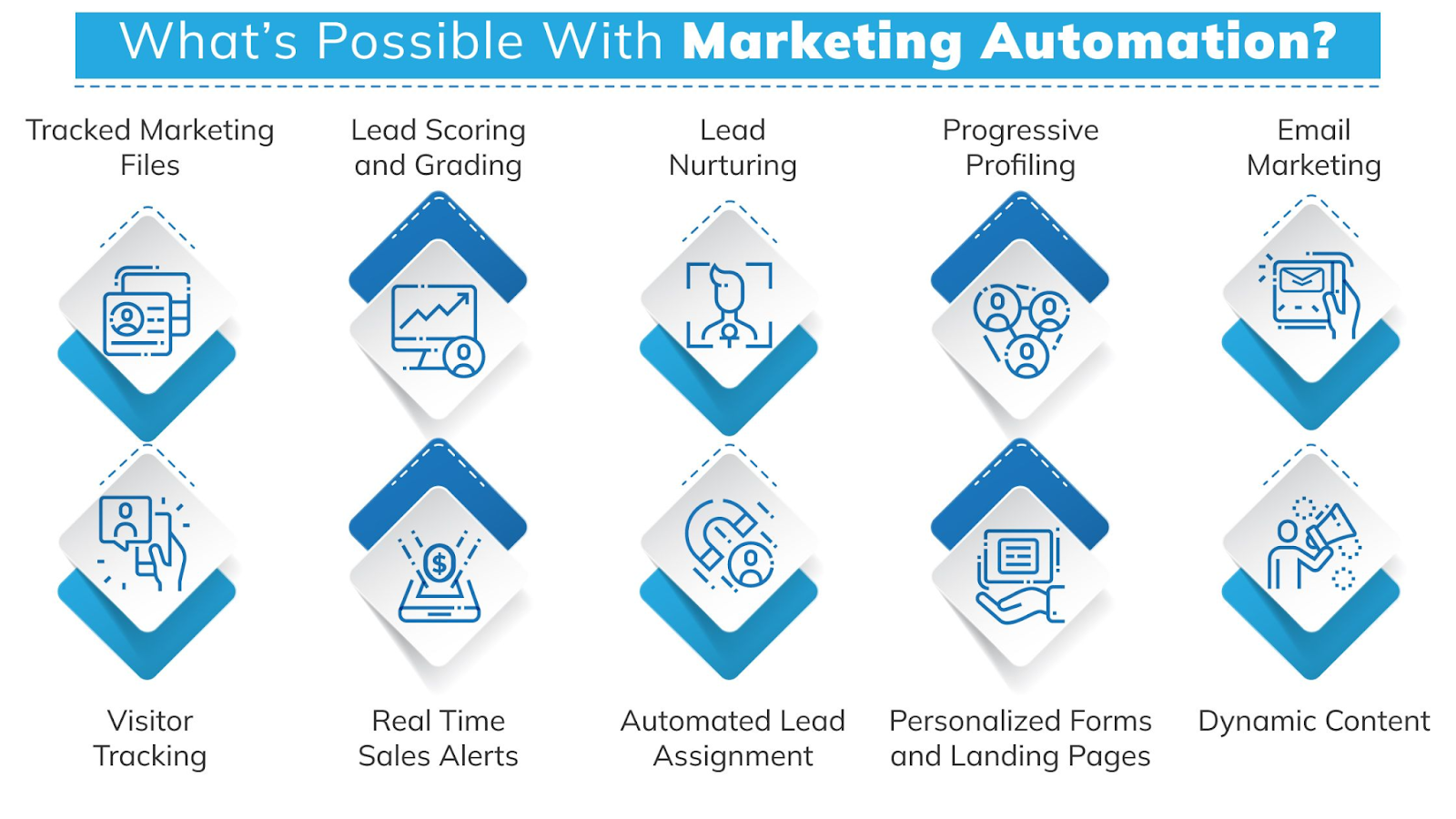
Further Reading: How to Automate Your Digital Marketing Agency Tasks and Workflows
How to Verify Real AI Integration?
When evaluating a development partner, agencies should look for clear signals that AI is embedded into the workflow.
1. AI Usage Across the Entire Development Lifecycle
A strong partner should be able to explain how AI supports each stage of the software development lifecycle. During requirements gathering, AI can help analyze inputs, structure documentation, and generate initial drafts of user stories or workflows. This is especially useful for agencies working with multiple clients, where clarity and speed are essential.
In the design phase, AI can assist with architecture suggestions, system flows, and identifying potential inefficiencies before development begins. During implementation, AI tools can support developers with code generation, refactoring, debugging, and maintaining consistency across large codebases.
In testing, AI can generate test cases, identify edge cases, and improve coverage without significantly increasing manual effort. In deployment and maintenance, AI can help monitor systems, detect anomalies, and recommend optimizations over time.
If a partner only mentions AI in the coding phase, it is a sign that adoption is limited.
2. Clear Tooling and Practical Use Cases
Another strong indicator of real AI usage is the ability to name tools and explain how they are used. Teams that actively use AI do not speak in vague terms. They can describe how specific tools fit into their workflow and what problems they solve.
For example, they may use AI within development environments to assist with code writing and debugging. They may rely on internal systems to ensure that generated code aligns with existing patterns. They may use automation tools to speed up testing and deployment.
If a partner avoids naming tools or gives overly generic answers, it suggests that AI is not deeply integrated.
3. Governance, Control, and Human Oversight
AI can introduce risks if it is not managed properly. This is particularly important for agencies, where errors can directly affect client deliverables. A reliable partner should have structured processes in place to manage these risks. This includes documented guidelines for how AI is used, clear review processes for AI-generated output, and defined responsibilities for quality and security.
Human oversight should not be optional. Every piece of AI-generated work should go through validation before it reaches production. Agencies should also look for evidence that the partner has considered issues such as data privacy, intellectual property, and long-term maintainability.
4. Measurable Outcomes and Real Impact
Claims about AI are easy to make. What matters is whether those claims are backed by measurable results. A strong partner should be able to connect AI usage to outcomes such as faster delivery, improved productivity, or better quality.
These outcomes should be reflected in real work. They may appear in case studies, internal benchmarks, or demonstrated workflows. If results are described in vague or general terms, it becomes difficult to assess whether AI is actually making a difference.
5. Investment in Internal Systems
The most advanced teams go beyond using individual tools. They invest in building internal systems that enhance how AI is used. This may include automation frameworks, knowledge systems that connect to codebases, or internal tools that standardize workflows.
These investments indicate that AI is not being treated as an experiment, but as a core part of the delivery model. For agencies, this level of maturity often translates into more reliable and scalable outcomes.
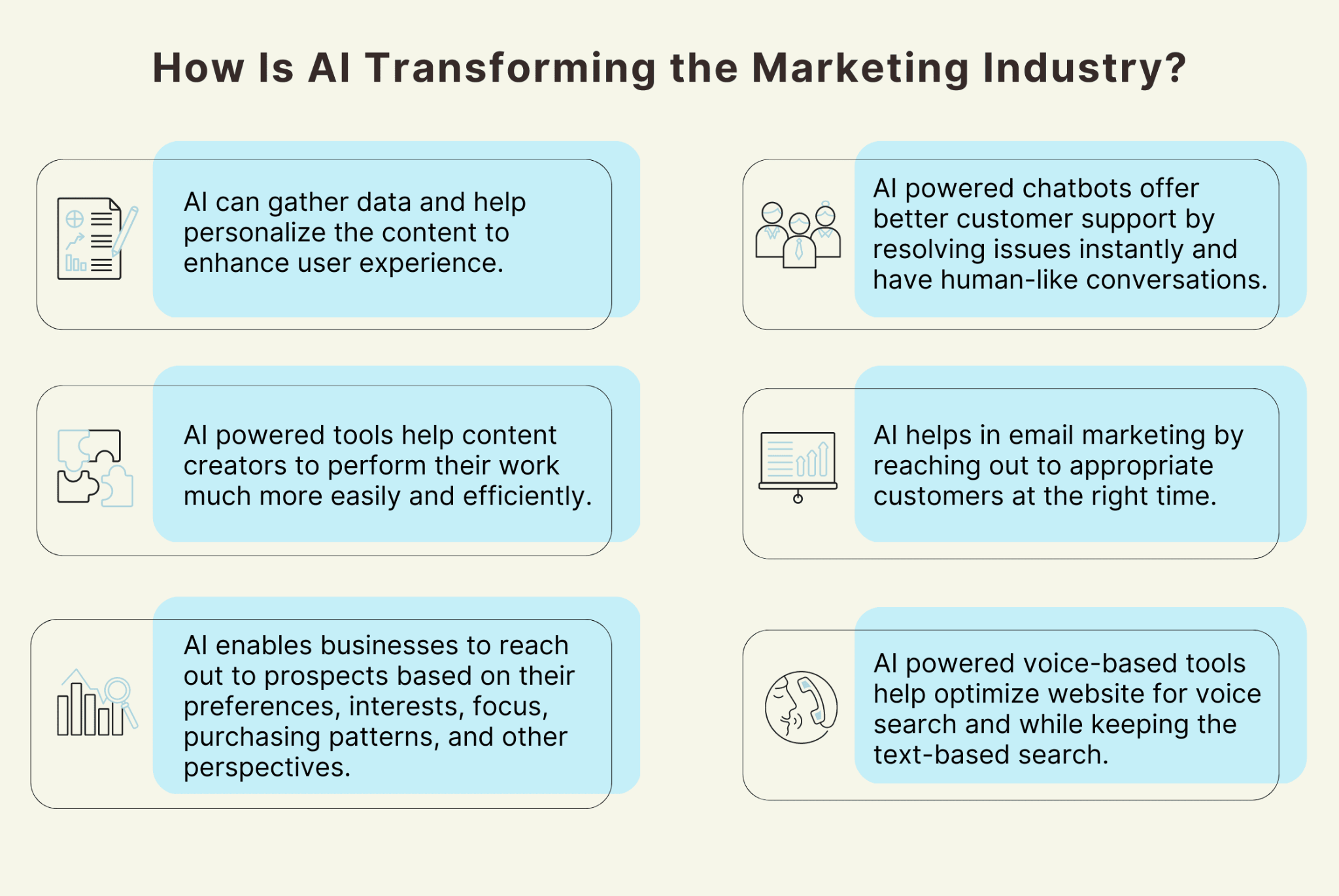
How AI-Assisted Development Supports Agency Use Cases?
To understand the real value of AI-assisted development, it is important to look at how it applies to common agency scenarios.
1. Building Internal Tools
Many agencies rely on internal tools to manage operations. These may include reporting dashboards, campaign tracking systems, or performance analytics platforms.
AI-assisted development can significantly reduce the time required to build and improve these tools. It allows agencies to move faster from idea to implementation, while maintaining a high level of quality.
2. Automating Repetitive Workflows
Automation is one of the most valuable areas for agencies. Tasks such as lead routing, CRM updates, reporting, and campaign triggers can consume a significant amount of time.
AI can help accelerate the development of these systems, making it easier to automate processes that would otherwise require manual effort. This not only improves efficiency but also reduces the risk of human error.
3. Rapid Prototyping and Validation
Agencies often need to present ideas to clients quickly. In many cases, having a working prototype is far more effective than presenting a concept. AI-assisted development makes it possible to build prototypes in a fraction of the time. This allows agencies to test ideas, gather feedback, and iterate quickly.
It also strengthens client confidence, as they can see and interact with real solutions.
4. Scaling Productized Services
As agencies grow, many look to create repeatable offerings or productized services. This may include SaaS platforms, standardized tools, or packaged solutions. AI can support this by enabling faster development, consistent architecture, and easier updates.
This makes it possible to scale services without significantly increasing complexity.
Common Pitfalls Agencies Should Avoid
While AI-assisted development offers many benefits, there are also potential pitfalls.
One common issue is overreliance on AI without proper validation. This can lead to inconsistent quality or hidden errors. Another risk is choosing a partner based on marketing claims rather than proven capability. This often results in unmet expectations.
Agencies should also be cautious of partners who cannot explain their processes clearly. Lack of transparency is usually a sign of weak implementation. Finally, it is important to consider long-term maintainability. Systems built quickly without proper structure can become difficult to manage over time.
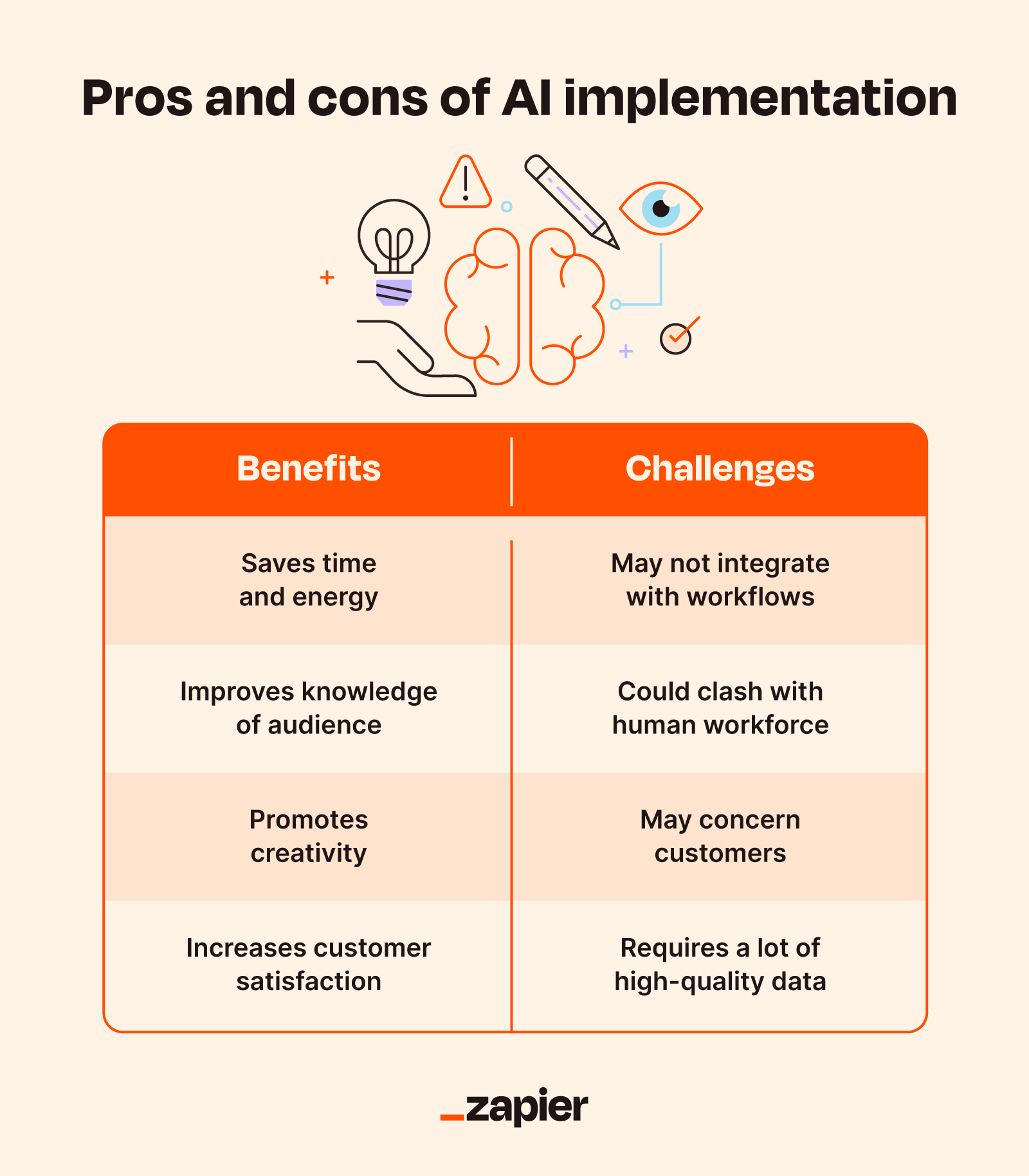
Image Source: Zapier
Further Reading: AI Tools: Pros and Cons for Marketing Agencies
Questions Agencies Should Ask Before Signing
To make informed decisions, agencies should ask targeted questions during the evaluation process.
Q1. What tools do your developers use on a daily basis, and how do they fit into your workflow?
Ans. This helps verify whether AI is actually used in practice.
Q2. How do you review and validate AI-generated code?
Ans. There should be a clear process for ensuring quality and security.
Q3. How do you manage risks such as incorrect outputs or technical debt?
Ans. A strong partner will have strategies in place to address these challenges.
Q4. Do you have a structured approach or policy for AI usage?
Ans. This indicates whether AI is treated as a system rather than an ad hoc tool.
Q5. How will your approach improve delivery for an agency like ours?
Ans. The answer should be specific to agency needs, not generic benefits.
The Role of AI in Agency Growth
AI-assisted development is not just about efficiency. It plays a broader role in how agencies evolve.
It enables agencies to expand their capabilities, offer new services, and improve client experiences. It supports faster execution, which is essential in a competitive environment. It also allows agencies to operate more strategically. Instead of focusing on repetitive tasks, teams can focus on higher-value work such as strategy, creativity, and client relationships.
However, these benefits depend on choosing the right partner. The wrong choice can create more problems than it solves.
Where DashClicks Fits into an AI-Assisted Agency Workflow?
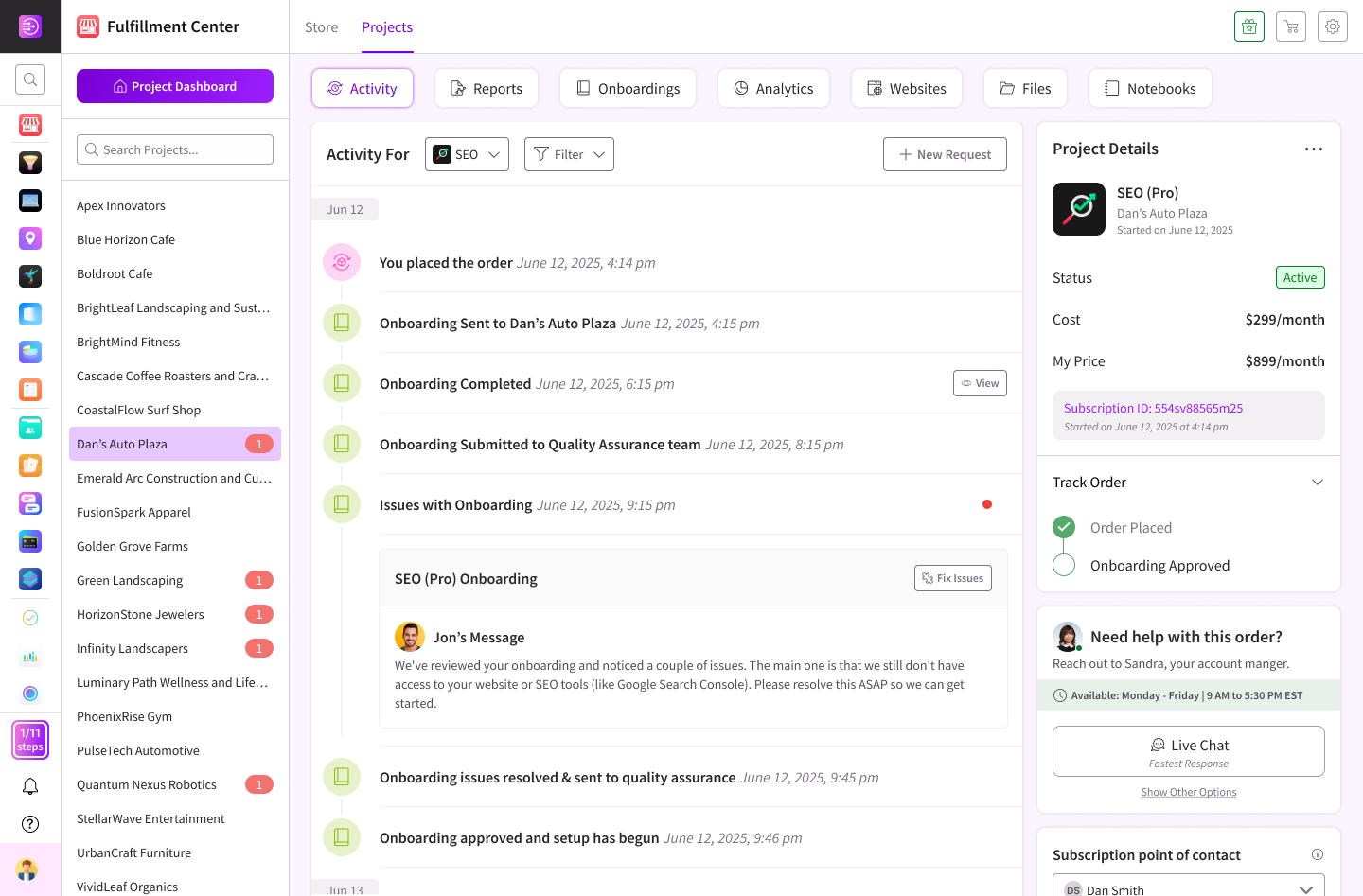
For digital marketing agencies, the challenge is not just building tools but managing reporting, client communication, and day-to-day operations at scale. Platforms like DashClicks help bridge this gap by providing a structured operational layer alongside AI-assisted development.
Instead of rebuilding common systems such as reporting dashboards or client portals, agencies can rely on an integrated platform to handle:
- Automated reporting
- Client-facing dashboards
- Workflow and task management
- White-label service delivery
This allows development efforts to focus on custom solutions and differentiation rather than recreating standard functionality. When combined with AI-assisted development, this approach helps agencies move faster, reduce operational overhead, and maintain consistency across client work.
For decision-makers, this creates a more balanced approach where AI drives innovation, and a platform like DashClicks supports scalability and execution.
Final Thoughts
For digital marketing agencies, AI-assisted development is becoming an essential part of growth and scalability. The key is not to focus on who claims to use AI, but on who can demonstrate how it is integrated into real workflows.
Agencies should prioritize partners who are transparent, structured, and able to connect AI usage to measurable outcomes. By asking the right questions and focusing on verifiable practices, agencies can make informed decisions that support long-term success.
The difference between surface-level adoption and real integration is significant. It affects speed, quality, and the ability to scale. Choosing the right partner ensures that AI becomes a meaningful advantage, not just another line in a proposal.



.svg)


.svg)
.svg)
.svg)
.svg)
.svg)