

.svg)

.svg)
.svg)
.svg)
.svg)
.svg)
Many SEO campaigns don’t fail because teams aren’t working hard enough. In fact, effort is rarely the problem. The real issue is that a lot of campaigns are focused on the wrong things.
It’s common to see brands investing in content, backlinks, and technical improvements, yet their rankings plateau, traffic stalls, and conversions remain flat. This can be frustrating, especially when everything appears to be “done right” on the surface.
The truth is simple. SEO performance suffers when the strategy is disconnected from search intent, business goals, or the realities of the market. You can publish more blogs, build more links, and fix more technical issues, but if the direction is off, results won’t improve.
This is where white label SEO partners come into play. They are not just behind-the-scenes executors. The best ones act as strategic operators who help agencies rethink and realign their approach.
If execution isn’t the real issue, then where exactly do SEO campaigns go wrong?
The Real Problem: Misaligned SEO Strategy (Not Poor Execution)
1. Targeting Keywords That Don’t Drive Business Outcomes
One of the most common issues is focusing on keywords that bring traffic but not value.
High search volume can look appealing, but not all traffic leads to revenue. For example, ranking for informational queries might increase visitors, but if a business needs leads or sales, that traffic won’t convert.
This mismatch between keyword intent and business goals is one of the biggest silent killers of SEO ROI. Without aligning keywords to user intent and conversion potential, even top rankings can feel meaningless.
2. Content That Ranks But Doesn’t Convert
It’s possible to rank well and still fail to generate results.
Many pages are over-optimized for search engines but lack depth, originality, or real value for users. They may attract clicks but fail to engage or convert visitors.
According to Backlinko, about 75% of users never scroll past the first page of search results. This highlights how important rankings are. But ranking alone is not enough. Content must also match user expectations and provide a reason to take action.
Thin content strategies that rely on isolated blog posts often struggle to build authority. Today, search engines favor comprehensive content ecosystems that demonstrate expertise across a topic.
3. Technical SEO Fixes Without Strategic Context
Technical SEO is essential, but it is often misunderstood.
Many campaigns focus heavily on audits, page speed, and indexing issues. While these are important, they don’t automatically lead to growth. Fixing what is broken is not the same as building what drives results.
Without a clear strategy, technical improvements can become a checklist exercise rather than a growth driver.
4. Stagnant Strategies in Dynamic SERPs
Search engines are constantly evolving. Google alone makes thousands of updates every year, adjusting how content is ranked and displayed.
Recent changes have placed more emphasis on helpful content, user experience, and expertise signals. AI-driven search features are also changing how users interact with results.
Agencies that fail to adapt their strategies quickly often find their campaigns losing momentum. What worked six months ago may not work today.
5. Resource Constraints Inside Agencies
Even strong agencies face internal limitations.
Teams are often stretched across multiple clients, leaving little time for experimentation or strategic resets. This can lead to a “maintenance mode” approach where campaigns continue on the same path without questioning whether that path is still effective.
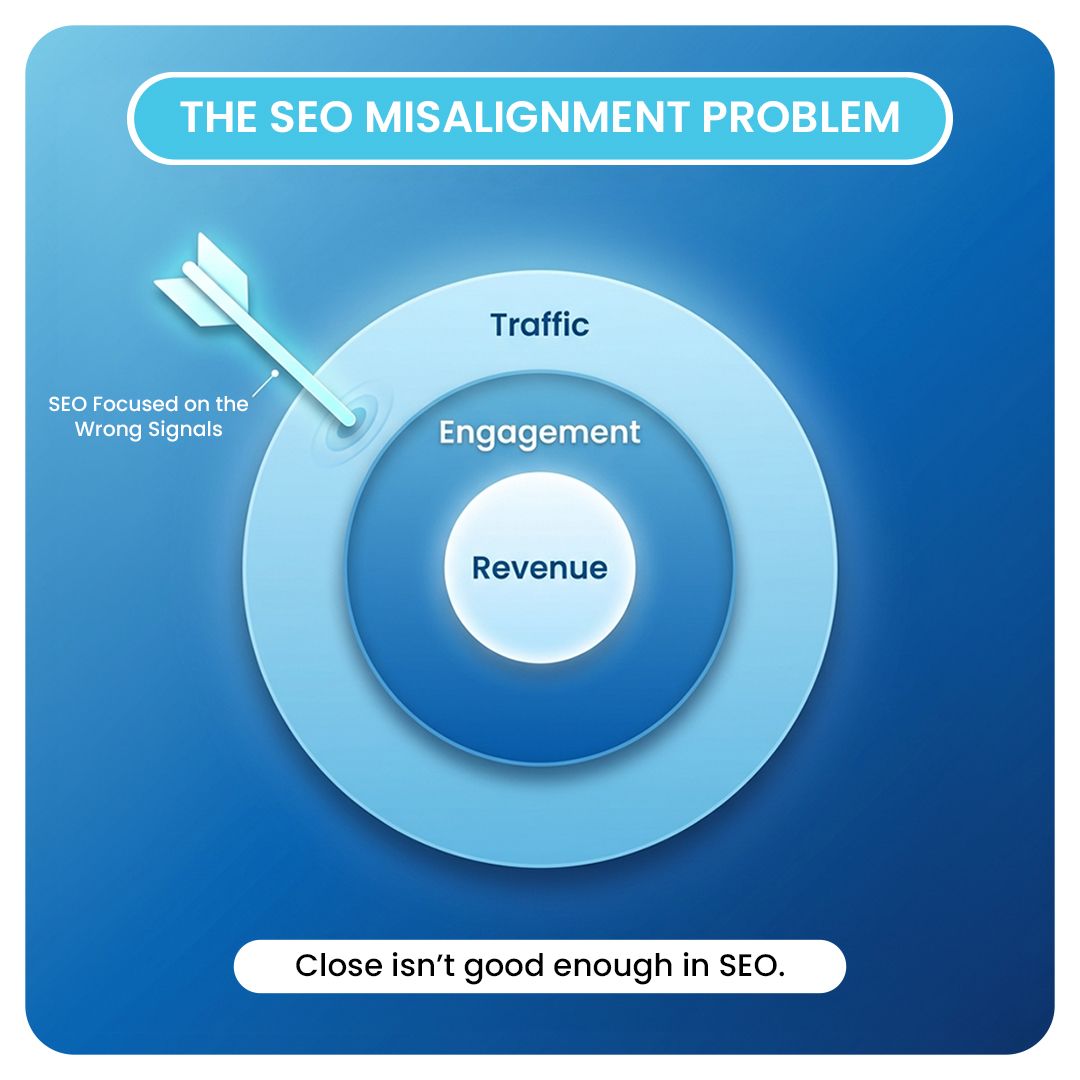
If the core issue is strategic misalignment, then improving execution alone won’t solve the problem. What’s needed is a way to rethink direction without disrupting operations.
White Label SEO as Behind-the-Scenes Growth Engineers
1. Moving from Execution Vendors to Strategic Partners
White label SEO has evolved significantly over the years.
Instead of simply handling tasks like link building or content creation, modern white label partners act as an extension of an agency’s strategic team. They help identify gaps, uncover opportunities, and refine direction.
This shift from execution to strategy is what makes them valuable in fixing underperforming campaigns.
2. Objective, Data-Driven Reassessment
An external partner brings something that internal teams often lack: objectivity.
White label SEO experts can evaluate campaigns without bias. They focus on data, not assumptions. This includes:
- Mapping keywords to actual revenue potential
- Analyzing competitor strategies and gaps
- Reassessing search intent across target queries
A fresh perspective often reveals missed opportunities that internal teams may overlook due to familiarity or time constraints.
3. Rapid Testing and Iteration Frameworks
Speed matters in SEO.
White label SEO team enables faster testing and iteration by removing internal bottlenecks. This allows agencies to experiment with:
- Different content formats
- SERP feature optimization, such as featured snippets and FAQs
- Structural changes to improve engagement
Industry benchmarks consistently show that companies that test and optimize frequently see stronger conversion improvements. The ability to adapt quickly can make a significant difference in campaign performance.
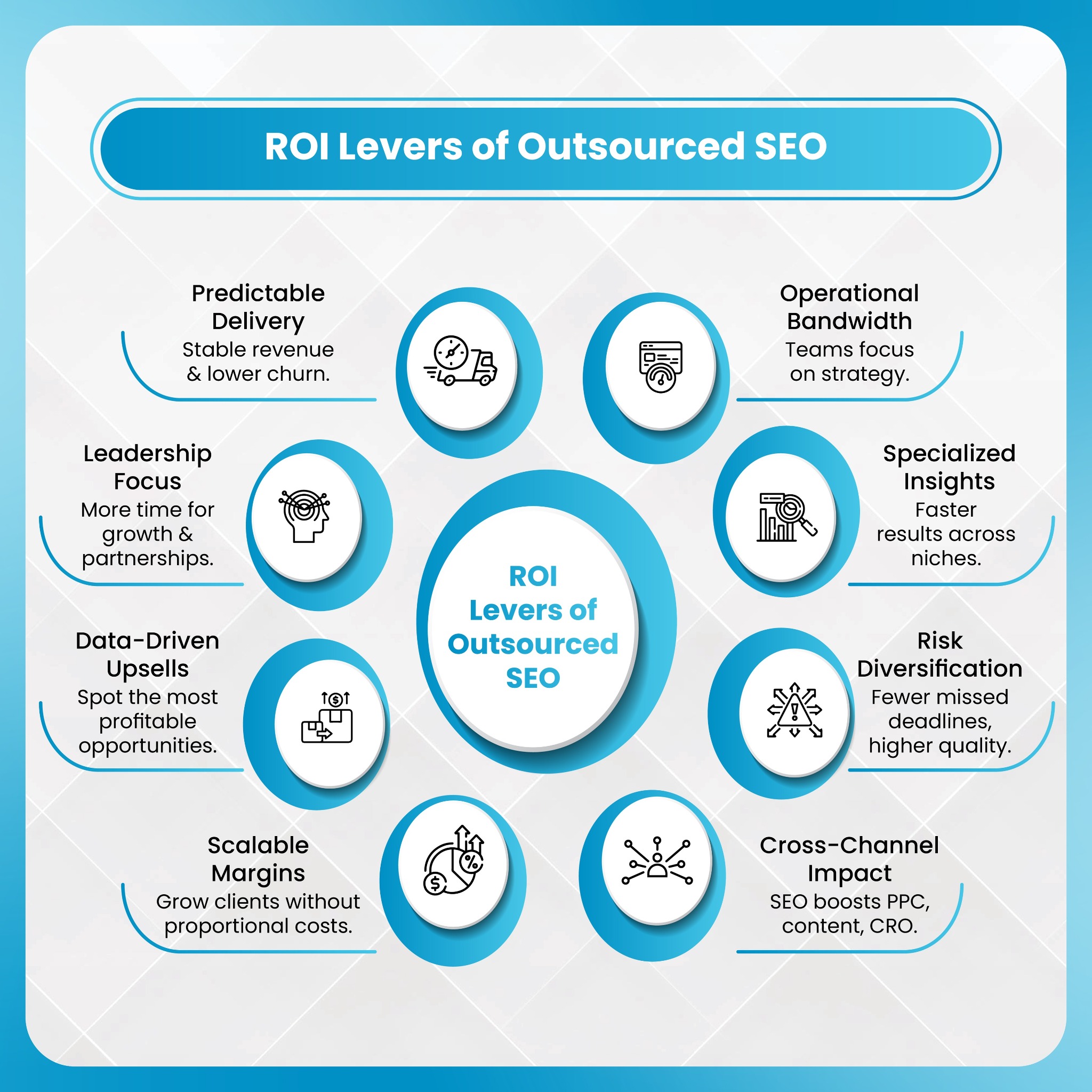
Strategy recalibration is only useful if it leads to measurable improvements. So how do white label SEO experts actually fix underperforming campaigns?
How White Label SEO Fixes Underperforming Campaigns?
Step 1: Diagnose the Real Growth Blockers
The first step in turning around an underperforming SEO campaign is gaining absolute clarity on what is holding it back. Many campaigns continue to struggle simply because they rely on surface-level audits that highlight issues but fail to explain their real impact on growth.
White label SEO teams take a more focused and analytical approach. Instead of producing long lists of generic recommendations, they dig deeper into performance data to uncover the actual bottlenecks. This means identifying whether the issue lies in strategy, execution, or alignment with user intent.
Common growth blockers often include:
- Misaligned search intent, where the content does not match what users are actually looking for
- Weak content depth that fails to compete with high-quality pages already ranking
- Lack of authority in critical topic areas makes it difficult to build trust with search engines
- Technical barriers such as poor crawlability, indexing issues, or inefficient site structure
By isolating the true causes of underperformance, white label experts ensure that every action taken moving forward is purposeful. This prevents wasted effort and sets the foundation for meaningful improvement.
Step 2: Rebuild Keyword and Intent Strategy
Once the core issues are identified, the next step is to rebuild the keyword strategy with a clear focus on intent and business outcomes. Many campaigns rely too heavily on search volume as the primary decision-making factor, which often leads to traffic without conversions.
White label SEO experts shift the focus toward understanding why users are searching in the first place. Keywords are mapped to intent and aligned with different stages of the customer journey.
This typically includes:
- Informational keywords that educate users and build awareness
- Navigational queries that help users find specific brands or services
- Commercial and transactional keywords that indicate buying intent and drive conversions
This structured approach creates a more balanced funnel. Instead of attracting only top-of-funnel traffic, campaigns begin to capture users who are ready to take action.
For example, a strategy that once relied heavily on blog content may be restructured to include:
- Conversion-focused landing pages
- Optimized service pages targeting high-intent queries
- Supporting blog content that guides users toward decision-making
This alignment between keywords and business goals is what transforms SEO from a traffic channel into a revenue driver.
Step 3: Re-Engineer Content for Topical Authority
Content plays a central role in SEO success, but not all content strategies are effective. Publishing individual blog posts without a clear structure often leads to scattered efforts and limited results.
White label SEO teams focus on building topical authority rather than just increasing content volume. This means creating a well-organized content ecosystem that signals expertise to search engines.
Key components of this approach include:
- Pillar pages that cover broad topics in depth and act as central hubs
- Supporting content clusters that explore related subtopics in detail
- Strategic internal linking that connects all pieces and reinforces relevance
This structure helps search engines understand the relationship between different pages, improving rankings across a wider range of keywords. It also enhances the user experience. Visitors can easily navigate between related topics, spend more time on the site, and engage more deeply with the content.
Over time, this builds credibility and positions the brand as a trusted source within its niche.
Step 4: Prioritize High-Impact Technical Fixes
Technical SEO is often misunderstood as a long checklist of fixes. While audits can reveal many issues, not all of them have a meaningful impact on performance.
White label SEO experts prioritize technical improvements based on their potential to influence rankings and user experience. This ensures that time and resources are spent where they matter most.
High-impact areas typically include:
- Improving crawl efficiency so search engines can access and index important pages more effectively
- Strengthening internal linking to distribute authority and guide both users and search engines
- Optimizing Core Web Vitals to enhance page speed, responsiveness, and visual stability
Rather than overwhelming campaigns with dozens of low-priority fixes, this focused approach delivers faster and more noticeable results. It also reduces the risk of “audit fatigue,” where teams become stuck addressing minor issues while missing larger opportunities for growth.
Step 5: Continuous Testing, Feedback, and Pivoting
SEO is not static. Search behavior changes, competitors evolve, and algorithms are constantly updated. This makes continuous improvement essential for long-term success.
White label SEO teams implement structured workflows that allow campaigns to adapt quickly. Instead of waiting months to evaluate performance, they operate in shorter cycles that focus on testing and refinement.
This process includes:
- Testing new content formats, keyword variations, and optimization techniques
- Measuring performance using clear metrics such as rankings, traffic, and conversions
- Adjusting strategies based on real data rather than assumptions
This iterative model helps campaigns stay aligned with current trends and client expectations. It also allows agencies to respond quickly when something is not working, minimizing losses and maximizing opportunities.
Over time, this creates a more agile and resilient SEO strategy that can handle changes without losing momentum.
Beyond fixing underperforming campaigns, this approach offers something even more valuable. It gives agencies the ability to scale their SEO efforts confidently, knowing that their strategies are built on data, adaptability, and continuous improvement.
The Agency Advantage: Scaling SEO Without Rebuilding Your Team
1. Access to Specialized Expertise Instantly
White label SEO gives agencies access to specialists across multiple areas, including:
- Technical SEO
- Content strategy
- Link building
This eliminates the need for hiring and training, which can be time-consuming and expensive.
2. Faster Time-to-Results
With dedicated external teams, agencies can execute strategies more quickly.
Parallel workflows allow for faster implementation, reducing the gap between insight and action. This leads to quicker improvements in performance.
3. Cost Efficiency and Margin Expansion
Hiring in-house teams comes with high overhead costs.
White label partnerships offer predictable pricing models, helping agencies maintain healthy margins while delivering high-quality services.
4. Ability to Take on More Clients Without Risk
Scaling an agency often comes with the risk of overloading internal teams.
White label SEO removes this limitation by expanding delivery capacity without compromising quality. Agencies can grow their client base while maintaining consistent results.
5. Strategic Agility in a Changing SEO Landscape
SEO is constantly evolving, and agencies need to stay flexible.
White label partners help agencies adapt quickly to algorithm updates and industry shifts. This ensures that campaigns remain competitive without requiring constant internal restructuring.
When agencies stop treating SEO as a checklist and start viewing it as a dynamic growth system, the results begin to change.
Where DashClicks Fits: White Label SEO Built for Strategic Recalibration
DashClicks plays a key role in helping agencies fix underperforming SEO campaigns by combining execution with strategic insight.
Rather than acting as a simple fulfillment provider, the platform functions as a growth partner that supports agencies at every stage of the SEO process. Its approach focuses on aligning strategy with measurable outcomes.
It offers end-to-end white label SEO services designed to address the root causes of underperformance. This includes technical audits that are tied to business goals rather than generic checklists, ensuring that every recommendation has a clear purpose. The team also develops intent-driven keyword strategies and content plans that focus on both visibility and conversions.
Another important aspect is scalability. Dedicated fulfillment teams and streamlined workflows allow agencies to manage multiple client campaigns efficiently. This makes it easier to scale operations without sacrificing quality.
Speed is also a major advantage. With structured processes in place, implementation and iteration happen faster. Agencies can test new strategies, measure results, and pivot quickly without delays.
In addition, white-labeled reporting and dashboards allow agencies to maintain full brand ownership while delivering transparent insights to their clients. This helps build trust while keeping the agency-client relationship strong.
With the right white label SEO partner in place, agencies can shift from reacting to problems to proactively improving performance.
Conclusion: From Stagnation to Scalable Growth
Underperforming SEO campaigns are rarely the result of a lack of effort. More often, they stem from a lack of alignment between strategy, intent, and business goals.
Fixing these campaigns requires more than just better execution. It requires a fresh perspective, a willingness to rethink direction, and the ability to adapt quickly.
White label SEO partners provide exactly that. They act as strategic recalibration engines, helping agencies identify what’s not working and implement changes that drive real results.
As search continues to evolve, agencies that embrace external expertise will be better positioned to stay competitive. They won’t just fix struggling campaigns. They will build systems that support long-term growth.



.svg)


.svg)
.svg)
.svg)
.svg)
.svg)