

.svg)

.svg)
.svg)
.svg)
.svg)
.svg)
As digital marketing continues to evolve, businesses are searching for ways to manage their campaigns more effectively. Automation has emerged as one of the most powerful solutions for improving efficiency and scalability.
By integrating automation tools into their marketing systems, companies can streamline operations and focus on long-term growth strategies.
In today’s competitive landscape, this shift is especially critical for marketing agencies managing multiple clients. Without automation, teams often struggle with repetitive tasks, delayed reporting, and inconsistent campaign execution. Automation transforms these challenges into scalable systems that support both performance and growth.
According to a report by HubSpot, 76% of companies use marketing automation in some form, highlighting how widespread and essential these systems have become in modern marketing environments.
Another important factor driving adoption is the growing complexity of digital channels. From search and social media to email and paid advertising, managing multiple touchpoints manually is no longer sustainable. Automation acts as the connective layer that brings these channels together into a cohesive system.
The Shift Toward Automated Marketing
In the past, many marketing tasks were handled manually. Teams had to track campaign performance, send emails individually, and analyze data using spreadsheets.
Today, automation tools allow businesses to manage these processes more efficiently. Automated systems can monitor marketing performance, deliver personalized messages, and generate insights that guide strategic decisions.
This shift toward automation has allowed companies to scale their marketing efforts while maintaining high levels of efficiency.
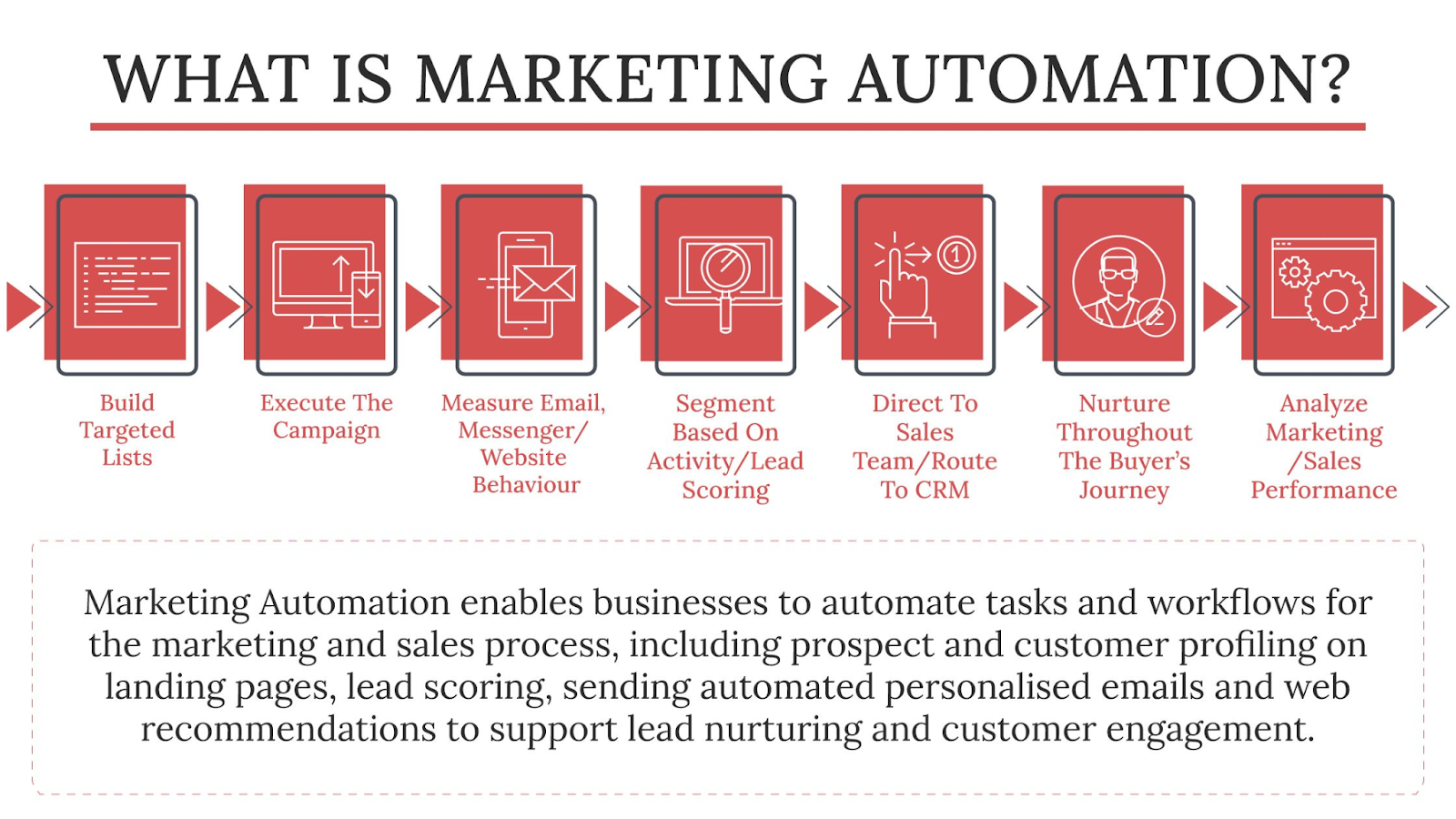
For agencies, this shift is even more impactful. Managing multiple campaigns across different platforms can quickly become overwhelming without centralized systems. Automation enables agencies to standardize workflows, reduce human error, and ensure consistent delivery across all client accounts.
Additionally, automation improves response times. Instead of reacting to issues after they occur, automated systems can flag anomalies, track performance in real time, and trigger actions that keep campaigns optimized continuously.
The Biggest Bottlenecks Without Automation
Before diving deeper into solutions, it’s important to understand the challenges that automation solves.
Many agencies and marketing teams face common operational bottlenecks:
- Manual Reporting: Creating performance reports for each client can take hours every week
- Fragmented Tools: Using separate platforms for SEO, email, CRM, and analytics leads to inefficiencies
- Inconsistent Follow-ups: Leads often go cold due to lack of timely communication
- Limited Scalability: Growth becomes difficult without increasing team size
These bottlenecks not only slow down operations but also impact client satisfaction and retention. Automation addresses these issues by creating structured, repeatable systems that run with minimal manual intervention.
In many cases, these inefficiencies compound over time. For example, as an agency acquires more clients, reporting workloads increase linearly, while team capacity does not. This creates pressure on internal teams and often leads to delays, errors, or reduced service quality.
According to McKinsey, about 60% of all occupations have at least 30% of activities that can be automated. This highlights how much time businesses are potentially losing to manual processes that could be streamlined.
Another overlooked issue is inconsistency. Without automation, processes often depend on individual team members, which can lead to variations in execution. Automation standardizes these processes, ensuring that every client receives a consistent level of service.
Ultimately, these bottlenecks limit growth. Agencies that rely heavily on manual processes often find themselves stuck, unable to scale without significantly increasing costs.
Automating Search Engine Optimization
SEO remains one of the most effective channels for attracting potential customers. However, maintaining strong search visibility requires ongoing optimization and analysis.
Tools built for seo automation help marketers handle these responsibilities by automatically tracking keyword rankings, scanning websites for technical issues, and analyzing competitors.
These tools provide valuable insights that help businesses improve their search performance while reducing manual work.
Beyond basic tracking, advanced SEO automation allows agencies to identify ranking opportunities faster, monitor algorithm changes, and adjust strategies proactively. This reduces the time between insight and action, which is critical in competitive search environments.
Automation also ensures consistency. Instead of sporadic audits, websites can be continuously monitored for issues such as broken links, page speed problems, and indexing errors.
Marketing Automation for Customer Engagement
Once businesses attract visitors through search engines or advertising campaigns, they must engage those visitors effectively. Customer engagement involves nurturing leads, delivering relevant content, and maintaining consistent communication.
Many organizations use marketing automation platforms to manage these interactions. These platforms enable marketers to create automated workflows that guide customers through different stages of the buying journey.
For example, a user who subscribes to a newsletter may receive a sequence of educational emails followed by promotional offers. This approach helps businesses maintain engagement while building trust with their audience. Choosing the right platform to run these workflows is just as important. Businesses that find their current tool limiting often explore Brevo alternatives that better support their automation needs.
For agencies, this means being able to create scalable engagement strategies across multiple clients. Instead of manually managing each interaction, workflows can be designed once and optimized over time.
Automation also enables better segmentation. Users can be grouped based on behavior, interests, or stage in the funnel, allowing for more personalized and effective communication.
How Automation Improves Marketing ROI?
Automation is not just about saving time. It directly impacts performance and profitability. When repetitive tasks are automated, teams can focus on strategy, creativity, and optimization. This leads to better campaign outcomes and more efficient use of resources.
Some key ways automation improves ROI include:
- Faster Execution: Campaigns can be launched and adjusted more quickly
- Improved Accuracy: Reduced human error in data tracking and reporting
- Better Conversions: Timely and personalized communication increases engagement
- Resource Efficiency: Teams can manage more clients without proportional increases in workload
For agencies, this translates into higher margins and the ability to scale operations without significantly increasing overhead costs.
Additionally, marketing agency automation provides better visibility into performance metrics. With real-time data, marketers can quickly identify what is working and what is not, allowing them to allocate resources more effectively.
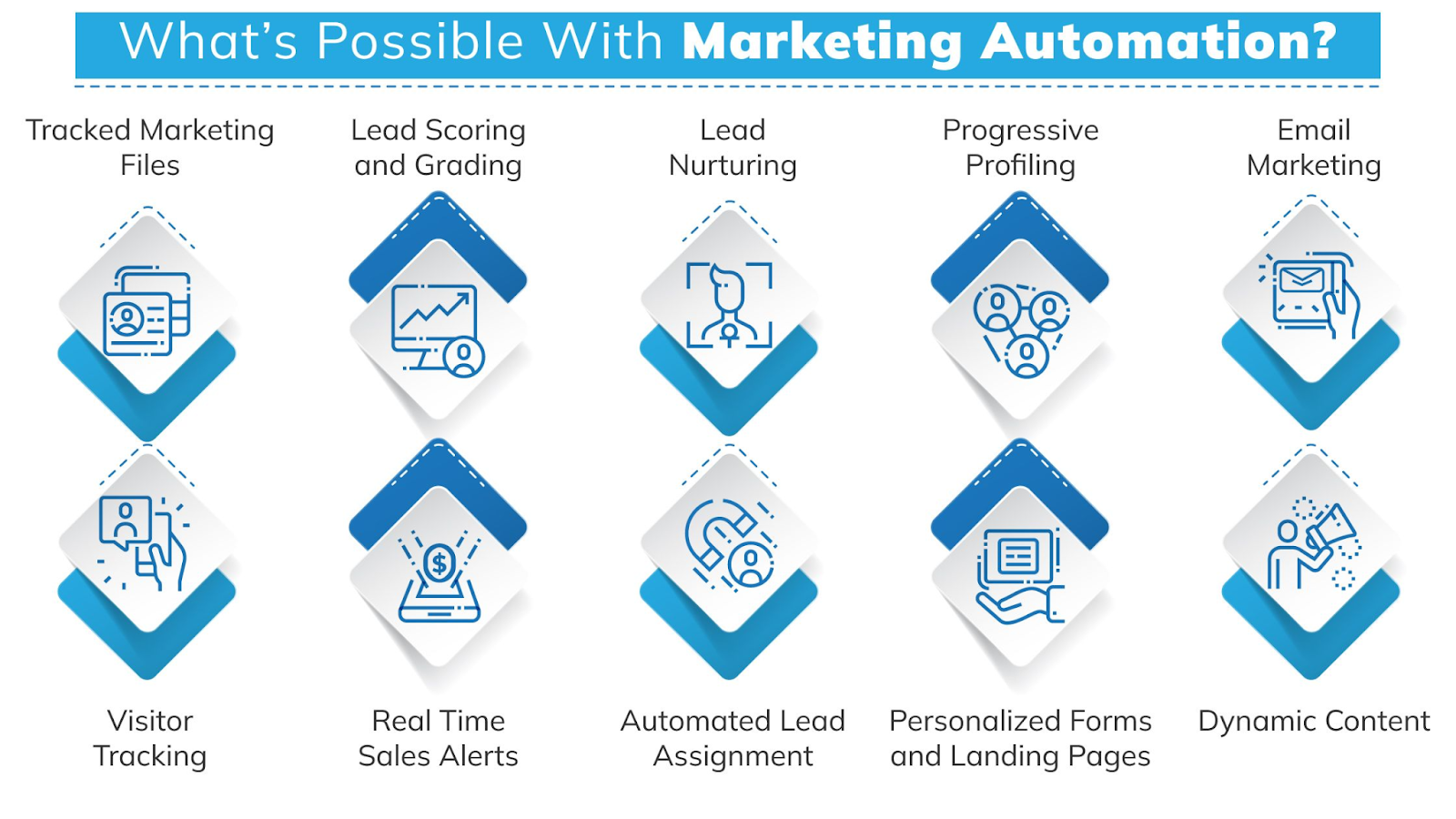
A study by Nucleus Research found that marketing automation drives an average increase of 14.5% in sales productivity while reducing marketing overhead by 12.2%. This clearly demonstrates the financial impact of adopting automation.
Another key benefit is consistency in optimization. Instead of making occasional adjustments, automated systems enable continuous improvements, ensuring that campaigns remain aligned with performance goals.
Benefits of Integrated Marketing Systems
When businesses combine SEO automation tools with marketing automation platforms, they create a powerful marketing ecosystem.
Some benefits of this integration include:
- Better Lead Generation: SEO attracts visitors who are actively searching for information or solutions.
- Improved Lead Nurturing: Automation platforms help convert visitors into customers through targeted messaging.
- Continuous Optimization: Automated analytics provide insights that help businesses refine their strategies.
- Efficient Marketing Operations: Automation reduces manual workload and allows teams to focus on strategic initiatives.
For agencies, integration is the key to scalability. Instead of switching between multiple tools, a unified system allows for better visibility, smoother workflows, and faster decision-making.
Integrated systems also reduce the risk of data discrepancies. When all tools operate within a single ecosystem, data remains consistent and reliable, improving the accuracy of insights and reports. With more tools connected in one place, it also makes sense to control what each application can access — ringfencing solutions add that layer of protection by restricting how integrated tools interact with your systems and data.
The Role of White Label Automation in Agency Growth
One of the most important developments in marketing automation is the rise of white label solutions.
White label platforms allow agencies to offer advanced marketing services under their own brand without building tools from scratch. This creates new revenue opportunities while maintaining brand consistency.
With white label automation, agencies can:
- Expand service offerings without increasing internal complexity
- Deliver professional reports and dashboards branded to their business
- Scale client acquisition without overwhelming their teams
This model is particularly valuable for growing agencies looking to compete with larger firms while avoiding agency operations mistakes.
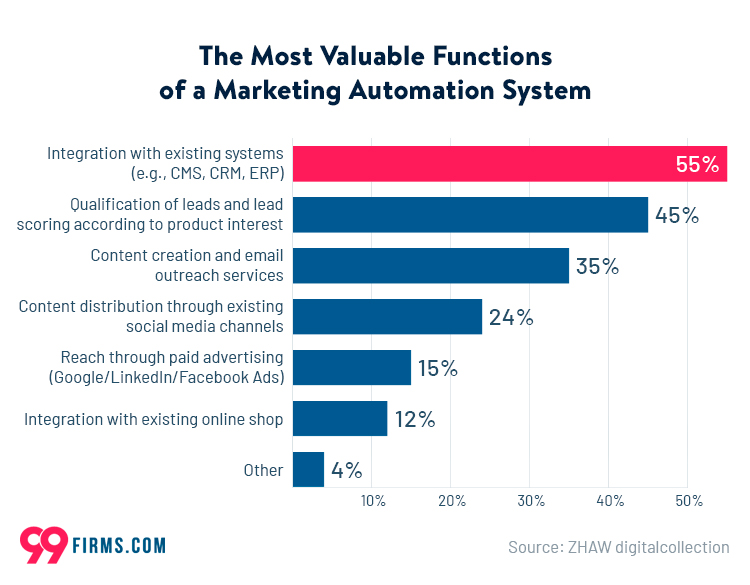
Further Reading: Does Your Organization Really Need a Marketing Automation Platform?
How DashClicks Powers Smarter Marketing Automation?
Platforms like DashClicks bring multiple automation capabilities into a single, unified ecosystem designed specifically for agencies.
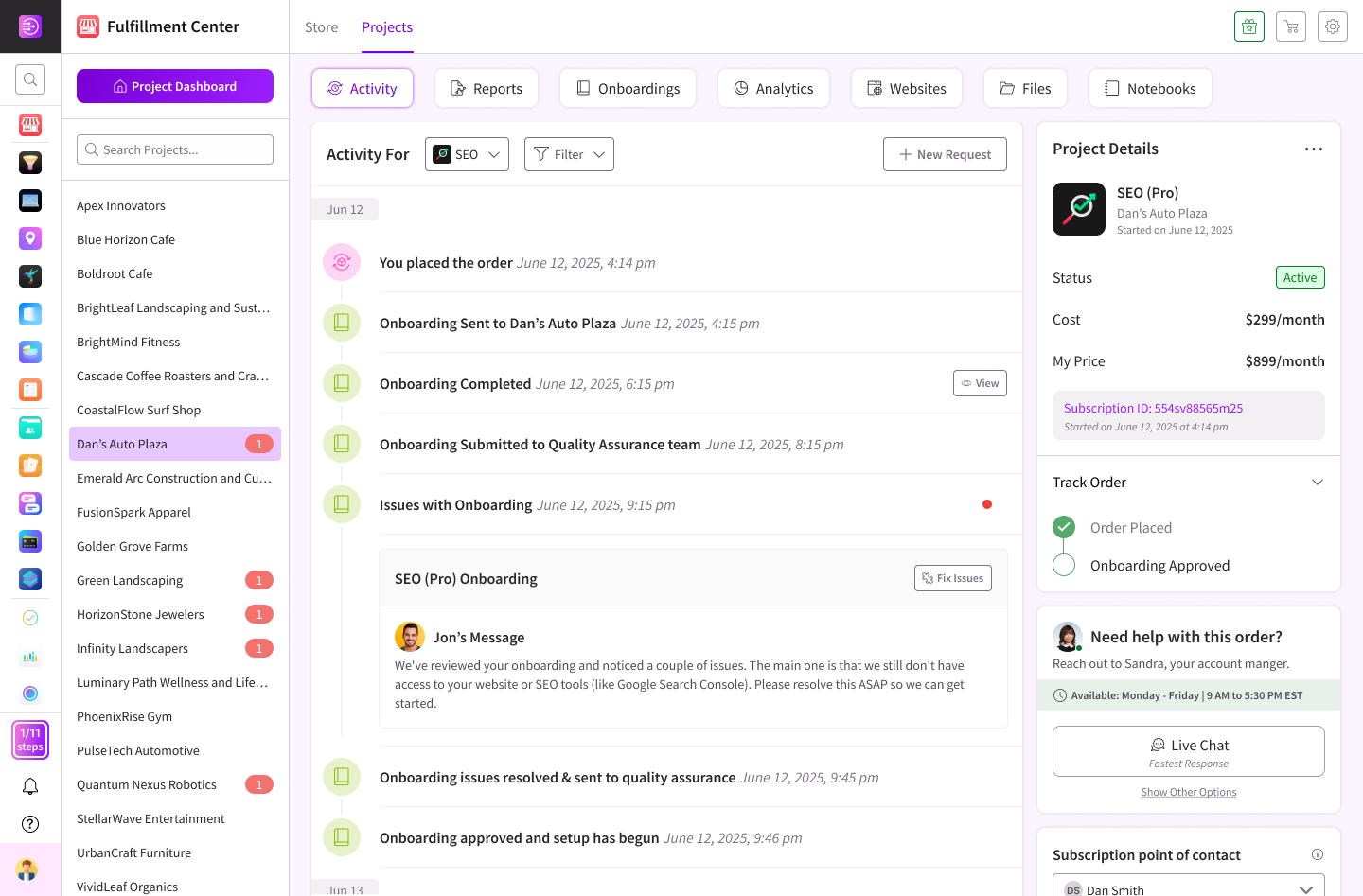
DashClicks helps agencies streamline operations by combining essential tools such as CRM, reporting, SEO services, and marketing automation into one platform.
- All-in-one System: Instead of managing multiple tools, agencies can centralize their operations, reducing complexity and improving efficiency. This unified approach eliminates the need for constant tool-switching and simplifies team workflows.
- Automated Reporting: DashClicks provides real-time dashboards and white label reports, eliminating the need for manual data collection and presentation. Agencies can deliver professional reports to clients quickly and consistently.
- SEO and Fulfillment Solutions: Agencies can manage campaigns, track performance, and even fulfill services through a streamlined system. This reduces operational friction and ensures consistent delivery.
- Client Management Automation: From lead tracking to pipeline management, automation ensures that no opportunity is missed and communication remains consistent. This helps agencies improve both acquisition and retention.
- White Label Capabilities: Agencies can present all services under their own brand, strengthening client trust and positioning.
- Scalability Advantage: Perhaps the most significant benefit is scalability. With DashClicks, agencies can take on more clients without proportionally increasing their workload or team size.
By consolidating these functions, DashClicks enables agencies to focus more on growth, strategy, and client success rather than operational overhead.
Preparing for the Next Phase of Digital Marketing
Automation technologies are expected to continue evolving as artificial intelligence becomes more integrated into marketing tools. Future systems will likely offer predictive insights, automated campaign optimization, and more advanced personalization features.
Businesses that adopt automation early will have a significant advantage in managing complex marketing operations.
For agencies, the future will be defined by how effectively they leverage automation to deliver faster, smarter, and more personalized results at scale.
Conclusion
Automation is transforming digital marketing by helping businesses operate more efficiently and scale their campaigns effectively. By combining SEO automation with marketing automation systems, organizations can create smarter marketing strategies that deliver consistent results.
When used alongside strong content and strategic planning, automation tools can help businesses achieve sustainable growth in an increasingly competitive digital landscape.
For agencies in particular, adopting integrated platforms like DashClicks can be a key step toward building scalable, efficient, and high-performing marketing systems.



.svg)


.svg)
.svg)
.svg)
.svg)
.svg)