

.svg)

.svg)
.svg)
.svg)
.svg)
.svg)
Subscription billing has evolved from a simple invoicing task into one of the core engines of SaaS growth. The subscription economy is expanding rapidly, and with it comes higher expectations around billing accuracy, automation, pricing experimentation, and revenue reporting. For SaaS teams moving into 2026, the right subscription billing software is central to scaling efficiently, improving forecasting, and supporting increasingly global customer bases.
This guide breaks down the top billing platforms for SaaS companies at different stages - from startup to enterprise. You’ll find an overview of each tool’s strengths, real-world use cases, and the criteria that matter most when choosing a system. The Billing Software by DashClicks is well-suited for SaaS and service-led businesses that prioritize streamlined recurring billing, client-centric financial operations, and operational simplicity as they scale.
How to Chose the Best Billing Softare?
Reviewed each platform based on:
- Billing flexibility and pricing model support.
- Integration depth across CRM, ERP, and payments.
- Revenue recognition and compliance capabilities.
- Scalability for multi-entity and global operations.
- Usability and implementation practicalities.
- Financial reporting and analytics strength.
The Best Subscription Billing Platforms for 2026
1. DashClicks' Billing Software
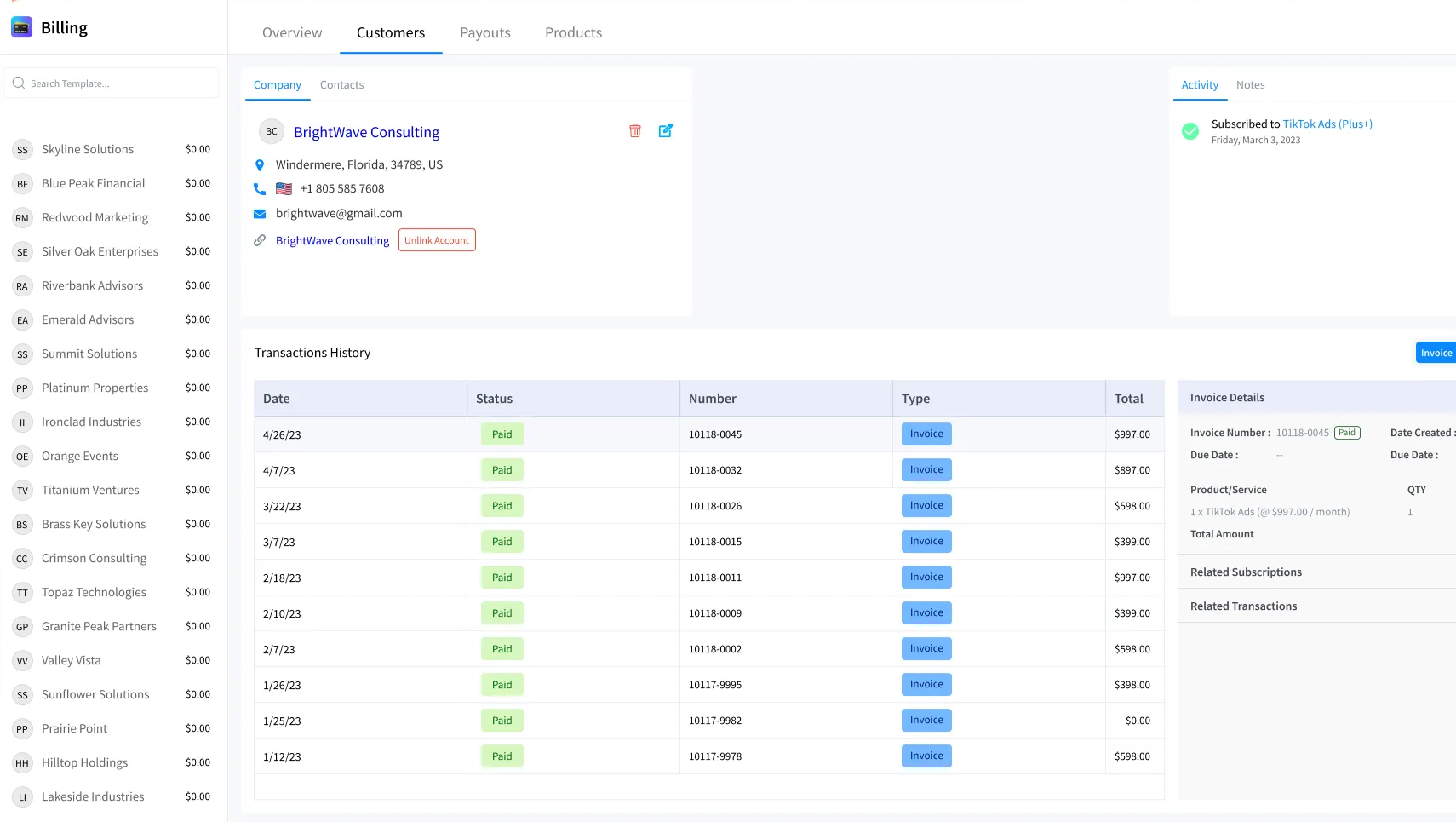
DashClicks’ Billing Software is purpose-built for digital agencies, SaaS providers, and service-based businesses that manage recurring client billing, retainers, and bundled service plans. Unlike traditional SaaS billing tools that focus primarily on product subscriptions, DashClicks is designed around client-centric billing workflows common in agency and SaaS hybrid models.
The platform allows teams to automate recurring invoices, manage subscription plans, handle one-time charges, and centralize client billing inside a unified operations dashboard. For growing SaaS companies that also offer managed services, white-label solutions, or performance-based retainers, DashClicks bridges the gap between billing, client management, and revenue tracking.
DashClicks stands out for its simplicity, speed of setup, and operational alignment—making it especially attractive for teams that want predictable recurring revenue without enterprise-level complexity.
Key Strengths:
- Automated recurring billing and subscription management.
- Client-centric invoicing for retainers and service bundles.
- Unified dashboard for billing, clients, and revenue visibility.
- Fast setup with minimal technical overhead.
- Well-suited for agencies and SaaS businesses offering managed services.
Limitations:
- Not designed for highly complex enterprise revenue recognition requirements.
- Limited suitability for usage-heavy or consumption-based billing models.
2. Younium
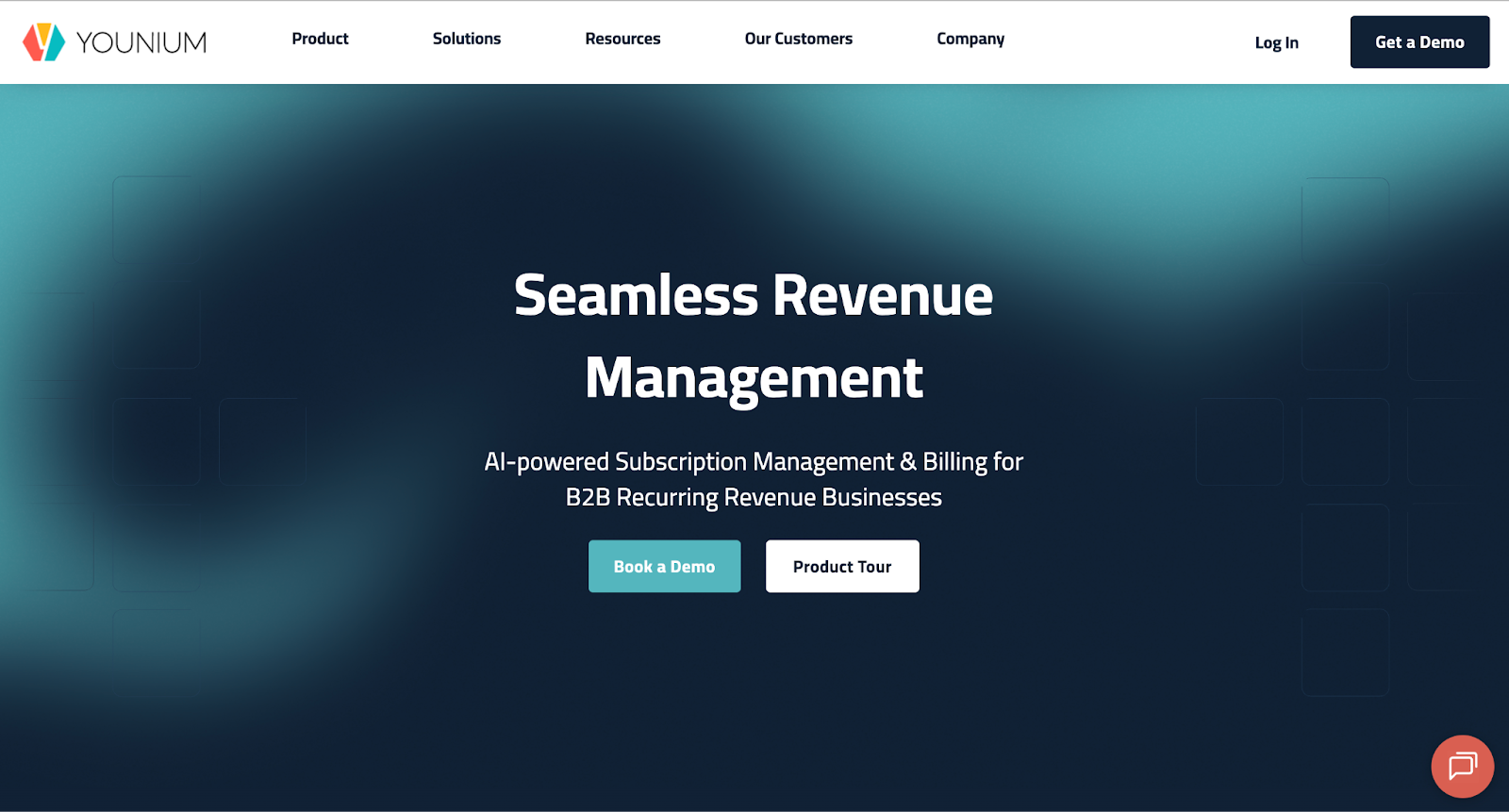
Younium is built for scaling B2B SaaS companies that need strong control over contract details, recurring billing logic, and revenue workflows. It excels in handling multi-year agreements, amendments, usage charges, proration, co-terming, and complex pricing structures.
Its standout capability is depth: flexible contract modeling, multi-entity support, automated revenue recognition, and clean synchronization across CRM and ERP systems. Finance teams use Younium as a centralized subscription source of truth, ensuring accurate invoicing, forecasting, and audit-ready financial reporting.
In practice, Younium supports cross-functional collaboration between finance, RevOps, sales, and customer success - especially when contract complexity outgrows lightweight billing tools.
Key Strengths:
- Excellent handling of advanced B2B contracts and amendments.
- Flexible billing models for recurring, usage, and milestone-based pricing.
- Strong multi-entity and multi-currency support.
- Reliable revenue recognition and audit compliance.
Limitations:
- Not ideal for early-stage startups with simple self-serve plans.
- Requires involvement from both finance and operations during setup.
3. Stripe Billing
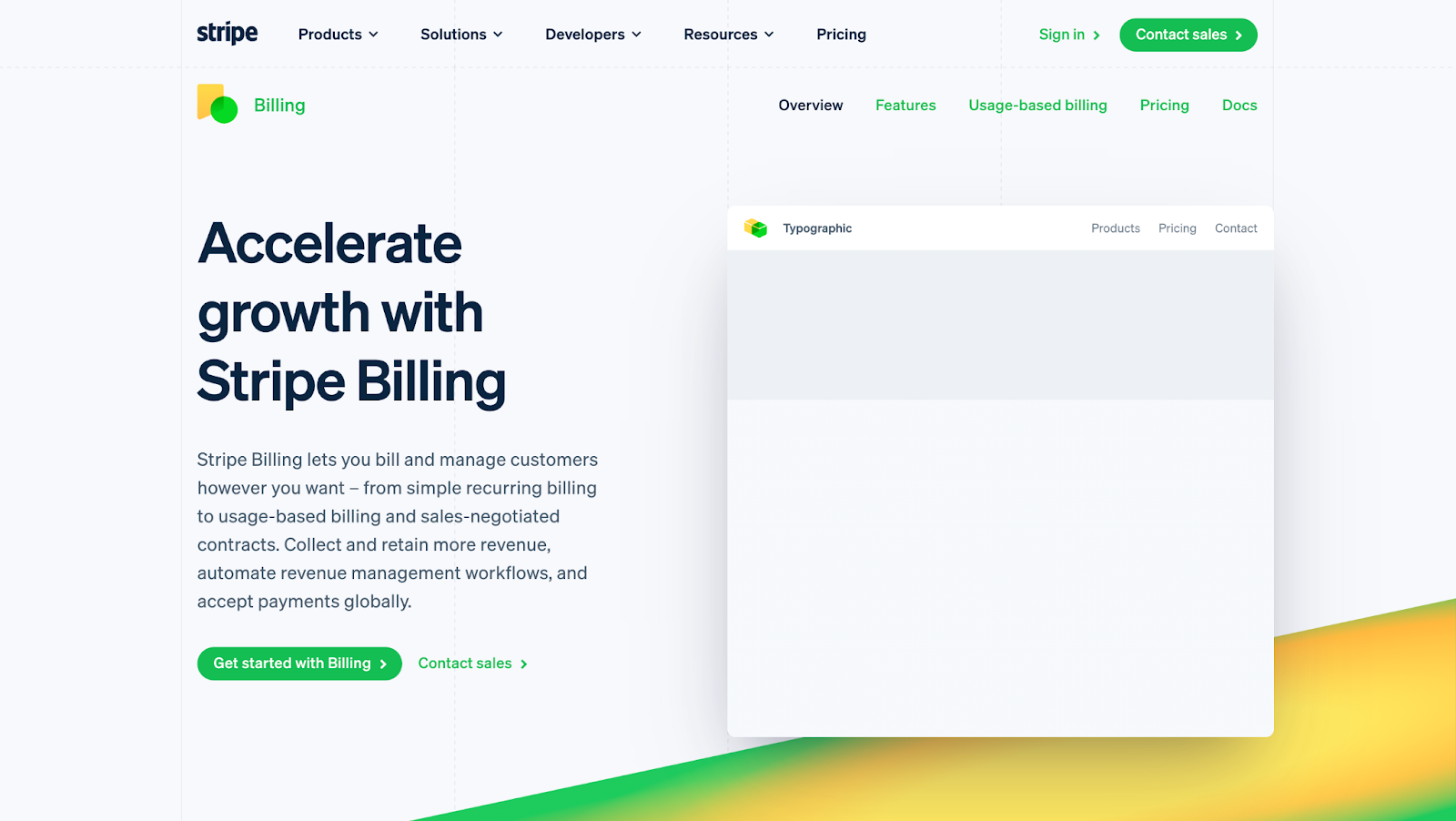
Stripe Billing is ideal for startups and product-led SaaS companies that want fast, developer-friendly billing that integrates seamlessly with Stripe Payments. It supports recurring billing, invoicing, couponing, usage-based pricing, smart retries, and global payment methods. When selecting payment infrastructure, businesses should also assess how it supports compliance for payment service providers, including customer verification and risk screening.
Its strength lies in simplicity and speed. Teams can implement Stripe Billing quickly, iterate on pricing without heavy configuration, and leverage a broad ecosystem of integrations and developer tools.
Common use cases include self-serve checkout, free trial conversion flows, and basic usage metering tied to Stripe’s event system.
Key Strengths:
- Extremely strong APIs and developer experience.
- Unified payments + billing infrastructure.
- Fast onboarding and rapid pricing experimentation.
- Ideal for global card payments and simple usage billing.
Limitations:
- Less suited for complex B2B contract structures.
- Revenue workflows and financial reporting require additional tooling.
4. Chargebee
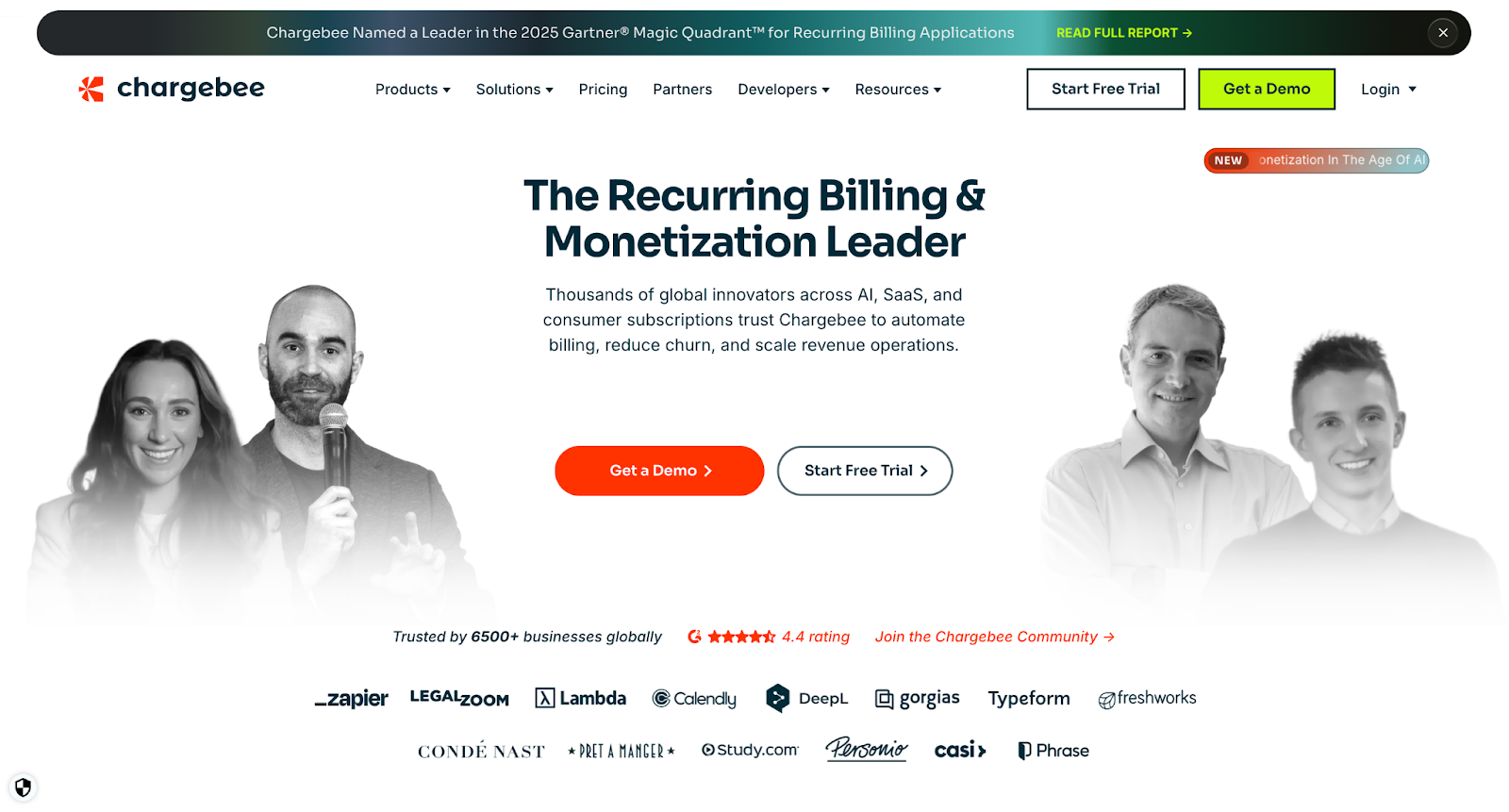
Chargebee is a long-standing subscription billing and lifecycle management platform designed for SaaS growth. It provides invoicing, dunning, tax handling, couponing, customer portals, revenue recognition, and strong analytics.
Its strength is versatility. Chargebee works well for mid-size SaaS teams that need a combination of automation, global billing, and integrations without jumping to a full enterprise suite.
Teams use Chargebee to manage subscription catalogs, automate renewals and upgrades, reduce involuntary churn, and unify subscription data across sales and finance tools.
Key Strengths:
- Broad subscription lifecycle functionality.
- Strong dunning and retention automation.
- Large integration ecosystem.
- Suitable for global SaaS with multiple tax jurisdictions.
Limitations:
- Can feel heavy for very simple subscription products.
- Complexity increases as catalogs grow.
5. Zuora
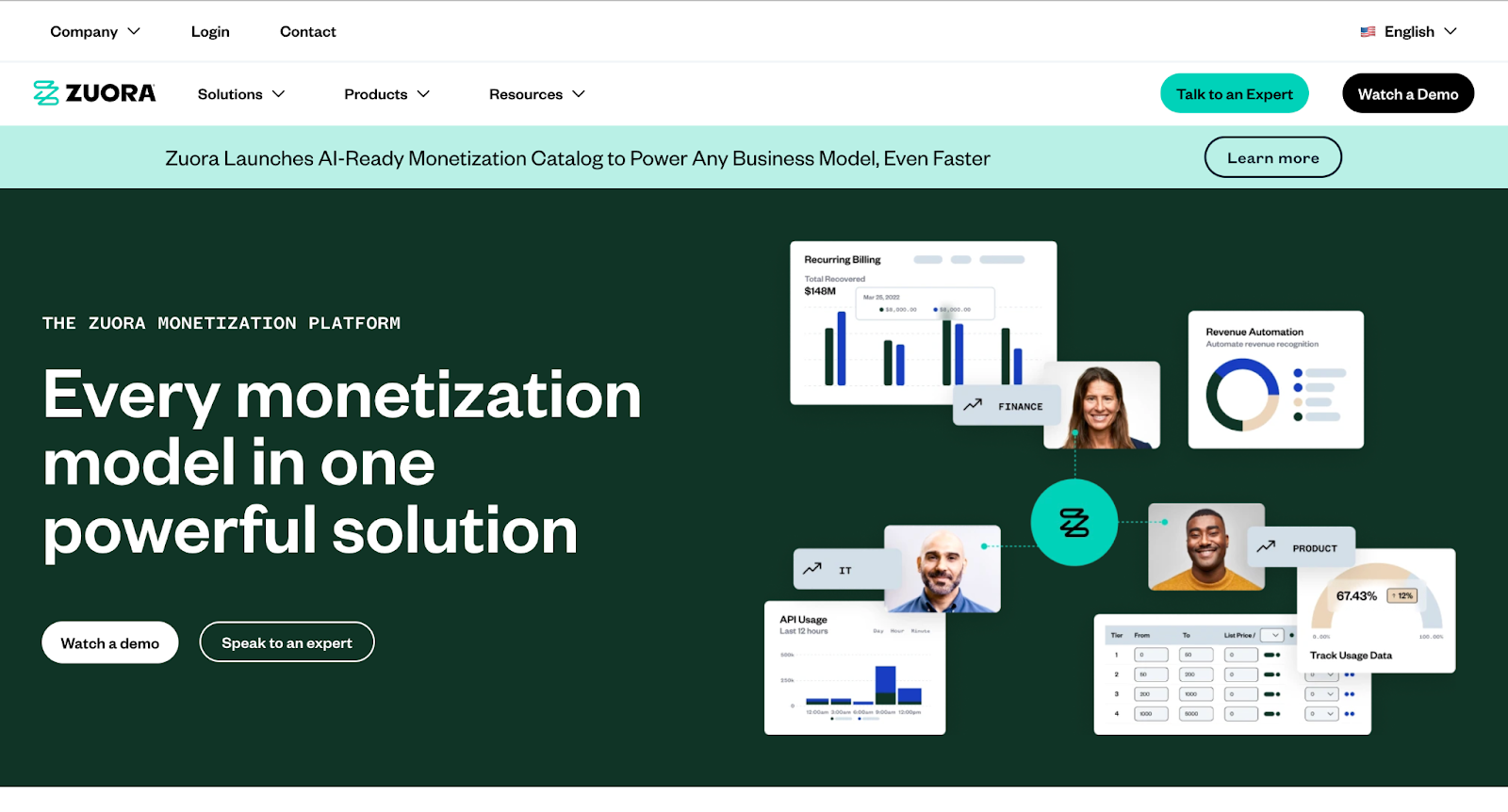
Zuora is a full monetization platform built for enterprises managing highly complex pricing, global operations, and multi-entity financial processes. It includes billing, payments, subscription management, revenue recognition, CPQ, and a unified subledger.
Its power lies in configurability and scale: Zuora supports intricate billing logic, global taxation, multi-currency operations, and governance requirements often seen in enterprise SaaS.
Organizations typically use Zuora to unify quote-to-cash across CRM, CPQ, ERP, and revenue systems, ensuring consistency across departments and geographies.
Key Strengths:
- End-to-end monetization suite.
- Designed for complex global operations.
- Highly configurable billing and catalog structures.
- Enterprise-grade governance and compliance.
Limitations:
- Requires a structured, resource-intensive implementation.
- Best suited for mature teams with dedicated finance and RevOps functions.
6. Maxio
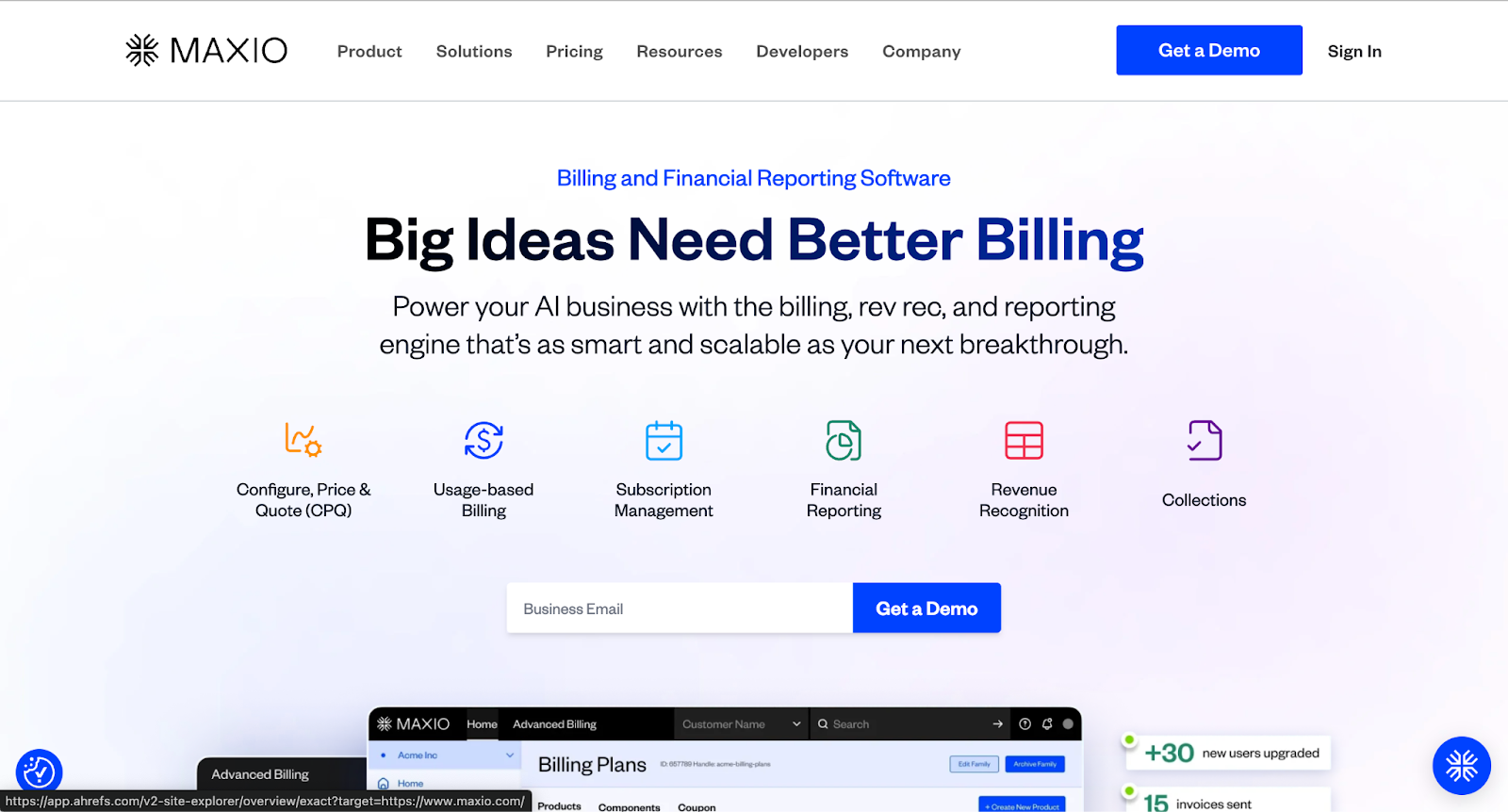
Maxio, formed from the merger of Chargify and SaaSOptics, targets finance-led SaaS teams that want billing, revenue recognition, and SaaS analytics in one system. It’s especially strong for B2B SaaS companies that prioritize clean subscription data and investor-ready metrics.
Maxio includes catalog management, recurring billing, usage billing, automated dunning, audit-compliant revenue recognition, and dashboards for ARR, churn, cohorts, and forecasting.
Finance teams value Maxio for its unified data structure and reporting depth—reducing the need for spreadsheets and manual reconciliation.
Key Strengths:
- All-in-one billing + rev rec + SaaS metrics.
- Ideal for finance and RevOps teams.
- Strong analytics and reporting used for board and investor insights.
- Good fit for mid-market B2B SaaS.
Limitations:
- Less tailored for self-serve or B2C models.
- Works best when processes are already reasonably structured.
7. Paddle

Paddle is a merchant-of-record (MoR) platform built for SaaS companies selling globally. Paddle becomes the legal seller of record for your transactions, handling payments, fraud, taxes, VAT/GST, and compliance on your behalf.
This model significantly reduces operational overhead - especially for lean teams expanding into new regions where tax requirements are complex.
Teams use Paddle to launch globally without building their own tax stack, payments infrastructure, or compliance workflows.
Key Strengths:
- Merchant-of-record model offloads global tax and compliance.
- Unified payments, checkout, billing, and subscriptions.
- Excellent for small teams selling internationally.
- Reduces the overhead of managing local tax obligations.
Limitations:
- Revenue share pricing can be higher than raw payment processing.
- Less customizable than developer-led payment stacks.
8. Nickel

Nickel is an all-in-one payment and credit platform designed for B2B SaaS and service-based businesses that need to unify their entire financial operation. It combines accounts receivable, accounts payable, and integrated trade credit into a single dashboard, allowing teams to move beyond simple billing to full cash flow management.
The platform's standout value is its native ability to extend net terms to customers. With built-in credit insights and decisioning workflows, Nickel allows companies to offer Net 60-day terms with confidence, facilitating larger deals and improving customer purchasing power without increasing operational risk.
Teams use Nickel to eliminate costly ACH fees and automate reconciliation through its one-for-one settlement process. Its native integration with QuickBooks Online ensures that invoices and bills are synced in real-time, reducing manual data entry and keeping the financial "source of truth" consistently accurate.
Key Strengths:
- Unlimited free ACH bank transfers with zero hidden fees.
- Integrated B2B net terms and customer credit decisioning.
- Real-time native sync with QuickBooks Online for bills and invoices.
- One-for-one bank settlement for headache-free reconciliation.
Limitations:
- Optimized for B2B workflows rather than B2C consumer subscriptions.
- Standard ACH settlement times may take up to 3 business days on entry-level plans.
Which Option Is Best for You?
- Best for agencies and service-led SaaS: DashClicks’ Billing Software
- Best for scaling B2B SaaS: Younium
- Best for startups and product-led teams: Stripe Billing
- Best for mid–large SaaS: Chargebee
- Best for enterprise complexity: Zuora
- Best for finance-led teams prioritizing revenue accuracy: Maxio
- Best for global expansion with lean ops: Paddle
Additional Contenders
- Recurly – Strong recurring billing with a focus on churn reduction and analytics.
- FastSpring – All-in-one commerce for digital products and software; MoR-style model.
- Ordway – B2B billing automation for complex, multi-step order-to-cash processes.
Further Reading: 7 Reasons Automated Billing Ignites Growth & Improves CX
FAQs
Q1. What is subscription billing software?
Ans. Software that automates recurring billing, payments, renewals, upgrades, downgrades, and often revenue recognition and reporting.
Q2. How can subscription billing software improve a business’s financial operations?
Ans. Subscription billing software automates recurring invoicing, revenue tracking, and payment workflows, reducing manual effort and billing errors. DashClicks’ Billing Software centralizes client subscriptions and recurring billing in one dashboard, helping businesses maintain cleaner financial operations and more predictable cash flow.
Q3. Which platform is best for startups?
Ans. Stripe Billing - simple, fast, and developer-friendly.
Q4. Which platform handles complex contracts best?
Ans. DashClicks, Younium and Zuora are strongest for advanced B2B contract and pricing structures.
Q5. Do these tools support revenue recognition?
Ans. Yes, mid-market and enterprise tools like DashClicks, Younium, Chargebee, Maxio, and Zuora include or integrate tightly with revenue recognition.
Q6. How much does subscription billing software cost?
Ans. Pricing varies widely - from small usage-based fees for startups to custom enterprise pricing. Paddle uses a revenue-share model as a merchant of record.
Conclusion
Subscription billing platforms have become essential infrastructure for SaaS businesses. The best tool depends on your contract complexity, team structure, global footprint, and pricing strategy. DashClicks is a strong choice for agencies and service-led SaaS businesses that need streamlined recurring billing, client-centric invoicing, and operational simplicity. Stripe Billing serves startups well with its fast, API-driven approach. Chargebee and Maxio offer robust mid-market capabilities, while Zuora leads in enterprise monetization. Paddle simplifies global operations through its merchant-of-record model.
By evaluating your revenue operations maturity and future scaling plans, you can select a billing system that not only supports your current needs but accelerates your long-term growth.


.svg)


.svg)
.svg)
.svg)
.svg)
.svg)