

.svg)

.svg)
.svg)
.svg)
.svg)
.svg)
Engineers and digital marketing professionals frequently try to determine the absolute best SEO API on the market. Finding clean programmatic search data requires aggressive testing. Reading through endless developer documentation to calculate exact endpoint costs drains engineering resources rapidly. Marketing vendors often obscure their true prices behind confusing credit systems. They bury throughput limits deep within their technical wikis.
We break down the exact expenses associated with the leading tools. You need accurate data. You need predictable billing. Here is the exact ground truth regarding the most popular data extraction vendors.
Key Takeaways
- Base subscription requirements frequently double the advertised cost of raw endpoint access.
- The exact financial impact of a single query fluctuates wildly depending on the specific search engine rankings API requested.
- Strict caching policies heavily dictate monthly billing limits for high-frequency trackers.
- Free tiers exist purely to verify technical connections rather than sustain live production applications.
- Upfront annual billing discounts drastically reduce the baseline expense of long-term ownership.
- Certain API SEO tools charge extra for parsing mobile results or handling generative AI snippets.
- Hidden hourly throughput caps break autonomous agentic workflows routinely.
- The most dependable SEO data API providers handle proxy rotation entirely on their server side.
- Custom enterprise plans often demand long negotiations to reveal their best API for SEO pricing.
Why the Right SEO Data API Matters?
Machine learning teams rely on consistent extraction protocols. Building custom internal dashboards requires pristine inputs. Contaminated data ruins the entire operation. An unstable SEO data API disrupts automated reporting schedules instantly.
We think stable endpoints reduce the manual exhaustion associated with tracking thousands of digital assets. Frequent algorithm shifts break fragile web scrapers overnight. Dedicated vendors manage the entire proxy infrastructure. They solve the CAPTCHAs silently. They parse raw HTML structures into clean JSON responses. Purchasing direct access to a dedicated SEO ranking API stops the endless cycle of repairing broken Python scripts.
A reliable SEO integration API acts as the strict backbone for custom digital products. Different vendors charge radically different rates for the exact same organic position data. Selecting an overpriced vendor burns quarterly budgets immediately. Honestly, cost predictability matters just as much as technical uptime. Engineering teams need a dependable SEO rank API to track competitors without constantly worrying about invisible hourly throughput caps. The transition to generative search results makes static scraping nearly impossible. You require tools that actively click elements and execute JavaScript.
Choosing the wrong provider means you receive outdated blue links instead of the actual user experience.
Common Agency Use Cases for SEO APIs
SEO APIs aren't just for software developers. Agencies increasingly use them to automate repetitive SEO tasks, improve reporting accuracy, and build scalable client workflows.
Some common use cases include:
- Pulling keyword rankings into custom dashboards
- Monitoring competitor rankings across multiple locations
- Building automated client reports
- Tracking SERP features and AI Overviews
- Integrating SEO data into CRM and reporting platforms
- Powering internal SEO tools and automation workflows
For growing agencies, APIs reduce manual work while making reporting faster and more consistent.
How Do We Evaluate These Tools?
Finding the exact best SEO data API requires strict testing criteria. The analysis looked directly at raw pricing structures and endpoint capabilities. Vendor documentation provided the strict technical limits.
The raw pricing data indicates specific billing models punish high-volume queries aggressively. Evaluating the best SEO API providers requires looking far past the lowest advertised tier. True evaluation involves calculating the exact cost of pulling one million records. The review measured available endpoints across different search environments. Documentation clarity was heavily scrutinized. The exact scaling rules for each API SEO tools package were mathematically defined.
Reviewing the best SEO API means identifying hidden overage penalties. Some vendors restrict concurrent connections arbitrarily. Others demand massive upfront capital commitments before issuing a sandbox key. The assessment focused on identifying systems that support modern SEO API automation without demanding ridiculous subscription upgrades.
The 6 Best SEO Data API Options
So, let`s discuss the best SEO data APIs you can use!
1. SE Ranking
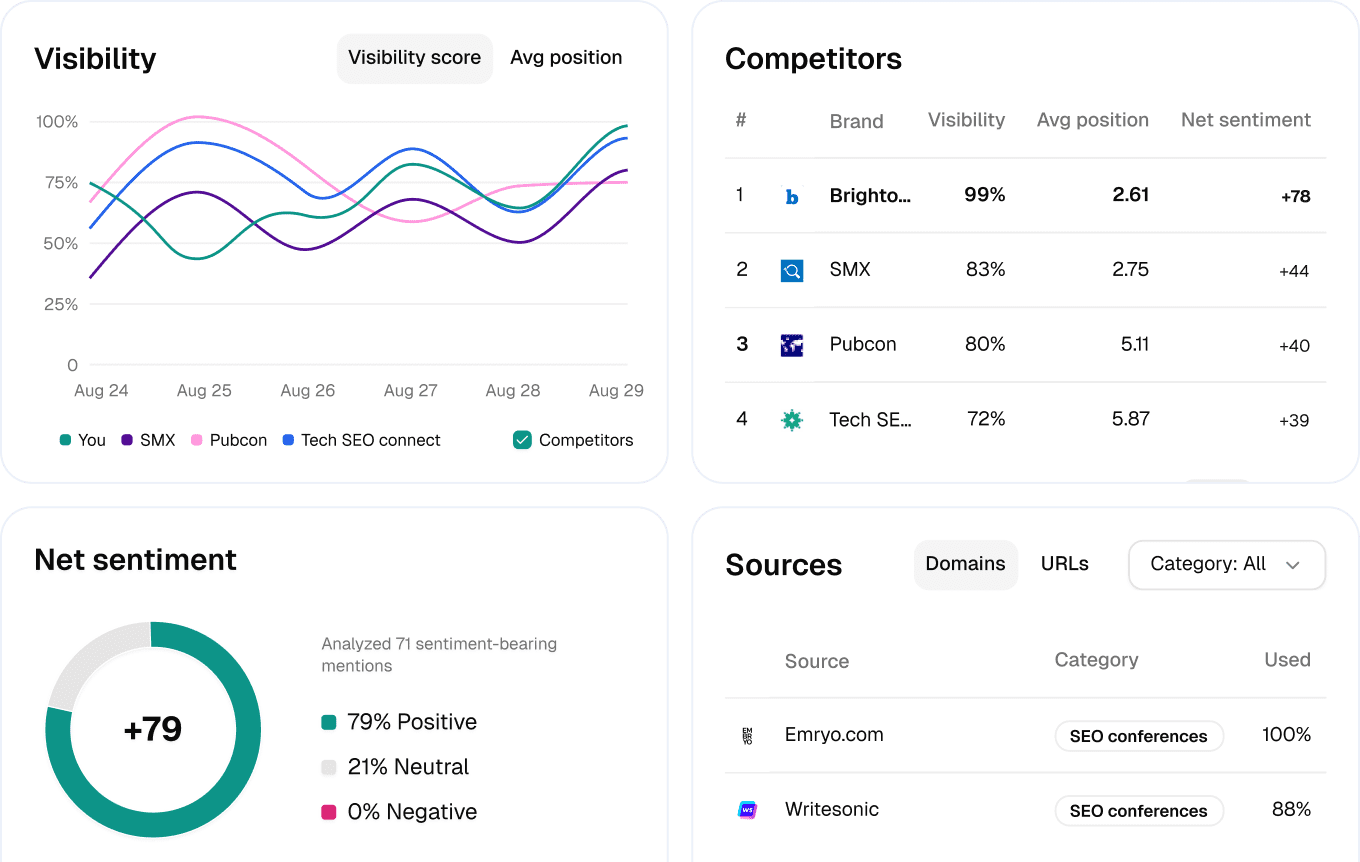
SE Ranking provides a standalone application interface built for teams requiring metric data without logging into a visual web application. Their backend system supports an exhaustive list of specific data points across multiple regional databases. It supports ISO 3166-1 alpha-2 codes for highly precise regional targeting. The product operates on a distinct credit system where specific endpoints drain different credit amounts.
Key features of SE Ranking:
- Rank Tracker metrics
- Website Audit issue extraction
- Backlink monitoring and tracking
- Keyword Research database queries
- AI Search analysis tools
- Domain Research statistics
- Project Management programmatic controls
Pricing:
The service operates on a pay-as-you-go system or bulk volume plans. A standalone pay-as-you-go plan starts at $50.00 per month yielding 250,000 credits. They offer a 14-day trial including 100,000 free credits.
The exact cost of a query depends heavily on the requested endpoint. A keyword report usually costs 10 credits per individual record. Retrieving 1,000 keywords across 50 domains consumes 500,000 credits immediately.
Standard web platform plans include a set amount of monthly credits. The intermediate Core plan includes 25,000 monthly credits. The Growth plan includes 100,000 credits. The Project interface uses standard subscription limits rather than drawing from this separate credit pool.
1-Year Ownership Calculations:
- Solo Developer Scenario: A developer utilizing the standalone pay-as-you-go system at the entry-level will spend $50.00 monthly. Twelve months equates to exactly $600.00 per year for a total allocation of 3,000,000 credits.
- Mid-Sized Agency Scenario: An agency requiring 1 million credits monthly will need the $200.00 tier. The annual cost reaches $2,400.00.
- Enterprise Scenario: A massive operation choosing an annual volume discount starting at 12 million credits will pay $2,148.00 per year.
Best For:
Agencies building custom client dashboards. It works exceptionally well for teams needing backlink and site audit data alongside standard position tracking without building separate scrapers.
Pros:
- No active web application subscription is strictly required to purchase standalone data access.
- The system accepts precise regional database codes which improves local tracking accuracy significantly.
- Flexible credit scaling supports sudden traffic spikes without breaking connections.
Cons:
- The internal credit math gets complicated rapidly when mixing different endpoint requests.
- Certain legacy pricing plans require specific add-on purchases to unlock basic technical access entirely.
Verdict:
The deliberate separation of the technical interface from the visual web platform is a brilliantly hostile move against competitors. Because clients can purchase a standalone package, they avoid paying for visual web dashboards they never intend to open. This isolated pricing model saves engineering teams substantial money over a fiscal year. They pay exactly for the rows they request. We think this structural choice forces competing API SEO tools to reconsider their bundled pricing tactics.
2. Bright Data SERP API
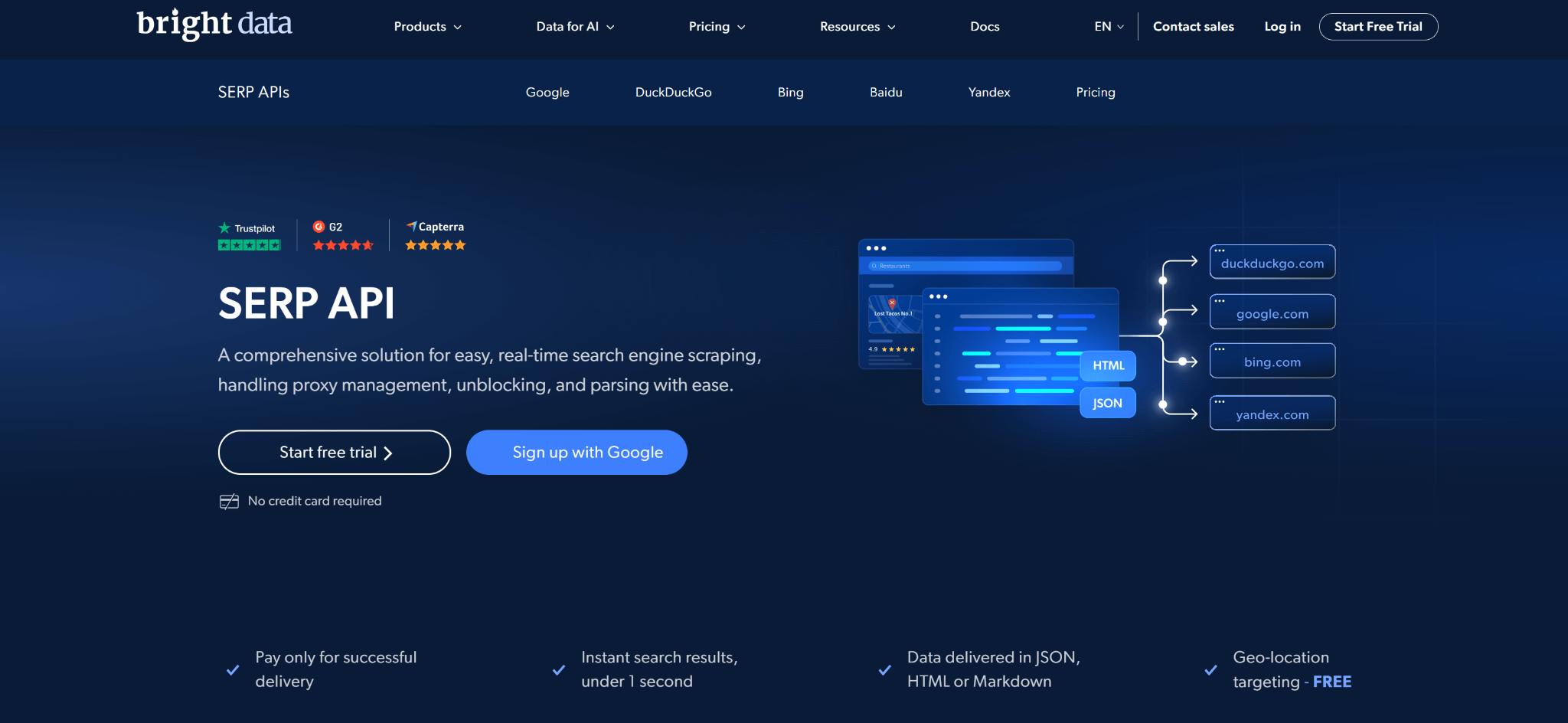
Bright Data operates a massive residential proxy infrastructure designed for extreme extraction tasks. The system bypasses location blocks easily. It simulates human behavior perfectly to avoid triggering security challenges. The interface handles the complicated rendering processes silently on their own servers.
Key features of Bright Data:
- Full JavaScript rendering capabilities
- Automatic CAPTCHA solving mechanisms
- Desktop and mobile user agent spoofing
- Automatic retries upon failed connections
- IP rotation mechanisms across 195 countries
- Data validation protocols ensuring accuracy
- Multiple format deliveries (JSON or HTML)
- Built-in browser fingerprinting
Pricing:
Bright Data uses a strict success-based billing model. Failed requests cost absolutely nothing. Their pay-as-you-go tier charges $1.50 per 1,000 results. Teams seeking scale usually purchase the $499 monthly subscription, which yields 380,000 results at $1.30 per 1,000. The largest standard tier costs $1,999 monthly for 2 million results. Asynchronous collection requests remain completely free. Deep parsing is included in the base unit price. Bright Data matches the first deposit dollar-for-dollar up to $500. Customers can pay directly through the AWS Marketplace.
1-Year Ownership Calculations:
- Solo Developer Scenario: A single user pulling exactly 50,000 results monthly on the pay-as-you-go plan pays $75.00 monthly. The total 1-year ownership costs $900.00.
- Mid-Sized Agency Scenario: A growing team selecting the base $499 monthly subscription tier will spend exactly $5,988.00 over a single year.
- Enterprise Scenario: A massive operation on the $1,999 monthly tier spends $23,988.00 annually. This excludes the potential $500 initial deposit match discount.
Best For:
Large operational teams. Machine learning firms executing high-volume market research requiring deep residential IP networks.
Pros:
- There are zero hidden charges for raw bandwidth usage.
- The architecture allows unlimited concurrent requests which speeds up massive extraction jobs dramatically.
- Asynchronous retrieval actions do not drain financial balances.
Cons:
- The system requires substantial technical knowledge to configure properly for specific geographic targeting.
- Custom enterprise plans lack transparent public pricing parameters entirely.
Verdict:
This particular provider entirely removes the unpredictable costs associated with raw web scraping. Because they only bill for successful HTTP responses, teams never burn money on dead proxy connections. We think this specific billing policy makes Bright Data the most financially predictable choice for heavy enterprise scraping. You pay exactly for the search engine rankings API rows returned successfully.
3. Zenserp
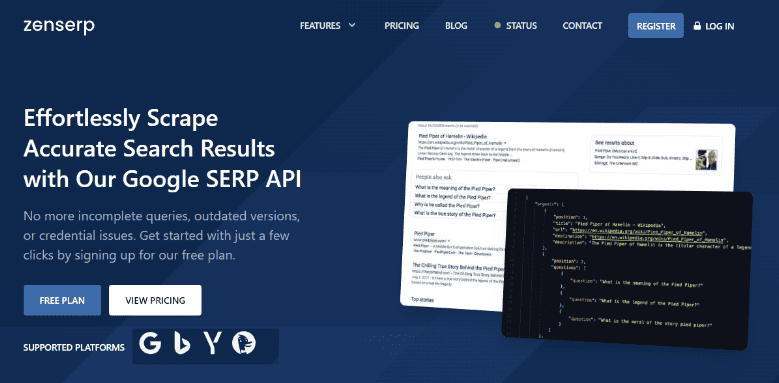
Zenserp delivers live search results through an incredibly fast infrastructure. They boast an average response time of roughly four seconds. The service covers multiple different endpoints spanning various digital properties. It supports massive automated scraping operations without dropping connections.
Key features of Zenserp:
- Standard web search extraction
- Image and news discovery parameters
- Video ranking information including channel data
- Product page commercial insights
- Trending topic extraction directly to JSON
- Asynchronous batch processing
- Bulk index checking graphical user interface
Pricing:
Zenserp divides its pricing into very clear usage buckets. The Small plan costs $49.99 monthly granting 25,000 searches. The Medium plan charges $149.99 monthly for 100,000 searches. They provide a generous free plan allowing 50 requests per month with zero credit card requirements. Selecting annual billing triggers a permanent 20% discount. Standard plans cap concurrent connections at exactly 400. The system sends automated warning alerts when usage reaches 90 percent.
1-Year Ownership Calculations:
- Solo Developer Scenario: A small operation selecting the Small plan pays $49.99 monthly. Applying the 20% annual discount drops the total 1-year ownership cost to $479.88.
- Mid-Sized Agency Scenario: A business selecting the Medium plan (100,000 searches) at $149.99 monthly would normally pay $1,799.88. Applying the 20% annual billing discount drops the total 1-year ownership cost to $1,439.88.
- Enterprise Scenario: A massive operation on the 1 million search Enterprise plan spends $899.99 monthly. The discounted 1-year total sits at $8,639.88.
Best For:
Developers requiring lightning-fast response times for live applications. High-volume location-specific monitoring tasks requiring granular geographical coordinates.
Pros:
- Strong service level agreements kick in immediately at the Medium tier.
- The included request builder converts variables directly into production-ready code snippets instantly.
- There are absolutely no hidden extra fees for checking different search types like images or news.
Cons:
- Direct technical support availability remains highly limited on the lowest pricing tiers.
- Fast priority queuing is strictly locked behind the expensive Premium tier.
Verdict:
Their strict adherence to a flat search count rather than a confusing credit system makes long-term budget forecasting incredibly simple. The visual request builder operates as an excellent technical bridge. It helps novice developers construct complex queries without reading hundreds of pages of documentation. Providing a pure SEO rank API without tying it to an expensive marketing dashboard demonstrates clear respect for engineering teams.
4. Semrush
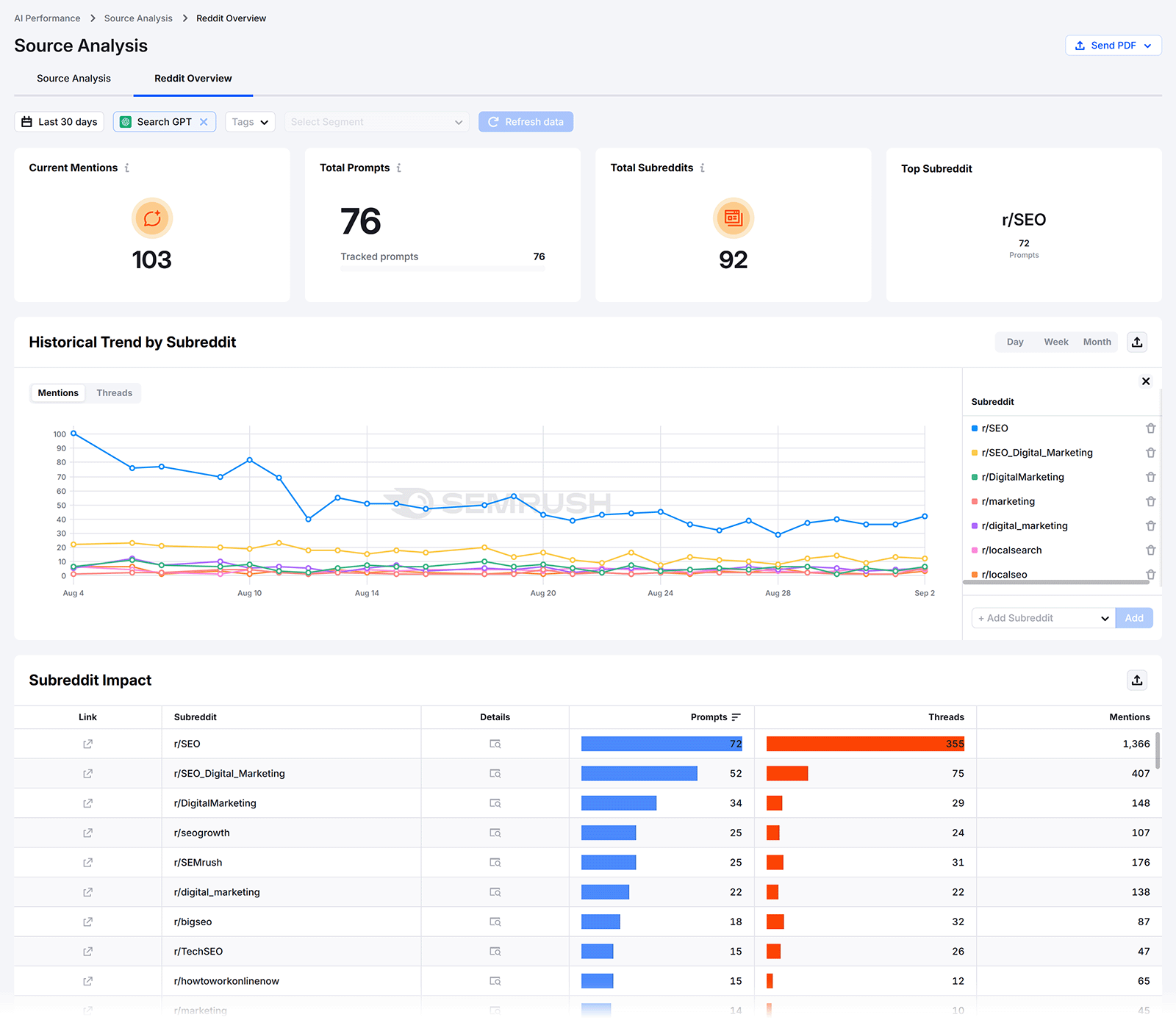
Semrush controls a massive digital analytics database stretching back years. Their programmatic access provides identical numerical data to their visual web platform. They separate their technical access carefully into specific targeted toolkits. The endpoints export massive CSV files for deep spreadsheet analysis.
Key features of Semrush:
- Domain Analytics extraction
- Keyword Gap Analysis metrics
- Backlink Analytics tracking
- Paid Advertising Research block data
- Position Tracking campaign sync
- Site Audit extractions
- Adwords Cost estimations
Pricing:
Securing technical access to Semrush requires jumping through notoriously expensive hoops. Technical access is strictly blocked on entry-level plans. Teams must purchase the Advanced plan at $549 monthly or the Semrush One Advanced plan at $455.67 monthly (when billed annually) just to unlock the door. After paying the base subscription, users must purchase separate API units. Units are sold in massive blocks starting at 2 million. A single line of backlink data costs exactly 40 units. Unused units expire monthly and never roll over. Adding 1 million units costs roughly $100 monthly. The newer MCP package includes a default allowance of 50,000 units.
1-Year Ownership Calculations:
- Solo Developer Scenario: A solo developer cannot afford this system. The barrier to entry blocks small projects completely.
- Mid-Sized Agency Scenario: The required Semrush One Advanced base plan costs $5,468.04 annually ($455.67 x 12). Assuming a team adds a minimal 1 million unit block for $100 monthly ($1,200 annually), the total 1-year ownership costs at least $6,668.04.
- Enterprise Scenario: A massive team buying the base $549.00 monthly plan plus 5 million units (approx $500 monthly) will spend exactly $12,588.00 annually.
Best For:
Massive enterprise marketing departments already heavily invested in the Semrush visual ecosystem. Teams needing deep competitive intelligence stretching back a decade.
Pros:
- The historical data depth remains unrivaled in the industry.
- It pulls exact project data from pre-configured web tracking campaigns seamlessly.
- The system provides excellent coverage for paid advertising research including specific Adwords block positioning.
Cons:
- The pricing structure is incredibly hostile to small software development teams.
- Hard expiring units punish users with fluctuating monthly query volumes brutally.
- You must pay for a web interface to use the technical endpoints.
Verdict:
This strict pricing model actively discourages casual software development. Forcing users to buy a $549 web interface subscription just to buy separate technical credits feels like a massive financial trap. We think this specific barrier to entry pushes agile development teams straight toward cheaper alternative best SEO API providers. Treating basic programmatic access as an ultra-premium luxury alienates modern technical teams entirely. If you want a simple SEO ranking API without the bloat, look elsewhere.
5. SerpAPI
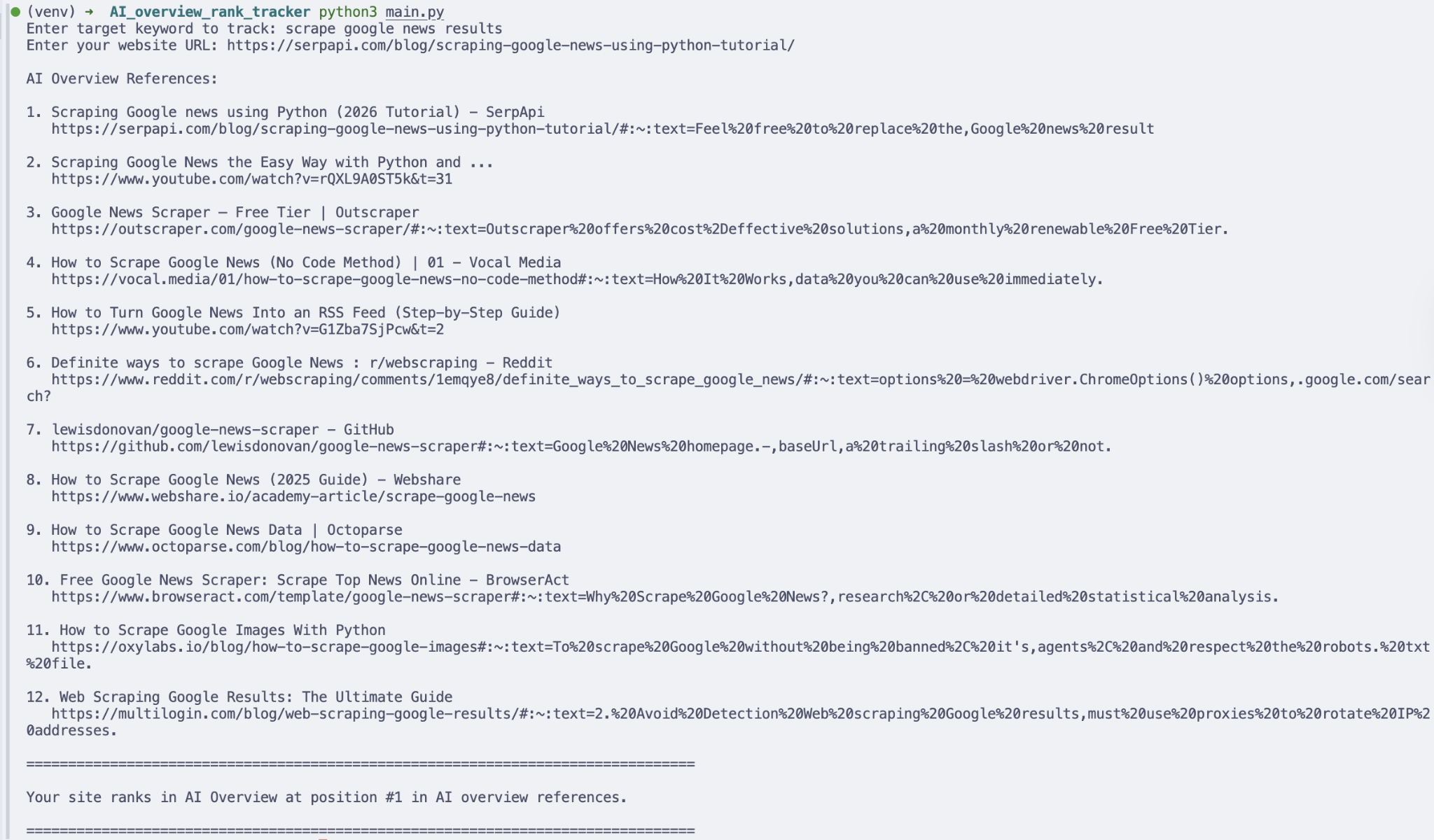
SerpAPI focuses purely on blazing fast real-time extraction. They handle the residential proxies and parse the structured JSON data directly. Their interface is heavily favored by machine learning teams building autonomous agentic web workflows.
Key features of SerpAPI:
- Pure real-time extraction speeds
- U.S. Legal Shield liability coverage
- ZeroTrace execution mode
- Deep JSON parsing for rich snippets
- High throughput capacity for massive jobs
- Support for 80+ different search engines
Pricing:
They advertise simple month-to-month contracts openly. The Starter plan provides 1,000 searches for exactly $25 monthly. The Developer tier grants 5,000 searches for $75 monthly. The Production tier costs $150 monthly yielding 15,000 searches. They enforce strict hourly throughput limits stacked on top of the monthly quotas. The $75 plan caps throughput forcefully at 1,000 queries per hour. Reserved search blocks cost $2.75 per 1,000 queries. On-demand searches cost $7.50 per 1,000 queries. Cloud plans stretch upward to 54 million searches monthly for over $106,000.
1-Year Ownership Calculations:
- Solo Developer Scenario: Because they operate strictly on month-to-month contracts for standard tiers, calculating a 1-year cost is beautifully straightforward
- The Starter plan ($25 monthly) totals $300.00 exactly for one year.
- Mid-Sized Agency Scenario: The popular Developer plan ($75 monthly) equals exactly $900.00 for one year of ownership.
- Enterprise Scenario: A company needing 560,000 searches monthly buys a customized Cloud plan for $90,600 monthly. The 1-year cost exceeds one million dollars.
Best For:
Developers building autonomous agentic software tools requiring instant data. Operations that absolutely require the legal protection of a U.S. based scraping entity.
Pros:
- The specific Legal US Shield assumes liability for the extraction actions directly.
- Cancellation is allowed at any time without triggering financial penalties.
- Downgrading transfers remaining search balances to an extra credits pool automatically.
Cons:
- Strict hourly throughput caps create severe operational bottlenecks instantly.
- Strange caching invalidation rules confuse users and drain monthly quotas unpredictably.
Verdict:
The hourly throughput limits function as a massive hidden penalty for fast scripts. A developer might pay for 30,000 searches but cannot execute them rapidly without hitting a solid brick wall. This strict throttling messes with continuous monitoring loops heavily. Teams attempting fast programmatic checks often get burned by these invisible speed limits. A true SEO API automation tool shouldn't choke your pipeline artificially.
6. Authoritas
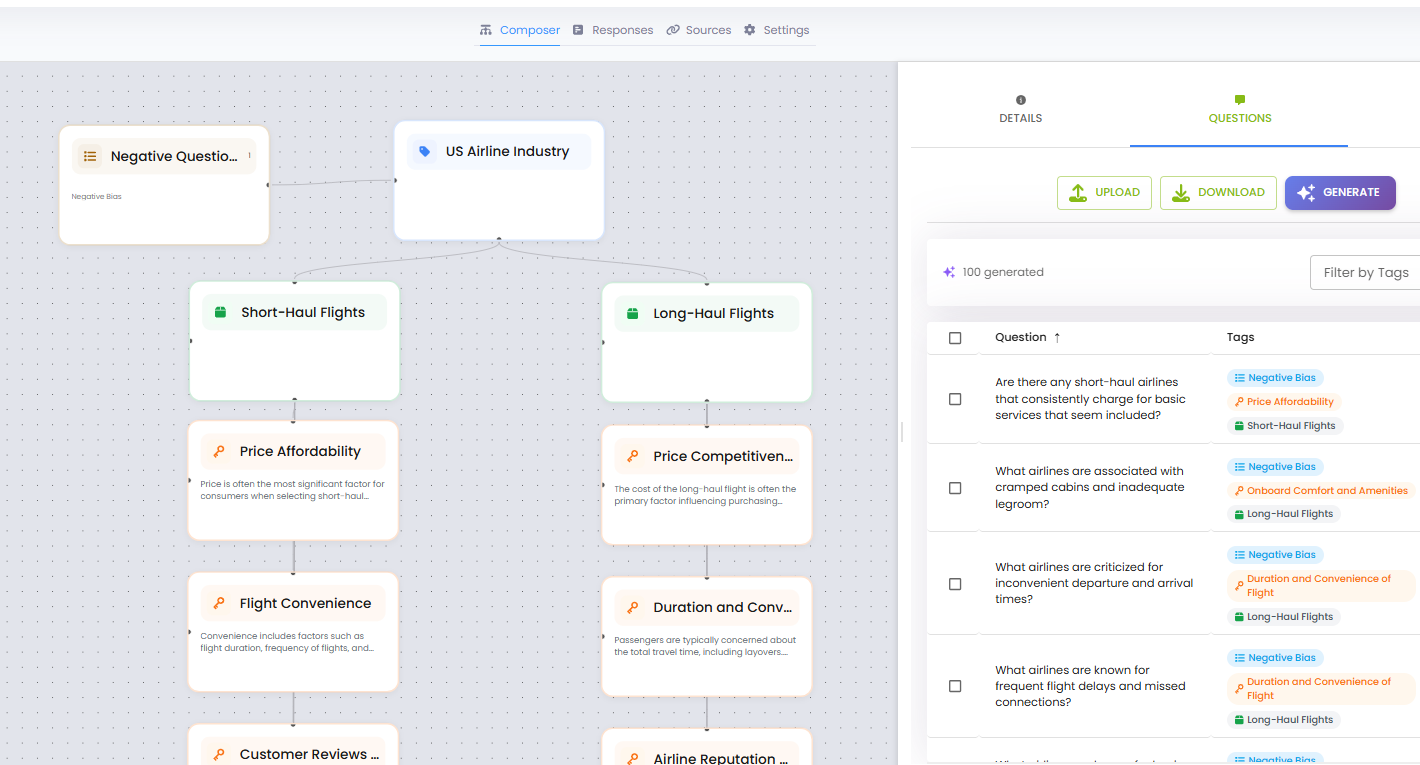
Authoritas provides high-end enterprise capabilities for massive brands. Their backend system tracks generative search changes perfectly. They run a robust technical interface designed for serious marketing operations attempting to decode LLM brand visibility.
Key features of Authoritas:
- AI Overview tracking and automated expansion
- User Intent scoring metrics applied to every keyword
- Real-browser execution algorithms
- Share of Search market calculations
- Hyperlocal tracking capabilities mapping to zip codes
- Generative brand visibility tracking
- True versus Pure configuration setups
Pricing:
Their technical endpoints are bundled generously compared to competitors. The main Platform API runs free for customers holding Advanced or Expert business packages. The separate SERPs API charges per thousand queries utilizing a sliding scale. The rate starts at £3.50 CPM (Cost Per Mille) for volumes around 100,000 queries. They issue a free trial key containing exactly 1,000 credits to test the systems immediately.
1-Year Ownership Calculations:
- Solo Developer Scenario: A solo developer can utilize the free Google Sheets plugin up to 1,000 requests monthly for absolutely zero cost.
- Mid-Sized Agency Scenario: The required Advanced web platform costs $399.00 monthly ($4,788.00 annually).
- Enterprise Scenario: If a massive enterprise maintains the Advanced plan ($399/mo) and adds 100,000 bulk queries per month at £3.50 CPM, that adds roughly £350.00 (around $440.00 USD) monthly. The total 1-year ownership reaches approximately $10,068.00 depending on exact daily currency fluctuations.
Best For:
Enterprise teams needing precise tracking of massive AI Overviews and generative search shifts. Brands obsessed with protecting their image against LLM hallucinations.
Pros:
- The architecture is entirely capable of expanding generative AI snippets to capture cited source links physically.
- The system includes advanced user intent scoring automatically with every pull.
- It provides a free Google Sheets add-on for simple spreadsheet testing.
Cons:
- The backend demands significant software development experience to implement the main platform endpoints properly.
- Full pricing structures for custom bulk volumes are not publicly listed.
Verdict:
Their specific ability to physically click and expand AI Overviews using headless browsers is technically brilliant. Standard scrapers only see the top-level text layer. Authoritas digs deeper to capture the exact URLs cited within the hidden generative paragraphs automatically. This specific generative capability is totally unique among standard search engine rankings API providers. We think this positions them perfectly for the incoming wave of LLM-based search behaviors.
How to Choose the Best SEO API for Your Stack?
Finding the exact best SEO data API involves looking strictly at your actual engineering requirements:
- Machine learning teams scraping raw internet text heavily do not need historical backlink databases. They need a fast SEO API.
- Marketing agencies building client reports do not need headless browser generative tracking. They need a reliable SEO rank API.
Look closely at the documentation formatting. A good API SEO setup takes minutes. A poorly documented system wastes weeks of expensive engineering time. The best SEO API providers publish their exact error codes clearly. They provide clean testing environments. They offer functional code snippets covering multiple languages.
Avoid vendors that force long-term restrictive contracts. The best API for SEO will let an engineering team scale usage dynamically without penalties. If a provider demands a massive upfront commitment before granting a testing key, walk away immediately. There are far too many competitive API SEO tools available today to tolerate hostage pricing. Choose a search engine rankings API that respects your specific database structure completely. A proper SEO integration API should bend to fit your existing product, not the other way around.
The data indicates clearly that teams using dedicated SEO data API providers ship digital products significantly faster. They avoid residential proxy management entirely. They ignore CAPTCHA algorithm updates. True SEO API automation relies on trusting the vendor to handle the brutal extraction drudgery.
How Agencies Can Automate SEO Reporting Beyond APIs
Not every agency needs to build custom API integrations from scratch.
Many agencies combine SEO APIs with reporting platforms to simplify data collection, automate client reporting, and reduce manual work.
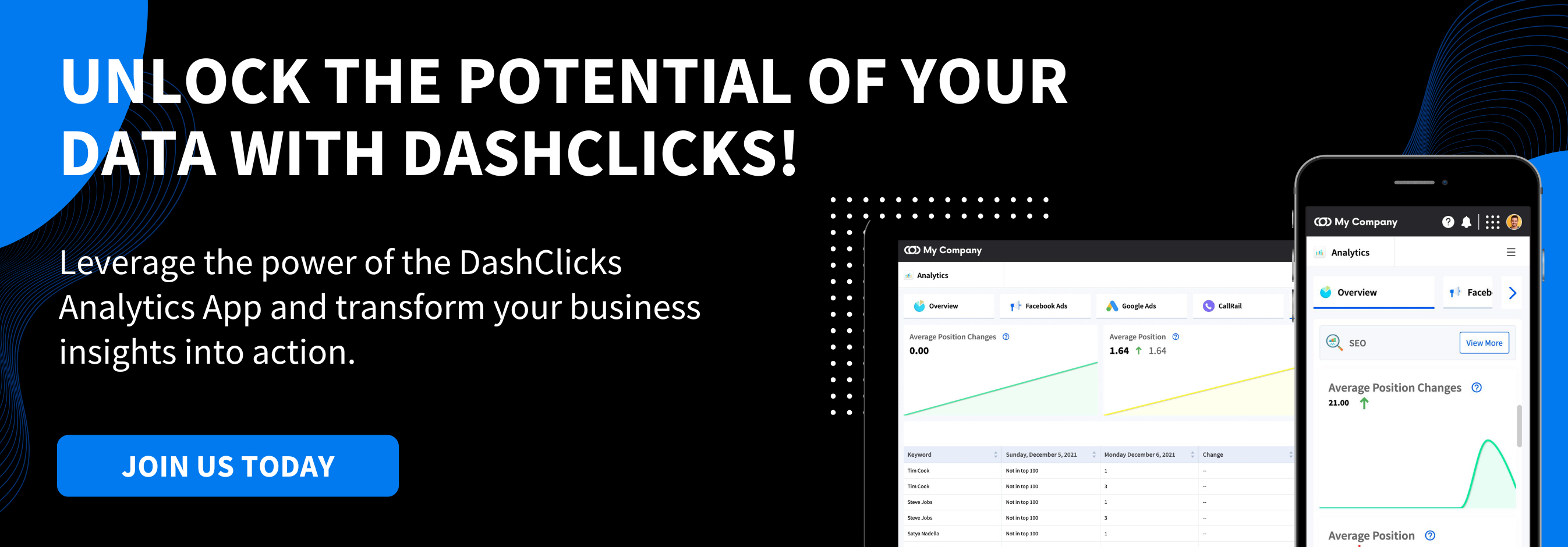
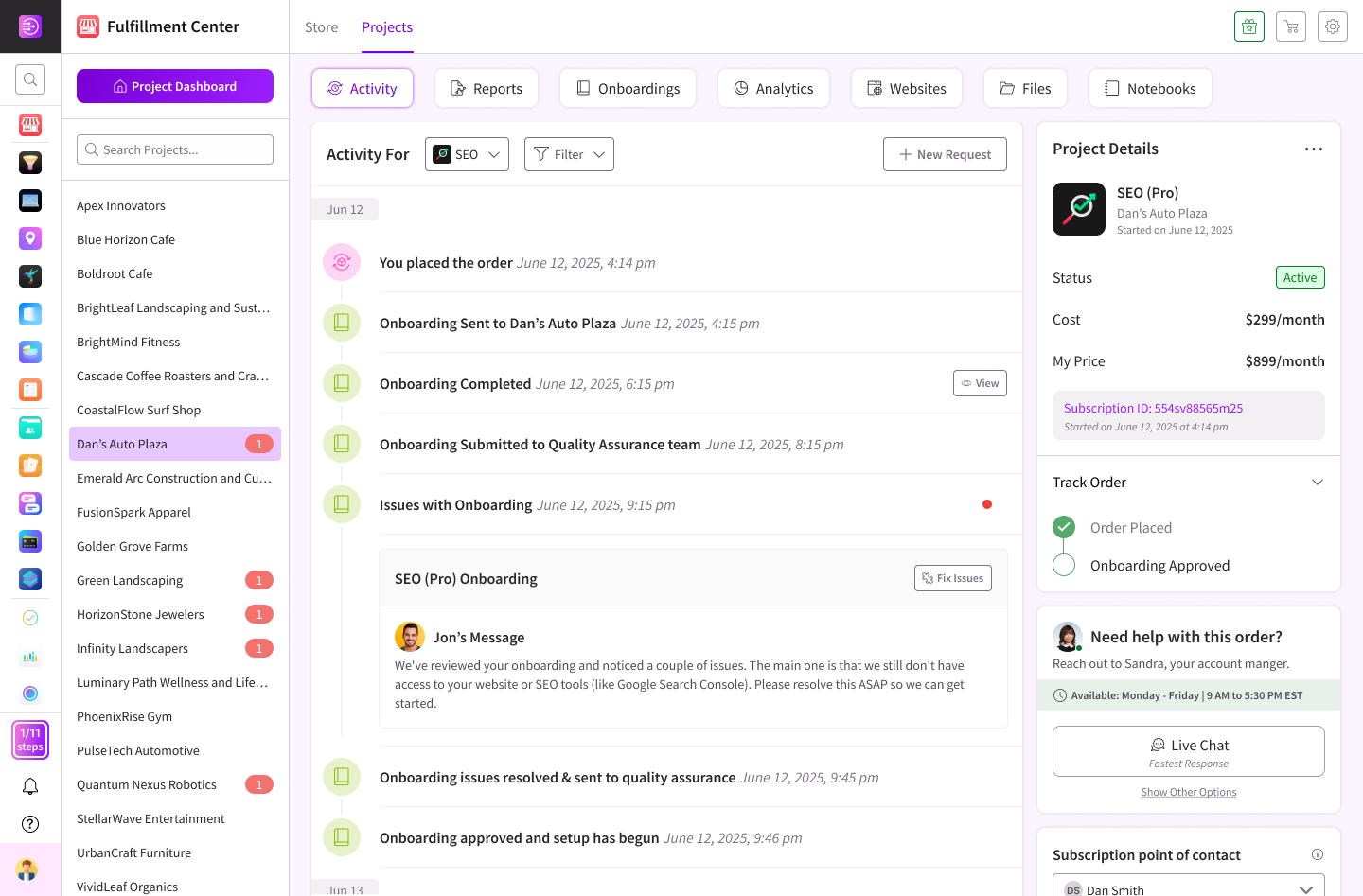
For agencies that prioritize scalability, solutions like DashClicks' marketing analytics reporting software can help consolidate marketing data into client-friendly dashboards without requiring significant development resources. This allows teams to spend more time optimizing campaigns rather than assembling reports manually.
As agencies grow, combining reliable SEO data providers with automated reporting tools creates a more efficient workflow for both internal teams and clients.
When Should You Use an SEO API vs. an Analytics Platform?
An SEO API is ideal when you need raw search data to build custom applications, automate workflows, or integrate rankings into proprietary systems.
An analytics platform, on the other hand, is better suited for agencies that need to monitor campaign performance, visualize marketing metrics, and generate client-facing reports without building everything from scratch.
Many growing agencies use both together, an SEO API to collect search data and an analytics platform like DashClicks’ marketing analytics reporting to transform that data into actionable insights for internal teams and clients.
FAQ
Q1. What exactly is the difference between a standalone API and an add-on API?
A standalone system allows users to purchase raw data without buying access to a visual web dashboard. You pay purely for the data transfer. An add-on requires users to maintain an active, highly expensive web platform subscription just to unlock the technical interface. The best SEO data API vendors usually offer standalone packages.
Q2. Why do some providers charge based on credits while others charge per search?
Credit systems allow providers to weigh different endpoints differently based on computational weight. A simple keyword check might cost one single credit, while a massive domain backlink audit costs fifty credits. Per-search billing is simpler but usually applies strictly to basic scraping operations rather than deep historical database analytics. The best SEO API providers explain their credit math clearly.
Q3. Can I use these specific tools for high-frequency competitor monitoring?
Yes, but check the hidden hourly throughput limits carefully. Some providers restrict exactly how many requests can hit their servers per minute. Exceeding these limits results in blocked connections and failed scripts, regardless of your remaining monthly quota. Ensure your chosen API SEO pipeline can handle the velocity you require.
Conclusion
Securing clean metrics requires brutal honesty about exact technical demands. The market offers wildly different solutions for different problems. Heavy scrapers absolutely need robust proxy networks. Marketing agencies need deep historical databases covering decades. Startups building new digital tools need cheap, highly flexible SEO rank API access. Finding the right SEO data API efficiently prevents future technical debt.
The right SEO API depends on how your agency collects, analyzes, and reports search data. While developers may prioritize flexibility and technical integrations, agencies often benefit from solutions that combine reliable SEO data with automated reporting and streamlined workflows. Before making a decision, evaluate your reporting needs, expected query volume, scalability requirements, and long-term costs to ensure the platform supports both your current operations and future growth.


.svg)


.svg)
.svg)
.svg)
.svg)
.svg)