

.svg)

.svg)
.svg)
.svg)
.svg)
.svg)
At some point, digital marketing agencies run out of ways to generate good revenue. They do it through paid advertising, social media platforms, SEO, and web design. However, businesses can’t grow any further when they don’t have revenue streams. They are possible only with returning or new customers. While searching for additional communication channels and strategies, marketing agencies often forget about email and chatbot automation, which bring great results.
Agencies often skip email and chatbot automation, although this is a perfect “set it and bill it” recurring retainer offering. It often happens because they assume that automation is cost-consuming and that developers are necessary. However, in 2026, it’s no longer a point because most of the platforms offer a visual editor and templates, meaning that no coding skills are required. In a highly competitive business environment, automation is no longer an additional expense but a competitive advantage.
This guide is designed to explain why digital marketing agencies lose money without automation, make the difference between email and chatbot automation clear, and determine whether marketers need both. It will also show how to package it, provide a practical workflow, and real use cases.
Why Agencies Are Leaving Money on the Table Without Automation Services?
The majority of marketing agencies prioritize only certain activities, focusing on generating leads. They usually include paid advertising and content marketing. While these strategies remain important for businesses, they are only a half of the way towards acquiring new customers. The customer acquisition journey is a much longer process requiring different tools.
Let’s say there’s a typical paid advertising client. A marketing agency might manage to drive prospects using Google or Facebook Ads, but what happens next? Leads can ask for information, submit forms, or abandon shopping carts. However, sometimes their requests remain unnoticed. To have it all covered, agencies need to incorporate automation covering a lot of repetitive tasks while keeping prospects satisfied. That’s how marketing agencies can avoid losing potential customers and lead them towards conversion. When agencies handle the whole customer journey and each of its touchpoints, they usually get higher customer lifetime value.
Automation helps cover all sales opportunities and creates a better revenue stream. Besides, it doesn’t require constant management. Marketing agencies just need to set it up, monitor, and improve when necessary. After designing workflows, they can use these flows to deliver value to customers. This can be done in a variety of ways: automated email sequences, appointment reminders, cart abandonment campaigns, customer onboarding sequences, Instagram, WhatsApp, and Facebook automation.
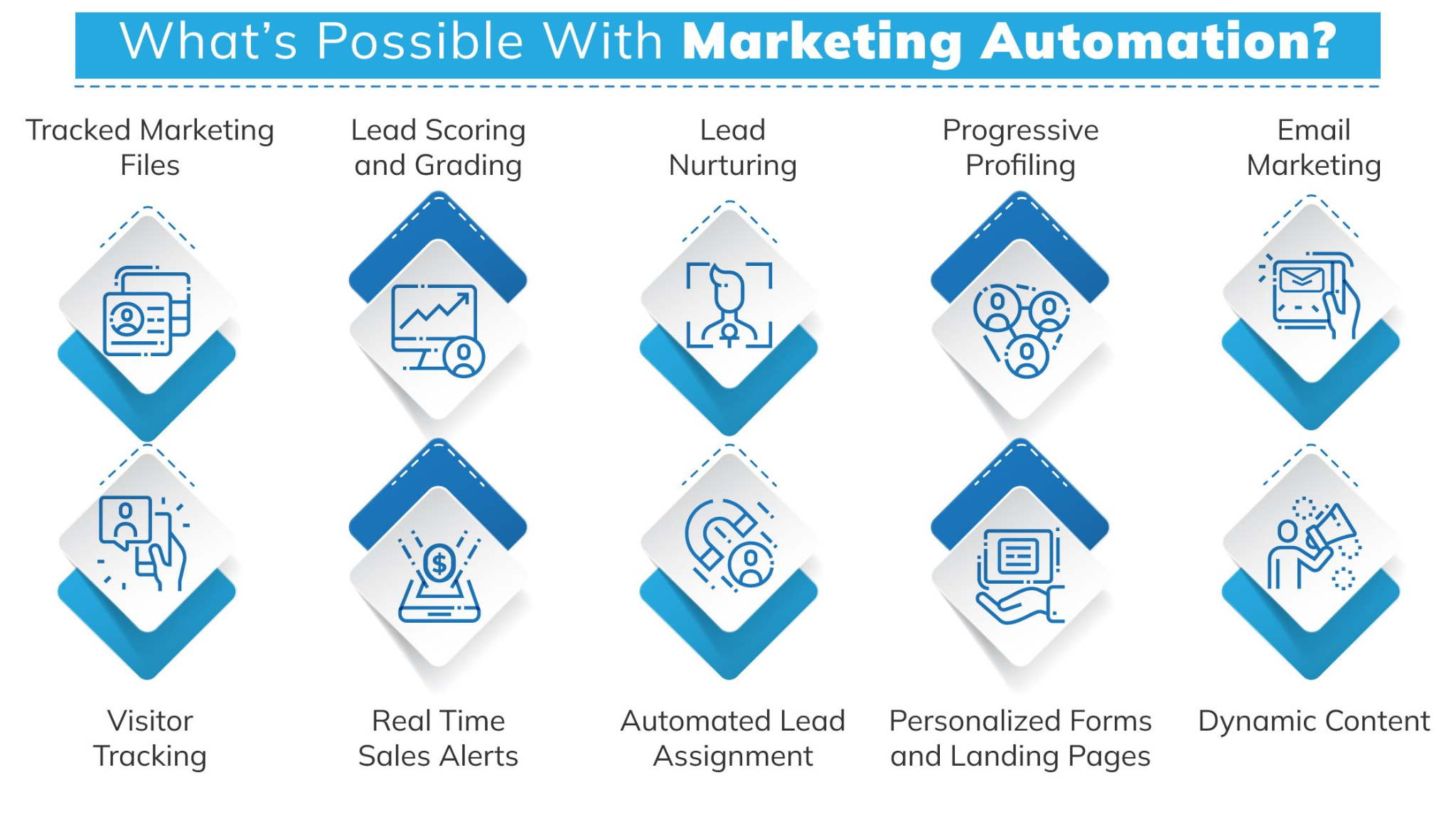
If agencies don’t provide such services, customers might prefer competitors as an option. This leads to lost opportunities.
Email Automation vs. Chatbot Automation - What's the Difference and Do You Need Both?
Although email and chatbot automation are designed to help prospects and convert them into customers, they still have different purposes.
Email Automation
Email automation helps build long-term relationships with customers by sending welcome messages, lead nurturing campaigns, customer onboarding, promotional campaigns, re-engagement sequences, and more. With its help, agencies can reach out to customers at the right time without having to do it manually. They can simply schedule the message and attain their goal.
With email automation, agencies have structured, long-term communication with customers. They can send a sequence of personalized messages based on specific triggers and resonate with the audience's needs. It contributes to trusting relationships and customer loyalty.
The main perk of email automation is that it helps agencies nurture relationships with prospects over time. When leads aren’t ready to buy right now, they can do it later, and email campaigns contribute to it. These prospects can convert after weeks or even months of receiving relevant emails that are timely and useful. This content might include educational emails, product recommendations, testimonials, promo codes, or exclusive offers. This interaction, which is ongoing, allows marketing agencies to improve repeat purchases, loyalty, and, most importantly, customer lifetime value. Email automation is highly scalable, too. After designing the workflows, they only require periodic optimization and reporting.
Chatbot Automation
Chatbot automation allows interacting with customers in real-time. It’s about engagement across different communication channels like WhatsApp, Instagram, Messenger, website chat widget, and TikTok. Bots are suitable for different tasks. They include lead qualification, FAQs, product recommendations, event registration, appointment booking, around-the-clock support, and more.
With chatbots, marketing agencies can automate their communication with customers on different platforms. Using bots allows them to provide assistance on WhatsApp, Messenger, or Instagram 24/7. Digital marketing agencies can also deliver personalized product recommendations and even automate responses to comments under posts on Instagram or TikTok. That’s how to ensure that every lead gets all the necessary attention and information, contributing to a positive outcome.
When connecting with agencies through messengers, customers expect fast answers. Chatbots make it possible. Whether a user sends a question through WhatsApp or comments under a post on Instagram, the bot engages instantly and acknowledges every prospect. They help reduce friction and improve interaction.
Do Businesses Need Both?
The answer is yes. Email and chatbot automation complement each other and cover different stages of the customer journey.
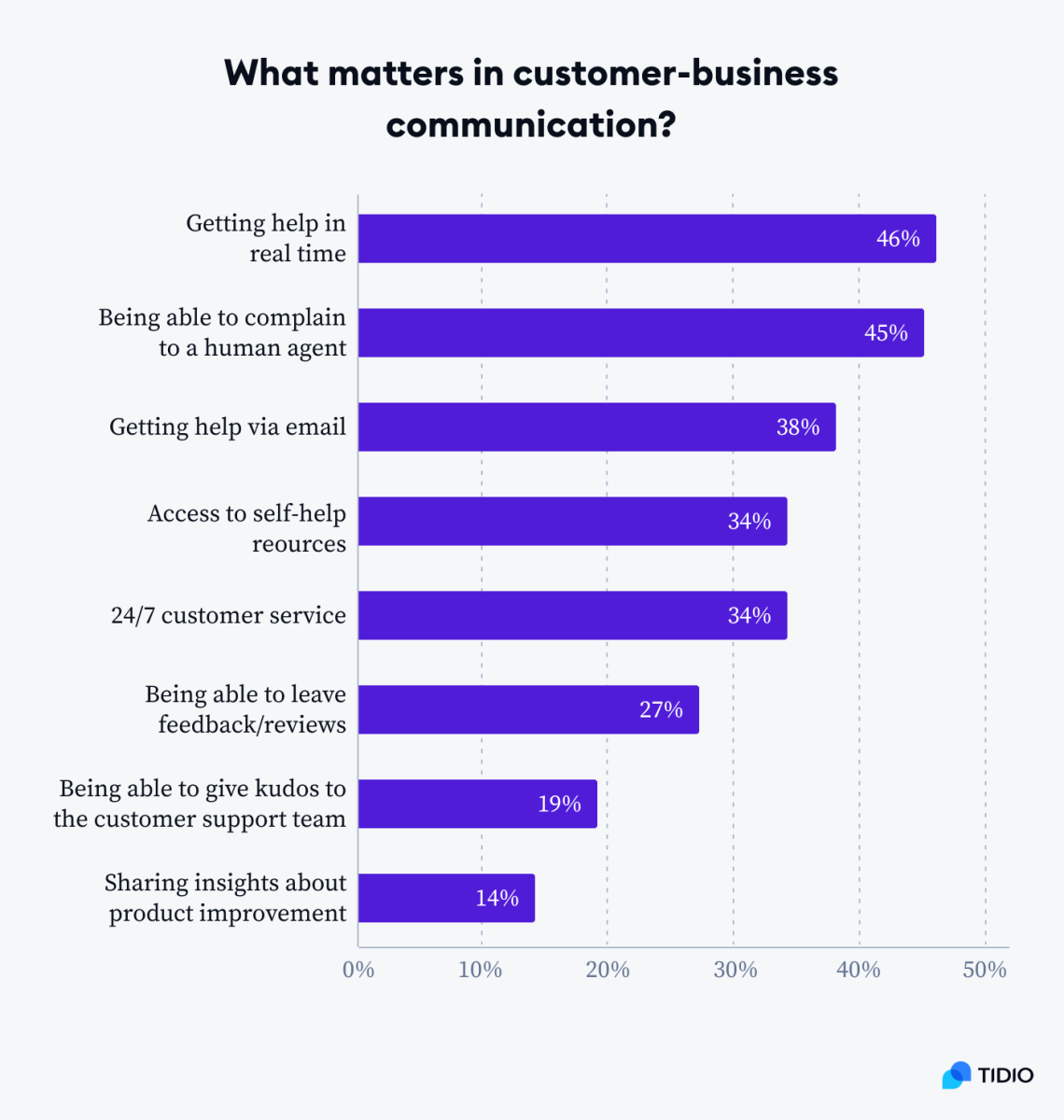
Image Source: Tidio
When users reach out through Instagram, agencies can use a chatbot to answer all their questions and collect emails for further follow-ups. Then, email automation comes in handy to deliver automated email sequences with detailed information, special offers, product launches, personalized discounts, etc. If prospects don’t convert, email automation allows you to send an abandoned shopping cart email and a message through WhatsApp or Instagram for higher visibility. Together, these channels contribute to the success of the marketing strategy and boost the number of conversions.
Using both automation channels helps marketing agencies to create complete customer journeys rather than focus on isolated campaigns. This approach enables agencies not only to generate leads but also to convert, retain, and upsell customers. It contributes to a higher customer lifetime value and overall impact the agency brings. With email and chatbot automation, marketing agencies no longer need to worry about around-the-clock responses, lead follow-ups, appointment booking and reminders, abandoned cart recovery, personal onboarding, etc. Automation handles it all and lets marketers focus on more complex tasks.
How to Package It as an Agency Service?
Often, marketing agencies present their automation services as custom projects, while it’s better to productize their offerings. Here, members of marketing agencies can find out how to present automation as an agency service.
1. Starter Automation Package
This package might include simple features for those just starting out. They are customer journey audit, one chatbot workflow, email automation sequence, CRM, basic reporting, and monthly optimization. The package is a perfect fit for small businesses with no prior experience using automation tools.
2. Full Automation Package
This automation package is suitable for mid-sized and big companies having lots of prospects and customers. Premium package includes multiple email sequences, funnel strategy development, lead scoring, multi-channel chatbot automation, behavioral segmentation, advanced reporting, CRM synchronization, and more.
3. Positioning Automation to Existing Clients
When it comes to existing customers, automation becomes a good upsell opportunity. Marketing agencies handling content marketing, social media, or SEO can show how to bring the most value from the leads generated.
Let’s take an agency running paid advertising campaigns as an example. It can also offer chatbot and email automation for nurturing prospects and making them more eager to buy. The marketing agency prioritizing social media can introduce Instagram and Facebook chatbots. In this case, chatbots will help capture and qualify leads on autopilot.
4. Positioning Automation for New Clients
If marketing agencies seek new clients, they can have automation as a competitive advantage and key differentiator. Now, when a lot of agencies still prioritize ads and social media to generate traffic, automation can be a driving force of the marketing strategy. It helps marketers to position themselves as growth partners.
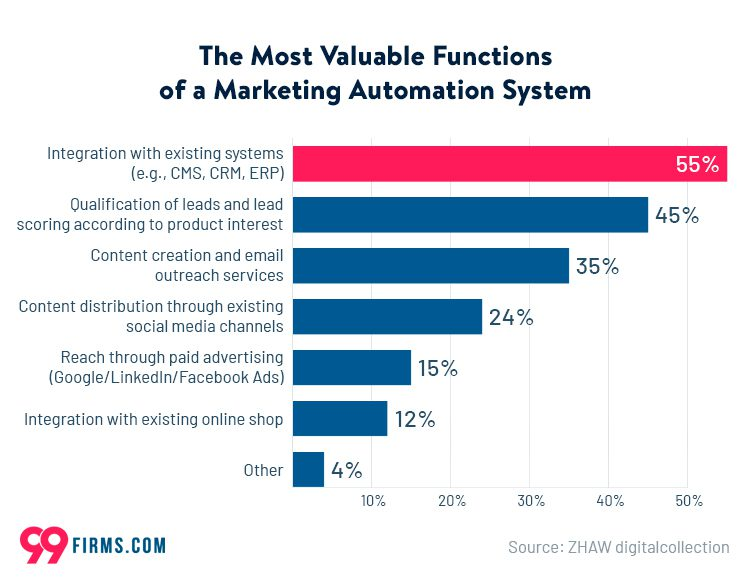
Image Source: 99firms
With bots, agencies can show how they help capture, generate, and convert leads without human involvement. This is especially relevant to clients who have slow response times, inconsistent follow-ups, missed opportunities, etc. Automation is what makes marketing agencies different from competitors and encourages clients to participate.
5. Pricing Models
Agencies can also package automation services based on a pricing model. There can be a one-time setup fee for strategy, integrations, workflow creation, and implementation. Some agencies offer monthly pricing. It covers monitoring, optimization, reporting, campaign updates, and new automation opportunities.
Manage Automated Conversations in One Place
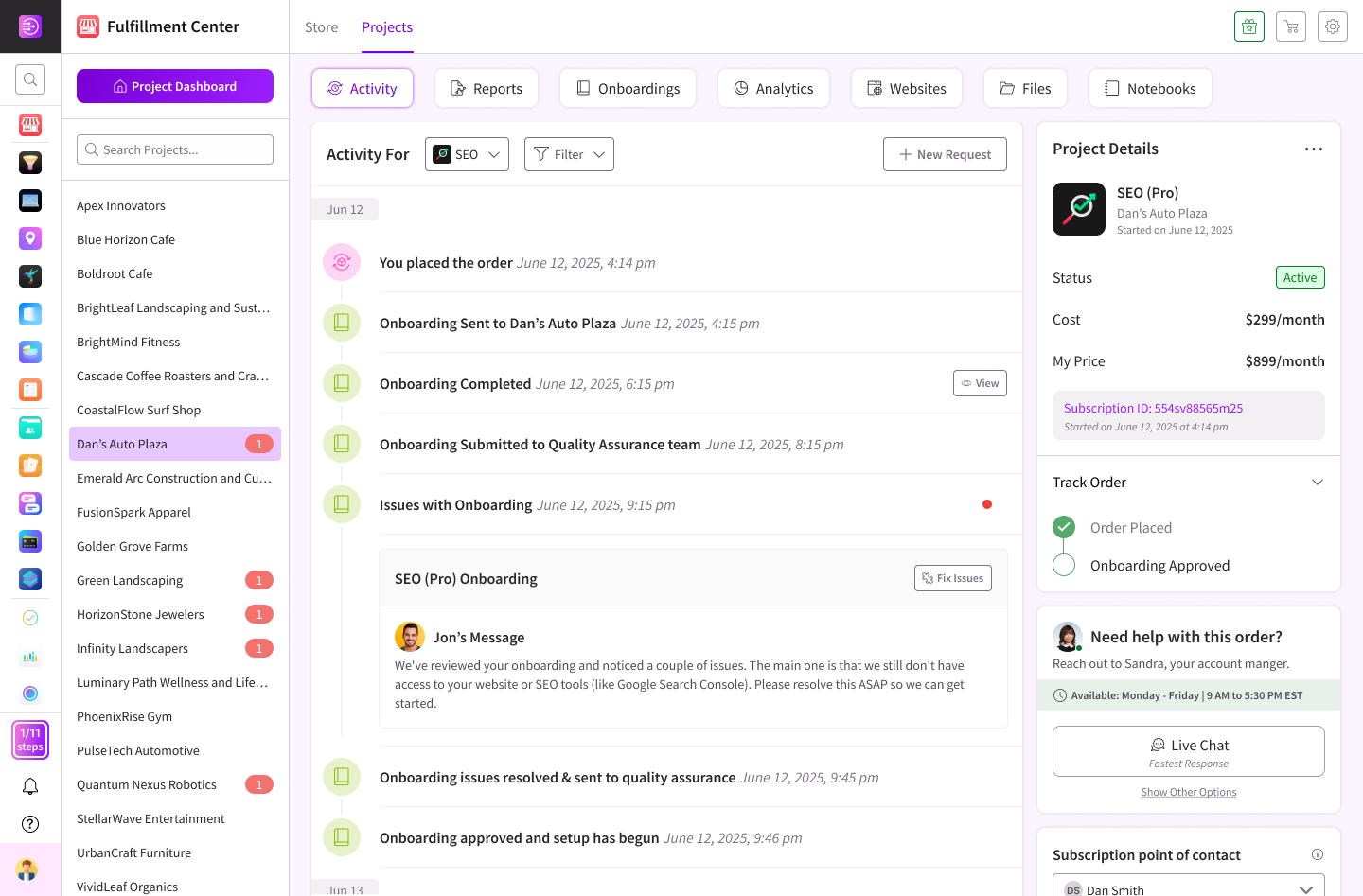
As agencies add email and chatbot automation to their service stack, managing conversations across multiple clients can quickly become challenging. Using a centralized communication platform like DashClicks’ Conversations Software helps agencies organize SMS, email, web chat, Facebook Messenger, Instagram, and other customer interactions from one dashboard. This gives account managers better visibility into leads generated through automated campaigns while making follow-ups faster and more consistent.
Choosing the Right Platform for Your Agency
The effectiveness of automation depends a lot on goals and the platform agencies choose. This section will unveil the most crucial characteristics for a marketing automation service, allowing agencies to achieve better results in their communication with customers, customer support, lead nurturing, and many more tasks.
1. Multi-Channel Support
When choosing an automation platform, one should understand that if an agency needs multiple marketing channels, it’s an important point. It’s always better to have a single solution that offers all those channels. Otherwise, a company will face additional expenses. Fortunately, a lot of services provide multichannel support. SendPulse allows marketers to create professional automated email sequences, build chatbots for WhatsApp, Instagram, Messenger, and TikTok without any coding skills. The platform enables businesses to create a website chat widget and collect all the customer information in its CRM. By identifying a unified service, agencies significantly reduce expenses, onboarding, and management time.
2. Client Management Features
Digital marketing agencies need a platform designed for multi-client operation. These include separate client workspaces, user permissions, centralized management, team collaboration tool, and scalable billing models. All these features and tools ensure that team members can work independently and contribute to the final result. When a service offers per-user pricing, it might become more expensive as teams grow. It might bring unexpectedly high costs. That’s why thinking about this point in advance and choosing the right platform is a must.
3. White Label and Sub-Account Support
This feature is essential if agencies strive to effectively deliver automation services while ensuring a seamless client experience. With its help, businesses, instead of exposing the software vendor, present the tool as a part of their brand. It builds trust and credibility as well as improves retention.
4. Free plans
Before committing to a specific service, agencies need to test it first. It’s the best way to find out whether the platform covers all the necessary features and is easy to use. They can do it with the help of a free plan or a free trial. That’s why it’s advisable to search for an automation platform providing one of these options. By testing the workflows, marketing agencies can figure out whether this or that solution is a good fit for their business purpose. SendPulse provides its users with a free plan, which covers email marketing, chatbots, and CRM. This way, business owners avoid spending additional costs.
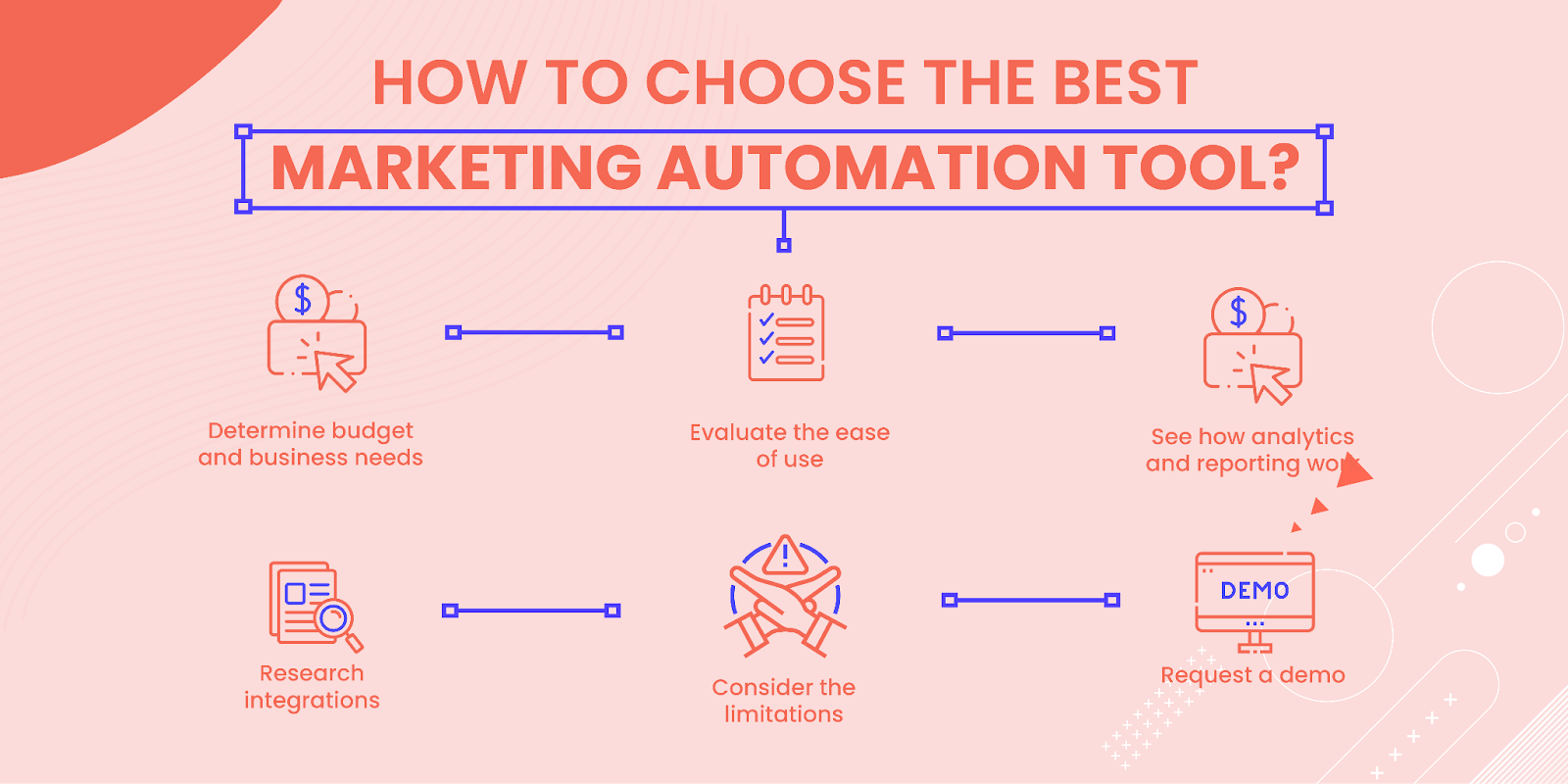
Image Source: Mailmunch
A Practical Workflow: From Onboarding a Client to Launching Their First Automation
When agencies create an automation flow, they usually follow a specific sequence of actions. This section is designed to provide a short practical workflow. It helps agencies with no experience do the same for their clients.
- Audit existing funnel gaps. Everything starts with identifying the stages at which potential customers are dropping off. These might be various scenarios. Leads might abandon their shopping carts, miss appointments, have a weak onboarding experience, etc. Once these points are identified, there’s a clear case for building an automation flow. Let’s say the percentage of prospects abandoning their carts is high, so there’s a point in creating abandoned cart reminders, encouraging leads to complete their purchases by checking out.
- Map the customer journey. The second step implies outlining a simple automaton flow. For instance, an agency offers a lead magnet, then it sends a welcome sequence, nurtures leads with informative content, presents the offer, and delivers a follow-up sequence. The workflow is simple yet effective for converting prospects into customers. With visual mapping, the value becomes more vivid for clients.
- Build the highest-impact chatbot. In 2026, a lot of digital marketing agencies communicate with customers using WhatsApp or Instagram. However, not all of them use automation. That’s a big problem when the number of inquiries is too high and becomes too difficult to handle everything manually. Here come chatbots. They enable agencies to automate initial inquiries, lead qualification, appointment scheduling, product information, and FAQs. It results in higher satisfaction and ROI.
- Connect email and chatbot workflows. Automation brings real results when channels are connected. When email and chatbot automations work together, they ensure seamless experiences for customers. For instance, a chatbot captures a prospect, and then this person receives an email nurture sequence. After that, interaction with emails encourages chatbot messages with special offers, discounts, coupon codes, etc. Once high-intent leads are identified, they are routed to sales agents for further interaction. This is the best way to provide consistency and a seamless experience across several communication channels.
- Report business outcomes. The most important outcome is not metrics but the impact. At this step, marketing agencies need to report the number of prospects generated, revenue recovered, response time, ROI, conversion rates, appointment bookings, and more. By showing measurable business outcomes, businesses can retain more customers and sell additional products.
Real Use Cases by Niche
Various marketing teams can use automation to put repetitive tasks on autopilot, provide personalized recommendations, schedule promotion email campaigns, and so on. This section will unveil each niche and what can be done with automation.
1. eCommerce
In this industry, there are many ways of taking advantage of email and chatbot automation. eCommerce clients usually use abandoned shopping cart email sequences. They help remind prospects about items in their cart and increase the chances of conversion. Maybe a person left them without checkout on purpose, or maybe just forgot to complete a purchase. WhatsApp reminder chatbots can be useful before and after the purchase. Brands can send wishlists or back-in-stock alerts, promotion reminders, or price drop notifications.
After the sale, it’s wise to deliver order confirmations, shipping updates, payment, and pickup reminders. By sending personalized discount follow-ups and customer reactivation campaigns to users’ inboxes, businesses remind customers about their products and encourage them to check them out.
2. Local Service Businesses
Usually, home service clients' appointment confirmation emails are sent to make sure that clients are available at that time. Automated reminder sequences on email, WhatsApp, Messenger, or Instagram help companies remind their customers about the service they have booked. They also use Facebook Messenger or WhatsApp chatbot to communicate with customers, share the details, pricing, and make an appointment automatically. After the service is provided, the chatbot can ask for a review or feedback to improve the service. As a result, this client has fewer missed appointments and happier customers.
3. Online Course Creators
A company involved in education usually uses a welcome email onboarding series to acknowledge new students and provide them with all course details. Course progress reminders show learners how far they have come, while student engagement campaigns focus on interacting with students. They also use a Telegram chatbot to answer students’ FAQs and solve specific issues. With automation, online course creators can ensure engagement while reducing the workload on the team.
Conclusion
Adding email and chatbot automation doesn't require coding skills, a technical team, or a big budget. The process is straightforward, and it lets marketing agencies build deeper client relationships while converting more of the leads they're already generating. Start with one client and one channel, prove the ROI, then roll it out across the rest of your service stack.
Email and chatbot automation helps agencies offer more value, strengthen client retention, and create recurring revenue opportunities without significantly increasing workload. The key is choosing automation tools that fit your clients' needs and pairing them with efficient communication and lead management processes. Platforms like DashClicks’ Conversations Software can help agencies keep automated conversations organized, respond faster, and ensure leads generated through marketing campaigns don't slip through the cracks.


.svg)


.svg)
.svg)
.svg)
.svg)
.svg)