

.svg)

.svg)
.svg)
.svg)
.svg)
.svg)
It's easy to feel adrift in digital content today. Every brand, every individual, seems to be vying for attention, often with messages that feel “too polished” to sound authentic. You might scroll through endless feeds, recognizing the patterns, the AI stock phrases, and the perfectly curated images, wondering where the “real” connection has gone.
And this sense of artificiality is not lost on your audience either.
They are increasingly discerning, craving something more genuine, something that resonates on a deeper level. Keep on reading to discover what happens when authenticity truly takes center stage in your digital marketing efforts — and why it’s the need of the hour now.
The Shifting Sands of Consumer Trust
Think about how you make purchasing decisions yourself. Do you immediately trust every advertisement that flashes across your screen? Probably not.
Years of exposure to exaggerated claims and unfulfilled promises have made consumers, including you, inherently skeptical. It’s a natural evolution of how people interact with brands now. Your audience has learned to filter out the noise and look for signals that cut through the commercial sheen.
That’s why trust has become the single strongest differentiator. People no longer want polished perfection — they want clarity, honesty, and a brand that behaves the way it claims to. For many industries, especially those dealing with personal well-being, this shift is not just visible — it’s unavoidable.
Htet Aung Shine, Co-Founder of NextClinic, said, “In healthcare, trust isn’t a marketing advantage — it’s the foundation of every decision a patient makes. People want transparent explanations, not scripted pitches. When communication feels genuine and human, trust builds naturally, and patients stay with you because they feel safe, not sold to.”
This consumer mindset is now shaping nearly every industry. People want verifiable experiences instead of promises. They check reviews, compare feedback, watch reactions, and look for signs of authenticity behind the scenes. They’re not convinced by branding alone; they’re convinced by behavior.
When they see real stories, real challenges, and real accountability, their confidence grows. If they sense even a hint of exaggeration, they move on without hesitation.
The brands that succeed today are the ones that meet this new standard head-on. They don’t try to outshine others through louder messaging — they focus on clarity, consistency, and honest communication. This shift is especially visible in companies that rely on trust at a structural level, like data, search tools, and tech platforms.
As Chris Muktar, Founder & CEO of LINKLY, explains, “Consumers don’t want to figure out what a brand really stands for — they want that honesty upfront. When companies are transparent about how they operate, what they collect, and why certain decisions are made, people respond with loyalty. Trust grows when clarity becomes part of the product experience itself.”
This change in consumer expectations is also redefining how brands communicate publicly. People don’t want overly curated messaging — they want real perspectives, raw honesty, and updates that feel human. They want brands that speak plainly, explain their decisions clearly, and don’t hide behind corporate language. Every touchpoint is now an opportunity to either strengthen trust or weaken it.
And nowhere is this more visible than in the media and communications world, where audiences instantly detect insincerity.
Alison Lancaster, CEO of Pressat.co.uk, describes, “People can tell when something is overly polished. What resonates today is messaging that feels open, clear, and direct. When brands communicate transparently — even when the news isn’t ideal — audiences feel respected, and that respect transforms into trust.”
What Does Authenticity Really Look Like?
Authenticity in digital marketing isn't about being perfect or flawless. In fact, it’s often the opposite. It’s about being real, transparent, and sometimes even a little bit vulnerable. It means your brand presents itself as it truly is, rather than trying to fit into a preconceived mold of what it “should” be. This can show up in the tone of your social media posts, the way you talk to customers, or even how you address mistakes publicly.
Trevor Rice, Founder of Home Pros, puts, “Customers don’t expect brands to be perfect. They expect them to be honest, consistent, and human. The moment you stop trying to impress and start trying to connect, everything changes.”
The rise of social media has dissolved the distance between brands and consumers. Direct access now works both ways, creating richer interactions and faster feedback, while raising expectations around accountability. People want to see how companies operate, communicate, and make decisions behind the scenes—especially when something goes wrong. Authentic brands don’t hide from this; they lean into it and use transparency as a competitive advantage.
Research shows that most consumers define it in very practical terms: being open about practices and policies, communicating clearly without jargon, and acting honestly even when the message is uncomfortable. For businesses, this means clarity and candor are now baseline requirements, not optional extras.
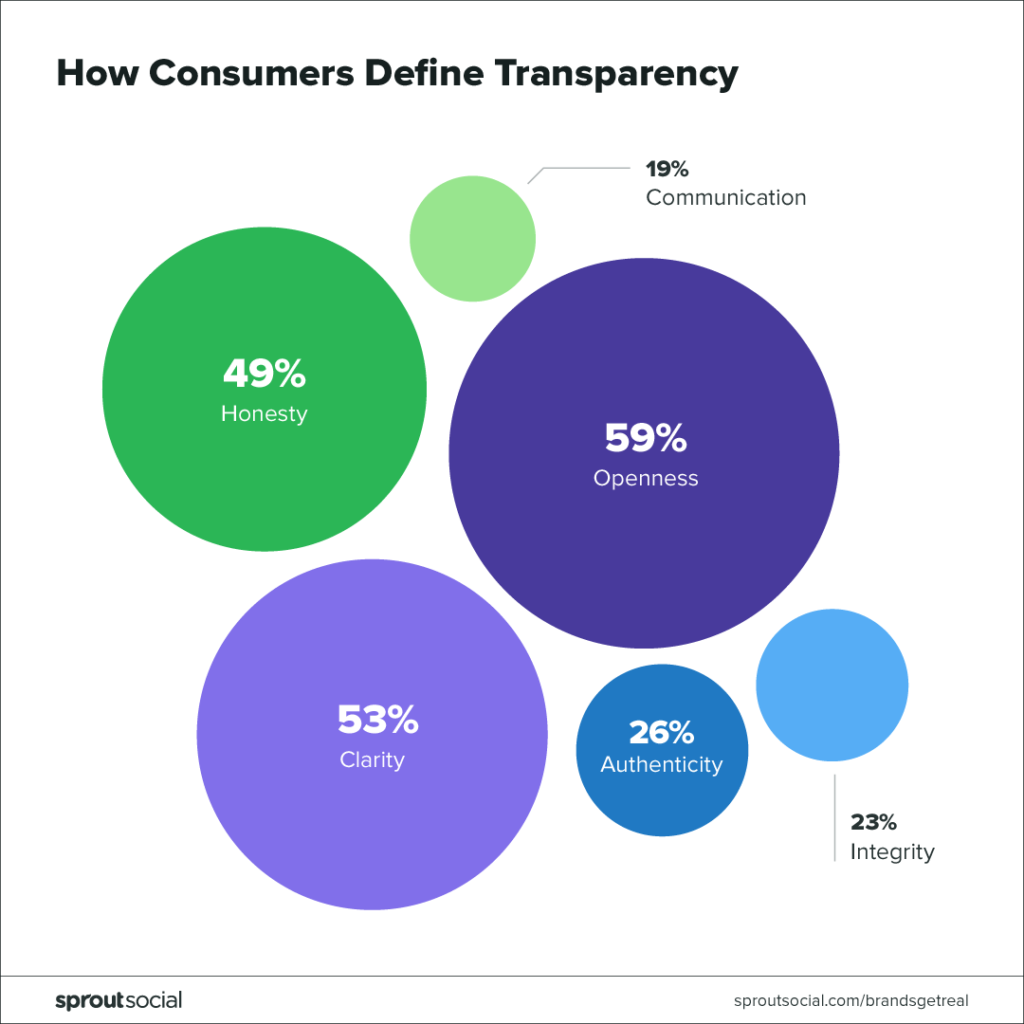
Image Source: SproutSocial
Consider a brand that openly discusses its challenges, or one that shares behind-the-scenes glimpses of its operations. These actions create a sense of honesty that resonates with people. It shows that there are real individuals, with real stories and real efforts, behind the brand name. This human element is incredibly powerful because it allows your audience to relate to you on a more personal level. They see themselves in your struggles, celebrate your successes, and feel a part of your journey.
Maria Sin, Founder of Purebred Kitties, adds, “People don’t fall in love with the logo. They fall in love with the people, the process, and the truth behind it. When a brand opens its doors and shows what really happens, trust becomes effortless.”
Another aspect of authenticity involves matching your words with your actions. If your brand claims to value sustainability, for example, your practices should reflect that commitment. Any disconnect between your stated values and your actual operations will quickly be noticed by your audience, eroding the trust you've worked so hard to build. Authenticity demands consistency in message and deed, showing that your brand isn't just speaking platitudes, but actively embodying its principles.
So, with this hunger for authenticity, how do marketers deliver?
ENTER: Verified Human Content
One of the most effective ways is through verified human content. It's about content that genuinely originates from real people, whether they are customers, employees, or brand advocates, and critically, its veracity can be confirmed. This might involve reviews, testimonials, social media posts, or even long-form stories and videos.
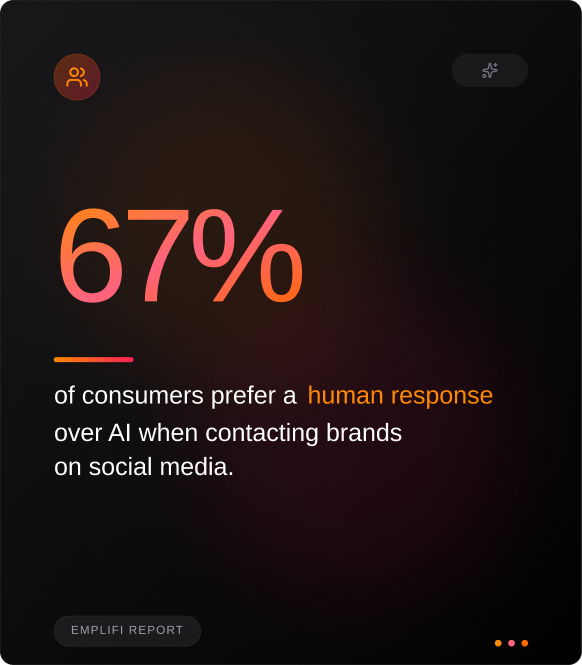
Emplifi’s report show that 67% of consumers prefer a human response over AI when contacting brands on social media..
The key differentiator here is "verified." In an age where deepfakes and AI-generated text are becoming increasingly sophisticated, your audience needs confidence that the content they are consuming is genuinely from a human source.
This verification can come through various means: platform badges, direct endorsement from the brand, or simply the inherent credibility of the source. This type of content cuts through the promotional noise because it's perceived as more trustworthy. When you see a glowing review from a verified buyer, it carries more conviction than claims made directly by the brand.
Tariq Attia, Founder of IW Capital - EIS Investment experts, said, “Verification has become the new trust signal. People want proof that what they’re reading or watching comes from a real, accountable person, not a generated persona. Once that trust is established, the message lands with far greater impact.”
It acts as social proof, validating your brand's claims through the experiences of others. This peer-to-peer recommendation has always been powerful, but in the digital age, its reach and impact are amplified exponentially.
But Why & How Verification Builds Trust?
Think about the sheer volume of information available online. Every minute, countless pieces of content are published, shared, and consumed. In this environment, discerning what is real and what is fabricated becomes a significant challenge for your audience. This is precisely why verification is so crucial. It acts as a stamp of approval, a signal that this particular piece of content has been confirmed to originate from a genuine source.
Trust has become a deciding factor in the buying process. Research consistently shows that a large majority of consumers say they need to trust a brand before they even consider making a purchase. Today, options are easy to compare with a simple Siri command or ChatGPT prompt. That’s why, credibility and reliability often influence decisions more strongly than price or promotions.
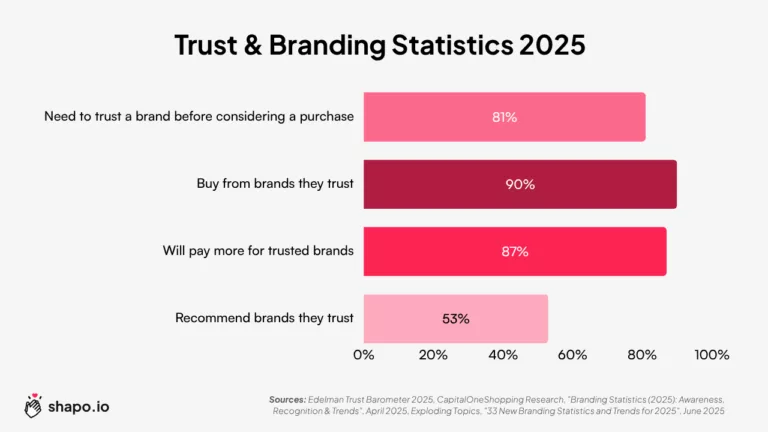
Image Source: Shapo
When content is verified as human, it essentially communicates that there's a real person, with a real perspective, behind the words or images. This immediately bypasses some of the skepticism your audience might have developed towards traditional marketing messages.
They are less likely to view it as a mere sales pitch and more likely to see it as an honest account or opinion. This shift in perception is enormous, directly impacting how much stock they put into what they are seeing or reading.
Karen Noryko, Career Content Director at Jobtrees, explains, “Job seekers and professionals respond to authenticity more than polished marketing. When content clearly comes from a real person sharing real insight, it builds confidence and engagement instantly. Verified human content isn’t just preferred, it’s expected.”
Verification also helps combat the growing concern around AI-generated content. As more businesses lean on AI tools to generate crucial messaging, the line between human and machine-generated text or visuals blurs. Your audience might start to question the origin of everything they encounter online.
By actively verifying human content, you provide reassurance, letting them know that they are engaging with authentic human experiences and insights, not just algorithms mimicking human thought. This strengthens the bond of trust, making your brand a reliable source of information and connection.
Dan Close, Founder and CEO at We Buy Houses in Kentucky, adds, “In real estate, trust can’t be faked. Verified human content allows potential clients to see genuine experiences from buyers, sellers, and agents. It’s what turns casual interest into confidence, and confidence into action.”
The Power of Employee-Generated Content
Beyond customer testimonials, one often underutilized source of verified human content comes from your own team: employee-generated content (EGC). Your employees are often the most knowledgeable and passionate advocates for your brand. They live and breathe your company culture, understand your products or services intimately, and interact with customers on a daily basis. Allowing them to share their experiences and insights offers a transparent look into your brand's inner workings.
Imagine an engineer sharing a quick video about a new feature they're excited about, or a customer service representative offering tips based on common queries. Or better yet, coming from the CEO itself. Nothing Phone company is a brilliant example of this authentic marketing strategy in the-now-times. They show the good, the bad, the best, in hour-long podcasts for the audience to judge, instead of polishing messaging alone as their marketing collaterals.
Jimi Gecelter, CEO of Tradeit, adds, “When employees share their genuine experiences, it humanizes the brand instantly. People trust real voices over polished campaigns. EGC isn’t just content, it’s proof that your company is alive, accountable, and transparent.”
This type of content is incredibly powerful because it adds a layer of genuine human connection that no corporate message can replicate. It shows the real faces behind your brand, humanizing your operations and making your company feel more approachable and trustworthy. Beyond just marketing, it strengthens the emotional bond between employees, customers, and the wider community.
Dorian Menard, Founder and Business Manager of Search Scope, highlights, “EGC transforms employees into storytellers. When teams share behind-the-scenes insights, successes, and even failures, audiences engage differently. They’re not just consuming marketing, they’re connecting with real experiences, which builds lasting credibility.”
EGC also helps build a stronger employer brand. Prospective employees want to work for companies that value honesty and transparency, and EGC provides an authentic glimpse into what it’s like to be part of your team. It demonstrates that your company trusts its employees, giving them a voice and valuing their contributions. This internal authenticity radiates outwards, enhancing your brand's overall perception in the market.
Sophia Willows, Head of Engineering at RYE, said, “When engineers, designers, or team leads share their work openly, it sends a signal that the company values expertise and honesty. People are drawn to brands where the culture is visible, genuine, and inclusive, EGC is the clearest way to show that.”
Customer Reviews and Testimonials as Gold
Perhaps the most recognized form of verified human content is customer reviews and testimonials. You, like countless others, likely consult reviews before making a purchase, booking a service, or even choosing a restaurant. These are not just casual opinions; they are social proof, powerful endorsements (or warnings) from people who have directly experienced what your brand offers. The sheer volume and accessibility of online reviews have transformed them into a cornerstone of modern consumer decision-making.
The key to their effectiveness lies in their perceived objectivity. While your brand might highlight its best features, a customer's review often details their unfiltered experience, including both the positives and, occasionally, the negatives. This transparency, particularly when a business responds thoughtfully to criticism, further builds trust. Verified purchase badges or reviewer profiles on platforms like Amazon or Yelp add another layer of credibility, confirming that the feedback comes from a bona fide customer.
Bill Sanders, from Fast People Search, explains, “When consumers see that feedback comes from real, verifiable people, it instantly removes doubt. Reviews act as a form of social validation, people trust other people more than they trust ads. Verified reviews aren’t just content… they’re a bridge to credibility.”
Encouraging and actively managing customer reviews is vital for any digital marketing strategy. This means making it easy for customers to leave feedback, responding promptly and professionally to all reviews, and, most importantly, showcasing positive testimonials across your various digital channels. When potential customers see that others have had good experiences, and that your brand values their input, it significantly lowers their perceived risk and increases their willingness to engage with you.
Rameez Ghayas Usmani, Award-Winning HARO Link Builder & CEO of HARO Link Building, adds, “Testimonials and reviews carry far more weight when they are organically sourced and verifiable. It’s the authenticity of each voice. Brands that cultivate genuine, human feedback consistently outperform those relying solely on curated messaging.”
Incorporating these reviews effectively across websites, social media, and email campaigns ensures that potential customers repeatedly encounter trustworthy voices. Each positive review becomes a micro-influence, gradually building a network of credibility that compounds over time, making your brand not just visible, but trusted.
Leveraging Influencers with Authentic Connections
Influencer marketing has exploded in recent years, but its effectiveness now hinges entirely on authenticity. The days of simply paying a celebrity for a quick product shout-out are fading. Today’s audiences are savvy, they can instantly detect whether a recommendation is genuine or merely a scripted endorsement. What resonates most are influencers who have built their following on authentic connections and a true passion for their niche.
“These days, I think authenticity works really well. At GPTZero, we've observed organizations moving towards strategies that value authentic storytelling and human innovation. When content is produced by genuine individuals with real expertise, audiences can see the difference. Our business focuses on providing marketers with the means to demonstrate that human touch, which strengthens and sustains audience trust.” — Edward Tian, CEO of GPTZero
This shift has important implications for influencer partnerships. It’s no longer just about follower counts. Brands now focus on engagement rates, the quality of the influencer’s audience, and, most importantly, alignment with the brand’s values.
An influencer who genuinely uses and believes in your product—and whose audience trusts their opinion—delivers far more impact than a mega-influencer reading from a script. Their content inherently carries the verified human element, because it comes from real experience and personal advocacy.
Moreover, micro and nano-influencers often outperform larger accounts in terms of authenticity. These individuals may have smaller followings, but they enjoy highly engaged, loyal audiences. Their recommendations feel less like paid promotion and more like genuine peer suggestions. By collaborating with influencers who embody authenticity, brands create content that is not only trusted but also shared organically, amplifying reach while strengthening credibility.
How DashClicks’ White Label Content Services Support Authentic, Human-Centered Marketing?
Building authentic digital experiences requires more than publishing polished content — it requires producing material that feels human, credible, and aligned with real audience expectations. DashClicks’ white label content services are designed to help brands deliver this level of authenticity at scale, without sacrificing quality or consistency.
Instead of generic, mass-produced copy, the service focuses on creating content that reflects genuine expertise, natural storytelling, and clear communication. Every asset — whether blog posts, website copy, social posts, or email content — is crafted to sound like a real person speaking to real people. This helps brands maintain trust while still meeting modern content demands.
DashClicks also places strong emphasis on accuracy, tone alignment, and audience context. For industries where authenticity directly impacts credibility — such as healthcare, real estate, finance, or professional services — this is especially crucial. By providing well-researched, human-written content that mirrors brand values and avoids automated clichés, DashClicks helps businesses establish deeper emotional and informational trust with their audiences.
In a digital world where consumers can instantly recognize overly polished or AI-generated messaging, and where brands increasingly need to humanize AI content from robotic tone, DashClicks’ white label content solutions empower brands to stay transparent, consistent, and genuinely human — the qualities that define modern trust-driven marketing.
Wrap-Up
The path forward in digital marketing increasingly centers on genuine connection and verifiable experiences. As the digital world grows more complex, the human desire for truth and relatability intensifies. Focusing on transparent, real content from actual people fosters a deeper bond, moving beyond superficial interactions to create lasting trust and meaningful engagement that benefits everyone involved.




.svg)


.svg)
.svg)
.svg)
.svg)
.svg)