

.svg)

.svg)
.svg)
.svg)
.svg)
.svg)
Podcasting gets judged by download charts, yet that number rarely explains whether revenue moved. A show can sound successful and still produce zero qualified conversations.
Client acquisition is the outcome that matters, especially for service firms with long sales cycles. When teams focus on listeners alone, they miss the signals that actually predict deals. A podcast earns attention differently than a post someone skims between meetings. Listeners often spend enough time with a host to pick up judgment, values, and how problems get framed.
That extended listening time can build trust faster than most written content, even when the topic is complex. Strategic podcast marketing works best when each episode sounds like a real working session, not a pitch.
Why Podcasts Drive Client Acquisition (Not Just Downloads)?
For a B2B podcast, relationship building becomes part of the format. Inviting operators and decision-makers onto the show creates a reason to talk, then follow up with context that feels natural.
This is where thoughtful podcast promotion supports lead generation, because the right distribution puts episodes in front of people who can buy or refer. Audience growth matters, but only when it improves fit, not vanity.
Niche positioning is the filter that makes the whole channel compound. As the show gets clearer about who it serves and what it solves, fewer episodes attract more of the right conversations.
Teams can then measure performance by replies, introductions, and meeting requests tied to topics. A single ideal listener who returns every week can outperform hundreds of casual downloads long after the episode ends.
Designing Episodes That Trigger Client Conversations
Not every episode format attracts the same level of buyer intent. Some conversations build awareness, while others create moments where listeners recognize their own challenges and consider taking action.
Service firms benefit from structuring episodes around problems that sit close to real purchasing decisions. Instead of broad industry commentary, episodes should explore questions clients already ask during discovery calls, vendor comparisons, or internal planning.
A few formats tend to create stronger conversion signals:
- Problem-Solution Breakdowns: Episodes that unpack a specific operational challenge help listeners diagnose their own situation and see where external help may fit.
- Case-Style Discussions: Walking through how a company approached a decision, implemented a strategy, or corrected a mistake often prompts listeners to evaluate whether they need similar support.
- Framework or Methodology Episodes: When a host explains how they think about solving a category of problem, it gives listeners language to reference later when reaching out.
- Decision-Stage Conversations: Topics like budgeting, timelines, risks, or vendor selection naturally attract audiences who are closer to buying.
Structuring episodes around these intent-heavy themes helps podcasts generate signals beyond downloads. Listeners begin to reference specific ideas, share episodes internally, or reach out with context already in place, making follow-up conversations more productive.
When this structure is intentional, promotion becomes easier because every repurposed asset points back to a clearly defined client problem rather than general thought leadership.
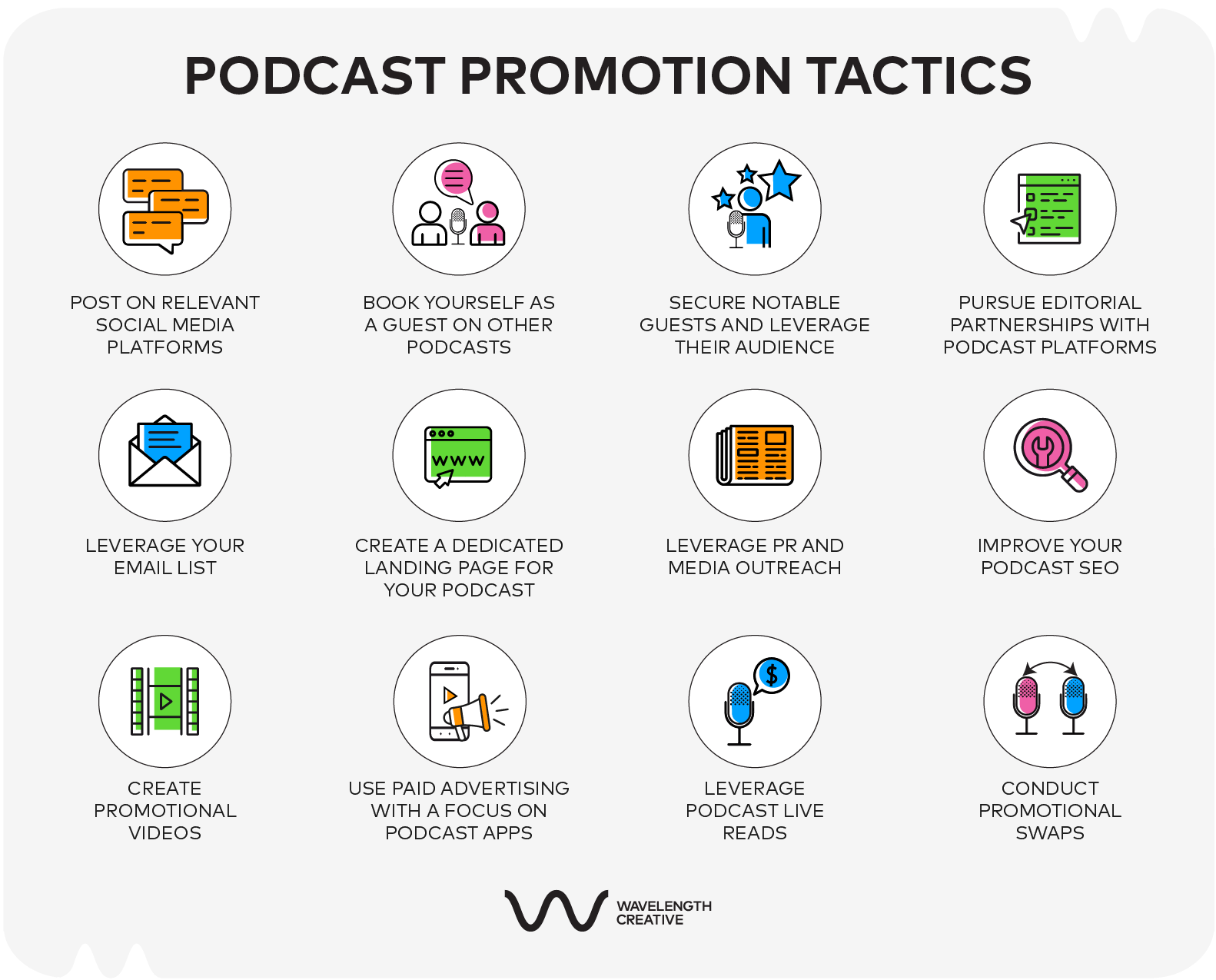
Image Source: Wavelength Creative
Repurposing Episodes Into Multi-Channel Lead Engines
Turning a single episode into multiple assets extends its reach and multiplies opportunities for client acquisition. The sections below break down which formats convert and where to distribute them.
Teams handling distribution at scale often rely on centralized marketing platforms to keep repurposed assets organized, scheduled, and measurable. Platforms like DashClicks can help agencies manage podcast clips, landing pages, email follow-ups, and reporting in one place, reducing the operational load of turning episodes into lead-generating assets.
1. Content Formats That Actually Convert
Instead of treating an episode as a one-time publish, plan content repurposing while recording. Mark timestamped moments where a guest defines a problem, explains a decision, or shares a framework, because those segments travel well.
Turn each episode into a small set of assets:
- Audiograms with a single takeaway and captions
- Short video clips formatted for vertical and square feeds
- A blog post that expands the core argument and links to related content marketing strategies that drive growth
- LinkedIn carousels that summarize a process in slides
Match every asset to one intent: awareness, consideration, or follow-up. When a format supports one intent, it becomes easier to measure which topics create replies and meetings.
2. Platform-Specific Distribution That Reaches Decision Makers
Discovery depends on where decision-makers search and scroll. Podcast SEO matters inside Apple Podcasts and Spotify, so use specific episode titles, consistent show descriptions, and clean tags that mirror how clients describe their problems.
LinkedIn typically performs best for B2B distribution because posts can reach the network of a guest, their colleagues, and second-degree connections. Pair a clip or carousel with a short context paragraph and a question that invites informed comments.
YouTube works like a search engine for long-form ideas, so publish full episodes and cut chaptered highlights with clear titles. Add a description that repeats the key phrase naturally and points to a single next resource.
To build an email list, create an episode-specific lead magnet, such as a checklist, template, or briefing note tied to the topic. Mention it in the show notes and link it from every repurposed asset so attribution stays clear for teams.
Agencies running podcast campaigns across multiple channels often use platforms such as DashClicks to connect social posting, landing pages, and lead capture workflows. This keeps attribution clearer and ensures that engagement from podcast content feeds directly into the sales pipeline.
Collaborations and Cross-Promotions That Scale Reach
Collaborations work best when they are built to generate qualified conversations, not to chase exposure. Podcast guesting can act like a warm introduction at scale, because listeners hear how a guest thinks through a real client problem.
Strong cross-promotions come from complementary podcasts that share an audience but do not compete on the same offer. When both hosts agree on one shared theme, the exchange feels editorial, and community engagement in replies and comments keeps the discussion visible after release.
A quick thank-you note and a shared comment plan help each side stay present without turning the exchange into advertising.
Guest Promo Packs That Make Sharing Easy
A guest promo pack removes friction so partners actually share. Teams can standardize the process by confirming the episode angle, preferred links, and a short bio before recording. Then, deliver the promo pack as soon as the edit is approved, with clear file names and platform notes. Finally, ask each guest to choose one posting window and one follow-up interaction, such as answering questions.
Include assets that make posting almost copy and paste:
- Two pre-written social posts for LinkedIn and X
- Audiograms with burned-in captions
- Quote graphics sized for feeds and stories
- Suggested hashtags tied to the episode topic
- A newsletter snippet with subject line
When sharing takes minutes, guests promote more than once, and those repeated mentions compound across networks and newsletters.
When Paid Ads Make Sense for Listener Acquisition?
Paid ads tend to improve listener acquisition only after a show proves it can hold attention organically. Teams should first see consistent engagement, steady downloads per episode, and repeatable topics that earn shares without paid support.
When that baseline exists, targeting matters more than reach. Ads usually perform best when they mirror existing intent, such as people who follow similar podcasts or engage with creators in the same niche. Campaigns also get cleaner when they focus on one segment at a time, then compare results. That testing mindset keeps the work aligned with a podcast growth strategy built on fit.
Paid social is typically strongest when it pushes one high-value episode rather than the whole show. Promote episodes that solve a narrow problem, feature a known operator, or include a framework that can be summarized in the ad creative.
Budgeting should assume experimentation, not instant scale, because costs vary by platform, targeting, and creative. Industry context from IAB podcast advertising research can explain shifting competition, and teams planning operations may relate this to scaling your agency without hiring over time.
Measuring What Matters: KPIs for Client Growth
Downloads per episode provide a baseline for reach, but they rarely predict revenue. A flatter trend can still produce better clients if the topics match real buying intent and follow-up stays consistent.
Attribution needs to be simple and repeatable. Teams can track podcast-driven inquiries with unique URLs in show notes and bios, episode-specific promo codes, and a required "How did you hear about us?" field in forms.
Lead generation metrics should map to the sales process, not the audio file. Useful signals include email signups tied to an episode, discovery calls booked from the show notes, and the close rate of those calls compared with other channels.
For ROI, calculate total podcast marketing cost per period, then compare it with gross profit from clients sourced through tracked attribution. When sales cycles run long, teams can model ROI using pipeline value and stage conversion rates. This keeps reporting tied to growth.
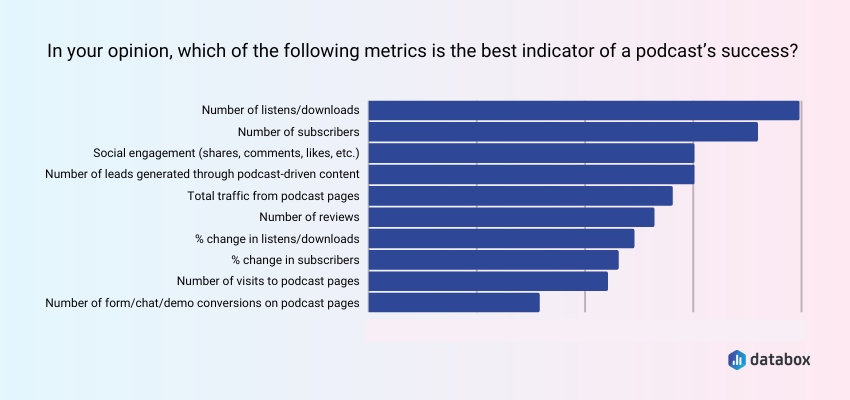
Image Source: Databox
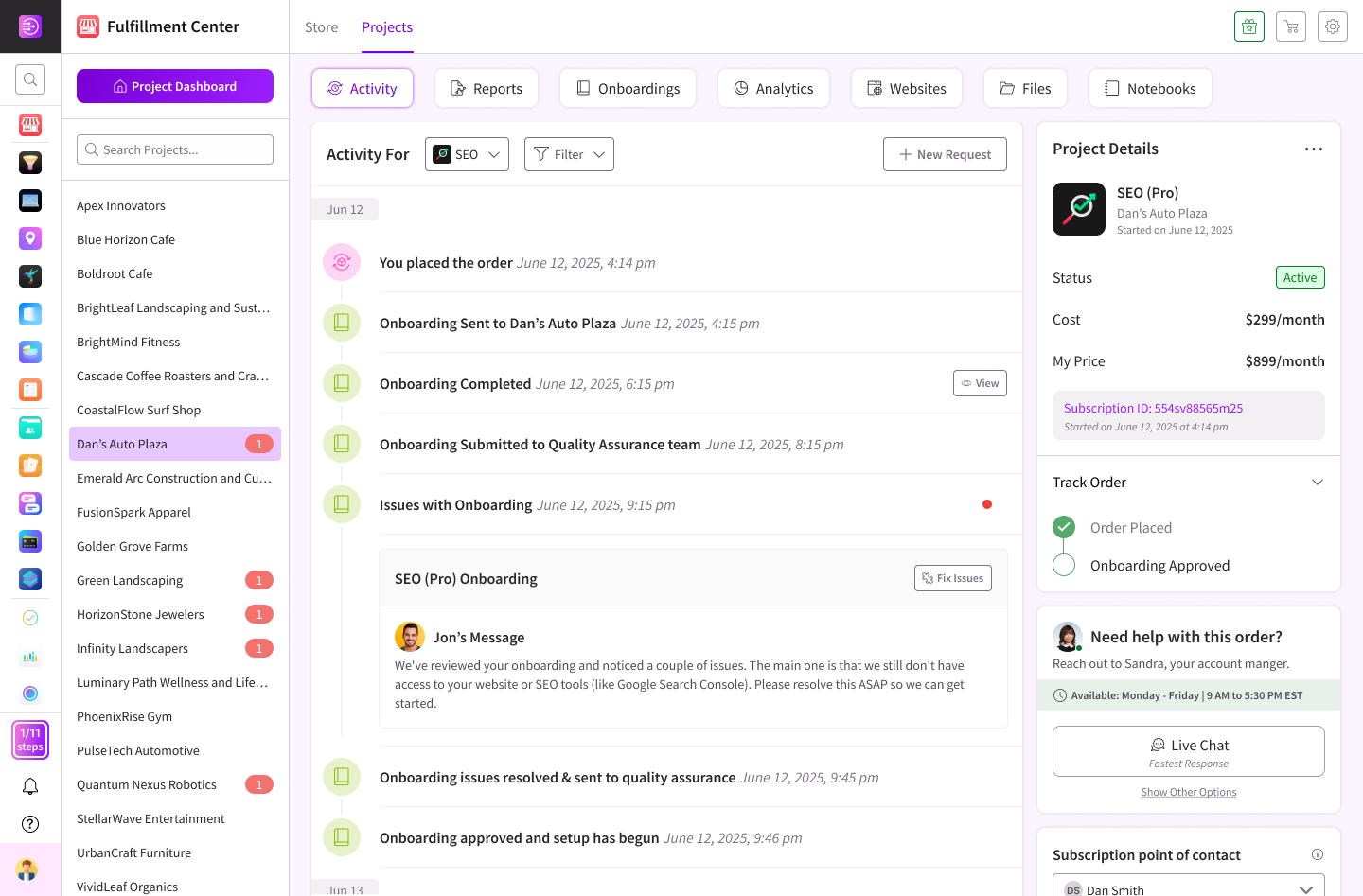
A marketing dashboard can simplify podcast attribution when multiple channels are involved. Platforms like DashClicks allow teams to track leads, monitor campaign performance, and connect podcast-driven inquiries to broader marketing activity without building custom reporting systems.
Turning Listeners Into Clients
Podcasting drives revenue when teams treat it as a client growth system, not a content hobby measured by downloads. Episodes should earn trust, create follow-up reasons, and connect to measurable inquiry paths while staying aligned with current podcasting trends.
Consistency in publishing, paired with disciplined promotion, compounds over time. A practical podcast growth strategy starts small: pick one distribution channel, one repurposed format, and one KPI such as qualified replies or booked calls.
Review results monthly, then double down on topics and placements that attract decision-makers. With that feedback loop, podcast marketing becomes a repeatable pipeline input rather than a weekly creative exercise for service firms.



.svg)


.svg)
.svg)
.svg)
.svg)
.svg)