

.svg)

.svg)
.svg)
.svg)
.svg)
.svg)
The first time it comes up, it sounds casual. A client you've held for two years says at the end of a QBR call, "you should come out and see us sometime." You laugh and say you'd love to. Then your account director points out that this client pays $9,000 a month, and the agency that pitched them last quarter sits forty minutes from their office.
Most agencies hit this moment somewhere between ten and thirty people. The team has been remote for years and the clients sit in four time zones. Suddenly there are flights on the company card with no policy behind them. This guide covers when each kind of trip earns its cost, and the small amount of structure that keeps the spending honest.
When a Client Visit Pays for Itself?
A few trip types justify themselves so reliably that the only question is scheduling. The new-business pitch, when the deal is big enough: a working rule many agencies use is that if first-year contract value clears ten times the trip cost, someone gets on a plane. The in-person QBR for your largest accounts, once or twice a year, because renewals are decided by people and people remember who showed up. And the save trip. A big client goes quiet, invoices slow down, your champion leaves. A $1,400 trip against a $108,000 annual retainer is cheap insurance, and the fact that you flew out says more than anything on the slide deck.
Everything else deserves scrutiny. A visit to a mid-tier account with no renewal in sight and no problem to fix is a nice lunch that cost the agency two workdays and a grand.
Cost control on the trips you do take comes down to density. Flying two people across the country for one 90-minute agency client meeting is how travel budgets die quietly. Build the day instead. Say two of you fly into Logan for a morning QBR at the client's office in Waltham. Add lunch with an integration partner in Cambridge and an afternoon coffee with a warm prospect near the Seaport, and the same airfare now touches three relationships.
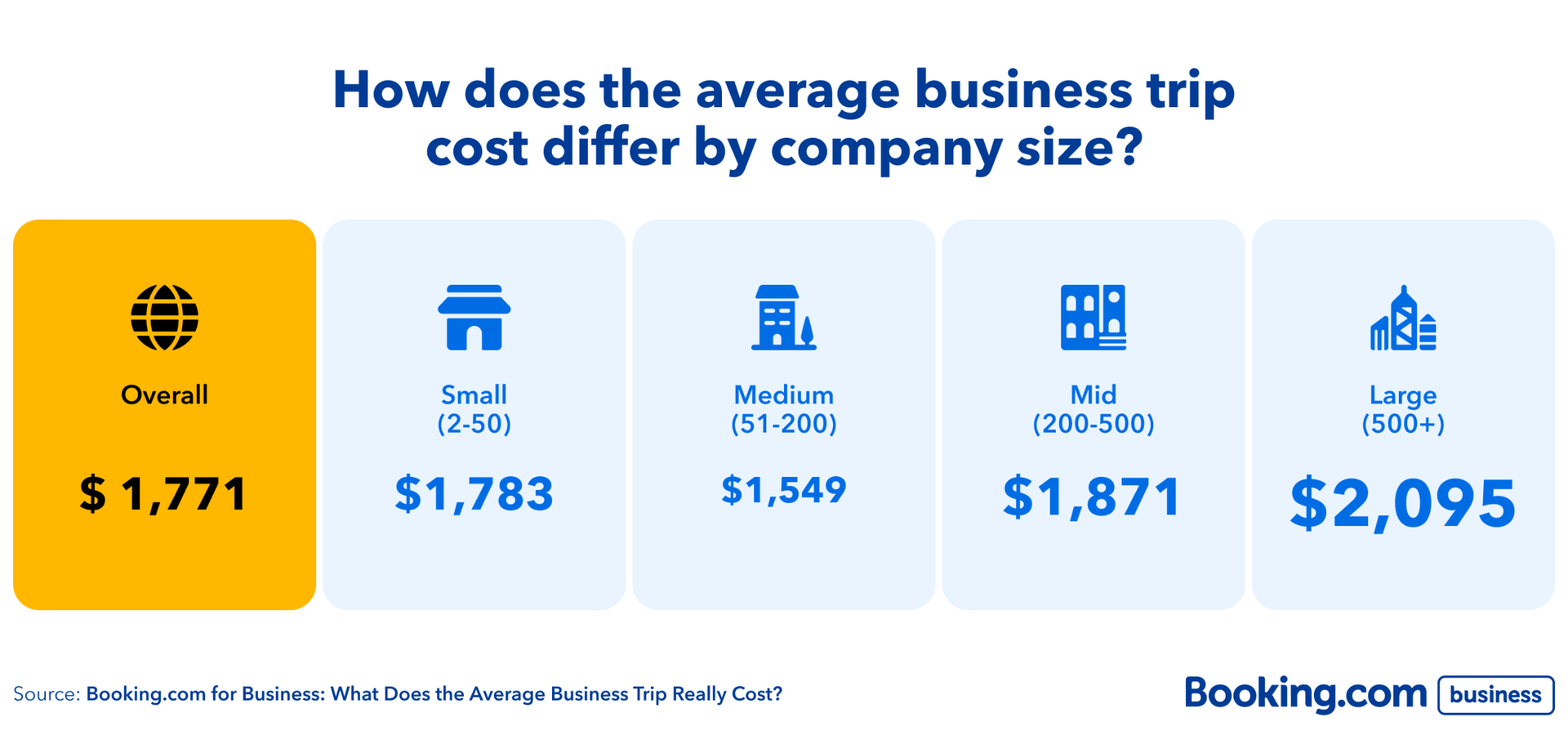
Image Source: Booking
Ground transport is where a day like that goes sideways. Four or five rideshare legs across metro Boston runs well past a hundred dollars and leaves you standing on curbs between meetings, watching the pickup timer. Once the day has multiple stops, a Boston car rental picked up at Logan usually costs less than the rideshare total for the same loop, even after parking. Comparison booking helps here: the same compact at the same Logan counter gets priced across a dozen suppliers, so the ground line stays inside the trip budget without anyone spending an hour hunting. Drop the car at the airport for the evening flight home.
Two more habits keep client visits cheap. Book flights at least three weeks out, because same-week fares routinely double the trip cost. And cap the delegation at two people unless the client asked for more. A third traveler adds a third of the cost and rarely a third of the outcome.
Run the Math Before Anyone Books
Travel prices are moving against you, which makes loose booking more expensive every year. The Global Business Travel Association's 2026 Business Travel Index, released August 3, 2026, forecasts a record $1.71 trillion in global business travel spend this year, up 7.2%, while the number of trips grows only 1.3%. Nearly all of that growth is price. The same trip you took last year costs more now, and it will cost more again next year.
So put a number on every trip before it exists. A two-person, one-night domestic client visit should land somewhere between $1,200 and $2,000 all-in: flights, one hotel night each, ground, meals. If the itinerary can't fit that band, the trip needs a stronger reason or a tighter plan.
The second half of the math is the revenue question. Before booking, write down which account or which pipeline the trip touches and what that number is. "QBR, Acme, $108K renewal in Q1" takes ten seconds to type and turns every trip into something you can evaluate later. Trips that can't fill in that line tend to be trips you shouldn't take.
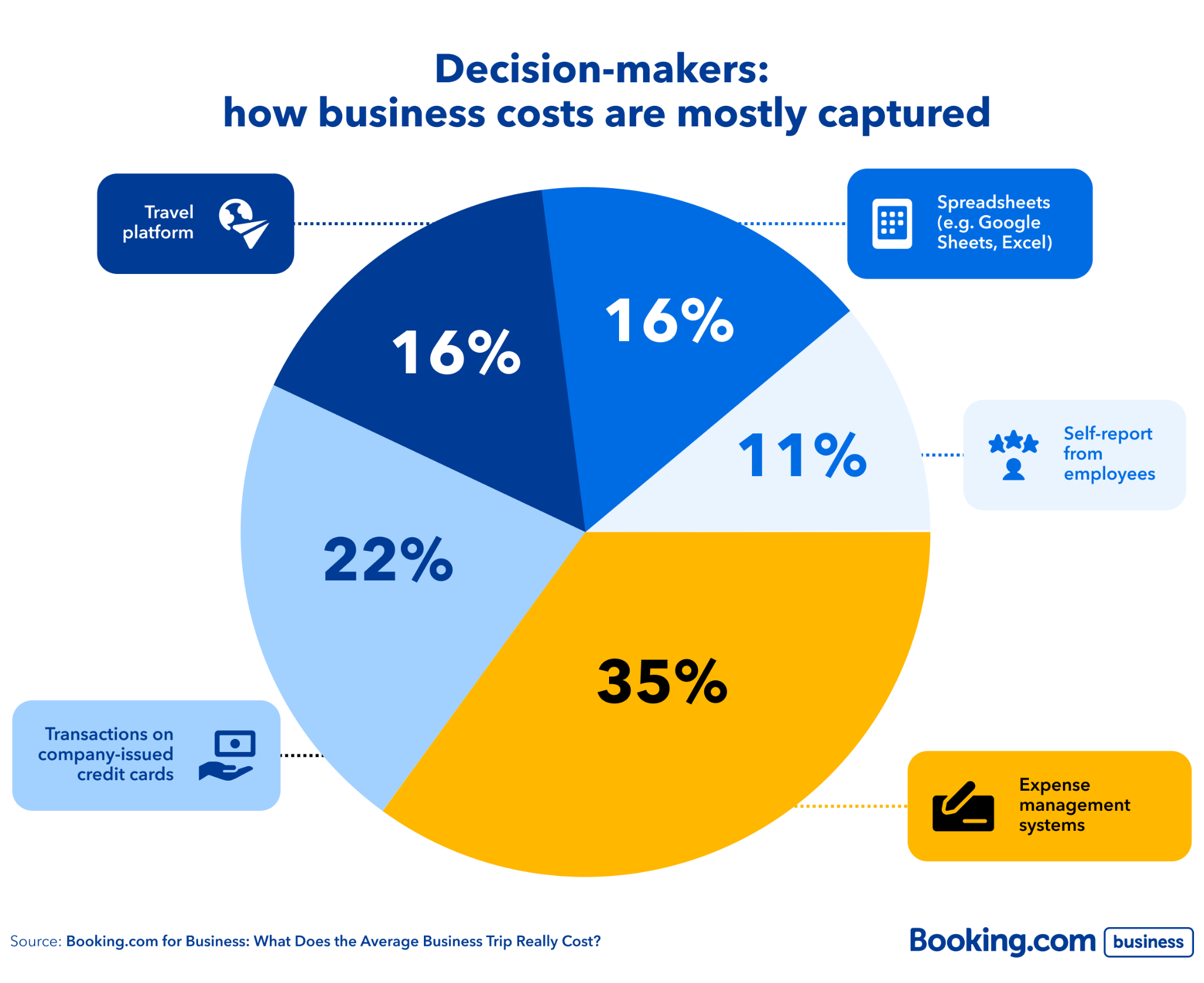
Image Source: Booking
Working the Conference Circuit
Pick events by where your clients and prospects cluster, which usually means their industry's shows rather than the agency world's. If you serve dental practices, the dental conferences will out-produce every marketing summit on the calendar. One or two events per year, worked hard, beats five events wandered through with a badge and a tote bag.
The badge-versus-booth question has a clean default: badge first, booth later, if ever. A 10x10 booth at a mid-tier industry show starts around $4,000 to $6,000 for the space alone, and the real number roughly doubles once you add flights, hotels, shipping, printing, and the lead scanner. A badge crew of two costs a fraction of that and can book fifteen meetings before the plane takes off, because the actual work of a conference happens in scheduled coffees and the lobby bar after sessions end. Earn the booth with evidence: if two badge years in a row source real pipeline, the booth becomes an expansion of something that already works.
Lodging is the line that blows up conference budgets, and Las Vegas is the extreme case. During the big winter weeks, when CES traffic and Affiliate Summit West compress the calendar, strip rooms that go for $89 on a quiet Tuesday jump to several times that or sell out entirely. Some agency crews have found a workaround: they book an RV Rental Las Vegas out of Cruise America's depot in Henderson, about twenty minutes from the strip, and park it at a full-hookup RV park for the week; there's one at the north end of the strip with close to 400 spaces. A 25-foot motorhome sleeps a crew of four, and the nightly site fee runs a fraction of one conference-priced room. The team also ends each day in the same spot for the debrief, with nobody scattered across four hotel floors. It suits a badge crew grinding through three days of back-to-back meetings. If you're hosting client dinners at a strip steakhouse and need a suite to match, book the hotel and pay the premium knowingly.
Whatever the lodging, protect the follow-up window. A conference where the leads sit untouched for three weeks afterward produced nothing, whatever it felt like at the time. Block the two days after the flight home for follow-up before you book the flight out.
Conference ROI depends just as much on what happens after the event. Agencies can use contact management software by DashClicks to organize new contacts and connect them with opportunities in Deals, where sales teams can track deal stages, values, and pipelines. Deal automations can also handle follow-up actions such as emails, SMS, and reminders, helping teams move promising conference conversations into a structured sales process instead of leaving them buried in notes or spreadsheets.
Offsites Once the Team Goes Fully Remote
Somewhere past ten or twelve remote employees, you notice that your newest hires have never been in a room with anyone they work with. That's the trigger. The annual offsite becomes maintenance on the trust that makes a remote team function, the willingness to give each other the benefit of the doubt on Slack.
Budget it like any other trip, per head. A reasonable planning band for a three-day domestic offsite is $1,500 to $2,500 per person all-in, and the choices that keep you at the low end are boring ones: a city with cheap flights from wherever your people actually live, midweek dates, shoulder season, a rented house or small hotel block in place of a resort. Fifteen people at $2,000 is a $30,000 line item, so it deserves the same scrutiny as a conference booth.
Structure the days loosely. Mornings for real work sessions with an agenda someone owns, afternoons and evenings unplanned. The return on an offsite shows up over the following six months, in how much faster disagreements resolve between people who have shared a meal. Overprogrammed offsites spend all their hours on workshops and skip the part that was the point.
Give the whole event one owner. Offsites planned by committee arrive late and over budget.
The Boring Machinery
Every mess described above traces back to the same gap: nobody wrote anything down. A one-page policy, written in an afternoon, prevents almost all of it. It should answer:
- Who approves a trip, and above what dollar amount approval is needed
- How far out flights must be booked (14 days domestic is a workable floor)
- The fare class and a cap per route or region
- A nightly hotel cap, flat or by city tier
- A meal per diem, so nobody photographs a coffee receipt again
- When to rent a car versus rideshare, and how insurance is handled
Keep it to one page. The moment a policy needs a table of contents, people stop reading it and go back to guessing.
On who books: below roughly 25 people, route everything through one ops person. They learn the fare patterns and catch the $600 mistake before it's ticketed. Loyalty accounts stay in the agency's name. Self-serve booking with hard caps can come later, when the volume justifies it.
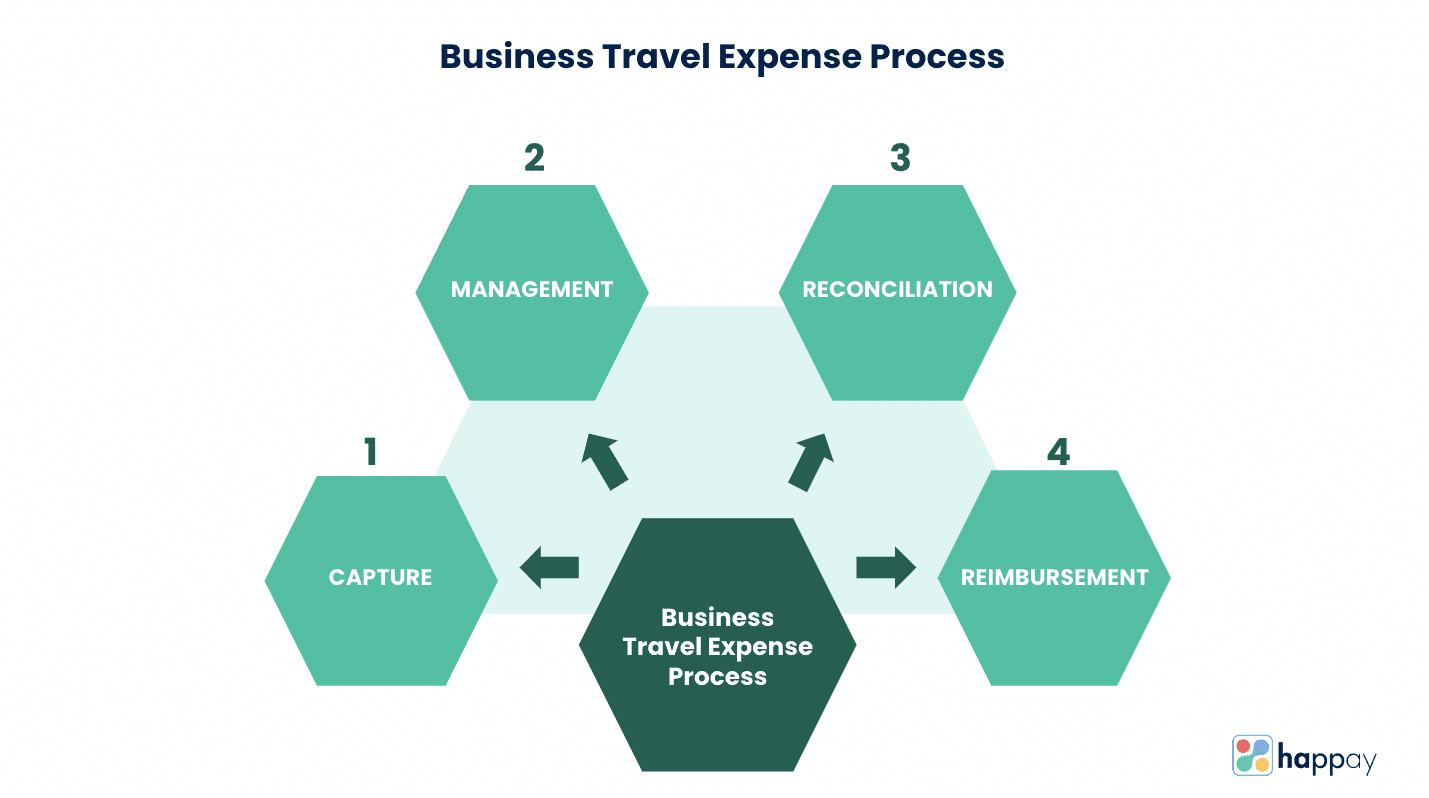
Image Source: Happay
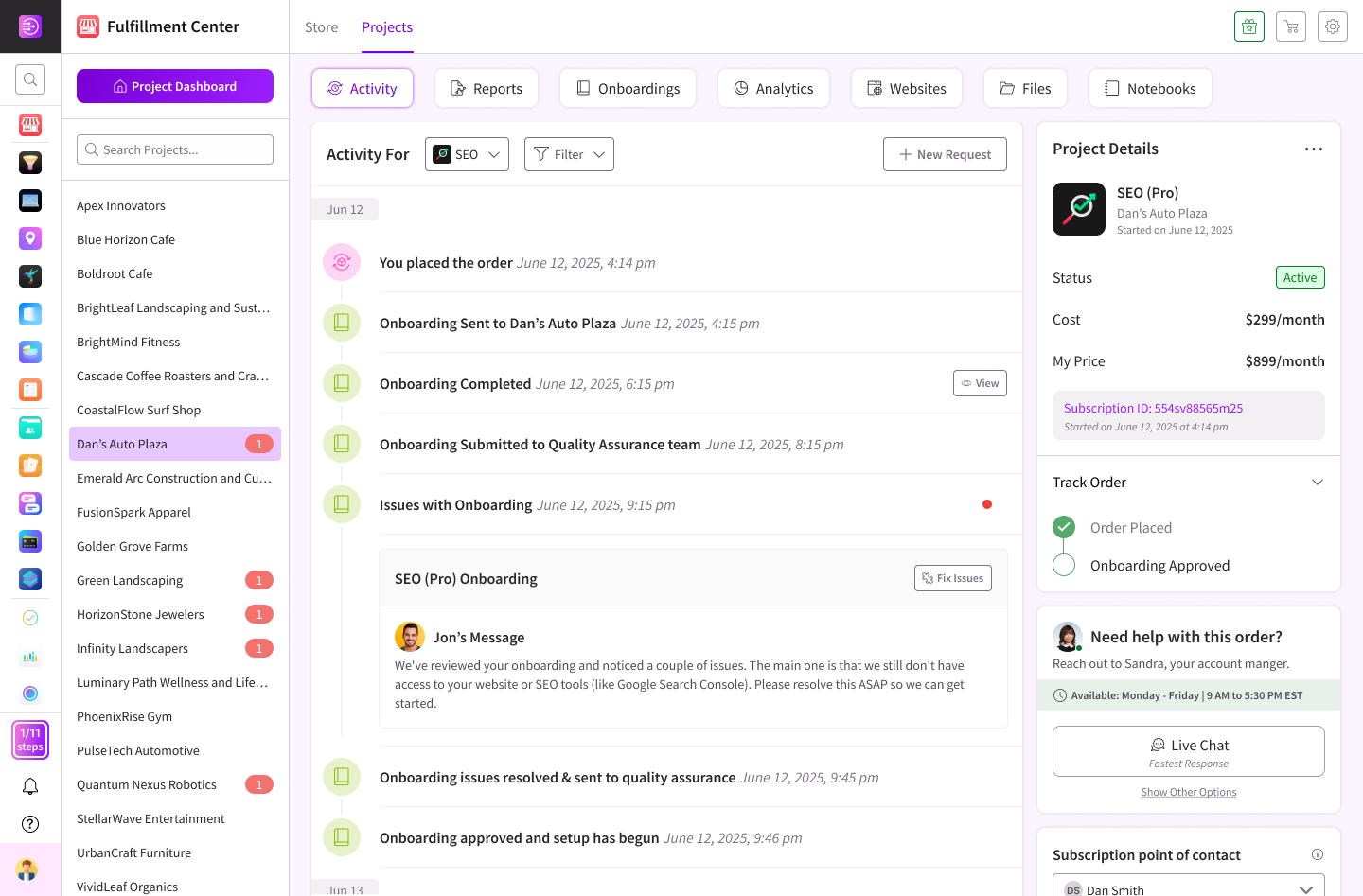
Travel is only one operational process that becomes harder to manage as an agency grows. Client onboarding, campaign fulfillment, reporting, and sales can create similar complexity when they are spread across separate systems. DashClicks gives digital marketing agencies a centralized platform for managing areas such as CRM and sales pipelines alongside client reporting and white label fulfillment, helping agencies keep more of their day-to-day operations connected as they scale.
Cards beat reimbursement for anyone who travels more than once or twice a year. Reimbursement floats the company's costs on employees' personal cards, which is a quiet unfairness, and it delays your visibility into spend by a full expense cycle. Issue a company card with a per-trip limit and require receipt capture in whatever expense tool you already run. Tag every charge with a trip code. The trip code matters more than it looks: it's what makes the next section possible.
Did the Trip Make Money?
The trip log is one sheet: date, travelers, purpose, account or event, total cost, and a blank column for what happened. Ninety days later, fill in what actually happened. Sometimes that's a signed renewal or two sourced opportunities. Sometimes the column stays empty, which is also an answer.
Review the sheet quarterly. Patterns emerge fast. Client visits ahead of renewals will likely show the strongest line in the book. One of your two conferences probably sources pipeline while the other produces business cards nobody follows up on. Any event with two blank years in a row comes off next year's calendar, and the money moves to more of whatever filled its column.
The whole system runs on a spreadsheet and a calendar reminder. Write the one-page policy before the next booking gets made, and start the trip log the same day. By the fourth quarterly review, next year's travel calendar mostly writes itself: a handful of client cities, one event that demonstrably pays, one offsite, and a budget you can defend line by line.


.svg)


.svg)
.svg)
.svg)
.svg)
.svg)