

.svg)

.svg)
.svg)
.svg)
.svg)
.svg)
The digital landscape is continually evolving, and as brands strive to capture online visibility, a critical shift is bearing momentum: Geographic Engine Optimization (GEO). As consumer behaviour leans increasingly towards localised searches—driven by the rise of mobile devices and voice search—understanding and integrating GEO into your digital marketing strategy is no longer optional; it’s essential.
The Importance of Local Searches
Local searches have skyrocketed in recent years, with a vast majority of consumers using search engines to find local services and products. According to multiple studies, nearly half of all Google searches are local, emphasising the importance of local SEO in the broader digital strategy. When people seek services or products nearby, they are not just browsing; they are more often ready to make a purchase.
For brands, this creates an opportunity—not just to rank higher in search results but to truly connect with the community. GEO allows brands to optimize their visibility for local queries, ensuring they are presented to the right audience at the right time. This leads to not only increased foot traffic for physical locations but also higher conversion rates for online services.
Implementing effective GEO strategies can be intricate. It requires a nuanced understanding of local demographics, seasonal behaviours, and even regional nuances in language and search terms. This is where strategic partners come into play. Professional services like prepare brands for AI-generated results can offer crucial expertise and tools to navigate these complexities. They can enhance your brand’s visibility while ensuring your marketing efforts are in tune with local preferences.
Understanding the Mechanics of GEO
GEO is multifaceted. It encompasses more than just traditional keywords; it integrates location-based data, user intent, and local authority signals.
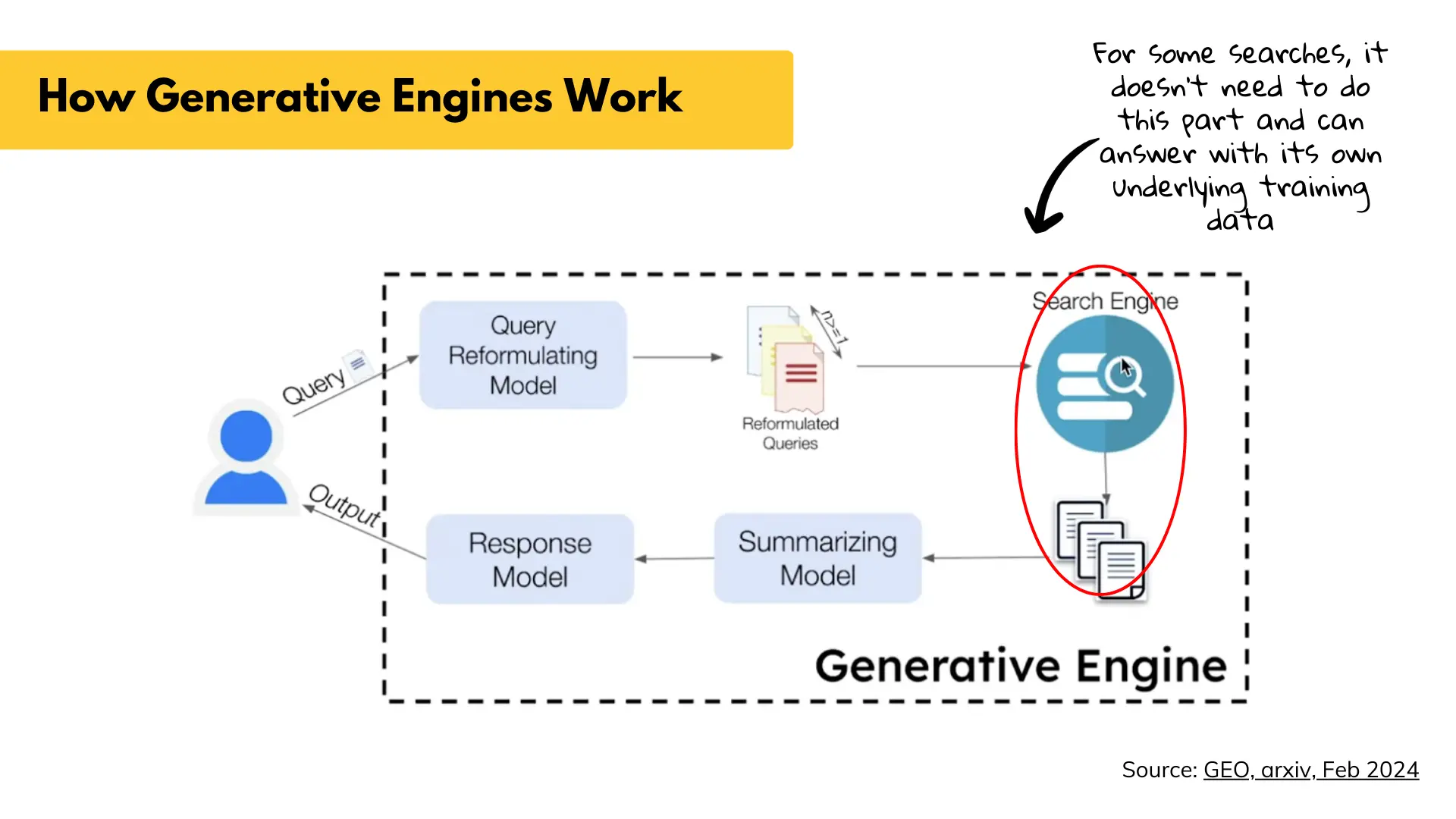
Image Source: Moz
Here are some core components of GEO:
- Local Keyword Optimization: This involves using keywords that are specific to a particular area or community. For instance, a coffee shop in Birmingham should focus on keywords like "best coffee in Birmingham" rather than just “best coffee.” By adapting your keywords, you help search engines connect relevant queries with your business.
- Google Business Profile: Claiming and optimizing your Google Business Profile is crucial. A well-maintained profile not only enhances visibility in local search results but also allows you to share essential information like hours of operation, services offered, and direct customer interactions through reviews and Q&A. Keeping this updated is paramount, particularly in a rapidly changing social climate where consumer needs and expectations can shift overnight.
- Local Link Building: While general backlinks are important, having local backlinks—links from websites and sources within your community—enhances your local authority. This might involve collaborations with local businesses, sponsorship of local events, or even engaging in community outreach programs that garner media coverage and online mentions.
- Community Engagement: Two-way engagement with your community can greatly bolster your visibility. Online forums, local social media groups, and community-building events can highlight your presence as a member of the community rather than just a service provider. These interactions can lead to word-of-mouth referrals and brand loyalty.
How Does GEO Differ From Traditional SEO?
While traditional SEO focuses on improving visibility at a national or global level, GEO narrows that focus to specific geographic areas. The goal shifts from reaching the broadest audience to reaching the closest and most relevant one.
Search engines evaluate GEO signals differently. Factors like proximity, local intent, NAP consistency, local reviews, and community relevance play a much larger role. When someone searches for “plumber near me” or “best café in Birmingham,” the engine prioritises businesses that are nearby, trusted, and actively engaged within their local ecosystem.
Local search intent is also more action-driven. Users searching locally are often ready to visit, call, or purchase within minutes. This makes GEO inherently more conversion-focused than traditional SEO, where intent may spread across research, comparison, or general browsing.
In short, traditional SEO helps you get found everywhere. GEO helps you get chosen right where it matters—in your community.
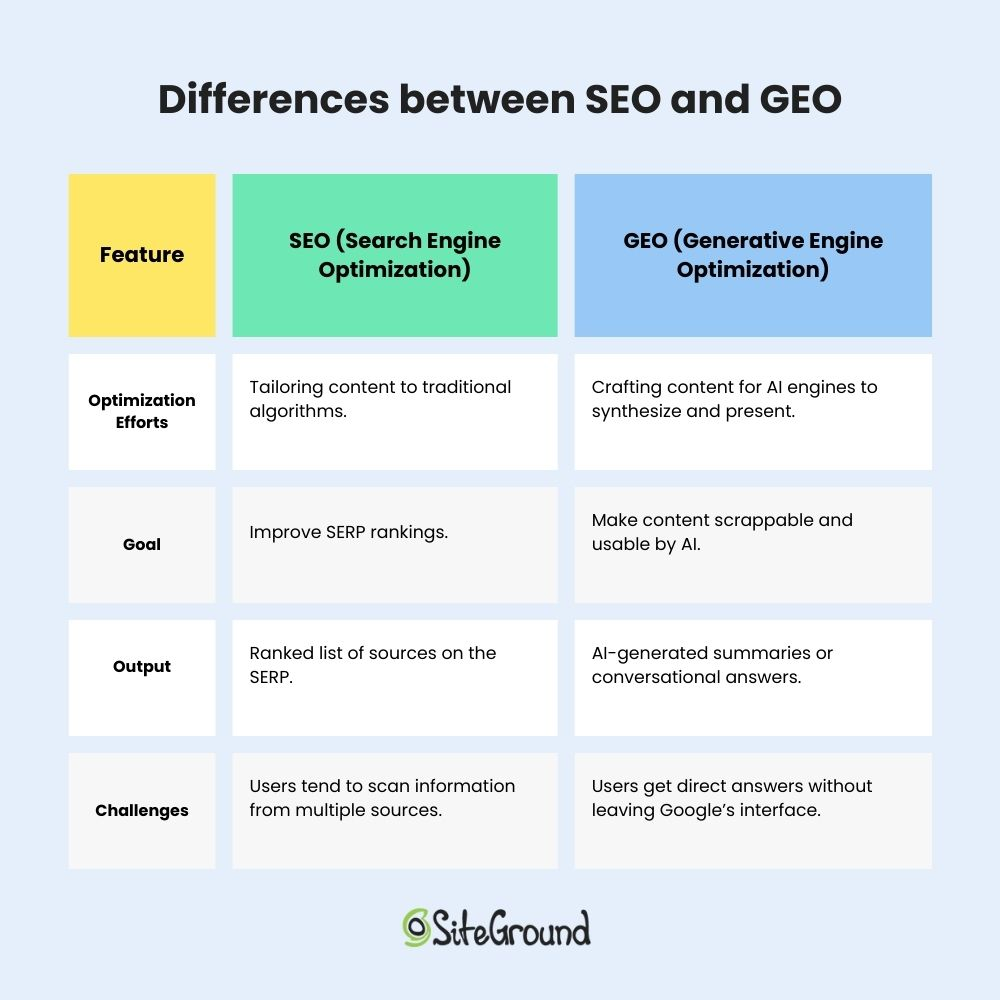
Image Source: SiteGround
Key Ranking Signals for GEO Success
To perform well in local search, brands must understand the core signals Google uses to evaluate and rank businesses at a local level. Unlike traditional SEO—where authority and content depth often dominate—GEO relies heavily on real-world context and community presence. Here are the key elements that influence local visibility:
- Proximity: Proximity refers to how physically close a user is to your business when they perform a search. Search engines prioritise nearby results to provide the most convenient options. This is why rankings often vary from street to street. Businesses cannot control proximity, but they can ensure they appear correctly on maps, local directories, and GBP so Google always knows their exact location.
- Relevance: Relevance measures how closely your content, business category, and keywords match what the user is searching for. If someone searches “vegan bakery in Manchester,” search engines look for businesses that clearly communicate vegan offerings. Well-optimized descriptions, consistent use of local keywords, and complete GBP categories all help strengthen relevance.
- Prominence: Prominence reflects how well-known, trusted, and authoritative your business appears both online and offline. Google looks at reviews, brand mentions, backlinks, and even local news coverage. A business that regularly appears in community blogs or receives consistent media attention generally outranks one with little digital footprint. Building prominence takes time but creates long-term GEO strength.
- NAP Consistency: NAP stands for Name, Address, and Phone Number. These details must be identical everywhere your business appears online. Even small discrepancies—such as abbreviations or formatting—can confuse search engines. Consistency helps Google verify that your business is legitimate and active, directly influencing local rankings.
- Local Citations: Citations are listings of your business on local directories, industry sites, and map services. The more accurate and widespread your citations, the easier it is for search engines to trust your business information. High-quality citations reinforce your local identity and support both relevance and prominence.
- Review Volume & Velocity: Reviews play a critical role in GEO performance. Search engines evaluate not only the number of reviews but also their quality and frequency. A steady flow of recent, positive reviews signals trustworthiness and active customer engagement. This directly affects both map rankings and click-through rate, as users gravitate towards businesses with strong reputations.
Content Strategy for GEO (Beyond Keywords Only)
A strong GEO strategy goes far beyond sprinkling location-based keywords into your content. To truly connect with local audiences and appear in hyper-relevant searches, brands must build content that reflects the community’s needs, culture, and context. This type of content sends powerful relevance signals to search engines and helps your business become a trusted local authority.
1. Create City-Specific Landing Pages
Dedicated city or town pages allow you to directly target searches tied to specific areas. These pages should include local services, area-specific pain points, testimonials from nearby customers, and local imagery where possible. The more tailored your landing pages, the stronger your local relevance.
2. Publish Neighborhood-Focused Blogs
Cities often have multiple neighborhoods with their own identity, demographics, and search patterns. Writing content that addresses these micro-communities — such as “Home Maintenance Tips for Parkside Residents” — builds deep topical relevance and helps your brand surface for long-tail, hyperlocal queries.
3. Build Local Guides and “Best-Of” Resources
Local searchers love practical, community-oriented guides. These might include:
- “Best Coffee Shops in Leeds for Remote Work”
- “A First-Timer’s Guide to Liverpool Waterfront Attractions”
Guides like these attract organic links, boost local authority, and position your brand as a helpful contributor—not just a service provider.
4. Tap Into Local Events and Seasonal Trends
Creating content around upcoming events, festivals, holidays, or seasonal behaviors shows search engines that your site is tied to real-world local activity. Event-based blogs not only improve relevance but also allow you to capitalize on predictable annual search spikes.
5. Add FAQ Schema with Local Intent
Local FAQs address the precise questions people ask before contacting a business. Implementing FAQ schema helps these answers appear directly in search results, improving click-through rates.
Examples include:
- “Do you offer emergency repairs in Edinburgh city centre?”
- “What areas of Bristol do you service?”
6. Use Hyperlocal Examples to Increase Relevance
Generic content rarely performs well for GEO. Instead of writing “How to choose a plumber,” content like “Best Plumbing Fixes for Older Homes in Manchester” brings in real local context. This aligns with how searchers think and directly boosts your chances of ranking for specific local queries.
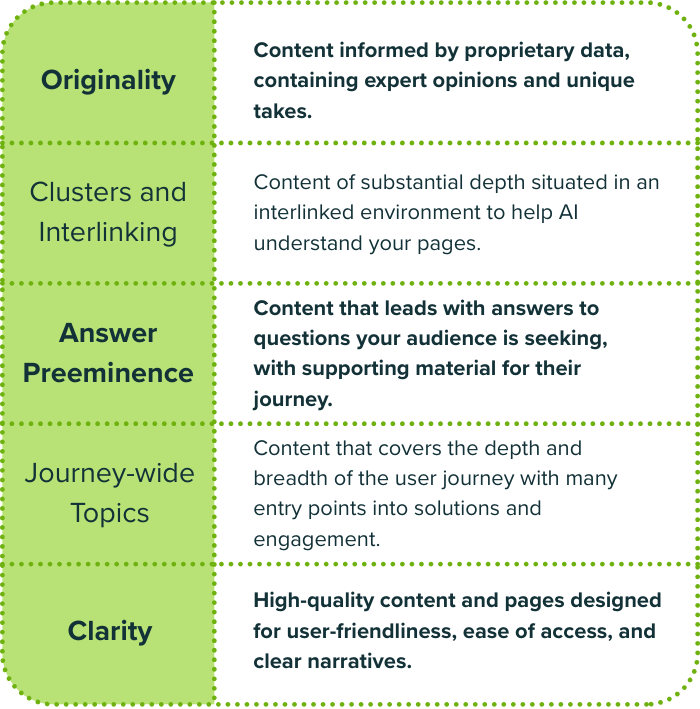
Image Source: Terakeet
The Role of Technology in GEO
Technology plays an increasingly significant role in effective GEO implementation. With advancements in AI and machine learning, brands can now analyse local search trends and user behaviour patterns with remarkable depth. This data-driven approach allows for better-targeted marketing strategies that resonate with specific demographics. In many cases, businesses rely on custom software development services to build location-aware tools, dashboards, or integrations that make managing GEO data, local content, and performance insights far more efficient.
AI-generated content, for example, can be tailored to incorporate localised insights, making it more relevant and appealing to the target audience. As businesses begin to harness these sophisticated technologies, they can expect to see better engagement rates and conversion figures.
For brands seeking to leverage these cutting-edge tools, understanding how to effectively merge AI with traditional SEO practices is crucial. This is where services that offer tailored insights, like how ClickSlice prepare brands for AI-generated results, come into play. They provide the support necessary to create high-quality, optimized content that not only drives traffic but also fosters community relationships.
Adapting to Future Trends
Looking ahead, several trends are expected to shape the future of GEO. Voice search will likely become more prevalent, with devices such as smartphones and home assistants enhancing localised searches. As people increasingly request information verbally, optimizing your content for conversational language and queries will be essential.
Moreover, mobile-first indexing means that ensuring your website is mobile-friendly cannot be overstated. A seamless mobile experience will affect your search rankings and user engagement metrics.
Additionally, the rise of augmented reality (AR) applications may change how consumers discover local businesses. Imagine potential customers using AR apps to visualise product offerings or locate stores near them. For businesses, staying ahead of such trends is critical—not just for visibility, but for survival in an increasingly competitive landscape.
Common GEO Mistakes Brands Make
- Using the same location page for multiple cities – Search engines see this as thin, duplicated content, causing your pages to lose local relevance and struggle to rank anywhere.
- Overstuffing city names unnaturally – Adding locations repeatedly in titles and paragraphs makes content look spammy and reduces trust, hurting both rankings and user engagement.
- Ignoring reviews – Local search visibility drops when brands fail to earn, respond to, and manage reviews, which are major trust and ranking signals in GEO.
- Not updating NAP across directories – Even small inconsistencies in your Name, Address, and Phone number confuse search engines and weaken your local authority.
- Underestimating local competitors – Niches often feel small, but local rivals invest heavily in GEO, making it essential to track their keywords, content, and reputation signals.
- Poor GBP hygiene – An outdated or incomplete Google Business profile directly harms your visibility in maps and local packs, where most GEO clicks actually happen.
How DashClicks’ White Label SEO Services Support GEO Success
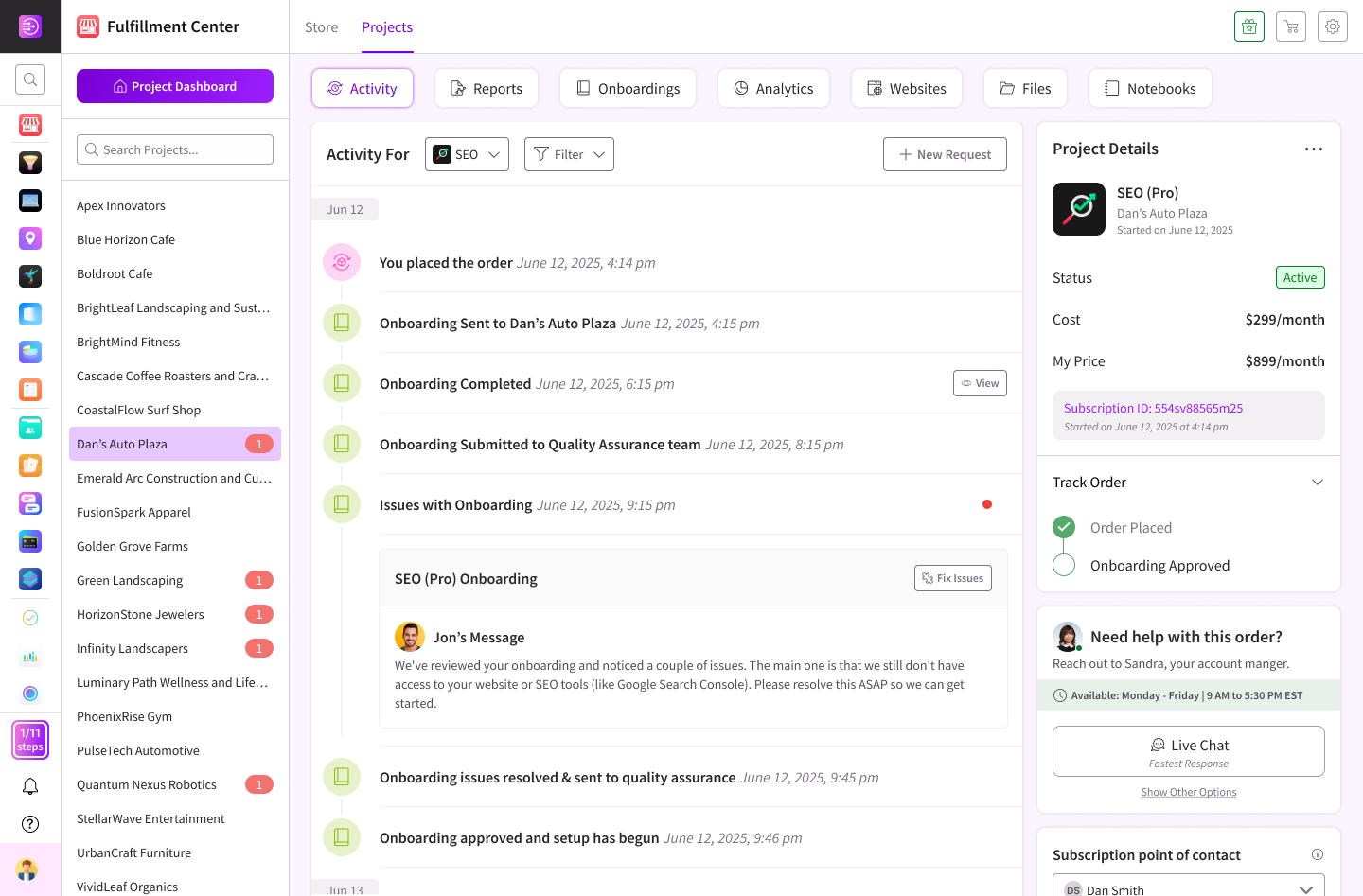
As GEO becomes a core component of online visibility, many brands—and agencies—struggle with the workload, precision, and consistency required to compete locally. DashClicks’ white label SEO services help bridge this gap by providing the systems, tools, and fulfilment needed to execute GEO strategies at scale.
DashClicks delivers fully managed SEO campaigns built on structured processes for local optimization. This includes local keyword targeting, on-page optimization, and location-specific content creation—allowing businesses to strengthen relevance for the areas they serve. Their team also handles ongoing Google Business Profile optimization, including updating business information, posting regularly, and monitoring reviews to support prominence and trust signals.
For agencies, the platform offers clear dashboards and automated reporting, ensuring full transparency when tracking local rankings, citations, and traffic improvements. This makes it easier to evaluate GEO performance and communicate progress to clients without managing every task manually.
By combining expert fulfilment with an organised, data-driven workflow, DashClicks empowers brands and agencies to stay competitive in local search—especially as GEO continues to evolve and demand greater attention.
Conclusion
The world of digital marketing is continually shifting, with GEO emerging as a pivotal arena for competition. As more consumers embrace local searches, brands must adapt and optimize their visibility in an increasingly crowded marketplace. By focusing on local keyword strategies, leveraging technological advancements, and fostering community engagement, brands can not only enhance their online visibility but also forge lasting relationships with their local audiences.
In a world where digital visibility often determines success, a proactive approach to GEO is more important than ever. Embrace this opportunity to connect with your community—and if you need assistance, consider enlisting expert guidance to navigate the complexities of this evolving battlefield.



.svg)


.svg)
.svg)
.svg)
.svg)
.svg)