

.svg)

.svg)
.svg)
.svg)
.svg)
.svg)
Video dominates every social media platform. TikTok built an empire on short-form video. Instagram pivoted entirely toward Reels. LinkedIn rewards video content with dramatically higher reach. YouTube Shorts competes for attention spans measured in seconds.
The message is clear: everyone needs to become video-first. The problem is that traditional video production requires skills most people do not have, software most people cannot afford, and time most people cannot spare.
This gap between video demand and creation capability explains the explosive growth of AI video makers. Tools like AI video maker platforms now handle everything from research and scripting to motion graphics and voiceover in unified workflows. What previously required hiring videographers, editors, voice actors, and motion designers now happens inside single applications.
The technology has matured beyond novelty into genuine utility. Creators, marketers, and businesses produce professional-quality video content without learning costly tools, without recording in studios, and without waiting weeks for editor deliveries.
This guide explores how AI video makers work, what separates excellent tools from mediocre ones, and how to leverage this technology for your content strategy.
Why Video Content Matters More Than Ever?
Understanding the strategic importance of video explains why AI creation tools have become essential rather than optional.
1. Platform Algorithm Reality
Every major social platform now prioritises video in its algorithm. This is not speculation or marketing talk. It is an observable reality confirmed by platform executives, creator analytics, and engagement data across millions of posts.
Video content generates longer session times. Platforms monetise attention. Therefore, platforms reward content that holds attention. Video holds attention better than images or text. The logic chain is simple, and the implications are significant.
Creators and businesses who resist video find their reach declining regardless of content quality. Those who embrace video find algorithmic amplification that dramatically extends organic reach. The platforms have chosen sides, and video won.
2. Engagement Multipliers
Beyond algorithmic preference, video drives engagement metrics that matter for business outcomes. Watch time, comments, shares, and saves all skew heavily toward video content compared to static alternatives.
These engagement signals compound. Higher engagement triggers more distribution. More distribution creates more engagement opportunities. The flywheel effect makes video content increasingly valuable over time as audience relationships deepen.

Creating engaging video content is only the first step. To maximise visibility across search and paid channels, many businesses partner with platforms like DashClicks that provide white label services to extend the reach of video-first campaigns.
3. Information Density
Video communicates more effectively than text for many message types. Product demonstrations show rather than tell. Explainer content guides viewers through complex concepts visually. Testimonials convey authenticity through facial expressions and vocal tone that text cannot capture.
This communication efficiency matters in attention-scarce environments. Fifteen seconds of video can convey what might require paragraphs of text and multiple images. The format compresses information without sacrificing comprehension.
4. Trust and Connection
Video creates parasocial relationships that other formats struggle to match. Audiences feel they know video creators. This perceived relationship translates into trust that influences purchasing decisions, content sharing, and long-term audience loyalty.
For businesses building brand affinity and creators building audiences, video provides relationship-building capabilities that static content cannot replicate.
The Traditional Video Production Problem
If video matters this much, why isn't everyone creating it? The traditional production process explains the gap.
1. Skill Requirements
Professional video requires multiple specialised skills. Writing compelling scripts differs from general copywriting. Operating cameras and lighting requires technical knowledge. Editing footage demands software proficiency and aesthetic judgment. Motion graphics need design expertise and animation software mastery.
Few individuals possess all these skills. Fewer still have time to develop them while running businesses or creating other content. The skill barrier keeps many capable communicators locked out of video formats.
2. Time Investment
Even with skills, video production consumes enormous time. A polished 60-second video might require hours of scripting, filming, editing, and revisions. Multiply this across the content volume modern platforms reward, and video production becomes a full-time job.
Creators face impossible trade-offs. Invest time in video production and neglect other business activities. Maintain other activities and watch competitors dominate video formats. Neither option serves long-term success.
3. Cost Barriers
Outsourcing video production solves time problems but creates cost problems. Professional videographers, editors, and motion designers charge rates reflecting their expertise. A single professional video might cost hundreds or thousands of dollars.
These economics make video feasible for major campaigns but impractical for the consistent content volume that builds audiences. Sporadic video presence fails to capture algorithmic benefits that reward consistency.
4. Equipment and Software
Professional results traditionally required professional tools. Cameras, lighting, microphones, and editing software represented significant investments before creating a single frame. Subscription costs for software alone might exceed budgets for small creators and businesses.
This equipment barrier reinforced the perception that quality video remained reserved for those with substantial resources.
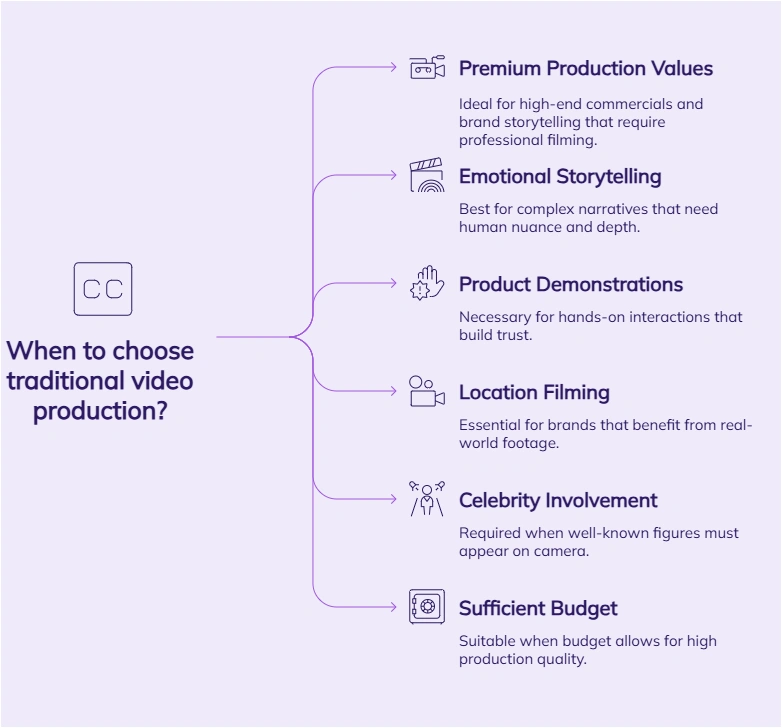
Image Source: Zebracat
How AI Video Makers Change Everything?
AI video makers attack every traditional barrier simultaneously. The technology combines multiple capabilities into unified workflows that transform video production economics.
1. End-to-End Creation
The most significant advancement is workflow consolidation. Rather than using separate tools for scripting, asset gathering, editing, voiceover, and motion graphics, AI video makers handle everything in a single application.
Agent Opus exemplifies this approach as the first AI video agent built specifically for social media. The platform functions as your personal creative squad inside one app. Research, script, motion graphics, avatar, voiceover, and editing all happen in one flow.
This consolidation eliminates the coordination overhead that fragments traditional production. No more moving projects between applications. No more managing handoffs between specialists. No more version control chaos across multiple tools.
2. Automated Specialisation
Each traditional production role becomes an automated capability within AI video makers.
- Researcher: AI tools gather relevant information, statistics, and context for your video topics. No more hours spent researching before writing begins.
- Scriptwriter: Natural language models generate scripts from prompts, outlines, or source content. To make AI-generated scripts feel more authentic and engaging, many creators use an AI humanizer to refine tone, improve flow, and ensure the final narration sounds natural to viewers rather than overly automated. Transform blog posts, articles, or brief descriptions into structured video narratives. Since these scripts start as AI-generated text, running them through a tool to humanize AI-generated text before voiceover recording can help the narration sound less robotic.
- Storyboard Artist: The AI visualises scripts as scene sequences, determining what visuals accompany which narrative moments.
- Asset Manager: Rather than hunting through stock libraries, AI tools automatically source real-world images, news clips, social posts, and footage that fit your video storytelling. Turn the whole web into your media library without multiple stock subscriptions or endless B-roll hunts.
- Hook Designer: Opening moments determine whether viewers stay or scroll. AI optimises hooks for attention capture in platform-specific ways.
- Motion Designer: Say goodbye to After Effects and AI motion slop. Quality AI video makers blend real-world assets with AI motion to create graphics that feel credible and look stylish.
- Video Editor. Assembly, pacing, transitions, and timing happen automatically based on content type and platform requirements.
- Voice Actor: AI voice generation or cloning provides professional narration without recording sessions, retakes, or audio engineering.
3. Avatar and Personal Branding
Your face and voice are your biggest brand. AI video makers now create lifelike AI avatars that look and sound like you, automatically fitting them into appropriate parts of your video.
This capability enables personal brand building through video without requiring constant on-camera presence. Create thought leadership content, commentary, and promotional videos featuring your likeness without filming every piece individually.
For creators uncomfortable on camera or businesses wanting a consistent spokesperson presence across high content volumes, avatar capabilities unlock video formats previously impractical.
4. Speed That Matches Thought
The traditional production timeline, measured in days or weeks, contracts to minutes. End-to-end AI video creation happens at the speed of thought. Concepts become finished videos in single sessions rather than multi-week projects.
This speed transforms what video content is possible. Respond to trends while they are trending. Create timely commentary on breaking developments. Produce content volumes that build algorithmic momentum. The velocity ceiling lifts entirely.
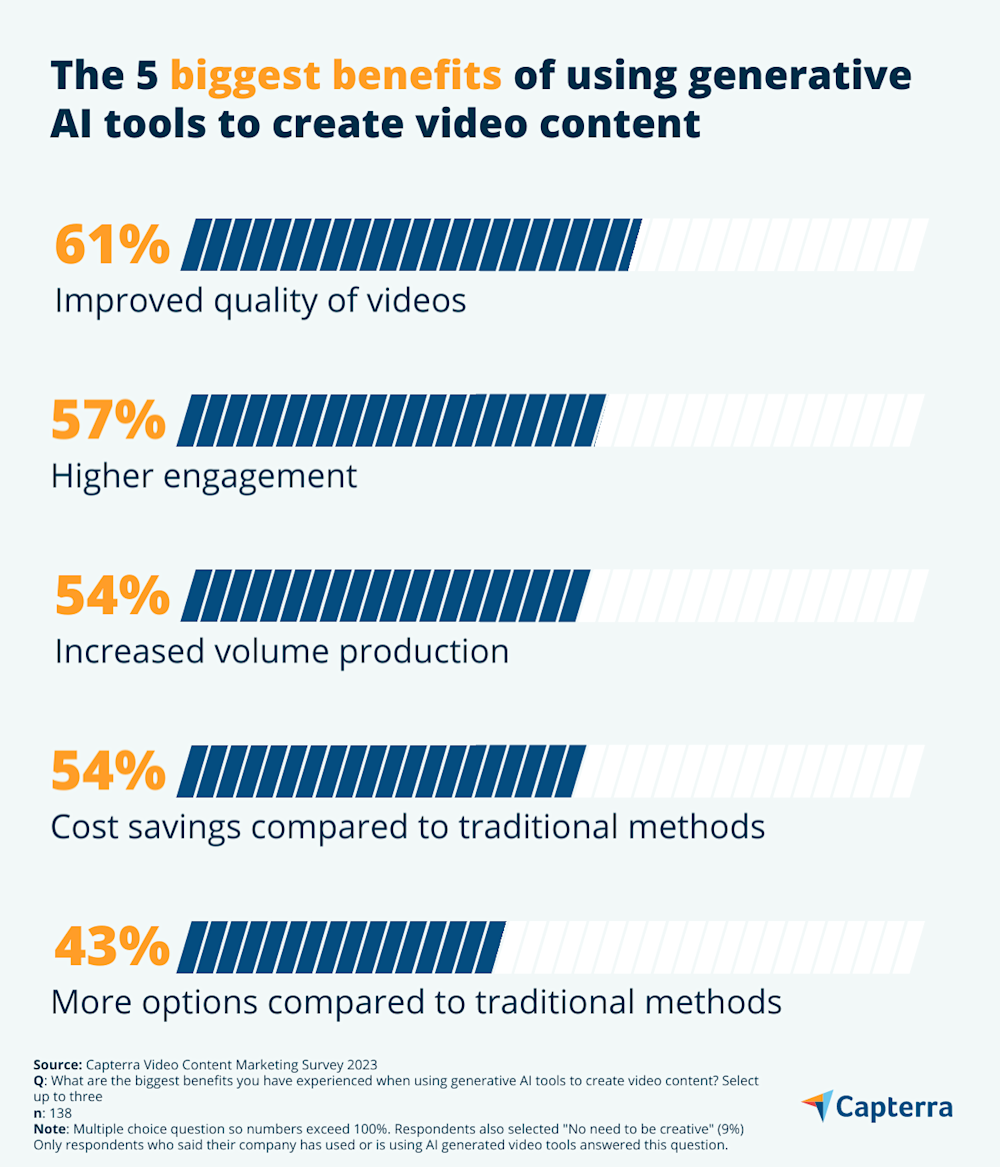
Image Source: Capterra
Types of Videos AI Makers Excel At
Understanding optimal use cases helps you identify opportunities within your content strategy.
1. Explainer Videos
Complex products, services, or concepts benefit enormously from video explanation. AI tools transform technical information into visual narratives that audiences actually understand and remember.
Product features become demonstrations. Service processes become animated walkthroughs. Abstract concepts become concrete visualisations. The format converts confusion into clarity.
2. News and Entertainment
Current events, industry developments, and trending topics translate effectively into video commentary. AI speed enables publishing while topics remain relevant, rather than missing windows waiting for traditional production.
News-style content builds audience expectations for consistent updates. The content rhythm that platforms reward becomes achievable when production timelines compress from days to minutes.
3. Faceless Content
Not everyone wants to appear on camera. AI video makers enable faceless content strategies through motion graphics, stock footage, and visual marketing that never requires filming yourself.
This approach suits creators prioritising privacy, businesses wanting brand-focused rather than personality-focused content, and anyone uncomfortable with on-camera presence. Video benefits become accessible regardless of filming preferences.
4. Thought Leadership
Professional expertise translates effectively into video format. Industry insights, professional advice, and expert commentary all perform well as video content on platforms like LinkedIn and YouTube.
AI tools enable consistent thought leadership publishing that builds professional reputation over time. The content volume required for audience building becomes feasible when production barriers disappear.
5. Commentary and Reaction
Responding to other content, industry events, or cultural moments drives engagement through relevance and timeliness. AI speed makes commentary practical within windows that matter.
Rather than planning commentary content weeks ahead, create it in response to what happened today. This responsiveness builds a reputation for timely, relevant perspectives.
6. Promotional Videos
Product launches, service announcements, and promotional campaigns benefit from video engagement. AI tools make promotional videos feasible for every launch rather than reserving video for major campaigns.
The economics shift from "can we afford video for this?" to "why would we not include video?" when production costs approach zero, and timelines compress to minutes.
Choosing the Right AI Video Maker
Not all tools deliver equal value. Evaluating options against key criteria helps identify the right fit for your needs.
1. Output Quality
Generated videos must meet the quality standards your audience expects. Evaluate actual output rather than marketing claims. Request samples. Generate test videos. Assess whether quality matches professional alternatives.
Quality encompasses visual polish, audio clarity, pacing, and overall production feel. Amateur-looking output damages brand perception regardless of how efficiently it was created.
2. Workflow Integration
How the tool fits your existing processes matters. Some creators prefer starting from scripts. Others want to transform existing content like blog posts or articles. Some need integration with other tools in their stack.
Evaluate the input flexibility and output options each tool provides. The best technical capabilities matter little if workflow friction prevents consistent use.
3. Platform Optimisation
Different platforms have different requirements and audience expectations. Vertical video dominates mobile platforms. Aspect ratios vary. Length preferences differ. Style and tone expectations change across LinkedIn, TikTok, YouTube, and Instagram.
Tools that optimise for platform-specific requirements produce better results than one-size-fits-all approaches. Evaluate how well each option handles your priority platforms.
4. Brand Customisation
Your videos should look like your videos. Evaluate how tools handle brand colours, fonts, logos, and visual identity. Consistent branding across content builds recognition that generic styling cannot achieve.
Avatar quality matters if you plan to use that capability. Realistic avatars that actually look and sound like you differ significantly from obviously artificial alternatives.
5. Iteration Capability
First outputs rarely represent the best outputs. The ability to refine, adjust, and iterate matters for achieving optimal results. Evaluate how easily you can modify generated content and how quickly iterations happen.
Tools enabling rapid experimentation produce better outcomes than those locking you into first attempts.
Getting Started with AI Video Creation
Beginning your AI video journey requires minimal complexity. Start simple and expand as you develop familiarity.
- Start with One Content Type: Rather than attempting every video format immediately, choose one type that fits your current strategy. Explainers for your product. Commentary for your industry. Promotional content for your services. Mastering one format builds skills transferable to others. Trying everything simultaneously spreads attention too thin for meaningful learning.
- Establish Brand Parameters: Before generating volumes of content, define your brand standards within the tool. Upload logos, specify colours, and establish voice and tone preferences. This upfront investment ensures consistency across everything you create subsequently.
- Create a Testing Rhythm: Generate content, publish, measure results, and iterate. This feedback loop reveals what resonates with your specific audience. Platform analytics show what works. Generate more of what performs and less of what does not.
- Scale What Works: Once you identify effective formats and approaches, scale production. AI efficiency makes high-volume creation practical. Use that capability to build content libraries and publishing consistency that compound over time.
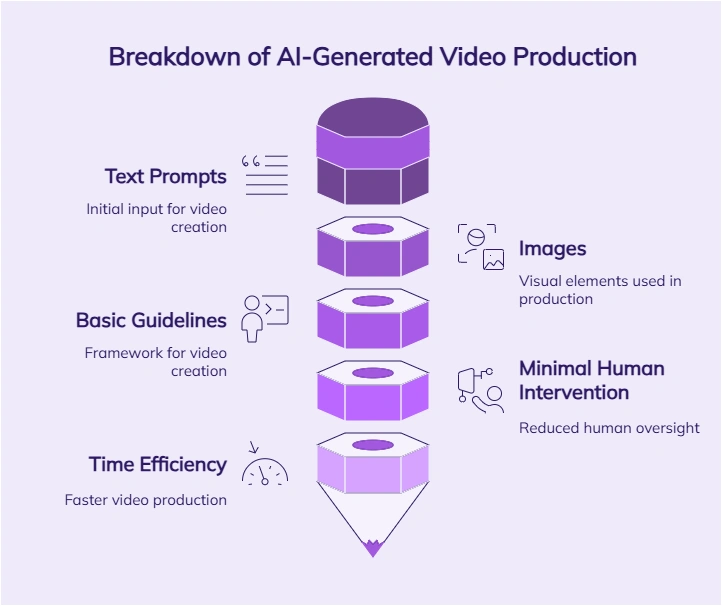
Image Source: Zebracat
As video output scales, marketing operations must scale alongside it. Platforms such as DashClicks help agencies manage campaign automation, reporting, and client delivery when video content becomes part of broader multi-channel strategies.
The Future Is Video-First
The platforms have decided. Audiences have voted with their attention. Video content wins the engagement competition across every channel that matters.
The only question remaining is whether you participate in video or cede that ground to competitors who do. AI video makers remove every traditional barrier. Skill requirements disappear. Time investments collapse. Cost barriers vanish. Equipment needs evaporate.
Everyone will be video-first. The technology ensures that the future exists today, accessible to anyone willing to use it. What's stopping you?
Start creating. Start publishing. Start building the video presence that modern platforms reward. Your audience is watching video content right now. Make sure some of it is yours.




.svg)


.svg)
.svg)
.svg)
.svg)
.svg)