

.svg)

.svg)
.svg)
.svg)
.svg)
.svg)
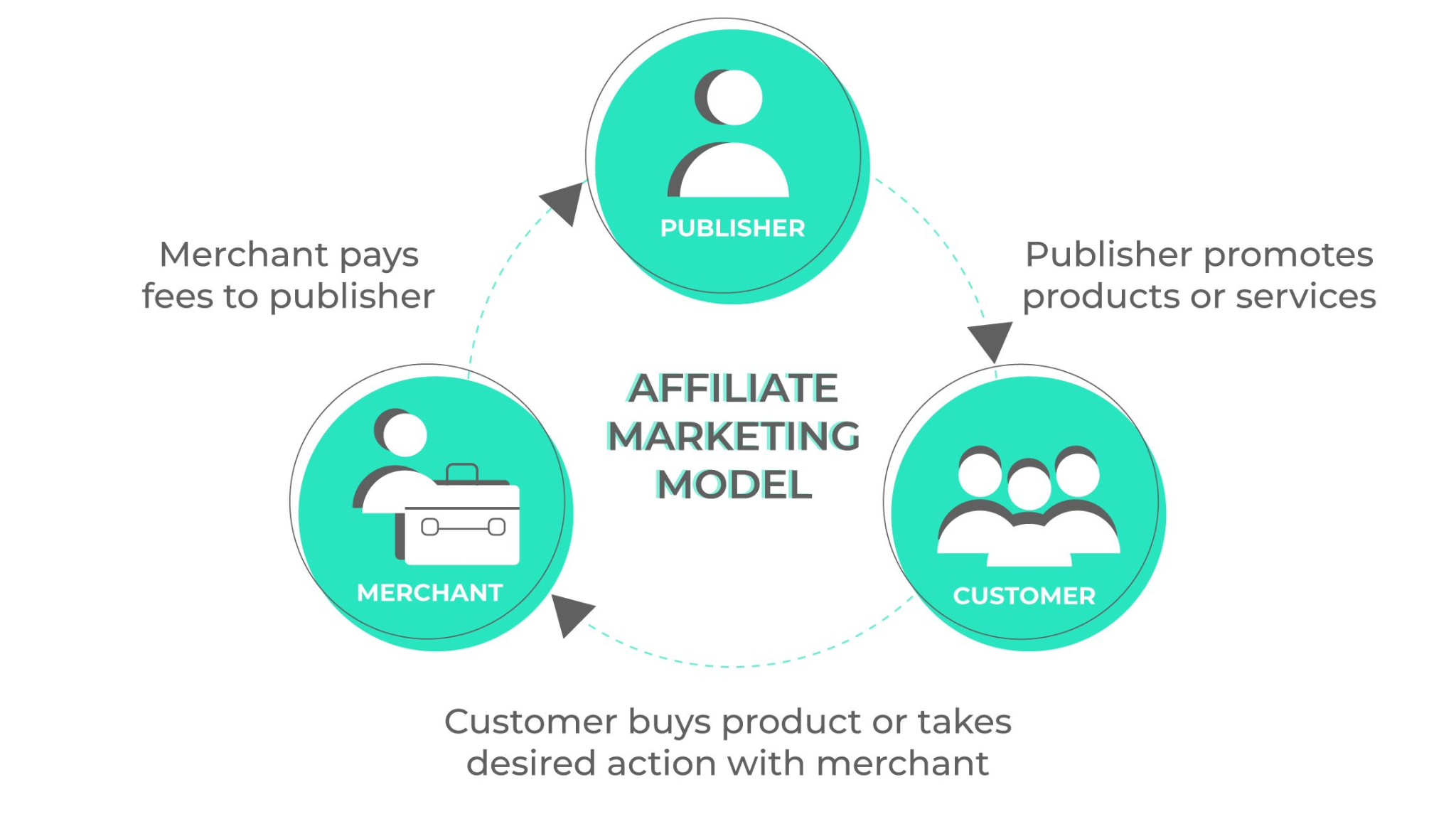
Affiliate marketing has been around for a long time. Many people think of it as writing blogs, adding links, or posting product reviews on websites. Some think of YouTube videos or Instagram stories with discount codes.
But affiliate marketing on LinkedIn is very different.
LinkedIn is not a shopping platform. People don’t come here to browse products or look for deals. They come to learn, grow their careers, improve their businesses, and connect with other professionals.
That’s why affiliate marketing on LinkedIn requires a completely different mindset. If you try to sell aggressively, drop links everywhere, or copy strategies from other platforms, it usually doesn’t work.
However, when done the right way, LinkedIn can become one of the best platforms for long-term and sustainable affiliate income.
This blog explains how affiliate marketing really works on LinkedIn, what best practices look like today, and how you can grow without hurting your personal brand or credibility.
Why LinkedIn Is a Unique Platform for Affiliate Marketing?
To succeed with affiliate marketing on LinkedIn, you must first understand how people behave on the platform.
People use LinkedIn to:
- Learn from real experiences
- Follow industry experts
- Discover tools that solve work-related problems
- Make smart decisions, not quick ones
They do not come to LinkedIn to:
- Click random affiliate links
- Be pushed into buying something
- See promotional or sales-heavy posts
LinkedIn is built on trust. People follow you because they believe you know what you’re talking about. Once that trust is broken, it is very hard to rebuild.
That’s why affiliate marketing here is slow at first—but very powerful in the long run.
Think Long-Term, Not Quick Money
One of the biggest mistakes people make is expecting fast results.
Affiliate marketing on LinkedIn is not about:
- Posting one viral post
- Making money in a week
- Pushing one product again and again
Instead, it’s about:
- Building credibility
- Showing real knowledge
- Helping people before selling anything
Most successful LinkedIn affiliates didn’t start by promoting tools. They started by sharing:
- Lessons from their work
- Mistakes they made
- Things they learned over time
The affiliate income came later.
Step One: Build a Strong Personal Profile
Your LinkedIn profile is your foundation. Before people click your links, they click your profile.
If your profile looks confusing, salesy, or empty, people won’t trust your recommendations.
How to Optimize Your Profile (Without Selling)?
Headline:
- Focus on what you do and who you help
- Avoid adding affiliate links or tool names
Example: Helping SaaS founders grow with content and systems
About Section:
- Write like a human
- Share your journey, experience, and interests
- Explain what problems you understand
This section should answer one simple question: “Why should I listen to this person?”
Featured Section:
- Add useful posts, guides, or educational content
- Avoid direct affiliate landing pages
Your profile should build trust before asking for attention.
Step Two: Choose Affiliate Products That Fit LinkedIn
Not all affiliate products work on LinkedIn.
LinkedIn works best for:
- B2B tools including B2B lead generation
- SaaS products
- Marketing, sales, AI recruiting software, HR, or productivity tools
- Services used by professionals
For affiliate marketers working with performance-based campaigns, an affiliate fraud detection tool like Adment can also be useful for monitoring affiliate activity and identifying potentially fraudulent or suspicious conversions. This can help marketers keep their campaigns more transparent and protect their affiliate budgets as they scale.
Products that usually fail:
- Cheap consumer products
- Hype-based tools
- “Get rich quick” offers
Before promoting anything, ask yourself:
- Have I used this tool myself?
- Would I recommend this to a colleague?
- Can I talk honestly about its pros and cons?
If the answer is no, don’t promote it.
Step Three: Content Comes First, Affiliate Links Come Later
On LinkedIn, content is everything.
People don’t follow you for links. They follow you for insights. Even small formatting choices, like using LinkedIn bold text to highlight key ideas, can make your posts easier to read and more engaging.
What Good Affiliate Content Looks Like?
Good affiliate content:
- Talks about a real problem
- Shares a personal experience
- Explains what worked and what didn’t
- Mentions tools naturally, not forcefully
Here is an example of LinkedIn’s “Articles” section. An effective approach is to write an educational piece on the topic and weave the advertiser’s product into the content in a natural, contextual way.
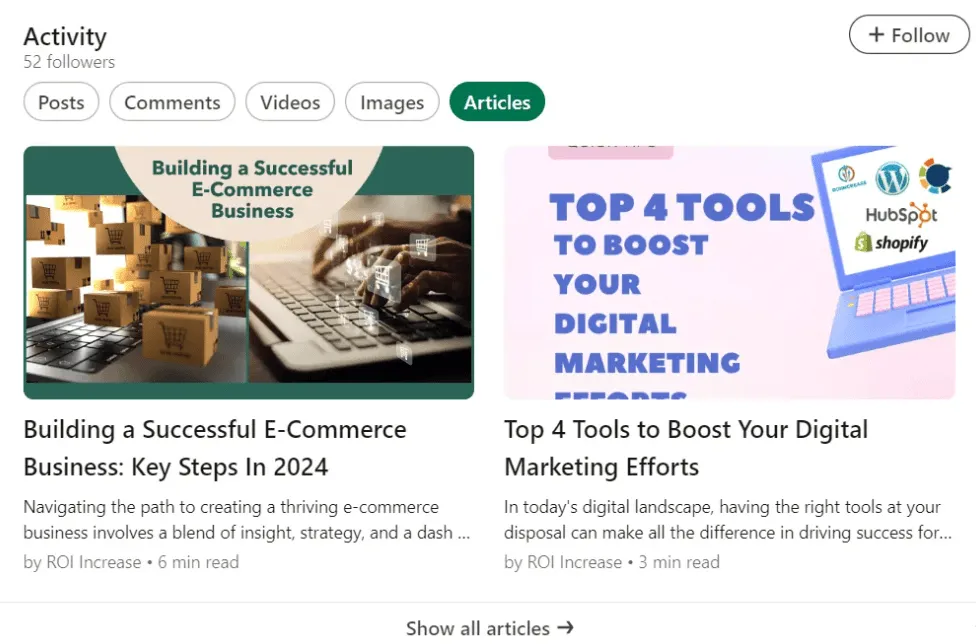
Image Source: LinkedIn
Bad affiliate content:
- Looks like an ad
- Focuses only on features
- Pushes links without context
Many top LinkedIn creators don’t even place affiliate links in their posts. They:
- Put links in comments
- Share links only when people ask
- Add links to their profile or newsletter
This feels more natural and builds trust.
As your content and audience grow, maintaining consistency without sacrificing quality becomes challenging—especially for agencies and consultants managing multiple clients.
This is where white label content services can support sustainable growth. Instead of rushing posts or outsourcing randomly, structured white-label solutions allow professionals to deliver high-quality, on-brand content while staying focused on strategy and relationships.
Platforms like DashClicks offer white label content services designed for agencies that want to scale content creation without turning their LinkedIn presence into a promotional feed. These services help ensure content remains insight-driven, audience-focused, and aligned with long-term brand credibility—exactly what LinkedIn rewards.
The key is using white label support as a backend system, not a shortcut. When content still reflects real experience and thoughtful perspectives, tools and services simply help you stay consistent without diluting trust.
Use Simple Stories Instead of Sales Copy
You don’t need fancy words or marketing language.
Simple stories work better.
For example:
- “I struggled with this for months…”
- “I made this mistake early on…”
- “This tool didn’t work for me at first, here’s why…”
These posts feel real. People relate to them.
When you share your experience honestly, people become curious about what you use. That’s when affiliate marketing happens naturally.
Be Honest and Transparent
Transparency is very important on LinkedIn.
If you earn money from a recommendation:
- Say it clearly
- Don’t hide it
- Don’t exaggerate results
You can say something simple like: “This is an affiliate link, but I use this tool myself.”
Surprisingly, being honest often increases trust instead of reducing it.
People don’t mind affiliate links. They mind dishonesty.
Consistency Matters More Than Frequency
You don’t need to post every day.
But you do need to post consistently.
Even:
- 2–3 posts per week
- With helpful insights
- Written in your own voice
is enough to build authority over time.
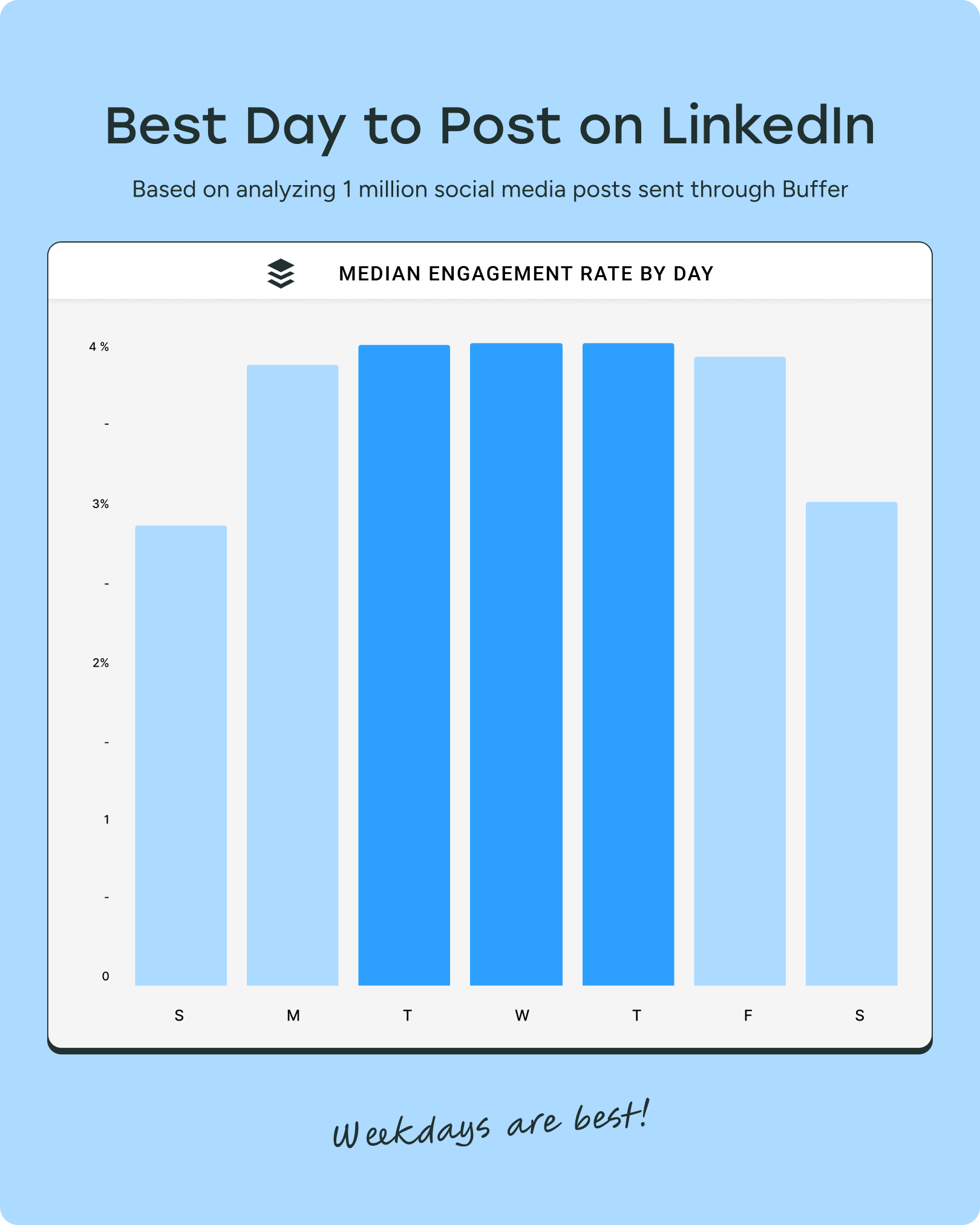
Image Source: Buffer
Affiliate success on LinkedIn is about showing up regularly, not being everywhere.
Engage With Others (This Is Very Important)
Affiliate marketing on LinkedIn doesn’t only happen through posts.
A lot of it happens through:
- Comments
- Conversations
- DMs (you can use outreach tools that integrate with Claude to get this part done)
When you:
- Leave thoughtful comments
- Share helpful replies
- Add value to discussions
People start recognizing your name. Later, when you mention a tool or share an experience, they pay attention. This silent trust-building is powerful.
Use Educational Content as a Bridge
Instead of promoting tools directly, teach people how to think.
Examples:
- How to choose the right software
- Common mistakes when picking tools
- Things to look for before buying
Inside this content, you can mention tools naturally.
This approach:
- Feels helpful
- Avoids promotion
- Builds authority
And it works very well on LinkedIn.
Using Tools to Stay Consistent
Writing consistently can be hard. Many people struggle with:
- Writer’s block
- Finding ideas
- Staying regular
This is where tools can help.
Postwise.ai is one such AI-powered social media content tool. It helps individuals, creators, and businesses write, schedule, and improve content for Linkedin and other online platforms. Many users rely on it to save time, generate ideas, and stay consistent without staring at a blank screen every day. Similarly, incorporating the best linkedin automation tools helps you stay ahead and remain consistent. To stay focused on content and conversations without inbox noise, many creators also choose to stop LinkedIn emails and unsubscribe from LinkedIn notifications while building their affiliate presence on the platform.
That said, not every tool fits every creator. Some people want more control, others prefer different writing styles or workflows. That’s why creators often explore Postwise alternatives based on their personal needs and content strategy.
Avoid Chasing Virality
Viral posts look exciting, but they don’t always lead to affiliate income.
On LinkedIn:
- A small audience of the right people is better
- Decision-makers matter more than impressions
A post with:
- 40 thoughtful comments
- From founders, marketers, or buyers
can outperform a post with thousands of likes from random users.
Focus on relevance, not reach.
Measure the Right Signals
Likes and impressions are not the best indicators of affiliate success.
Better signals include:
- Profile visits
- People saving your posts
- DMs asking questions
- Repeat engagement
These show that trust is building.
Affiliate income on LinkedIn often takes weeks or months. That’s normal.
Common Mistakes to Avoid
- Promoting Too Early: Build trust first.
- Sounding Like an Advertisement: Write like a person, not a brand.
- Overusing Links: Less is more.
- Copying Other Platforms: LinkedIn needs context and depth.
Sustainable Growth Takes Time
Affiliate marketing on LinkedIn is not a shortcut.
It’s a long-term strategy built on:
- Trust
- Consistency
- Honest communication
When people trust you, they don’t question your recommendations. They value them.
That’s when affiliate marketing stops feeling like marketing and starts feeling like advice.
Final Thoughts
LinkedIn is one of the best platforms for sustainable affiliate marketing—but only if you respect the platform and its audience.
Help first.
Share real experiences.
Be honest.
Think long-term.
Do that, and affiliate growth will come naturally—slowly, steadily, and sustainably.


.svg)


.svg)
.svg)
.svg)
.svg)
.svg)